Toronto’s Sewage Treatment Challenges: Why Equipment Choice Matters
Toronto’s industrial food processing, pulp and paper, and metalworking sectors generate high-concentration wastewater characterized by fats, oils, and grease (FOG) levels that frequently exceed municipal sewer use limits. The choice of pretreatment equipment is a matter of legal compliance; for instance, standard dissolved air flotation (DAF) systems are engineered to achieve 95% FOG removal, a benchmark necessary to meet the 2024 EPA and Toronto municipal standards. High-efficiency separation is necessary to prevent clogging of aging urban infrastructure or incurring significant surcharges from the City of Toronto.
Municipal sewage treatment plants across the Greater Toronto Area (GTA) are currently facing significant capacity constraints due to rapid urban densification. Many developers and facility operators are turning to integrated package systems, such as the WSZ Series, which can handle flow rates of 1 to 80 m³/h. These systems offer a footprint approximately 60% smaller than conventional activated sludge plants, making them ideal for high-density Toronto developments where land value is at a premium.
Regulatory pressure in Ontario is intensifying, with the Ontario Water Resources Act (2024) mandating strict effluent limits, typically requiring Biological Oxygen Demand (BOD) to be below 25 mg/L and Total Suspended Solids (TSS) below 30 mg/L. Non-compliance with these standards or the terms of an Environmental Compliance Approval (ECA) can result in fines reaching up to $100,000 per day for corporate entities. Selecting a sewage treatment equipment supplier in Toronto that provides verified performance data is essential for risk mitigation.
Toronto’s aging sewer systems are increasingly sensitive to solid loading. Compact, automated systems like Membrane Bioreactors (MBRs) have become the preferred solution for onsite treatment in urban centers. By utilizing advanced filtration, these systems allow facilities to bypass the limitations of the municipal grid, providing a reliable path to compliance even as local infrastructure reaches its design life limits.
Key Equipment Types for Toronto’s Wastewater Needs: Engineering Specs Compared
Dissolved Air Flotation (DAF) systems utilized in Toronto's industrial corridors are engineered to remove 95% or more of TSS and 90% of FOG by injecting micro-bubbles into the wastewater stream. These bubbles, typically ranging from 20 to 50 μm in diameter, attach to particles and lift them to the surface for mechanical skimming. For procurement managers, the energy consumption of these units is a critical metric; standard DAF units consume between 0.2 and 0.5 kWh/m³ of treated water. These are particularly effective as Toronto FOG removal systems in meat processing and dairy facilities where influent TSS can exceed 500 mg/L, reducing it to 25 mg/L or less before discharge. Many operators utilize DAF systems for Toronto’s industrial FOG removal needs, which are designed for high-load industrial environments.
Membrane Bioreactors (MBRs) represent the highest tier of secondary and tertiary treatment, achieving filtration levels of less than 1 μm. This precision allows for 99.9% pathogen removal and produces effluent of near-reuse quality, meeting the most stringent Ontario wastewater compliance standards. While the energy consumption is higher than DAF—ranging from 0.4 to 0.8 kWh/m³—the footprint is drastically reduced. MBRs integrate biological digestion and membrane separation into a single tank, eliminating the need for secondary clarifiers. Engineers often specify MBR systems for water reuse and municipal applications in Toronto when the goal is to achieve BOD levels below 5 mg/L.
Integrated Package Systems, such as the WSZ Series, utilize an A/O (Anaerobic/Oxic) biological process combined with sedimentation and disinfection. These units are often housed in carbon steel or stainless steel tanks that can be installed underground to save space. They are designed for flow rates of 1–80 m³/h and require minimal operator intervention due to fully automated control logic. These systems are the primary choice for industrial sewage treatment systems Ontario projects in remote or decentralized locations where connection to the main municipal line is not feasible. For residential or commercial developments, WSZ Series integrated systems for residential and commercial projects provide a turnkey solution that handles influent BOD of 200 mg/L and reduces it to under 20 mg/L.
| Equipment Type | TSS Removal Rate | BOD/COD Reduction | Energy Use (kWh/m³) | Footprint Requirement |
|---|---|---|---|---|
| DAF | 95% - 98% | 70% - 85% (COD) | 0.2 - 0.5 | Moderate |
| MBR System | >99% | >95% (BOD) | 0.4 - 0.8 | Very Low |
| Integrated (WSZ) | 85% - 90% | 80% - 90% (BOD) | 0.1 - 0.3 | Low (Underground) |
Engineers can learn how DAF systems achieve 95% TSS removal in industrial applications through detailed process flow diagrams and bubble dynamics studies.
Cost Breakdown: CAPEX, OPEX, and ROI for Toronto’s Top Systems
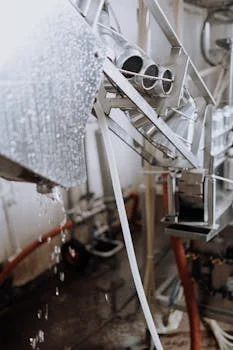
Capital expenditure (CAPEX) for dissolved air flotation systems in the Toronto market typically ranges from $50,000 to $300,000 for flow capacities between 4 and 300 m³/h. The operational expenditure (OPEX) is primarily driven by chemical coagulants and flocculants, averaging $0.10 to $0.30 per cubic meter of treated effluent. For food processing plants in Ontario, the return on investment (ROI) is often realized within 2 to 4 years through the elimination of municipal "over-strength" surcharges and reduced sludge handling costs.
MBR systems involve a higher initial investment, with CAPEX ranging from $200,000 to over $1.5 million depending on the daily volume (10 to 2,000 m³/day). The OPEX for MBRs is higher due to membrane cleaning cycles and eventual membrane replacement every 5 to 8 years, typically costing $0.20 to $0.50/m³. However, the ROI for water reuse projects is significant; facilities that recycle treated MBR effluent for cooling towers or irrigation can see a 3 to 6-year payback period by drastically reducing their freshwater procurement costs. This makes MBR wastewater treatment Toronto a viable long-term financial strategy for large-scale commercial facilities.
Integrated package systems offer the lowest barrier to entry for smaller applications. With a CAPEX between $30,000 and $200,000, these systems are highly cost-effective for residential communities and hotels. Because they are fully automated, labor costs are negligible, leading to an OPEX of just $0.05 to $0.20/m³. The ROI is frequently achieved in 1 to 3 years, particularly when compared to the cost of hauling sewage or paying for extensive sewer line extensions. You can explore cost breakdowns for wastewater treatment plants in other regions to see how Toronto's pricing compares to global benchmarks.
| System Type | CAPEX Range (CAD) | OPEX per m³ | ROI (Years) | Best Use Case |
|---|---|---|---|---|
| DAF Systems | $50k - $300k | $0.10 - $0.30 | 2 - 4 | Food Processing, Oil/Gas |
| MBR Systems | $200k - $1.5M | $0.20 - $0.50 | 3 - 6 | Water Reuse, Municipal |
| Integrated WSZ | $30k - $200k | $0.05 - $0.20 | 1 - 3 | Hotels, Residential, Rural |
Toronto’s Regulatory Landscape: Compliance Checklist for Equipment Selection
The Ontario Water Resources Act serves as the primary legislative framework for wastewater management in the province, setting effluent limits that all wastewater treatment plant suppliers Canada must help their clients meet. Under Ontario Regulation 560/94, specific industrial sectors are held to rigorous standards for BOD, TSS, and FOG. Failure to meet these limits can result in administrative penalties or criminal prosecution, with fines for major violations reaching $100,000 per day. For most industrial discharges in Toronto, the baseline targets are BOD <25 mg/L, TSS <30 mg/L, and FOG <15 mg/L for direct environmental discharge.
Securing an Environmental Compliance Approval (ECA) is a mandatory step for any new or significantly modified wastewater system in Ontario. The Ministry of Environment, Conservation and Parks (MECP) reviews the engineering design to ensure it can consistently meet discharge targets. The approval process currently takes 6 to 12 months, meaning procurement managers must select equipment and finalize designs well in advance of project deadlines. Additionally, the Toronto Municipal Code, Chapter 681 (Sewer Use), imposes its own set of limits on what can be sent to the city’s treatment plants, specifically targeting FOG levels in food service and industrial finishing sectors, often requiring them to be below 100 mg/L at the point of discharge.
| Regulation | Effluent Limit (Typical) | Equipment Solution | Compliance Assurance |
|---|---|---|---|
| Ontario Water Resources Act | BOD <25 mg/L, TSS <30 mg/L | MBR or Integrated Package | 99% filtration efficiency |
| Toronto Sewer Use Bylaw | FOG <100 mg/L (Sewer) | DAF System | 95% FOG removal rate |
| ECA Requirements | Site-specific (Varies) | Custom Engineering | Third-party verified specs |
When evaluating wastewater treatment equipment Toronto, it is helpful to compare sewage treatment equipment suppliers in Ottawa for regional insights, as provincial regulations remain consistent across Ontario while municipal bylaws may differ slightly in their enforcement mechanisms.
How to Choose a Sewage Treatment Equipment Supplier in Toronto: Decision Framework
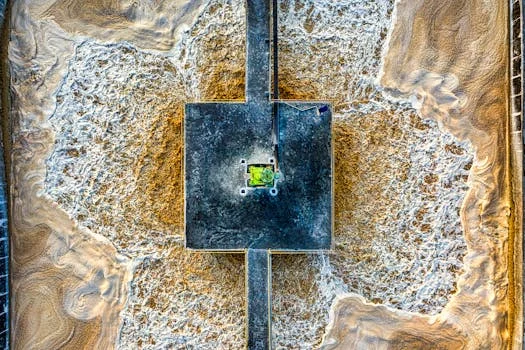
Selecting a sewage treatment equipment supplier in Toronto requires a systematic evaluation of influent chemistry, required effluent quality, and the specific footprint constraints of urban or suburban facilities. The following decision framework is designed to guide procurement teams through the technical and financial vetting process to ensure long-term system viability.
Step 1 involves defining the application and characterising the wastewater. Industrial applications like food processing require high-efficiency FOG removal (DAF), whereas municipal or commercial applications focused on high-clarity effluent are better served by MBR technology. Step 2 requires matching the equipment's performance specs to the regulatory limits set by the ECA or Toronto Municipal Code. For example, if the goal is water reuse, an MBR is the only viable option due to its ability to meet <10