Why Colombia’s Wastewater Treatment Market Demands Localized Solutions
Colombia’s sewage treatment equipment market is fragmented, with only 60% of rural wastewater treated and industrial discharge subject to Resolución 0631/2015’s strict limits, such as the 50 mg/L BOD requirement for food processing. The U.S. International Trade Administration (2024) reports that while 73% of Colombians have access to potable water, the infrastructure for treating the resulting effluent remains underdeveloped in secondary cities and rural municipalities. This gap creates a high-stakes environment for procurement managers who must balance capital expenditure with the risk of severe legal penalties.
The primary challenge for industrial operators is the specificity of Resolución 0631/2015. Unlike generic international guidelines, this regulation sets distinct discharge limits for over 50 industrial activities. For instance, the textile industry must maintain Total Suspended Solids (TSS) below 100 mg/L, while the coffee processing sector faces unique challenges with high acidity and organic loads. Standard off-the-shelf equipment often fails to account for these nuances, leading to rapid system fouling or non-compliance fines. A textile plant in the Bogotá savanna faced a COP 1.2 billion fine because its primary clarifier could not handle the peak surfactant loads common in local production cycles.
Environmental factors further complicate equipment performance in Colombia. The country’s tropical climate and varying altitudes significantly impact biological treatment kinetics. In warmer regions, biological growth is accelerated, which increases the oxygen uptake rate (OUR). Engineering specs for aeration systems must be adjusted to provide 15-20% higher oxygen transfer rates compared to temperate climate designs to prevent anaerobic pockets and odor complaints. This temperature-driven metabolic rate directly increases operational expenditure (OPEX) through higher energy consumption for blowers and surface aerators.
The fragmented infrastructure means that many industrial sites operate in "islands," requiring decentralized systems that are robust enough to handle fluctuating influent quality without constant manual intervention. For these reasons, industrial sewage treatment Colombia projects require a shift away from "one-size-fits-all" imports toward systems designed for tropical kinetics and specific national discharge standards.
5 Types of Sewage Treatment Equipment for Colombia’s Industrial and Municipal Needs
Dissolved Air Flotation (DAF) systems achieve 92–97% TSS removal and are the primary choice for Colombia’s heavy industrial sectors, particularly food processing, pulp and paper, and oil-and-gas. In these applications, a high-efficiency DAF system for Colombia’s industrial wastewater is critical for removing Fats, Oils, and Grease (FOG) before secondary treatment. Many Colombian food processors discharge into municipal sewers, so pre-treating with DAF is often the only way to avoid the heavy surcharges imposed by local utilities like EAAB or EPM.
For urban areas where land value is high and water scarcity is an increasing concern, the Membrane Bioreactor (MBR) has become the gold standard. An MBR system for urban water reuse in Colombia provides 99% pathogen reduction and occupies a 60% smaller footprint than conventional activated sludge (CAS) plants. In cities like Medellín, where the "Circular Economy" model is being integrated into municipal planning, MBR effluent is high enough in quality to be reused for industrial cooling or landscape irrigation, meeting the stringent Colombia water reuse standards set by Resolución 1207/2014.
In rural and hospitality sectors, such as hotels in the Coffee Axis or San Andrés, the WSZ Series Integrated Underground Systems offer a "fit-and-forget" solution. This compact underground sewage treatment for rural Colombia handles flow rates from 1 to 80 m³/h and requires no dedicated operator. These systems use a combination of anaerobic and aerobic zones to stabilize waste, making them ideal for the fluctuating loads typical of tourism-driven demand.
Chemical Dosing Systems and Sludge Dewatering units round out the essential equipment list. Precise PLC-controlled dosing is vital for treating coffee processing wastewater, which requires pH neutralization and specific polymer coagulation to break down complex mucilage. Once treated, the resulting sludge must be managed according to Decreto 1076/2015. Utilizing sludge dewatering solutions for Colombia’s landfill regulations, such as a plate and frame filter press, ensures a 20-30% dry solids cake, significantly reducing hauling costs and environmental liability.
| Equipment Type | Key Performance Metric | Primary Colombian Application | Compliance Target |
|---|---|---|---|
| DAF (Dissolved Air Flotation) | 92-97% TSS Removal | Meat processing, Dairy, Textiles | FOG & TSS (Res. 0631) |
| MBR (Membrane Bioreactor) | <5 mg/L BOD / 99% Pathogen Red. | Urban reuse, Pharmaceuticals | Res. 1207 (Reuse) |
| WSZ (Integrated Underground) | Low Maintenance / Small Footprint | Hotels, Rural municipalities | Domestic Discharge Limits |
| Filter Press (Dewatering) | 25% Solid Cake Concentration | Mining, Industrial Sludge | Decreto 1076 (Landfill) |
| Chemical Dosing Systems | ±0.1 pH Accuracy | Coffee processing, Galvanizing | Heavy Metal Precipitation |
Colombia-Specific Compliance: How to Match Equipment to Local Standards
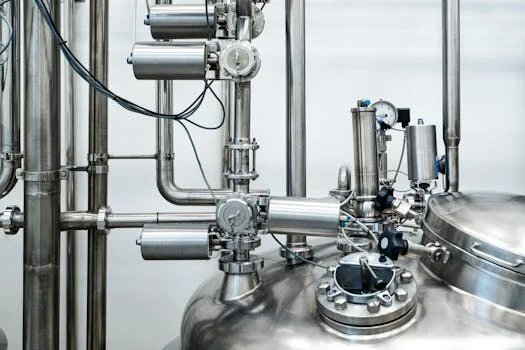
Resolución 0631/2015 serves as the regulatory backbone for all wastewater discharge in Colombia, replacing older standards with a tiered approach based on economic activity. To ensure compliance, equipment must be sized for the specific chemical oxygen demand (COD) and biochemical oxygen demand (BOD) peaks defined for each sector. For example, a slaughterhouse in Antioquia is held to tighter nitrogen and phosphorus limits than a general manufacturing plant to prevent eutrophication in local watersheds.
Municipal standards often exceed national requirements, particularly in major metropolitan areas. The Empresa de Acueducto y Alcantarillado de Bogotá (EAAB) and Empresas Públicas de Medellín (EPM) enforce local "Permisos de Vertimiento" that may include surcharges for high-strength waste. Engineering a system that integrates Colombia’s standards for hospital wastewater treatment or industrial pre-treatment is essential for avoiding operational penalties. The permitting process typically takes 3 to 6 months and requires a detailed characterization of the wastewater and a formal Environmental Impact Assessment (EIA).
| Parameter | General Industrial Limit (mg/L) | Food Processing Limit (mg/L) | Textile Industry Limit (mg/L) |
|---|---|---|---|
| BOD5 | 90.00 | 50.00 | 100.00 |
| COD | 180.00 | 120.00 | 250.00 |
| TSS | 100.00 | 50.00 | 100.00 |
| FOG (Oils/Grease) | 20.00 | 10.00 | 20.00 |
| pH | 6.0 - 9.0 | 6.0 - 9.0 | 6.0 - 9.0 |
For companies looking toward sustainability, Resolución 1207/2014 provides the framework for non-potable water reuse. This is where high-tier equipment like MBRs or tertiary polishing units become financially viable. By treating water to reuse standards for toilet flushing or industrial cooling, facilities can reduce their "Tasa Retributiva" (pollution tax) and lower their fresh water intake costs. Understanding how reverse osmosis systems can complement sewage treatment for water reuse is the next step for facilities aiming for "Zero Liquid Discharge" (ZLD) in water-stressed regions like La Guajira or parts of the Cundinamarca plateau.
Cost Breakdown: CAPEX and OPEX for Sewage Treatment Systems in Colombia (2025 Data)
Capital expenditure (CAPEX) for sewage treatment equipment in Colombia is influenced by international shipping costs and import tariffs, which typically range from 10% to 15% for suppliers outside the Andean Community. For a 2025 project, a 100 m³/h DAF system generally requires a CAPEX of USD $45,000 to $75,000, depending on the material of construction (304 vs. 316 Stainless Steel). MBR systems, while more expensive at USD $120,000 to $180,000 for the same capacity, offer significant savings in land costs and compliance security.
Operational expenditure (OPEX) in the Colombian context is driven by energy and chemical costs. Electricity for wastewater treatment typically costs between COP 600 and 900 per kWh for industrial users. MBR systems consume approximately 0.8–1.2 kWh per cubic meter of treated water, largely due to the aeration required for membrane scouring. Chemical costs, specifically Polyaluminum Chloride (PAC) and Polyacrylamide (PAM) for coagulation, fluctuate with the global petroleum market but currently average COP 4,500–7,000 per kilogram in the local market.
| System Capacity | DAF CAPEX (USD) | MBR CAPEX (USD) | Integrated WSZ CAPEX (USD) |
|---|---|---|---|
| 50 m³/h | $25k - $40k | $70k - $95k | $30k - $50k |
| 200 m³/h | $80k - $120k | $210k - $290k | $110k - $160k |
| 500 m³/h | $170k - $250k | $450k - $600k | Custom Engineering Required |
The Return on Investment (ROI) for these systems is often realized within 3 to 5 years. For a medium-sized food processor, the combination of avoided Permiso de Vertimiento fines and a 30% reduction in water procurement costs through reuse creates a compelling financial case. Financing is increasingly available through "Green Credit" lines from Colombian banks like Bancolombia and Davivienda, as well as international climate funds like the IDB (Inter-American Development Bank), which prioritize municipal sanitation projects.
Decision Framework: How to Choose the Right Supplier for Your Project
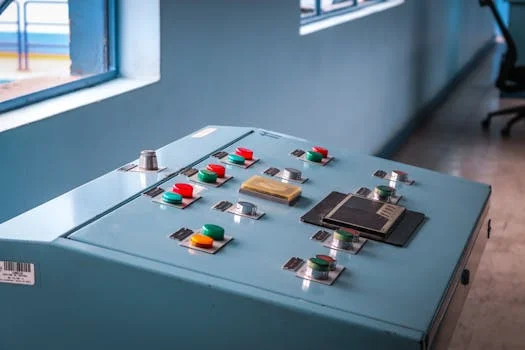
Selecting a sewage treatment equipment supplier in colombia requires a structured evaluation that goes beyond the initial quote. The first step is defining the project scope with precision. This includes 24-hour composite sampling to understand the "worst-case" influent quality. A common mistake in the Colombian market is sizing equipment based on average flow, which leads to system