Melbourne’s hospital wastewater treatment standards for 2025 require strict compliance with EPA Victoria’s discharge limits—BOD <20 mg/L, TSS <30 mg/L, and fecal coliforms <100 CFU/100mL—while addressing pharmaceutical residuals and heavy metals. The Western Treatment Plant’s $711M modernization (2024) underscores the city’s push for advanced treatment, but hospitals must implement on-site systems like MBR or chlorine dioxide disinfection to meet these benchmarks cost-effectively.
Melbourne’s Hospital Wastewater Challenge: Why On-Site Treatment Is Non-Negotiable
EPA Victoria’s 2025 discharge limits for healthcare facilities mandate that hospital effluent must achieve Biological Oxygen Demand (BOD) levels below 20 mg/L and Total Suspended Solids (TSS) below 30 mg/L before entering the municipal grid. The EPA Victoria Guidelines for Healthcare Facilities (2024) outline these standards to protect the biological integrity of Melbourne’s massive treatment infrastructure. While the Victorian Government has committed $711 million to modernize the Western Treatment Plant (WTP), this investment focuses primarily on increasing hydraulic capacity and nitrogen removal for municipal sewage, not the complex chemical contaminants produced by modern medical procedures.
Hospitals generate unique contaminants, including antibiotics, chemotherapy agents, and mercury from dental amalgams, which are often resistant to standard municipal activated sludge processes. The EPA Victoria Enforcement Report 2023 documented a Melbourne hospital being fined $250,000 for exceeding pharmaceutical residual limits in its effluent, underscoring the shift from advisory compliance to strict regulatory policing. Melbourne Water currently manages sewage collection across distinct basins, yet the responsibility for pretreatment lies solely with the facility generator. Hospitals located in the WTP catchment face different trade waste pricing structures than those in the Eastern Treatment Plant (ETP) catchment, but the 2025 EPA limits remain a universal baseline across the metropolitan area.
On-site treatment is a legal requirement for risk mitigation. Without advanced secondary and tertiary treatment, hospitals risk heavy fines and potential "Stop-Work" orders if their discharge compromises the local sewerage network. Integrating detailed engineering guides to medical wastewater treatment into facility planning is the first step toward avoiding these regulatory pitfalls.
Engineering Specs for Hospital Wastewater: Contaminant Profiles and Treatment Targets
Hospital wastewater exhibits a Chemical Oxygen Demand (COD) to BOD ratio significantly higher than domestic sewage, often ranging from 2.5:1 to 3.5:1, due to non-biodegradable organic compounds. Understanding these engineering specifications is critical for sizing treatment units and selecting the correct chemical dosing regimens. EPA Victoria Technical Note 2025 specifies that hospital effluents must maintain pharmaceutical residuals at less than 100 ng/L and mercury levels below 0.001 mg/L to prevent bioaccumulation in Port Phillip Bay.
| Parameter | Municipal Sewage (Avg) | Hospital Wastewater (Avg) | EPA Victoria 2025 Limit |
|---|---|---|---|
| BOD5 (mg/L) | 200 – 300 | 350 – 600 | < 20 |
| TSS (mg/L) | 250 – 400 | 300 – 800 | < 30 |
| Fecal Coliforms (CFU/100mL) | 10^6 – 10^8 | 10^7 – 10^9 | < 100 |
| Pharmaceuticals (ng/L) | < 500 | 5,000 – 50,000 | < 100 |
| Mercury (mg/L) | < 0.0001 | 0.002 – 0.015 | < 0.001 |
| pH Range | 6.5 – 8.0 | 5.5 – 9.5 | 6.0 – 9.0 |
Chemotherapy drugs, such as cyclophosphamide, and fluoroquinolone antibiotics like ciprofloxacin, require advanced oxidation or ultrafiltration to break down their molecular structures. A standard treatment train for a Melbourne hospital involves preliminary screening for solids, primary sedimentation, secondary biological treatment (often MBR), and tertiary disinfection. For facilities with high-volume laundry or kitchen operations, high-efficiency DAF systems for hospital kitchen and laundry effluents achieve TSS removal efficiencies of 92-97%, reducing the load on downstream biological units.
The process flow must account for chlorine residuals. EPA Victoria limits chlorine residuals to <0.5 mg/L to prevent the formation of trihalomethanes (THMs). This necessitates precise dosing or the use of alternative disinfectants that provide high pathogen kill rates without the toxic byproduct profile of traditional liquid bleach.
Treatment Technologies Compared: MBR vs. DAF vs. Chlorine Dioxide for Hospital Effluents

Membrane Bioreactor (MBR) technology has emerged as the gold standard for Melbourne hospitals due to its ability to produce near-reuse-quality effluent within a constrained urban footprint. Compared to conventional activated sludge systems, MBRs utilize a membrane with a pore size typically <0.1 μm, effectively acting as a physical barrier to bacteria and most viruses. This results in a footprint reduction of approximately 60%, a vital factor for hospitals located in high-density areas.
| Technology | Footprint | BOD/TSS Removal | Pathogen Kill Rate | Maintenance | Compliance Suitability |
|---|---|---|---|---|---|
| MBR | Very Small | 99%+ | 99.9% (Physical) | Moderate/High | Excellent (Reuse Ready) |
| DAF | Medium | 85-95% (TSS) | Low | Low/Moderate | Good (Pretreatment) |
| ClO₂ | Minimal | N/A | 99.99% (Chemical) | Low | Excellent (Tertiary) |
While MBRs offer superior filtration, they are energy-intensive, requiring between 0.8 and 1.2 kWh/m³ for aeration and membrane scouring. For hospitals focused on specific waste streams, MBR membrane bioreactor systems for hospital wastewater provide the necessary log-reduction values for safe discharge. Conversely, on-site chlorine dioxide disinfection for hospital effluents is increasingly favored over UV or ozone for tertiary treatment.
A recent case study from a private hospital in Melbourne’s South-East demonstrated the efficacy of a hybrid approach. By combining an MBR system with a chlorine dioxide polishing stage, the facility reduced its pharmaceutical residual concentrations by 98%, moving from non-compliance to meeting the 2025 standards ahead of schedule (HydropureWater case study, 2024). For procurement teams, a cost comparison of MBR and extended aeration systems can clarify the long-term financial benefits of higher-efficiency technology.
Cost Breakdown: On-Site Hospital Wastewater Treatment Systems in Melbourne 2025
Budgeting for a hospital wastewater system requires a granular analysis of Capital Expenditure (CAPEX) and Operating Expenditure (OPEX). In the Melbourne market, CAPEX is influenced by the complexity of the contaminant profile and the degree of automation required. A 50 m³/day MBR system typically requires a CAPEX investment of $250,000 to $400,000, including installation and SCADA integration.
| System Type | Capacity (m³/day) | Estimated CAPEX (AUD) | OPEX (per m³) | Payback Period |
|---|---|---|---|---|
| MBR System | 50 | $250k - $400k | $0.85 - $1.30 | 3.5 - 5 Years |
| DAF System | 100 | $180k - $280k | $0.40 - $0.65 | 2.5 - 4 Years |
| ClO₂ Generator | Up to 500 | $60k - $110k | $0.15 - $0.35 | 1 - 2 Years |
OPEX drivers include energy consumption, chemical reagents, and membrane replacement. MBR membranes generally require replacement every 5 to 7 years, costing between $10,000 and $25,000 depending on the total surface area. The Victorian Government’s $20M Hospital Sustainability Fund (2025) provides grants that can cover up to 40% of the CAPEX for on-site treatment upgrades that demonstrate significant water savings or environmental protection improvements.
One Melbourne-based healthcare provider saved approximately $120,000 annually in trade waste fees and potential fines by installing a 50 m³/day MBR system. The system allowed the hospital to recycle a portion of the treated water for cooling towers and landscape irrigation, further accelerating the ROI. When evaluating costs, facility managers must factor in the "cost of inaction"—where a single EPA fine can equal 50% of the cost of a new treatment plant.
Step-by-Step Compliance Checklist for Melbourne Hospitals
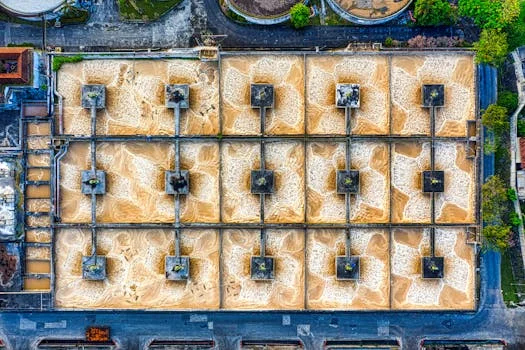
Achieving compliance with Melbourne’s 2025 standards is a structured process that requires coordination between facility management, environmental consultants, and equipment manufacturers. The timeline from the initial audit to final EPA approval typically spans 6 to 12 months.
- 1. Wastewater Audit: Conduct a comprehensive 7-day sampling program using an EPA-approved laboratory to establish your baseline contaminant profile, focusing on BOD, TSS, and pharmaceuticals.
- 2. Technology Selection: Match the treatment technology (MBR, DAF, or ClO₂) to the specific contaminants identified in the audit. Ensure the system is sized for peak flows, particularly for emergency department surges.
- 3. EPA License Application: Submit a "Healthcare Facility Wastewater Management Plan" to EPA Victoria, detailing the proposed treatment train and expected discharge quality.
- 4. Melbourne Water Trade Waste Agreement: Negotiate or update your Trade Waste Agreement with Melbourne Water to reflect the improved effluent quality, which may lower your ongoing discharge costs.
- 5. Equipment Procurement: Select equipment that meets Australian electrical and safety standards. Ensure the manufacturer provides a performance guarantee for 2025 limits.
- 6. Installation & Commissioning: Execute the installation with minimal disruption to hospital operations. Commissioning must include a "proving period" where discharge is monitored daily.
- 7. Staff Training: Train facility engineers on the maintenance of membranes, sensors, and chemical dosing pumps to prevent system downtime.