Sewage Treatment Equipment Suppliers in Haryana 2025: Engineering Specs, Local Compliance & Cost-Effective Decision Framework
In Haryana, sewage treatment equipment suppliers must meet CPCB discharge standards (BOD <30 mg/L, TSS <100 mg/L for municipal wastewater) while balancing cost, footprint, and energy efficiency. For example, MBR systems achieve <10 mg/L BOD with a 60% smaller footprint than conventional STPs but cost ₹2.5–4.0 lakh/m³/day (2025 data). This guide compares top suppliers, engineering specs, and compliance requirements to help you select the right system for your project.
Why Haryana’s Sewage Treatment Market Demands Smarter Supplier Selection in 2025
CPCB’s 2024–2025 enforcement crackdown has resulted in 127 industrial units in Haryana being issued closure notices for non-compliance, as reported in the CPCB annual report 2024. This escalating regulatory pressure, coupled with rapid urbanization, underscores the critical need for robust and compliant sewage treatment solutions. Gurugram and Faridabad, for instance, collectively generate over 800 MLD of sewage, yet only approximately 60% receives adequate treatment, according to Haryana State Pollution Control Board 2024 data, highlighting a significant treatment gap.
Procurement managers and plant engineers in Haryana frequently encounter several pain points when evaluating sewage treatment equipment supplier in haryana india. Space constraints are a primary concern, with 50% of industrial sites in Panchkula having less than 200 m² available for STPs. Energy costs represent another substantial burden, where aeration can account for 40–60% of total operational and maintenance (O&M) expenses. the complexity of maintaining advanced systems often leads to operational challenges for existing staff.
A notable case example demonstrates the impact of effective supplier selection: a textile factory in Panipat successfully reduced its biochemical oxygen demand (BOD) from 300 mg/L to below 20 mg/L by upgrading from a conventional STP to an MBR system. This upgrade not only ensured CPCB compliance but also helped the factory avoid an estimated ₹12 lakh per year in potential fines, demonstrating the direct financial benefits of investing in appropriate technology and a reliable sewage treatment equipment supplier in Haryana India.
Sewage Treatment Technologies Available in Haryana: Engineering Specs and Use-Case Matching
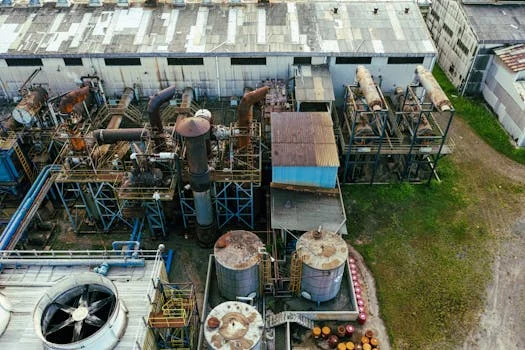
Selecting the appropriate sewage treatment technology in Haryana is contingent on specific project requirements, balancing effluent quality, footprint, and operational costs. Membrane Bioreactor (MBR) systems represent an advanced solution, utilizing 0.1 μm filtration to produce high-quality effluent, typically achieving <10 mg/L BOD, which often exceeds CPCB discharge standards. These systems offer a significant advantage in space utilization, requiring up to a 60% smaller footprint compared to conventional STPs. However, MBR systems involve a higher capital expenditure (capex) of ₹3.5–4.0 lakh/m³/day (2025 data) and require membrane replacement every 5–7 years, contributing to higher O&M costs. For industrial facilities aiming for water reuse or stringent discharge limits, MBR systems for reuse-quality effluent in Haryana are often the preferred choice.
Conventional Activated Sludge (A/O) STPs remain a widely adopted technology, providing effluent quality typically in the range of 20–30 mg/L BOD. While their capex is lower, generally between ₹1.2–1.8 lakh/m³/day, they demand a larger footprint, estimated at 1.2–1.5 m²/m³/day. These systems also exhibit higher energy consumption for aeration, ranging from 0.6–1.0 kWh/m³. Conventional systems, including underground STP for space-constrained sites in Haryana, are suitable for municipal or industrial applications where space is not severely limited and the primary goal is to meet standard CPCB requirements without aiming for water reuse.
Dissolved Air Flotation (DAF) systems are highly effective for specific pre-treatment applications, particularly for wastewater with high concentrations of fats, oils, and grease (FOG), common in food processing industries. DAF systems achieve 92–97% TSS removal but are primarily limited to pre-treatment, requiring subsequent biological treatment to meet final discharge standards. The capex for DAF systems for pre-treatment of high-FOG wastewater ranges from ₹0.8–1.2 lakh/m³ (2025 data). Matching the right technology to the specific wastewater characteristics and effluent targets is crucial for cost-effectiveness and compliance.
The following table provides a detailed comparison of these key sewage treatment technologies:
| Parameter | MBR Systems | Conventional A/O STPs | DAF Systems (Pre-Treatment) |
|---|---|---|---|
| Capacity Range | 50 - 5,000 m³/day | 100 - 10,000 m³/day | 10 - 2,000 m³/day |
| Effluent Quality (BOD) | <10 mg/L | 20-30 mg/L | N/A (Pre-treatment) |
| Effluent Quality (TSS) | <5 mg/L | <50 mg/L | 92-97% removal |
| Energy Use | 0.8-1.2 kWh/m³ | 0.6-1.0 kWh/m³ | 0.2-0.4 kWh/m³ |
| Footprint | 0.5-0.8 m²/m³/day | 1.2-1.5 m²/m³/day | 0.3-0.5 m²/m³/day |
| Capex (2025) | ₹3.5–4.0 lakh/m³/day | ₹1.2–1.8 lakh/m³/day | ₹0.8–1.2 lakh/m³ |
| O&M Costs | ₹0.30–0.45/m³ | ₹0.15–0.25/m³ | ₹0.10–0.18/m³ |
| Key Advantage | High effluent quality, small footprint | Lower capex, proven reliability | High TSS/FOG removal, rapid separation |
| Typical Use-Case | Water reuse, industrial, strict limits | Municipal, commercial, standard compliance | Food processing, slaughterhouses, pre-treatment |
Top 5 Sewage Treatment Equipment Suppliers in Haryana: Capabilities, Compliance, and Customer Feedback
Evaluating sewage treatment equipment suppliers in Haryana requires a focus on their technical capabilities, demonstrated compliance, and post-sales support. Vikas Pump, based in Faridabad, is a prominent supplier known for its CPCB-compliant STPs, offering capacities ranging from 50–500 m³/day with typical delivery timelines of 8–12 weeks. While reliable for conventional systems, their offerings in advanced MBR technology are currently limited.
KPS, a Gurugram-based supplier, specializes in modular STPs that demonstrated a 95% uptime in 2024 client audits, indicating strong operational reliability. Their systems cater to a flow range of 1–80 m³/h, making them suitable for various small to medium-scale industrial and commercial applications, though their capex tends to be higher, often between ₹2.2–3.0 lakh/m³/day.
Seec India, operating from Fatehabad, provides a broader range of MBR and conventional STPs, accommodating capacities from 10–2,000 m³/day with relatively swift delivery in 6–8 weeks. However, customer feedback on their post-sales support has been mixed, suggesting potential variability in long-term operational assistance.
Riva Appliances in Panchkula focuses primarily on packaged STPs designed for residential and commercial use, with capacities typically ranging from 1–100 m³/day. While effective for smaller applications, they do not offer industrial-scale solutions required for larger manufacturing or municipal projects.
A local distributor (unnamed for competitive reasons) often provides STPs with a lower initial capex, ranging from ₹1.0–1.5 lakh/m³/day. However, their installations have shown inconsistent CPCB compliance, with 30% of their projects reportedly failing 2024 audits. This highlights the critical trade-off between initial cost savings and the potential for significant regulatory penalties and operational disruptions.
CPCB and Haryana Pollution Control Board Compliance: What Your STP Must Achieve in 2025
Adherence to environmental regulations is paramount for any sewage treatment plant (STP) operating in Haryana, with specific CPCB discharge standards dictating effluent quality. For municipal wastewater, the General Standards for Discharge of Environmental Pollutants (2024) mandate that biochemical oxygen demand (BOD) must be less than 30 mg/L, total suspended solids (TSS) less than 100 mg/L, and pH maintained between 6.5–8.5. These standards serve as the baseline for all wastewater treatment operations, ensuring that discharged water does not adversely impact receiving bodies.
Beyond national guidelines, Haryana-specific requirements often impose stricter limits, particularly in industrialized zones. For example, industrial zones in Gurugram typically require a BOD of less than 20 mg/L, which is more stringent than the general CPCB standard. Panchkula mandates tertiary treatment for all new STPs, indicating a commitment to higher effluent quality for water reuse or sensitive ecosystems. Understanding these regional variations is crucial for any how industrial STPs comply with regional regulations.
Non-compliance with these regulations carries significant financial and operational penalties. Haryana State Pollution Control Board 2024 guidelines stipulate fines ranging from ₹10,000–50,000 per day for violations, in addition to potential closure notices and mandatory upgrade orders. To mitigate these risks, buyers must meticulously verify supplier claims and ensure their chosen STP can consistently meet or exceed all applicable standards. The following checklist provides a framework for verifying compliance:
| Compliance Checklist Item | Verification Method | Importance |
|---|---|---|
| Supplier’s CPCB Certification | Request valid CPCB or ISO 9001/14001 certificates for the STP manufacturer. | High: Ensures manufacturer adheres to quality and environmental standards. |
| Effluent Quality Lab Reports | Demand third-party laboratory reports for effluent quality from existing installations. | Critical: Verifies actual performance against discharge limits (BOD, TSS, COD, pH). |
| Operational & Maintenance (O&M) Support | Confirm supplier offers comprehensive O&M contracts for 2+ years, including regular checks and spare parts. | High: Ensures long-term compliance and system uptime. |
| Permits & NOCs | Ensure the supplier assists with necessary environmental permits and No Objection Certificates (NOCs) from Haryana PCB. | Medium: Facilitates regulatory approvals and smooth project execution. |
| Energy Efficiency Data | Request specific energy consumption data (kWh/m³) to assess operational cost compliance. | Medium: Contributes to sustainable operation and cost management. |
Cost Breakdown: Sewage Treatment Plant Pricing in Haryana (2025 Data)
Understanding the full cost implications of a sewage treatment plant (STP) in Haryana involves evaluating both capital expenditure (capex) and operational and maintenance (O&M) costs over its lifecycle. Conventional STPs typically have a capex ranging from ₹1.2–1.8 lakh/m³/day, making them an attractive option for projects with tighter upfront budgets. In contrast, MBR systems, due to their advanced membrane technology and higher effluent quality, command a higher capex of ₹3.5–4.0 lakh/m³/day. DAF systems, primarily used for pre-treatment, fall into a lower capex bracket of ₹0.8–1.2 lakh/m³ (2025 market data).
O&M costs are also a significant factor in the total cost of ownership. Conventional STPs incur O&M expenses of approximately ₹0.15–0.25/m³, mainly due to energy consumption for aeration and sludge management. MBR systems, while offering superior performance, have higher O&M costs, typically ₹0.30–0.45/m³, primarily driven by the periodic need for membrane replacement (every 5–7 years) and specialized cleaning chemicals. For a comprehensive comparison, refer to global cost benchmarks for wastewater treatment plants.
Considering a 10-year Total Cost of Ownership (TCO) reveals a clearer picture. For example, a 500 m³/day MBR system might cost around ₹1.8 crore over 10 years, whereas a conventional STP of the same capacity could be ₹1.2 crore. While the MBR has a higher TCO, it typically achieves 50% lower BOD levels, leading to significant fine avoidance and potential revenue from water reuse, which can offset the higher initial investment. Industrial buyers can calculate their return on investment (ROI) using a simplified formula: Annual savings = (fine avoidance + water reuse value) – O&M costs. This calculation helps quantify the long-term economic benefits of investing in a more advanced, compliant system.
| Cost Category | Conventional STP | MBR System | DAF System (Pre-Treatment) |
|---|---|---|---|
| Capex (per m³/day capacity) | ₹1.2–1.8 lakh | ₹3.5–4.0 lakh | ₹0.8–1.2 lakh |
| O&M Cost (per m³ treated) | ₹0.15–0.25 | ₹0.30–0.45 | ₹0.10–0.18 |
| Key O&M Drivers | Energy, sludge disposal, chemicals | Membrane replacement, energy, chemicals | Energy, sludge disposal, chemicals |
| Typical Lifespan | 15-20 years | 10-15 years (membrane 5-7 years) | 15-20 years |
| 10-Year TCO (500 m³/day example) | ₹1.2 crore | ₹1.8 crore | ₹0.9 crore (pre-treatment only) |
Supplier Decision Framework: How to Choose the Right STP Partner for Your Project
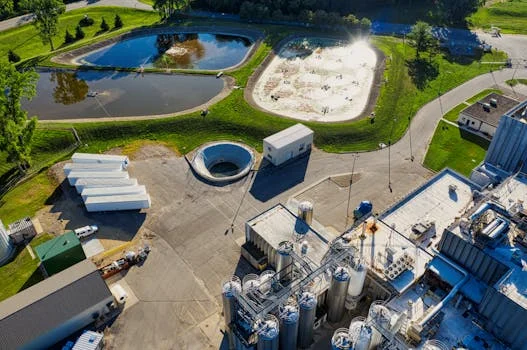
Selecting the optimal sewage treatment equipment supplier in Haryana demands a systematic approach that balances technical requirements, regulatory compliance, and financial considerations. The first step involves clearly defining your project's requirements. For municipal projects, adherence to CPCB limits for BOD <30 mg/L and TSS <100 mg/L is paramount. Industrial projects, such as those in Gurugram, often face stricter limits, sometimes requiring BOD <20 mg/L. Key parameters to define include the average and peak flow rates (m³/day) and any specific space constraints (m²) that might influence technology choice.
Step 2 focuses on matching the appropriate technology to your use case. For applications requiring reuse-quality effluent or facing severe space limitations, MBR systems are generally the most suitable due to their high effluent quality and compact footprint. Conventional STPs are a cost-effective choice for projects where space is ample and standard CPCB compliance is the primary goal. DAF systems are specialized for pre-treatment of high-FOG wastewater, common in food processing, and must be integrated with downstream biological treatment. An engineering deep dive on MBR membrane technology can provide further insights into advanced options.
The third step is a thorough evaluation of potential suppliers. Verify their CPCB certification and request proof of successful installations that meet similar effluent quality targets. Delivery timelines are also critical, with 8–12 weeks being a typical range for custom systems. Crucially, assess their post-sales support, including the availability of 24/7 technical assistance, spare parts, and comprehensive O&M contracts. Finally, in Step 4, compare the Total Cost of Ownership (TCO) for various options. Utilize the 10-year cost model to weigh initial capex against ongoing O&M expenses and potential compliance risks, as non-compliance can lead to substantial fines.
To facilitate an objective comparison, a weighted scoring table can be highly effective:
| Evaluation Criteria | Weight (%) | Supplier A Score (1-5) | Supplier B Score (1-5) | Supplier C Score (1-5) |
|---|---|---|---|---|
| CPCB Compliance & Certifications | 30% | |||
| Total Cost of Ownership (TCO) | 25% | |||
| Delivery & Installation Timelines | 20% | |||
| Post-Sales Support & O&M | 15% | |||
| Technology Suitability & Innovation | 10% | |||
| Total Weighted Score | 100% |
Frequently Asked Questions
CPCB discharge limits for sewage treatment plants in Haryana mandate specific effluent quality parameters to protect public health and the environment.
- What are the CPCB discharge limits for sewage treatment plants in Haryana? The CPCB mandates BOD <30 mg/L, TSS <100 mg/L, and pH 6.5–8.5 for municipal wastewater. Industrial zones, such as Gurugram, may have stricter local limits, sometimes requiring BOD <20 mg/L.
- How much does a 100 m³/day sewage treatment plant cost in Haryana? For a 100 m³/day STP, the capital expenditure typically ranges from ₹12–18 lakh for conventional systems and ₹35–40 lakh for MBR systems, excluding civil works.
- Can I install an underground STP in a residential colony in Faridabad? Yes, WSZ series underground STPs are approved for residential use in areas like Faridabad. They require approximately 1.5 meters of soil cover and can be integrated with landscaping.
- What happens if my STP fails a CPCB audit? If your STP fails a CPCB audit in Haryana, you could face fines ranging from ₹10,000–50,000 per day, receive closure notices, and be mandated to implement upgrades within 90 days to achieve compliance.
- How do I verify if a supplier’s STP meets CPCB standards? To verify compliance, request the supplier's CPCB certification, ask for third-party laboratory reports detailing effluent quality from existing installations, and consider visiting reference sites to observe operational performance firsthand.