Why Barranquilla’s Wastewater Costs Are Unique in 2025
Barranquilla’s regulatory environment for 2025 is governed by the Comisión de Regulación de Agua Potable (CRA), which mandates total suspended solids (TSS) levels below 30 mg/L and Chemical Oxygen Demand (COD) below 125 mg/L for all new industrial discharges. These standards are significantly more stringent than previous cycles, forcing a shift from primary treatment to advanced secondary and tertiary systems. For a factory manager, this means generic cost guides based on U.S. or European averages often underestimate the technical requirements needed to meet local Colombian law. The cost of compliance is heavily influenced by the Magdalena River’s seasonal flow variations, which fluctuate between 500 and 3,000 m³/s, impacting the dilution capacity of receiving bodies and often leading the CRA to impose stricter localized limits during dry seasons to prevent environmental degradation.
Beyond regulation, three specific local factors drive project budgets in the Atlántico department. First, soil salinity in coastal areas like Puerto Colombia and the Vía 40 industrial corridor requires the use of high-grade, corrosion-resistant materials (such as 316L stainless steel or specialized coatings), adding 10–15% to equipment costs. Second, the region’s high humidity (often exceeding 80%) necessitates tropicalized electrical components and enhanced ventilation for control rooms to prevent premature failure. Finally, Barranquilla faces limited local sludge disposal sites. Most industrial sludge must be hauled to specialized landfills outside the city, increasing operational hauling costs by 20–40% compared to inland cities like Medellín. When comparing Indonesia’s wastewater costs to Barranquilla’s, the logistics of sludge management and coastal corrosion remain the primary differentiators for B2B buyers.
The industrial landscape of Barranquilla further complicates cost estimation. Facilities in the Zona Franca (Free Trade Zone) often deal with complex textile dyes or chemical effluents that require advanced oxidation processes, whereas food processing plants near the northern ports must prioritize Fats, Oils, and Grease (FOG) removal. Each sector faces a different "compliance price tag" based on the complexity of their raw effluent and the specific CRA 2025 discharge limits for their industry (e.g., BOD <25 mg/L for food processing).
Wastewater Treatment Plant Cost Breakdown for Barranquilla: 2025 Ranges
A 500 m³/day compact MBR system in Barranquilla requires a capital expenditure (CAPEX) of approximately $1.2M to $1.8M, factoring in local logistics and coastal engineering requirements. For larger municipal tertiary plants handling 20,000 m³/day, budgets typically range from $15M to $25M depending on the level of nutrient removal required. These figures include not only the hardware but also the civil works, which are particularly expensive in Barranquilla due to the need for reinforced foundations in sandy, high-water-table coastal soils. Procurement teams must account for a 15% contingency for soil remediation and a 10% buffer for permitting delays, as the local environmental authority (CRA) often requires extensive documentation for projects exceeding 1,000 m³/day.
| Plant Type | Capacity (m³/day) | CAPEX Range ($USD) | OPEX ($/year) | Key Compliance Standard |
|---|---|---|---|---|
| Compact MBR System | 500 m³/day | $1.2M – $1.8M | $85,000 – $110,000 | CRA 2025 Industrial (Reuse Ready) |
| DAF System (Pre-treatment) | 2,400 m³/day (100 m³/h) | $200,000 – $500,000 | $45,000 – $70,000 | FOG & TSS Reduction |
| Integrated Sewage Treatment | 1,000 m³/day | $2.5M – $4.0M | $120,000 – $160,000 | CRA 2025 Municipal |
| Municipal Tertiary Plant | 20,000 m³/day | $15M – $25M | $1.2M – $1.8M | Magdalena River Discharge |
Labor costs for plant operation in Barranquilla are competitive compared to other Colombian hubs. Skilled operators typically command $12–$18 per hour, which is lower than the $15–$22 per hour seen in Bogotá, but slightly higher than the $10–$15 per hour average in Medellín. However, the specialized nature of MBR and DAF systems often requires a higher ratio of technical staff to general laborers, which can push the annual OPEX higher if the plant is not automated. When evaluating budgets, it is helpful to look at Vietnam’s wastewater treatment costs and ROI benchmarks to see how Barranquilla’s higher material costs (due to salinity) are offset by relatively lower energy costs in certain industrial zones.
Engineering Specs for Barranquilla’s Top 3 Wastewater Treatment Technologies
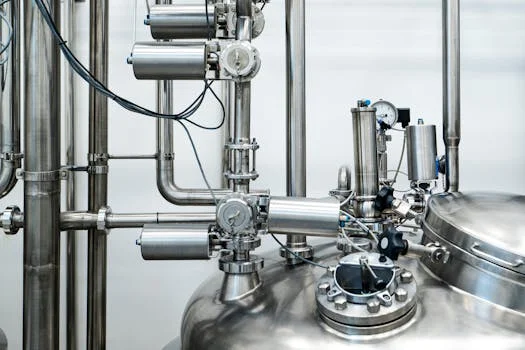
The implementation of Membrane Bioreactor (MBR) technology in Barranquilla achieves a 99% TSS removal rate while occupying 60% less footprint than conventional activated sludge systems. This is particularly critical for industrial facilities in the Vía 40 area where land is at a premium. For food and beverage processors, MBR systems for Barranquilla’s high-FOG wastewater utilize PVDF membranes with a 0.1 μm pore size, which are robust enough to handle high organic loads while producing effluent that meets tertiary standards for non-potable reuse. This allows companies to bypass some of the stricter discharge fees by recycling water for cooling towers or irrigation.
| Technology | TSS Removal (%) | COD Removal (%) | Footprint (m² per m³/d) | Energy Use (kWh/m³) | Sludge Production |
|---|---|---|---|---|---|
| MBR (Membrane Bioreactor) | 99% | 95% | 0.5 m² | 0.8 – 1.2 | Low (0.3 kg/m³) |
| DAF (Dissolved Air Flotation) | 92% – 97% | 85% | 1.2 m² | 0.4 – 0.6 | Moderate (FOG heavy) |
| Integrated (WSZ Series) | 90% | 80% | 0.8 m² | 0.5 – 0.7 | Standard (0.5 kg/m³) |
For operations with high concentrations of suspended solids and grease, such as breweries or palm oil refineries, DAF systems for cost-effective TSS and FOG removal are the industry standard. Modern DAF units require 30% less chemical dosing than traditional clarifiers, which significantly reduces the ongoing OPEX related to polymer and coagulant procurement (HydropureWater field data, 2025). For smaller commercial developments or outlying industrial parks, compact integrated systems for municipal and industrial use offer a "plug-and-play" solution that minimizes on-site civil engineering costs. These systems are often installed underground to save surface space and protect electrical components from Barranquilla’s corrosive salt air. Engineers should consult DAF system specs for food processing plants to determine if a standalone flotation unit is sufficient or if biological secondary treatment is necessary to meet the COD <125 mg/L threshold.
Barranquilla Compliance Checklist: Permits, Fees & Timeline
Obtaining an Environmental License for a wastewater facility in Barranquilla typically requires a 6-to-12-week Environmental Impact Study (EIA) with costs ranging from $15,000 to $50,000 depending on discharge volume. Navigating the CRA (Corporación Autónoma Regional del Atlántico) requires a structured approach to avoid the 90-day review loops that often stall projects. The most common pitfall for industrial buyers is underestimating the scope of the EIA for plants exceeding 1,000 m³/day, which requires detailed hydrological modeling of the discharge point in the Magdalena River or the Caribbean Sea.
| Permit Type | Fee Range ($USD) | Processing Time | Required Documents |
|---|---|---|---|
| Environmental License | $5,000 – $20,000 | 12 – 24 weeks | EIA, Land Use Cert, Tech Design |
| Discharge Permit (Permiso de Vertimientos) | $2,000 – $10,000 | 8 – 16 weeks | Characterization, Map of Points |
| Operational Certificate | $1,000 – $5,000 | 4 – 8 weeks | As-built Plans, Operator Certs |
| Water Reuse Permit | $2,000 – $5,000 | 8 – 12 weeks | Reuse Plan, Risk Assessment |
To ensure CRA 2025 compliance, facilities must follow a 5-step sequence:
- Initial Characterization: Conduct a 24-hour composite sampling of raw effluent to determine COD/BOD ratios.
- Feasibility & Design: Select technology (MBR vs. DAF) and submit preliminary engineering to the CRA for the "Concepto Técnico."
- Environmental Impact Study (EIA): Execute the study, focusing on the salinity and humidity factors unique to Barranquilla.
- Construction & Permitting: Apply for the Discharge Permit concurrently with civil works to save time.
- Final Inspection: Conduct a witnessed sampling by a CRA-certified laboratory to secure the Operational Certificate.
ROI Calculator: Wastewater Treatment Plant Cost vs. Savings in Barranquilla
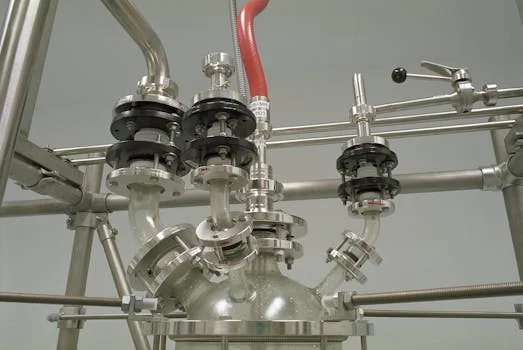
Industrial facilities in Barranquilla can achieve a payback period of 4.5 to 7 years on wastewater treatment investments by offsetting municipal water supply costs and avoiding regulatory fines. The financial feasibility of a project hinges on three primary savings sources: avoided non-compliance fines, a 30% reduction in municipal water supply costs through tertiary reuse, and a 20% reduction in sludge hauling costs through advanced d