Why Mongolia’s Wastewater Plants Need Sludge Dewatering Equipment in 2025
Mongolia’s mining industry generates approximately 1.2 million tons of sludge annually according to 2023 Ministry of Environment data, with disposal costs rising 15% year-over-year due to increasing landfill scarcity. This volume, primarily composed of coal fines and mineral tailings, presents a significant logistical burden for facilities in the South Gobi and Oyu Tolgoi regions. As industrial expansion continues, the Mongolian Water Authority has mandated that industrial water reuse rates must reach 60% by 2025, making efficient liquid-solid separation a prerequisite for operational permits.
Compliance with the Mongolian National Standard MNS 5924:2020 is the primary regulatory driver for municipal and industrial operators. This standard requires sludge intended for disposal to maintain a moisture content of less than 80%. Failure to meet these parameters results in heavy environmental fines and the rejection of sludge at centralized treatment facilities in Ulaanbaatar. the arid climate of the Mongolian steppe necessitates the recovery of every possible liter of process water to maintain plant water balances without depleting local aquifers.
Operational challenges in Mongolia are unique due to extreme temperature fluctuations and environmental conditions. Equipment must be engineered to withstand winter temperatures reaching -30°C, which can cause sludge to freeze in pipelines and significantly alter the viscosity of polymer flocculants. Additionally, high levels of atmospheric dust from the Gobi Desert can infiltrate open systems, leading to premature bearing failure and abrasive wear on moving parts. Consequently, selecting sludge dewatering equipment in Mongolia requires a focus on winterization and sealed mechanical components to ensure year-round reliability.
Sludge Dewatering Equipment Types: How They Work and Where They Fit in Mongolia
Multi-disc screw presses operate on the principle of concurrent thickening and dewatering via a rotating screw within a series of fixed and moving rings. These systems, such as the Esmil MDQ series, are characterized by extremely low energy consumption, typically ranging from 0.2 to 0.5 kWh/m³ of treated sludge. They are ideally suited for municipal wastewater treatment plants in Mongolia where biological sludge is prevalent, achieving solids capture rates of 95% or higher. However, their reliance on tight tolerances between rings makes them sensitive to the highly abrasive mineral particles found in mining wastewater.
Decanter centrifuges utilize high-speed centrifugal force to separate solids from liquids based on density differences. Models from regional suppliers like GN Separation are capable of handling high throughputs (10–100 m³/h) and are particularly effective for mining sludge with high initial solids content (30–50%). While they offer a compact footprint and high resistance to abrasive wear when equipped with tungsten carbide tiling, they require significant power—often 30–50 kW—which can be a constraint for remote Mongolian sites relying on diesel power generation. Their sealed design naturally protects internal components from Mongolia’s pervasive desert dust.
Plate-and-frame filter presses remain the standard for achieving the lowest possible moisture content in industrial applications. These systems operate in batch cycles, using high-pressure pumps to force sludge into chambers lined with filter cloth. HydropureWater’s plate-and-frame filter presses for Mongolia’s industrial sludge are frequently deployed in chemical and textile facilities because they can achieve 30–40% cake solids, even with sludge containing high chemical oxygen demand (COD). To combat the Mongolian winter, these units are often outfitted with heated plates or housed in insulated enclosures to prevent the filtrate from freezing during the pressing cycle.
| Equipment Type | Primary Mechanism | Best Use Case in Mongolia | Energy Efficiency |
|---|---|---|---|
| Multi-Disc Screw Press | Screw rotation & ring friction | Municipal WWTPs / Biological Sludge | High (0.2–0.5 kWh/m³) |
| Decanter Centrifuge | Centrifugal sedimentation | Mining / Mineral Tailings | Low (1.5–3.0 kWh/m³) |
| Filter Press | Pressure filtration (Batch) | Industrial / High COD Sludge | Medium (0.5–1.2 kWh/m³) |
For optimal performance, these systems require precise chemical conditioning. Implementing automatic polymer dosing systems for Mongolia’s sludge conditioning ensures that flocculants are mixed at consistent concentrations, which is critical when ambient temperatures fluctuate and affect chemical solubility.
Technical Specifications: Comparing Mongolia’s Top Sludge Dewatering Systems
Engineering parameters for sludge dewatering in Mongolia must account for the high mineral load of local wastewater and the specific gravity of the solids. In mining applications, decanter centrifuges must be rated for solids with a specific gravity of 2.5 or higher, necessitating heavy-duty gearboxes and high-torque drives. For municipal applications, the focus shifts to solids capture efficiency to ensure the filtrate returned to the headworks does not overload the biological treatment stage. The following table provides a technical comparison based on 2025 market availability in Ulaanbaatar and the surrounding provinces.
| Specification | Screw Press (e.g., Esmil MDQ) | Decanter Centrifuge (e.g., GN) | Filter Press (e.g., HydropureWater) |
|---|---|---|---|
| Throughput (m³/h) | 5–50 | 10–100 | 1–20 (Batch avg.) |
| Solids Capture (%) | 95% + | 90–95% | 98% + |
| Power Consumption | 0.2–0.5 kW/m³ | 30–50 kW (Total) | 5–15 kW (Total) |
| Footprint (m²) | 4–12 | 10–20 | 15–50 |
| Winter Operation | Heated enclosure required | Insulated/Heated oil tank | Heated plates/Enclosure |
| Dust Resistance | Moderate (Open discharge) | High (Fully enclosed) | Low (Exposed plates) |
Mongolia’s electricity cost of approximately $0.08/kWh means that OPEX varies significantly between technologies. For a facility processing 50 m³/h, a decanter centrifuge may incur energy costs of $2.40–$4.00 per hour, whereas a screw press would cost less than $0.50 per hour. However, the centrifuge’s ability to handle high-density mining solids often justifies this premium. In comparison, sludge dewatering equipment in arid climates like Qatar faces similar water scarcity but lacks the extreme sub-zero requirements that define the Mongolian engineering landscape.
Cost Breakdown: CAPEX, OPEX, and ROI for Mongolia’s Sludge Dewatering Projects
Capital Expenditure (CAPEX) for sludge dewatering equipment in Mongolia is heavily influenced by import logistics and the need for climate-specific modifications. Standard screw presses typically range from $50,000 to $100,000, while high-capacity decanter centrifuges can exceed $250,000. These prices generally include FOB China or Russia costs, but Mongolian import duties (usually 5% VAT and 5% customs duty) and transport to remote mine sites can add an additional 10–15% to the final landed cost. Winterization packages, including heat tracing for pipes and insulated housings, typically add 10–20% to the base CAPEX.
Operating Expenditure (OPEX) is dominated by energy, chemical flocculants, and maintenance. In Mongolia, labor costs for operators range from $0.50 to $1.50 per cubic meter of treated sludge. Maintenance costs are particularly high for centrifuges due to the specialized nature of high-speed balancing and the cost of transporting heavy rotating assemblies to service centers in Ulaanbaatar or Beijing. On average, annual maintenance and spare parts will account for approximately 5–7% of the initial CAPEX, though this can rise to 10% in high-dust mining environments where abrasive wear is accelerated.
The Return on Investment (ROI) for these systems is primarily driven by the reduction in sludge volume, which directly lowers disposal costs. In Mongolia, hauling and tipping fees for wet sludge range from $30 to $50 per ton. By dewatering sludge from 98% moisture to 75% moisture, a facility can reduce its sludge volume by nearly 80%. For example, a mining operation treating 50 m³/h of sludge can save upwards of $150,000 per year in disposal costs, leading to a payback period of 2 to 3 years for a high-quality dewatering system.
| Cost Component | Estimated Cost (USD) | Mongolia-Specific Factor |
|---|---|---|
| Base CAPEX | $50,000 – $250,000 | Includes 10% import duties |
| Winterization Add-on | $10,000 – $40,000 | Heaters, insulation, tracing |
| Annual Energy (OPEX) | $2,000 – $15,000 | Based on $0.08/kWh |
| Annual Maintenance | $5,000 – $20,000 | Dust impact increases wear by 20% |
Supplier Selection Framework: Choosing the Right Partner for Mongolia’s Market
Selecting a supplier for the Mongolian market requires an evaluation beyond technical specs; logistics and local support are the determining factors for long-term project success. While international brands like Esmil and GN Separation maintain a presence in Ulaanbaatar, spare parts availability remains a bottleneck. For non-stocked items like centrifuge bearings or screw press rings, lead times can extend to 3–6 weeks. Procurement managers must prioritize suppliers who offer "critical spares packages" as part of the initial purchase to mitigate the risk of extended downtime during the winter months.
Compliance verification is the next pillar of the framework. Equipment must be certified to meet MNS 5924:2020 for sludge disposal and MNS 4587:2018 for wastewater treatment plant effluent. Suppliers should provide documented performance data from existing installations in similar climates, such as Inner Mongolia or Siberia. Understanding industrial wastewater treatment compliance in emerging markets can provide a useful baseline for the documentation required by Mongolian environmental inspectors.
The final stage of the selection process involves a logistical and training assessment. Shipping a filter press from China to Ulaanbaatar via the Erlian/Zamin-Uud border crossing typically adds $5,000 to $15,000 in freight costs with a 4–8 week lead time. because Mongolian operators may be more familiar with traditional mining equipment than specialized wastewater machinery, the supplier must provide on-site training. A robust decision tree for Mongolian buyers follows: Use Case (Mining vs. Municipal) → Required Cake Dryness → Energy Budget → Winterization Capability → Local Spare Parts Availability → Compliance Certification.
| Selection Criteria | Weighting | Requirement for Mongolia |
|---|---|---|
| Service Support | 35% | Local technician or 48hr response time |
| Climate Adaptation | 30% | Certified operation at -30°C |
| Regulatory Compliance | 20% | Meets MNS 5924:2020 standards |
| Logistics/Lead Time | 15% | Border clearance & UB warehousing |
Frequently Asked Questions
How much does sludge dewatering equipment cost in Mongolia?
CAPEX ranges from $50,000 for compact screw presses to over $250,000 for high-capacity decanter centrifuges. These prices include typical 10% import duties and basic winterization, though logistics to remote mine sites can add an additional $10,000 in freight.
Which equipment is best for Mongolian mining sludge?
Decanter centrifuges are generally preferred for mining applications due to their high throughput and ability to handle abrasive mineral solids. However, for smaller operations or those with high COD sludge, a plate-and-frame filter press may be more effective at achieving the required cake dryness.
How does the Mongolian winter affect sludge dewatering?
Temperatures of -30°C require all dewatering equipment to be housed in heated buildings or equipped with specialized winterization packages. Without these, polymer flocculants will not dissolve correctly, and filtrate lines are prone to freezing, causing system-wide backups.
What are the Mongolian regulations for sludge disposal?
The primary regulation is MNS 5924:2020, which dictates that sludge must be dewatered to below 80% moisture content before it can be legally disposed of in landfills or specialized sludge lagoons. Industrial facilities are also subject to water reuse targets set by the Mongolian Water Authority.
What is the typical lead time for equipment delivery to Ulaanbaatar?
Lead times generally range from 8 to 12 weeks. This includes 4–6 weeks for manufacturing and 4 weeks for rail or truck transport from China or Russia, including the time required for customs clearance at the Zamin-Uud border.
Related Equipment
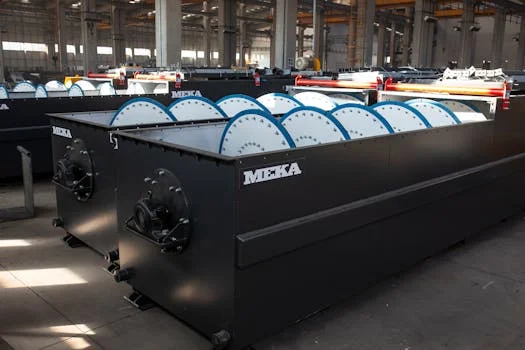
The following HydropureWater products are engineered for the wastewater challenges discussed above:
- HydropureWater’s plate-and-frame filter presses for Mongolia’s industrial sludge — view specifications, capacity range, and technical data
Need a customized solution? Request a free quote with your specific flow rate and pollutant parameters.