Why Hospital Wastewater Treatment in Makati Requires Specialized Systems
Hospitals in Makati must treat wastewater to meet DENR Administrative Order 2016-08 (effluent standards: BOD ≤ 50 mg/L, COD ≤ 250 mg/L, TSS ≤ 70 mg/L) and Makati City Ordinance No. 2019-001 (mandatory STP installation for healthcare facilities). Typical systems include MBR (99% pathogen removal) or chlorine dioxide disinfection (99.9% kill rate), with costs ranging from ₱2.5M for a 10 m³/day compact unit to ₱15M+ for a 100 m³/day fully automated plant. Local suppliers like Philippine Hospital Project Development Corporation offer turnkey solutions, but compliance audits are required annually.
Hospital wastewater is characterized by a complex matrix of pharmaceutical residues, multi-drug resistant pathogens, and high organic loads that often exceed domestic sewage concentrations by 300%. While standard residential sewage typically exhibits a Biochemical Oxygen Demand (BOD) of 200–300 mg/L, healthcare effluent in Makati frequently reaches 500–1,500 mg/L due to laboratory reagents, patient excreta, and laundry chemicals. Failure to address these specific contaminants results in rapid failure of generic Sewage Treatment Plants (STPs), which are not designed to handle the antimicrobial properties of hospital waste that can inhibit biological treatment processes.
Makati Medical Centre’s 2024 waste diversion data shows a significant focus on solid waste (63,574 kg repurposed), yet liquid waste management remains the primary regulatory bottleneck for facility managers. Under Makati City Ordinance No. 2019-001, healthcare facilities are mandated to operate dedicated treatment systems; failure to do so risks administrative fines ranging from ₱50,000 to ₱200,000 per violation. the presence of antibiotics and hormones in the effluent necessitates tertiary treatment stages to prevent the development of "superbugs" in the local aquatic ecosystem.
A typical 200-bed hospital in the Makati Central Business District generates approximately 50–80 m³/day of wastewater. Without specialized compact, fully automated hospital wastewater treatment systems, the effluent likely exceeds the Department of Environment and Natural Resources (DENR) limits for fecal coliform and specific heavy metals. For facilities located near the Pasig River or within the Laguna Lake Development Authority (LLDA) jurisdiction, non-compliance can lead to immediate permit revocation and facility closure orders.
Makati’s Hospital Wastewater Compliance: Regulations and Effluent Standards
The DENR Administrative Order (DAO) 2016-08 serves as the primary technical benchmark for all hospital effluent discharging into Makati’s drainage systems or water bodies. Unlike general commercial buildings, healthcare facilities are categorized as high-risk generators, requiring more frequent monitoring and stricter adherence to pathogen kill rates. Compliance is not merely a national requirement; the Makati City Government conducts annual audits through its environmental department to ensure that every healthcare provider—from small clinics to major medical centers—operates a functional STP.
| Parameter | Hospital Effluent Limit (DAO 2016-08) | Standard Domestic Sewage Limit | Makati City Monitoring Frequency |
|---|---|---|---|
| BOD (mg/L) | ≤ 50 | ≤ 100 | Quarterly / Annual Audit |
| COD (mg/L) | ≤ 250 | ≤ 300 | Quarterly |
| TSS (mg/L) | ≤ 70 | ≤ 100 | Quarterly |
| Fecal Coliform (MPN/100mL) | ≤ 1,000 | ≤ 10,000 | Monthly (Self-Monitoring) |
| Oil & Grease (mg/L) | ≤ 5 | ≤ 10 | Quarterly |
Hospitals discharging into the Makati drainage network eventually impact the Laguna Lake basin, placing them under the oversight of the Laguna Lake Development Authority (LLDA). Obtaining an LLDA Discharge Permit is mandatory, and penalties for discharging untreated or substandard water can reach ₱100,000 per day of violation. This regulatory pressure makes healthcare-grade wastewater systems for high-risk facilities a critical infrastructure investment rather than an optional utility.
Disinfection standards are particularly stringent for Makati hospitals. Per the WHO Guidelines for Safe Use of Wastewater (2023) and local health ordinances, effluent must maintain a chlorine residual of at least 1 mg/L if using traditional chlorination. However, many modern facilities are transitioning to alternative methods like UV or ozone to avoid the formation of trihalomethanes (THMs). A 99.9% pathogen kill rate is the minimum engineering requirement for any system seeking permit renewal in 2025. This ensures that even in the event of an outbreak, the hospital’s liquid waste does not become a vector for community transmission.
Engineering Specifications for Hospital Wastewater Treatment Systems
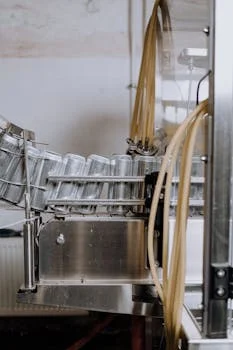
Hospital wastewater treatment engineering in the Philippines has shifted toward Membrane Bioreactor (MBR) technology due to its ability to produce effluent that meets "Class A" water quality standards in a compact footprint. In Makati, where real estate is at a premium, the ability to integrate a high-efficiency system into a basement or parking level is essential. MBR systems combine biological treatment with membrane filtration, effectively replacing the need for secondary clarifiers and sand filters while providing a physical barrier against bacteria and viruses.
| Technology Type | BOD Removal Efficiency | TSS Removal Efficiency | Space Requirement | Primary Benefit |
|---|---|---|---|---|
| MBR (Membrane Bioreactor) | 99% | 98%+ | Low (Compact) | Near-reuse quality water |
| DAF (Dissolved Air Flotation) | 40-60% | 70-85% | Medium | Excellent for FOG and TSS |
| Conventional Activated Sludge | 85-90% | 80-85% | High | Lower CAPEX for large sites |
| Moving Bed Bio-Film (MBBR) | 90-95% | 85% | Medium | Resilient to shock loads |
Disinfection is the final and most critical barrier in the treatment chain. Utilizing a chlorine dioxide generator for hospital wastewater disinfection is increasingly preferred over liquid bleach. Chlorine dioxide (ClO₂) provides a 99.9% kill rate against spores and viruses that are often resistant to standard chlorination, and it does not produce the same level of toxic byproducts. For smaller clinics, HydropureWater’s generators offer a scalable output of 50–20,000 g/h, allowing for precise dosing based on real-time flow rates.
Sizing a system for a Makati healthcare facility requires a formulaic approach to peak loads. Engineering standards typically suggest a flow rate of 0.5–1.5 m³/bed/day, depending on the presence of laundry and dietary services. For example, a 300-bed hospital should be equipped with a system capable of handling 150–450 m³/day. It is also necessary to factor in a peaking factor of 2.0 to 2.5 for emergency departments to prevent system overflows during high-intake periods. An MBR system for near-reuse-quality hospital effluent is often the most viable solution for these high-volume, high-variability environments.
Sludge management is the final technical consideration. Hospitals generate approximately 0.3–0.5 kg of dry sludge per cubic meter of treated wastewater. Due to the potential presence of pathogens and pharmaceuticals, this sludge must be dewatered—typically using a plate-and-frame filter press or a screw press—and disposed of through DENR-accredited hazardous waste haulers. Integrating dewatering equipment on-site can reduce the volume of waste by up to 80%, significantly lowering long-term hauling costs.
Cost Breakdown: Hospital Wastewater Treatment Systems in Makati
Capital expenditure (CAPEX) for a hospital STP in Makati is determined by the required flow rate and the level of automation desired for compliance monitoring. For a small clinic or a 10-bed facility requiring a 10 m³/day system, a compact, semi-automated unit starts at approximately ₱2.5M. In contrast, large tertiary hospitals requiring 100 m³/day or more often invest ₱10M to ₱15M for fully automated plants that include remote monitoring and integrated sludge dewatering. These figures are consistent with hospital wastewater treatment standards in Southeast Asia, where urban land constraints drive up the cost of compact technology.
| System Capacity (m³/day) | Estimated CAPEX (PHP) | Monthly OPEX (PHP) | Primary Components Included |
|---|---|---|---|
| 10 (Small Clinic) | ₱2.5M – ₱4M | ₱15K – ₱30K | Primary tank, Disinfection, Basic Control |
| 50 (Mid-size Hospital) | ₱6M – ₱9M | ₱75K – ₱120K | MBR/MBBR, ClO2 Gen, Sludge Dewatering |
| 100+ (Tertiary Hospital) | ₱12M – ₱20M+ | ₱150K – ₱300K | Full Automation, RO (optional), 24/7 Monitoring |
Operational expenditure (OPEX) generally ranges from ₱5 to ₱15 per cubic meter of treated water. This includes electricity for aerators and pumps, chemical dosing (coagulants, disinfectants), and routine maintenance. For a 50 m³/day system, facility managers should budget between ₱75,000 and ₱225,000 per month. While these costs appear high, they are significantly lower than the potential fines and legal fees associated with non-compliance. modern systems allow for water reuse in cooling towers or irrigation, which can offset municipal water bills by up to 30%.
The Return on Investment (ROI) for a high-quality STP in Makati is typically realized within 5 to 7 years. This calculation factors in the avoidance of Makati City Ordinance No. 2019-001 fines (which can exceed ₱1M annually for chronic violators) and the reduction in fresh water consumption. When compared to global hospital wastewater treatment compliance benchmarks, Makati’s regulatory environment is aggressive, making the "cost of doing nothing" the most expensive option for healthcare administrators.
Local Suppliers and Turnkey Solutions for Hospital STPs in Makati
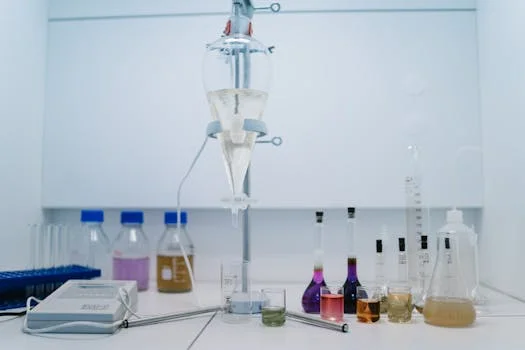
Selecting a supplier for a Makati hospital requires a partner that understands the specific logistical challenges of the city, such as restricted delivery windows for heavy equipment and strict noise ordinances during construction. Turnkey providers like the Philippine Hospital Project Development Corporation focus on large-scale hospital planning and can manage the entire process from design to DENR permitting. However, for specialized equipment or compact upgrades, manufacturers like HydropureWater provide automated modules that can be integrated into existing facility footprints with minimal disruption to hospital operations.
When evaluating local providers, facility managers should utilize a structured decision framework to ensure long-term system viability. It is vital to distinguish between a general plumbing contractor and a specialized environmental engineering firm. The following five questions should serve as the baseline for vendor selection:
- Compliance Guarantee: Does the supplier provide a written guarantee that the effluent will meet DAO 2016-08 standards for at least three years?
- After-Sales Support: What is the guaranteed response time for emergency mechanical failures (e.g., blower or pump failure)?
- Permit Assistance: Does the contract include the processing of LLDA Discharge Permits and Makati City STP permits?
- Automation Level: Can the system be monitored remotely, and does it include automatic shut-offs in case of effluent parameter deviation?
- Reference Sites: Can the supplier provide data from at least three other healthcare facilities in the Philippines using the same technology?
Smaller clinics and diagnostic centers in Makati often benefit more from modular, compact, fully automated hospital wastewater treatment systems. These units are pre-engineered and factory-tested, reducing on-site installation time from months to weeks. This is particularly advantageous for facilities located in high-traffic areas like Legazpi Village or Salcedo Village, where prolonged construction projects are difficult to manage.
Checklist: Selecting a Hospital Wastewater Treatment System for Makati
To ensure a successful STP implementation that satisfies both DENR and Makati City inspectors, facility managers should follow this actionable checklist during the procurement and design phase:
- Regulatory Verification: Confirm that the system design accounts for both national DAO 2016-08 standards and the specific requirements of Makati City Ordinance No. 2019-001.
- Permit Readiness: Ensure all necessary permits (LLDA Discharge Permit, Makati City STP Permit, DENR Permit to Operate) are included in the project scope.
- Sizing Accuracy: Calculate flow based on bed count (Bed Count × 1.2 m³/bed) and include a 2x peak flow buffer for emergency departments.
- Disinfection Choice: Select a method that balances safety and efficacy. Chlorine dioxide is recommended for high-pathogen loads, while UV is suitable for facilities with low-turbidity effluent.
- Maintenance Access: Verify that the layout allows for easy removal of pumps, membranes, or filters without requiring major structural changes.
- Budgeting: Allocate ₱2.5M–₱15M for CAPEX and ₱5–₱15/m³ for OPEX, ensuring a separate line item for annual third-party lab testing (₱50K–₱150K/year).
- Warranty and Support: Secure a minimum 1-year equipment warranty and a 48-hour service response time agreement.
Frequently Asked Questions

What are the penalties for non-compliance with Makati’s hospital wastewater regulations?
Under Makati City Ordinance No. 2019-001, fines range from ₱50,000 to ₱200,000 per violation. Additionally, the LLDA can impose daily fines of up to ₱100,000 for discharging substandard effluent into the water basin, which may eventually lead to a Cease and Desist Order (CDO).
How much does a hospital wastewater treatment system cost in Makati?
Compact systems for clinics (10 m³/day) typically start at ₱2.5M. For larger tertiary hospitals (100 m³/day), fully automated systems range from ₱10M to ₱15M+. Operational costs are generally between ₱5 and ₱15 per cubic meter of treated water.
What disinfection method is best for hospital wastewater?
Chlorine dioxide (ClO₂) is highly recommended for hospitals because it achieves a 99.9% kill rate against resistant pathogens without producing harmful disinfection byproducts. UV is an excellent chemical-free alternative but requires high energy and clear effluent to be effective.
Do I need a permit to install an STP in Makati?
Yes. Healthcare facilities must obtain a Makati City STP permit and a DENR Permit to Operate (PTO). If the facility discharges into a body of water or the general drainage system that leads to Laguna Lake, an LLDA Discharge Permit is also required.
Can hospital wastewater be reused in Makati?
Yes, hospital effluent can be reused for non-potable applications such as landscape irrigation, toilet flushing, or cooling tower make-up water. However, this requires tertiary treatment (like MBR or Reverse Osmosis) and additional permits from the DENR and the Department of Health (DOH).