Hospital wastewater treatment in Algiers requires systems capable of handling 0.7–1.22 kg/bed/day of healthcare waste (16% of total waste) while meeting Algerian discharge standards aligned with WHO and EU directives. Typical influent parameters include COD 500–1,200 mg/L, BOD 200–600 mg/L, and pathogen loads up to 10^6 CFU/mL. Local regulations mandate tertiary treatment with disinfection (chlorine dioxide or UV) to achieve <10 CFU/100mL fecal coliforms, <30 mg/L BOD, and <125 mg/L COD. MBR systems dominate new installations for their compact footprint and 99.9% pathogen removal, while DAF units are preferred for high-FOG effluents from hospital kitchens and laundries.
Algiers Hospital Wastewater: Characteristics, Risks, and Local Challenges
Hospital wastewater in Algiers exhibits higher concentrations of pollutants than standard municipal sewage, with influent Chemical Oxygen Demand (COD) typically ranging from 500 to 1,200 mg/L. This concentrated effluent is a direct result of specialized medical activities, including radiology, laboratory testing, and the intensive use of disinfectants. Standard municipal treatment systems often fail to neutralize these loads, leading to the discharge of untreated pharmaceutical residues and multi-drug-resistant pathogens into the local environment.
Microbiological characterization of coastal hospital effluent in Algeria reveals high pathogen loads, with fecal coliforms reaching 10^4 to 10^6 CFU/mL and E. coli levels between 10^3 and 10^5 CFU/mL. These concentrations pose a severe risk to public health, particularly in Algiers where coastal discharge is common. Studies in nearby Annaba have shown that antibiotic resistance genes are four times higher in waterways downstream of hospital discharge points compared to upstream samples (Top 3 data). physicochemical properties are heavily influenced by seasonal temperature fluctuations in Algiers, which range from 12°C in winter to 28°C in summer, significantly altering the kinetics of biological treatment processes.
| Parameter | Influent Range (Algiers) | Municipal Average | Impact Factor |
|---|---|---|---|
| COD (mg/L) | 500 – 1,200 | 250 – 450 | High chemical load from labs/cleaning |
| BOD₅ (mg/L) | 200 – 600 | 150 – 300 | High organic matter from wards/kitchens |
| TSS (mg/L) | 200 – 400 | 100 – 250 | Suspended solids from laundry/medical waste |
| FOG (mg/L) | 50 – 150 | 20 – 40 | High kitchen and laundry grease content |
| Fecal Coliforms (CFU/mL) | 10^4 – 10^6 | 10^2 – 10^3 | Severe pathogen risk; requires tertiary treatment |
The Oran study, which mirrors conditions in Algiers, indicates that approximately 30% of hospital effluent enters the Mediterranean without adequate treatment. This has led to increased regulatory pressure on hospital facility managers to install localized Sewage Treatment Plants (STPs) that can handle the specific chemical and biological profile of medical wastewater.
Algerian Regulatory Standards for Hospital Wastewater Discharge in 2025
The Algerian Ministry of Health Directive 2023/14 mandates that all healthcare facilities with more than 50 beds must implement tertiary wastewater treatment systems by 2026. This directive aligns local standards with World Health Organization (WHO) and European Union (EU) discharge limits to mitigate the environmental impact on the Mediterranean coastline and groundwater reserves. Compliance is no longer optional, as the Ministry of Environment has intensified site inspections across the Algiers province.
Current discharge limits for Algiers hospitals are stringent, particularly for facilities located within 5 km of the coast. These regulations require fecal coliform levels to be below 10 CFU/100mL and Biochemical Oxygen Demand (BOD) to remain under 30 mg/L. Monitoring requirements have also been updated; facilities must now conduct weekly sampling for pathogens and monthly comprehensive testing for COD, BOD, and Total Suspended Solids (TSS). Reporting protocols require these results to be submitted to the National Wastewater Office (ONA) electronically.
| Parameter | Discharge Limit (2025) | Monitoring Frequency | Compliance Target |
|---|---|---|---|
| COD (Chemical Oxygen Demand) | < 125 mg/L | Monthly | 90% Reduction |
| BOD₅ (Biochemical Oxygen Demand) | < 30 mg/L | Monthly | 95% Reduction |
| TSS (Total Suspended Solids) | < 35 mg/L | Monthly | 90% Removal |
| NH₃-N (Ammonia Nitrogen) | < 10 mg/L | Monthly | Nitrification required |
| Fecal Coliforms | < 10 CFU/100mL | Weekly | 99.99% Disinfection |
| Residual Chlorine (if used) | 0.5 – 1.0 mg/L | Daily | Safe discharge level |
Non-compliance carries heavy penalties, including fines up to 5,000,000 DZD and potential facility closure for repeat violations. For facility managers, understanding how other MENA hospitals solve similar compliance challenges can provide a roadmap for navigating these strict Algerian mandates while optimizing budget allocation.
Treatment Process Comparison: MBR vs. DAF vs. Chlorine Dioxide for Algiers Hospitals
Membrane Bioreactor (MBR) technology has become the engineering standard for Algiers hospitals due to its ability to provide 99.9% pathogen removal within a compact footprint. By combining biological treatment with 0.1 μm microfiltration, compact MBR systems for hospital wastewater eliminate the need for secondary clarifiers, reducing the total installation space by approximately 60% compared to conventional activated sludge systems. This is critical for urban Algiers hospitals where land value is high and expansion space is limited.
Dissolved Air Flotation (DAF) units are essential pre-treatment components for hospitals with large commercial kitchens or laundry facilities. DAF technology utilizes microbubbles to remove 90–95% of Fats, Oils, and Grease (FOG) and 70–80% of TSS before the effluent reaches the biological stage. Without DAF pre-treatment, high grease loads can foul MBR membranes or inhibit aerobic bacteria, leading to system failure and costly downtime. For disinfection, on-site chlorine dioxide generators for hospital effluent disinfection offer superior performance over traditional liquid bleach, providing a 99.99% kill rate for viruses and bacteria while maintaining a residual effect that prevents re-growth in the discharge piping.
| Technology | Primary Benefit | Removal Efficiency (COD) | Energy Use (kWh/m³) | Footprint |
|---|---|---|---|---|
| MBR | Total pathogen/solids removal | 90% – 95% | 0.8 – 1.2 | Very Compact |
| DAF | FOG and grease removal | 20% – 30% (primary) | 0.3 – 0.5 | Medium |
| ClO₂ Generator | High-level disinfection | 5% – 10% | 0.1 – 0.2 | Small |
| Activated Sludge | Lower CAPEX | 80% – 85% | 0.4 – 0.6 | Large |
The choice between these technologies depends on the specific effluent profile. MBR is ideal for meeting the <10 CFU pathogen limit, while DAF is necessary if influent FOG exceeds 50 mg/L. Chlorine dioxide generators are often integrated as a final polishing step to ensure compliance with Ministry of Health microbiological standards. Many engineers looking for high-performance solutions also review global best practices for hospital effluent management to adapt international efficiency benchmarks to the Algiers climate.
Equipment Selection Framework for Algiers Hospitals: A 5-Step Decision Tree
Selecting the right wastewater treatment equipment in Algiers requires a structured engineering approach to ensure long-term compliance and operational viability. Procurement officers often make the mistake of selecting systems based solely on capital cost, ignoring the long-term operational expenses and the specific chemical complexity of hospital effluent.
- Step 1: Profile Your Effluent: Conduct a 24-hour composite sampling of your raw sewage. You must measure COD, BOD, TSS, FOG, and specific pathogens (E. coli and Enterococci). In Algiers, ensure sampling accounts for the high use of quaternary ammonium compounds and other disinfectants used in ward sterilization.
- Step 2: Match Technology to Effluent: If FOG levels are >50 mg/L, a DAF unit is mandatory for pre-treatment. If the hospital is located near a coastal zone with strict <10 CFU/100mL limits, an MBR system is the most reliable choice for consistent compliance.
- Step 3: Size the System: Calculate the average daily flow based on a benchmark of 0.5 to 0.8 m³ per bed per day. For a 200-bed hospital, design for a minimum capacity of 160 m³/day to handle peak diurnal loads, which typically occur between 08:00 and 11:00 during ward cleaning and laundry cycles.
- Step 4: Evaluate Local Vendors: Prioritize suppliers with a presence in Algiers who can offer 24/7 service contracts and maintain a local stock of spare parts (membranes, sensors, dosing pumps). Verify that the equipment is tropicalized to handle Algiers' summer temperatures (up to 40°C ambient).
- Step 5: Validate Compliance: Use a simulation template to ensure the selected system can achieve <125 mg/L COD and <10 CFU pathogens even during peak loads. Request performance guarantees from the vendor that specifically reference the Ministry of Health Directive 2023/14.
| Hospital Size (Beds) | Design Flow (m³/day) | Recommended Primary Tech | Disinfection Method |
|---|---|---|---|
| 50 – 100 | 40 – 80 | Integrated MBR | UV Sterilization |
| 101 – 300 | 80 – 240 | MBR + DAF (if needed) | Chlorine Dioxide |
| 300+ | 240+ | Multi-train MBR | Chlorine Dioxide + UV |
Cost Benchmarks for Hospital Wastewater Treatment Systems in Algiers (2025)
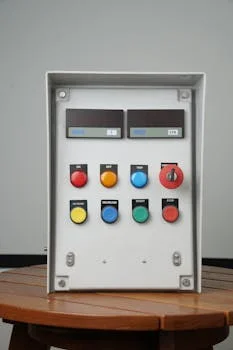
Budgeting for a hospital wastewater treatment plant in Algiers involves balancing initial Capital Expenditure (CAPEX) with long-term Operational Expenditure (OPEX). In the current 2025 market, MBR systems command a premium due to their advanced filtration capabilities, typically costing between $1,200 and $1,800 per m³ of daily capacity. However, the smaller footprint often results in significant savings on civil engineering and land preparation costs.
Operational costs are driven primarily by energy consumption and chemical dosing. MBR systems consume 0.8–1.2 kWh per m³ treated, while DAF units are more energy-efficient at 0.3–0.5 kWh/m³. In Algiers, facility managers must also account for a 20% cost premium for equipment intended for coastal locations to cover specialized corrosion-resistant coatings and stainless steel (SS316) components. Conversely, bulk orders for provincial hospital groups can often secure a 15% discount from major vendors.
| System Type | CAPEX ($/m³/day) | OPEX ($/m³) | Expected ROI (Years) |
|---|---|---|---|
| MBR (Integrated) | $1,200 – $1,800 | $0.30 – $0.50 | 3.5 – 4.5 |
| DAF (Pre-treatment) | $800 – $1,200 | $0.15 – $0.30 | 5.0 – 6.0 |
| ClO₂ Generator | $500 – $900 | $0.10 – $0.20 | 2.0 – 3.0 |
For a standard 200-bed hospital in Algiers (treating 150 m³/day), an MBR installation typically requires a CAPEX of approximately $225,000. The Return on Investment (ROI) is realized through the avoidance of environmental fines (up to 5M DZD) and the potential for treated water reuse in non-potable applications such as landscape irrigation, which is increasingly encouraged by the Ministry of Agriculture. Financing options, including government grants for compliance upgrades, are currently available through Ministry of Health modernization programs.
Frequently Asked Questions
What is the difference between hospital wastewater and municipal wastewater in Algiers? Hospital wastewater contains significantly higher loads of pathogens (up to 10^6 CFU/mL), pharmaceutical residues (antibiotics, analgesics), and chemical disinfectants. It also has a higher FOG content from hospital kitchens compared to standard residential sewage.
How does temperature affect hospital wastewater treatment in Algiers? Algiers experiences seasonal temperature swings from 12°C to 28°C. Lower winter temperatures slow down the biological activity in MBR and activated sludge systems, requiring longer retention times or larger tank volumes to maintain compliance.
What are the most common compliance violations in Algiers hospitals? The top three violations reported by the ONA include exceeding fecal coliform limits, unauthorized discharge of high-FOG kitchen waste into the municipal sewer, and failure to meet COD limits due to inadequate pre-treatment of laboratory chemicals.
Can existing municipal STPs handle hospital wastewater? Generally, no. Conventional municipal STPs are not designed to remove pharmaceutical residues or the high concentration of antibiotic-resistant bacteria found in hospital effluent. Pre-treatment at the source is required by Algerian law.
What disinfection method is best for Algiers hospitals? Chlorine dioxide is highly recommended for Algiers hospitals because it is more effective than chlorine at varying pH levels, has a strong residual effect for long discharge lines, and is more cost-effective than ozone for medium-sized facilities.