Taiwan’s sludge dewatering equipment market in 2025 is dominated by screw presses (e.g., clog-free multi-disc models) and patented disc-type machines, with solids capture rates of 90–98% for biological sludge. Local suppliers offer CE-certified systems starting at $30,000 for 10 m³/h units, while larger municipal projects (100+ m³/h) require $150,000–$300,000 investments. Taiwan’s EPA mandates <80% moisture content for landfilled sludge, driving demand for high-efficiency dewatering. This guide compares specs, costs, and compliance data to help buyers select the right equipment for their project.
Why Taiwan’s Sludge Dewatering Market Demands High-Efficiency Equipment
Taiwan’s environmental regulations, specifically mandating sludge moisture content below 80% for landfill disposal, directly increase operational costs for industries and municipalities, making high-efficiency dewatering equipment essential. The Taiwan Environmental Protection Administration (EPA) updated these regulations in 2023, further tightening requirements to <60% moisture for incineration, intensifying the pressure on facilities to optimize sludge volume reduction. These stringent rules directly impact the bottom line, as average sludge disposal costs in Taiwan range from $80–$120/ton for landfill and $150–$200/ton for incineration, based on 2025 data from the Taiwan EPA.
Industrial sectors face unique sludge challenges that necessitate specialized dewatering solutions. Semiconductor plants, for instance, often produce low-solids, high-toxicity sludge requiring precise and effective dewatering to minimize hazardous waste volume. Food processing facilities grapple with grease-rich sludge that can clog conventional equipment, demanding robust and clog-free designs. Municipal wastewater treatment plants (WWTPs), conversely, handle high-volume sludge with significant seasonal variability, necessitating scalable and adaptable systems. For example, a 50 m³/h food processing plant in Taichung reported a 40% reduction in disposal costs after implementing an optimized screw press system, according to a 2024 case study.
Sludge Dewatering Equipment Types: How They Work and When to Use Them
Three primary types of sludge dewatering equipment – screw presses, belt presses, and centrifuges – address distinct industrial and municipal wastewater treatment challenges in Taiwan. Each technology utilizes different physical principles to separate solids from liquids, making them suitable for specific sludge characteristics and throughput requirements.
Screw Press: This equipment type, exemplified by clog-free multi-disc models, operates on a continuous dewatering principle. Sludge is fed into a cylindrical chamber where a rotating screw compresses it against a series of fixed and moving rings. Water drains through the gaps between the rings, while the compressed sludge (cake) is discharged. Screw presses are highly effective for biological sludge and grease-rich sludge, achieving solids capture rates of 90–98%. Their capacity typically ranges from 5–50 m³/h. Taiwanese manufacturers have innovated with patented disc designs, some even integrating heat pump technology for enhanced energy efficiency, making them a preferred choice for many industrial applications. For more robust dewatering needs, consider a high-efficiency plate and frame filter press for industrial sludge.
Belt Press: Belt presses utilize gravity and mechanical pressure to dewater sludge. Sludge is fed onto a permeable belt, allowing free water to drain by gravity. It then passes through a series of rollers that apply increasing pressure, squeezing out more water. Belt presses are well-suited for high-volume municipal sludge, with capacities often exceeding 100 m³/h and solids capture rates ranging from 85–95%. However, they require frequent belt replacement, typically every 1,500–2,000 operating hours, leading to higher maintenance costs compared to screw presses.
Centrifuge: Centrifuges employ high-speed rotational force to separate solids from liquids. Sludge is fed into a rapidly spinning bowl, where centrifugal force pushes denser solids to the perimeter, while lighter liquid (centrate) overflows. This method delivers high solids capture rates, often exceeding 95%, making it ideal for difficult-to-dewater oily sludge, such as that found in petrochemical facilities. However, centrifuges are energy-intensive, consuming 1.5–3 kWh/m³, which, given Taiwan’s electricity costs, makes them less common for general municipal or biological sludge applications; few installations are noted in Taiwan. The integration of MBR systems for low-solids sludge pre-treatment can sometimes reduce the dewatering load for subsequent equipment.
Emerging Technologies: Beyond these traditional methods, advancements like spherical aeration diffusers are being used for pre-thickening, which can reduce the dewatering load on primary equipment by up to 30%, optimizing overall system efficiency.
| Equipment Type | Mechanism | Best For | Solids Capture Rate | Typical Capacity (m³/h) | Key Consideration |
|---|---|---|---|---|---|
| Screw Press | Spiral compression against discs | Biological, grease-rich sludge | 90–98% | 5–50 | Clog-free, low maintenance |
| Belt Press | Gravity drainage, pressure rollers | High-volume municipal sludge | 85–95% | 100+ | Frequent belt replacement |
| Centrifuge | High-speed centrifugal force | Oily, fine-particle sludge | 95%+ | 10–100 | High energy consumption |
Technical Specifications: Comparing Taiwan’s Top Sludge Dewatering Machines

Evaluating sludge dewatering equipment in Taiwan requires a precise comparison of technical specifications, as performance metrics directly impact operational efficiency and compliance. Understanding these parameters is crucial for selecting a system that aligns with project requirements and long-term sustainability goals.
Throughput Capacity: This metric defines the volume of sludge the equipment can process per hour. Screw presses typically handle 5–50 m³/h, making them suitable for small to medium-sized industrial plants. Belt presses are designed for higher volumes, ranging from 50–200 m³/h, ideal for municipal wastewater treatment plants. Centrifuges offer a capacity of 10–100 m³/h, often chosen for specialized industrial applications with difficult-to-dewater sludge.
Solids Capture Rate: This critical parameter indicates the percentage of suspended solids removed from the sludge, directly affecting the quality of the discharged filtrate (centrate/filtrate) and the dryness of the dewatered cake. Screw presses, particularly advanced disc-type machines, achieve 90–98% solids capture for biological sludge. Belt presses typically offer 85–95% for municipal sludge. Centrifuges excel in solids capture, often exceeding 95% for oily sludge, but at a higher operational cost.
Energy Consumption: Operational costs are heavily influenced by energy use. Screw presses are relatively energy-efficient, consuming 0.3–0.8 kWh/m³. Belt presses require slightly more, at 0.5–1.2 kWh/m³. Centrifuges are the most energy-intensive, with consumption ranging from 1.5–3 kWh/m³, a significant factor in Taiwan's energy market.
Footprint: Space optimization is often a key consideration for Taiwanese facilities. Screw presses are compact, requiring only 2–5 m². Centrifuges occupy a moderate footprint of 5–10 m². Belt presses, especially those with multiple stages, demand a larger area, typically 10–20 m².
Maintenance Requirements: Maintenance frequency and complexity directly impact OPEX and downtime. Screw presses are known for low maintenance, requiring servicing every 500–1,000 operating hours. Belt presses have higher maintenance needs due to frequent belt replacement (every 1,500–2,000 hours). Centrifuges fall in the medium range, with bearing replacement typically needed every 3,000 operating hours.
Taiwan-Specific Certifications: Equipment evaluated for the Taiwanese market should possess relevant certifications, including CE marking for European safety standards (often recognized locally), ISO 14001 for environmental management, and demonstrated compliance with Taiwan EPA standards for sludge cake moisture and filtrate quality. Many locally manufactured disc-type machines carry these essential certifications.
| Specification | Screw Press | Belt Press | Centrifuge |
|---|---|---|---|
| Throughput (m³/h) | 5–50 | 50–200+ | 10–100 |
| Solids Capture Rate | 90–98% | 85–95% | 95%+ |
| Energy Consumption (kWh/m³) | 0.3–0.8 | 0.5–1.2 | 1.5–3.0 |
| Footprint (m²) | 2–5 | 10–20 | 5–10 |
| Maintenance Frequency | Low (500–1,000 hrs) | High (belt replacement 1,500–2,000 hrs) | Medium (bearing replacement 3,000 hrs) |
| Typical Sludge Type | Biological, Grease | Municipal, High Volume | Oily, Fine Particle |
Cost Benchmarks: CAPEX, OPEX, and Payback Periods for Taiwan Projects
Strategic investment in sludge dewatering equipment in Taiwan requires a thorough understanding of both Capital Expenditure (CAPEX) and Operational Expenditure (OPEX), alongside a clear calculation of payback periods. These financial benchmarks, informed by Taiwan-specific labor, energy, and disposal costs, are essential for justifying purchases and securing project funding.
Capital Expenditure (CAPEX):
- Screw Press: For units with capacities ranging from 10–50 m³/h, CAPEX typically falls between $30,000–$100,000.
- Belt Press: Systems designed for 50–200 m³/h municipal applications usually cost $80,000–$200,000.
- Centrifuge: High-speed centrifuges with capacities of 10–100 m³/h represent a higher initial investment, ranging from $100,000–$250,000.
Operational Expenditure (OPEX): OPEX encompasses ongoing costs such as energy, labor, and maintenance, which vary significantly by equipment type and local conditions in Taiwan.
- Energy: Ranging from $0.10–$0.30/m³ of dewatered sludge, heavily dependent on equipment efficiency and local electricity rates.
- Labor: With average labor costs in Taiwan at $5–$15/hour, the automation level of the equipment plays a crucial role. Screw presses often require less operator intervention than belt presses.
- Maintenance: Annual maintenance costs typically range from $2,000–$10,000, influenced by equipment complexity and the need for consumables like belts or spare parts.
Disposal Cost Savings: The primary financial benefit of effective sludge dewatering is the significant reduction in disposal volumes and associated costs. By reducing sludge moisture content from, for example, 90% to 20%, facilities can achieve disposal cost savings of $50–$100 per ton. This reduction is critical given Taiwan’s average disposal rates.
Payback Period: The return on investment (ROI) for dewatering equipment is often realized through disposal cost savings. Payback periods vary:
- Screw Presses: In food processing plants, where sludge volumes are moderate but disposal costs for grease-rich sludge are high, payback periods can be as short as 1.5–3 years.
- Belt Presses: For municipal WWTPs handling large volumes, payback periods typically range from 3–5 years, driven by substantial volume reduction.
A notable case study involves a 30 m³/h semiconductor plant in Hsinchu that implemented a high-efficiency screw press, leading to an annual reduction in disposal costs of $250,000 (2024 data). This demonstrates the substantial financial benefits of investing in appropriate dewatering technology.
| Cost Category | Screw Press | Belt Press | Centrifuge |
|---|---|---|---|
| CAPEX (USD) | $30,000–$100,000 (10–50 m³/h) | $80,000–$200,000 (50–200 m³/h) | $100,000–$250,000 (10–100 m³/h) |
| OPEX - Energy (USD/m³) | $0.10–$0.20 | $0.15–$0.25 | $0.25–$0.30 |
| OPEX - Labor (USD/hour) | $5–$10 (lower automation) | $8–$15 (higher supervision) | $7–$12 (moderate automation) |
| OPEX - Maintenance (USD/year) | $2,000–$5,000 | $4,000–$10,000 | $3,000–$8,000 |
| Disposal Cost Savings (USD/ton) | $50–$100 | $50–$100 | $50–$100 |
| Typical Payback Period | 1.5–3 years | 3–5 years | 3–6 years |
Taiwan’s Regulatory Landscape: Compliance and Discharge Standards
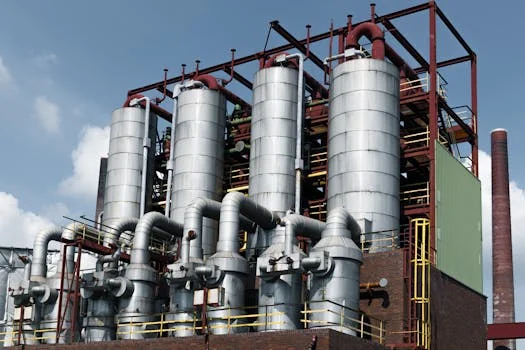
Compliance with Taiwan’s evolving environmental regulations is paramount for any industrial or municipal entity generating sludge, directly influencing equipment selection and operational viability. The Taiwan EPA sets strict guidelines to manage sludge disposal and wastewater discharge, with continuous updates to enhance environmental protection.
Taiwan EPA Sludge Disposal Limits: As of 2023 updates, the Taiwan EPA mandates that sludge destined for landfill must have a moisture content of less than 80%. For sludge intended for incineration, the requirement is even stricter, demanding a moisture content below 60%. These limits directly drive the need for high-efficiency dewatering equipment capable of achieving significant dryness. the EPA has set a 2026 target for all landfilled sludge to achieve a moisture content of less than 70%, indicating a future trend towards even higher dewatering performance requirements.
Industrial Discharge Standards: Beyond sludge cake quality, the treated wastewater (filtrate or centrate) from dewatering processes must meet specific industrial discharge standards before being released or further treated. For semiconductor plants, the total suspended solids (TSS) in discharged water must be less than 30 mg/L, reflecting the sensitivity of their processes and the toxicity of their waste. Food processing plants, per Taiwan EPA 2025 guidelines, typically face a less stringent but still critical limit of <100 mg/L TSS. Equipment choice directly impacts these parameters, as higher solids capture rates lead to cleaner filtrate.
Permitting and Approval: The installation and operation of sludge dewatering equipment, particularly for municipal wastewater treatment plants, require pre-approval from local government authorities. For example, the Taipei City Government maintains a 2024 vendor list for approved sludge treatment equipment, underscoring the importance of selecting suppliers with established local credentials and regulatory adherence. Industrial facilities must also ensure their equipment and processes comply with their specific industrial wastewater discharge permits.
Supplier Decision Framework: How to Choose the Right Equipment for Your Project
Selecting the optimal sludge dewatering equipment for a project in Taiwan demands a systematic, data-driven approach that integrates technical performance with local regulatory compliance and long-term cost-effectiveness. This framework helps industrial and municipal buyers navigate the complexities of the market.
Step 1: Define Sludge Type and Throughput. Begin by precisely characterizing your sludge. Is it biological, grease-rich, or industrial (e.g., semiconductor, petrochemical)? Determine its solids content, viscosity, and any toxic components. Simultaneously, establish your required throughput in cubic meters per hour (m³/h). A 10 m³/h biological sludge stream requires a different solution than a 150 m³/h municipal flow.
Step 2: Match Equipment Type to Sludge Characteristics. Based on your sludge type, identify the most suitable dewatering technology. For example, screw presses are generally optimal for grease-rich or biological sludge, while belt presses are often preferred for high-volume municipal applications. Centrifuges excel with oily or fine-particle industrial sludge where high dryness is paramount despite higher energy use.
Step 3: Compare Technical Specifications. Utilize the detailed technical specifications, such as solids capture rate, energy consumption, and footprint, to evaluate potential equipment models. Prioritize metrics that are most critical for your operation (e.g., maximum dryness for landfill compliance, minimal energy use for OPEX reduction, or compact footprint for limited space).
Step 4: Evaluate Supplier Reputation and Support. Beyond the equipment itself, assess the supplier's track record in Taiwan. Look for local case studies, certifications (CE, ISO 14001), and the quality of their after-sales support, including maintenance contracts and spare parts availability. A supplier with proven installations in Taiwan’s semiconductor or food processing sectors offers greater assurance.
Step 5: Calculate ROI Using Cost Benchmarks. Perform a thorough financial analysis. Use the CAPEX, OPEX (energy, labor, maintenance), and disposal cost savings benchmarks to calculate the projected return on investment and payback period for each viable option. Factor in Taiwan’s specific energy rates and labor costs for an accurate assessment.
Step 6: Verify Compliance with Taiwan EPA Standards. Crucially, confirm that the chosen equipment and its expected performance (sludge cake moisture, filtrate quality) will meet all current Taiwan EPA standards for sludge disposal (<80% for landfill, <60% for incineration) and industrial discharge limits (e.g., <30 mg/L TSS for semiconductor). Ensure local permitting requirements are understood and can be met.
Red Flags to Watch For: Be wary of suppliers who cannot provide Taiwan-specific case studies, lack internationally recognized certifications (like CE or ISO), or offer unclear and non-transparent maintenance contracts. These can indicate potential issues with local suitability or long-term support.
Frequently Asked Questions
Navigating the complexities of sludge dewatering in Taiwan often leads to common questions regarding equipment suitability, operational costs, and regulatory adherence. Here are answers to frequently encountered inquiries:
What is the best sludge dewatering equipment for a 50 m³/h food processing plant in Taiwan?
For a 50 m³/h food processing plant in Taiwan, a screw press, particularly a clog-free multi-disc model, is generally recommended. This type of equipment excels with biological and grease-rich sludge, offers 95%+ solids capture, and typically has a CAPEX ranging from $50,000–$80,000 for this capacity. Belt presses are usually an overkill for this throughput and may incur higher maintenance costs.
How much does it cost to dewater sludge in Taiwan?
The operational cost (OPEX) to dewater sludge in Taiwan typically ranges from $0.50–$2.00/m³, encompassing energy, labor, and maintenance. This is in addition to the Capital Expenditure (CAPEX), which can range from $30,000–$250,000 depending on the equipment type and capacity required for your specific project.
What are Taiwan’s sludge disposal regulations in 2025?
As per Taiwan EPA 2023 updates, sludge destined for landfill must have a moisture content of less than 80%, while sludge for incineration requires less than 60% moisture. Additionally, industrial discharge standards vary; for instance, semiconductor plants must meet stringent <30 mg/L TSS discharge limits.
Can I use a centrifuge for municipal sludge in Taiwan?
While centrifuges offer high solids capture, they are generally not recommended for typical municipal sludge dewatering in Taiwan due to their high energy consumption, typically 1.5–3 kWh/m³. Screw or belt presses are more cost-effective and energy-efficient alternatives for high-volume municipal projects, offering a better balance of performance and operational cost.
How do I choose between different local suppliers for my project?
When selecting between local suppliers, compare their specific equipment specializations, technical specifications, and local case studies. For instance, some suppliers specialize in patented disc-type machines for industrial sludge (e.g., semiconductor), while others offer heat pump-integrated systems focused on energy efficiency. Evaluate their after-sales support, certifications, and ability to meet your specific sludge characteristics and regulatory compliance needs.