Baghouse Dust Collector Specifications: Sizing, Media, and Compliance
Baghouse dust collector specifications set filter area from airflow divided by filtration velocity, typically 1.5–4.5 ft/min. Media choice tracks gas temperature and chemistry, with polyester common below 130°C and PTFE or fiberglass above 200°C. Outlet PM targets near 0.01 gr/dscf apply to many new industrial sources under EPA rules.
Underestimating dust loading by 30–50%, ignoring moisture above 5% that blinds bags, and choosing polyester above 180°C are three recurring design errors. Those mistakes drive pressure drop above 15 inches water gauge (w.g.), bag life below 12 months, or outlet PM above limits such as 12 mg/Nm³. A cement plant in Texas replaced 200 bags every six months under abrasive silica dust, spending about $45,000 per year on bags plus downtime (HydropureWater internal case study, 2023).
How to Calculate Surface Area, Air-to-Cloth Ratio, and CFM
Accurate baghouse sizing sets particulate removal efficiency and bag wear rate, which control operating cost and compliance risk. Filtration velocity in ft/min (m/min) equals volumetric gas flow divided by effective filter area. Air-to-cloth ratio (ACR) is numerically the same value. Dust loading in g/m³ (gr/ft³) is the inlet dust concentration that drives cake growth and cleaning frequency.
Surface Area (ft²) = Airflow (CFM) / Filtration Velocity (ft/min)
A duty needing 10,000 CFM at 3 ft/min therefore needs about 3,333 ft² of cloth. Abrasive silica or metal grindings often need about 2.5 ft/min to cut abrasion. Sticky sugar or some chemical dusts may run near 4 ft/min with PTFE-coated bags to release cake during cleaning.
Higher temperature lowers air density and raises volumetric flow for a fixed mass flow, so more cloth or a lower nominal velocity is required. Altitude has a similar density effect; a common correction adds about 10% surface area per 1,000 ft above sea level.
Pre-separators such as cyclones cut inlet loading before the bags when dust exceeds about 20–50 g/m³, which lets the designer keep filtration velocity in the published 1.5–4.5 ft/min band without oversized cloth. Record both mass flow and actual CFM at operating temperature so the cloth-area calculation uses the same basis as the fan curve.
Worked example for a 15,000 CFM woodworking exhaust at 200°F with 5 g/m³ dust loading:
- Baseline: Use 3.0 ft/min for wood dust → Surface Area = 15,000 / 3.0 = 5,000 ft².
- Temperature: At 200°F (about 130°F above 70°F ambient), lower velocity to 2.8 ft/min → Adjusted Area = 15,000 / 2.8 = 5,357 ft².
- Dust type: Wood dust is usually non-abrasive with fine fractions; 2.8 ft/min suits moderate loading.
For pulse-jet units, add 20–30% spare area for offline or partial cleaning intervals so online filtration stays continuous (per Donaldson Torit LP Baghouse specifications). Pair sizing with the right media using the matrix below, and specify a Pulse Jet Baghouse Dust Collector when continuous cleaning and compact footprint are required.
| Parameter | Unit | Typical Range | Impact on Sizing |
|---|---|---|---|
| Filtration Velocity | ft/min (m/min) | 1.5 - 4.5 (0.46 - 1.37) | Lower for abrasive/sticky dusts, higher for light/dry dusts. |
| Airflow (CFM) | CFM (m³/hr) | 1,000 - 500,000+ | Directly proportional to required surface area. |
| Dust Loading | g/m³ (gr/ft³) | 0.1 - 50+ | High loading may require lower velocity or pre-separators. |
| Temperature | °F (°C) | Ambient - 500°F (260°C) | Higher temps reduce air density, requiring more surface area. |
| Altitude | ft (m) | Sea level - 10,000+ | Higher altitudes reduce air density, requiring more surface area (+10% per 1,000 ft). |
Bag Material Selection Matrix: Matching Dust Properties to Filter Media

Bag media selection controls bag life, stable differential pressure, and consistent outlet loading. Operating temperature, dust abrasiveness, and gas chemistry set the short list. Polyester is economical for many dry duties, yet it degrades above 130°C and weakens in strong acid or alkali service.
Five common industrial bag materials are polyester, polypropylene, acrylic, fiberglass, and polytetrafluoroethylene (PTFE):
- Polyester: Max temp 130°C, good abrasion resistance, fair chemical resistance. Cost-effective for ambient to moderate temperatures.
- Polypropylene: Max temp 90°C, excellent chemical resistance (acids/alkalis), good moisture resistance, fair abrasion resistance.
- Acrylic (Homopolymer): Max temp 130°C, good resistance to acids, fair abrasion resistance.
- Fiberglass: Max temp 260°C, excellent temperature resistance, poor abrasion resistance unless coated. Good acid resistance.
- PTFE (Teflon): Max temp 260°C, excellent chemical resistance, good abrasion resistance, non-stick surface. Highest cost.
- Below 130°C, polyester or polypropylene are usually the most economical effective choices.
- From 130°C to 200°C, acrylic or finished fiberglass supply needed heat resistance.
- Above 200°C, PTFE or fiberglass with PTFE coating limits thermal damage and preserves strength.
PTFE bags often last 3–5 years but cost about $12–$18/ft² versus $3–$5/ft² for standard polyester. Polypropylene handles moisture well yet is capped at 90°C. Oily or sticky dusts in metalworking or some food plants need oleophobic finishes to limit blinding and keep pressure drop steady. Engineers writing baghouse dust collector specifications for corrosive hot gas should budget PTFE early, and the Pulse Jet Baghouse Dust Collector covers high-efficiency particulate removal across those temperature bands.
| Material Type | Max Temp (°C) | Abrasion Resistance | Acid Resistance | Alkali Resistance | Key Application Examples |
|---|---|---|---|---|---|
| Polyester | 130 | Good | Fair | Fair | Woodworking, Grain, Non-abrasive dry dusts |
| Polypropylene | 90 | Fair | Excellent | Excellent | Chemical processing, Moisture-prone dusts |
| Acrylic | 130 | Fair | Good | Fair | Cement, Lime, Mild acid environments |
| Fiberglass | 260 | Poor (Good with PTFE coating) | Good | Poor | Boilers, Kilns, Power generation (high temp) |
| PTFE (Teflon) | 260 | Good | Excellent | Excellent | Incinerators, Chemical, Pharmaceutical (corrosive, high temp) |
Compliance Standards: EPA, OSHA, and EU Requirements for Baghouse Systems
Baghouse compliance work is driven by EPA outlet PM limits, OSHA workplace exposure limits, and EU Industrial Emissions Directive values that set fine and shutdown risk. U.S. EPA rules, OSHA PELs, and Directive 2010/75/EU are the three frameworks most buyers check during design review.
- EPA particulate limits for baghouse-controlled sources: Many new industrial sources target PM below 0.01 gr/dscf (about 23 mg/Nm³). According to 40 CFR § 63.11465, new baghouse sources must meet 99.5% PM control or 0.023 g/dscm (0.010 gr/dscf) outlet.Specific NSPS and NESHAP subparts still set industry-specific caps for cement, power, and metals.
- OSHA PELs for respirable dust: Earlier guidance often cited 5 mg/m³ for respirable silica on an 8-hour TWA. According to OSHA 29 CFR 1910.1053, the respirable crystalline silica PEL is 50 μg/m³ (0.05 mg/m³) as an 8-hour TWA, with an action level of 25 μg/m³. The 5 mg/m³ figure aligns with older Table Z-style respirable particulate listings, not the current silica standard.
- EU Industrial Emissions Directive (IED) 2010/75/EU: For many industrial installations, IED practice targets PM below 10 mg/Nm³, with stricter values for selected processes.
- Baghouse Design: Add explosion vents when dust is combustible (wood, coal, some metals) per OSHA 1910.119 and NFPA 68.
- Monitoring Equipment: Calibrate differential pressure gauges; use opacity monitors or CEMS where the permit requires continuous PM tracking.
- Maintenance and Record-Keeping: Log bag changes, cleaning cycles, and repairs for auditability.
Pharmaceutical suites under FDA 21 CFR Part 211 often require HEPA-grade filtration above 99.97% at 0.3 μm to protect product purity.
| Regulatory Body | Standard/Directive | Key Emission Limit (PM) | Applicable Scope |
|---|---|---|---|
| EPA (USA) | NSPS (Various Subparts) | <0.01 gr/dscf (approx. 23 mg/Nm³) for new sources | New industrial facilities, specific processes |
| OSHA (USA) | PEL (e.g., 1910.1000) | 5 mg/m³ for respirable silica (8-hr TWA) | Workplace air quality, worker safety |
| EU | Industrial Emissions Directive 2010/75/EU | <10 mg/Nm³ for most industries | Industrial installations across EU member states |
| NFPA (USA) | NFPA 68, 69 | Guidelines for explosion venting/prevention | Combustible dust applications |
| FDA (USA) | 21 CFR Part 211 | HEPA-grade filtration (>99.97% at 0.3 μm) | Pharmaceutical manufacturing facilities |
What Is a Pulse Jet Dust Collector?
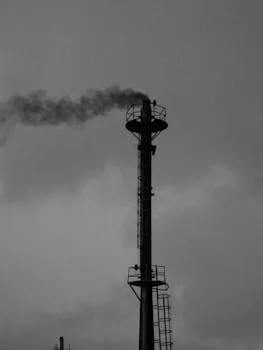
A pulse jet dust collector cleans filter bags with short, high-pressure compressed-air pulses while the unit stays online. The pulse travels down each bag from the clean-air side, breaks the external dust cake, and drops cake into the hopper without isolating the compartment. That online cleaning supports continuous airflow on high-loading duties such as metal grinding, welding fume, and aggregate processing.
Reverse-air baghouses reverse low-pressure flow through a compartment so bags partially collapse and shed cake; cleaning is usually offline. Shaker baghouses vibrate bags mechanically and also clean offline, which suits smaller airflow and light-to-moderate loading. Pulse jet units account for about 70% of new baghouse installations because of higher efficiency and smaller footprint (per Donaldson Torit market data).
Reverse air still fits very large flows in power and cement plants where compressed-air demand must stay low. Shaker units remain common below about 50,000 CFM in woodworking and grain handling when short fan outages are acceptable. For a side-by-side decision on pulse-jet platforms, compare pulse jet dust collectors for your application.
| Baghouse Type | Airflow Range (CFM) | Typical Efficiency | Maintenance Complexity | Key Advantages | Primary Use Cases |
|---|---|---|---|---|---|
| Pulse Jet | 1,000 – 100,000+ | >99.9% | Medium (compressed air system) | Online cleaning, high efficiency, compact footprint | Metal grinding, Welding, Chemical processing |
| Reverse Air | 10,000 – 500,000+ | >99% | Low (no compressed air) | Large airflow capacity, long bag life, robust | Power plants, Cement kilns, Large industrial furnaces |
| Shaker | <50,000 | 95 – 99% | Medium (mechanical parts) | Lower initial cost, simple operation | Woodworking, Grain handling, Small-scale operations |
Baghouse Cost Benchmarks: 2025 Pricing, ROI, and Hidden Costs
Baghouse total cost of ownership includes capital, energy, bag replacement, and compliance hardware, not only the purchase quote. In 2025, pulse-jet capital often runs $5–$15 per CFM, so a 10,000 CFM unit may cost $50,000–$150,000 installed. Reverse-air systems often run $8–$20 per CFM; shaker units often run $3–$10 per CFM.
- Bag Material: Moving from polyester to PTFE can add $10–$15 per CFM, often repaid through longer life and less downtime.
- Automation: PLC cleaning and monitoring can add $5,000–$20,000 while cutting manual oversight.
- Compliance Features: Explosion vents for combustible dust often add $2,000–$10,000.
- Energy Consumption: Pulse-jet compressed air often uses 5–10 kW per 1,000 CFM, plus fan power for the process airflow.
- Maintenance and Bag Replacement: Bags last about 1–5 years and cost about $3–$18 per square foot.
- Downtime: Major bag changes often take 4–8 hours of lost production.
An ROI model should sum avoided downtime, energy savings from lower pressure drop, and avoided fines. A 15,000 CFM system saving $30,000 per year in energy and maintenance can show a 3–5 year payback. High-temperature PTFE media can cut long-term maintenance cost by about 40% versus short-lived polyester in corrosive hot gas (HydropureWater internal case study, 2024).
| Cost Category | Description | Typical 2025 Range | Impact on TCO |
|---|---|---|---|
| Capital Cost (per CFM) | Initial purchase and installation | $3–$20/CFM (varies by type) | Highest upfront cost |
| Filter Bags | Replacement bags | $3–$18/ft² (material dependent) | Recurring operational cost (1–5 year cycle) |
| Energy (Fan & Compressor) | Electricity for fan and pulse air | 5–10 kW/1,000 CFM (pulse jet) | Significant ongoing operational cost |
| Automation (PLC) | Controls for optimized operation | $5,000–$20,000 | Improves efficiency, reduces labor |
| Explosion Venting | Safety compliance for combustible dusts | $2,000–$10,000 | Essential for safety and regulatory compliance |
| Downtime | Lost production during maintenance | 4–8 hours per major bag change | Hidden cost, impacts productivity |
How Should Dust Collector Maintenance Be Planned?
Dust collector maintenance should follow differential pressure trend, visual bag condition, and cleaning-system health rather than a fixed calendar alone. Replace bags when differential pressure stays 6–8 inches w.g. above the clean baseline, and inspect pulse-jet bags about every six months for abrasion, tears, or poor dust release (per Donaldson Torit maintenance guidelines).
Selection checklist before purchase or rebuild:
- Confirm actual CFM, dust loading in g/m³, and peak temperature with units stated.
- Set filtration velocity for abrasiveness and stickiness, then size cloth area.
- Match bag polymer to temperature and acid/alkali exposure.
- Choose pulse jet, reverse air, or shaker for online vs offline cleaning needs.
- Budget compressed-air power, bag replacement, and explosion protection in TCO.
- Define PM outlet target against the applicable EPA, OSHA, or IED limit.
- Write a maintenance log for ΔP, bag changes, and leak checks.
Who this is for: plant engineers and EPC teams sizing or replacing industrial baghouses for abrasive, sticky, or high-temperature dust. Who should look elsewhere: buyers needing only portable shop vacuums or wet scrubbers for gas-phase contaminants. Next step: send inlet gas data (CFM, temperature, dust loading, and particle chemistry) for a cloth-area and media recommendation before locking the purchase order.
Frequently Asked Questions

What is the typical lifespan of a baghouse dust collector?
The steel housing of a baghouse usually lasts 20–30 years with routine corrosion and hopper maintenance. Filter bags typically last 1–5 years depending on media, dust abrasiveness, temperature, and cleaning method. Pulse-jet bags often run 1–3 years, while reverse-air bags often reach 3–5 years because cleaning is gentler on the fabric (per Donaldson Torit PDF).
How do I calculate the correct bag size for my system?
Bag length follows Bag Length (ft) = Surface Area (ft²) / (π × Diameter (ft) × Number of Bags). For 3,333 ft² of cloth with 200 bags at 6 inches (0.5 ft) diameter, required length is about 10.6 ft. Always confirm cage length, tube-sheet pitch, and hopper clearance before ordering bags.
What are the signs that my baghouse is undersized?
Persistent differential pressure above 15 inches w.g., bags blinding within six months, or outlet emissions above the permit limit usually mean the cloth area is too small for real airflow and loading. Increasing effective surface area by 20–30% or switching to a media with better dust release often restores stable ΔP and compliance.
Can I use a baghouse for explosive dusts?
Yes, baghouses can handle combustible dusts when explosion protection is designed in. Use NFPA 68 vent sizing, conductive bags to limit static, and suppression or isolation devices as the dust hazard analysis requires. OSHA 1910.119 process-safety requirements still apply where highly hazardous chemicals or covered processes are involved.
How often should I replace baghouse bags?
Replace bags when differential pressure stays 6–8 inches w.g. above the clean baseline, not solely on calendar age. For pulse-jet systems, visually inspect bags about every six months for wear, tears, or abrasion (per Donaldson Torit maintenance guidelines). Track cleaning-pulse pressure and valve function so high ΔP is not blamed on bags alone.