Sewage Treatment Equipment Suppliers in Mandalay: 2025 Engineering Guide with Local Compliance, Costs & Decision Framework
Mandalay’s sewage treatment equipment market is fragmented, with suppliers offering solutions ranging from compact underground systems (1–80 m³/h) to industrial DAF units (4–300 m³/h). Local compliance requires effluent to meet Myanmar’s National Pollutant Discharge Levels: BOD <30 mg/L, COD <100 mg/L, and total coliform <1,000 MPN/100mL (per EPA Myanmar 2023). This guide compares 5 top suppliers, provides engineering specs for key technologies (MBR, DAF, package plants), and includes a 2025 cost breakdown (CAPEX: $15K–$2M; OPEX: $0.10–$0.50/m³) to help buyers match equipment to project needs.
Why Mandalay Needs Localized Sewage Treatment Solutions
Mandalay’s industrial output grew 12% YoY (2022–2024), driven by textiles, food processing, and mining (Myanmar Investment Commission 2024). This rapid industrialization, particularly in the Mandalay Industrial Zone 1 and 2, has placed unprecedented pressure on local water bodies. Unlike standard international designs, equipment installed in Mandalay must account for the region's specific environmental profile. The monsoon season (May–October) increases influent flow by 40–60% due to stormwater infiltration in aging pipe networks. This surge often overwhelms conventional systems, leading to hydraulic washout and biological failure. To mitigate this, engineers must prioritize surge capacity and corrosion-resistant materials like 304 or 316 stainless steel or reinforced fiberglass.
Space constraints in urban and established industrial zones favor high-density solutions. For instance, in Mandalay Industrial Zone 1, high land costs and tight plots make a compact underground sewage treatment system for Mandalay’s space-constrained sites the most viable option. These systems, such as the WSZ series (1–80 m³/h), allow for surface land use (parking or green space) while maintaining high treatment efficiency. Standardizing on compact footprints reduces the civil engineering burden, which can account for up to 40% of total project costs in Mandalay.
a recent regulatory crackdown by the Myanmar EPA revealed that 38% of audited factories in 2023 failed to meet effluent standards. Common violations included high Chemical Oxygen Demand (COD) from textile dyes and excessive Fats, Oils, and Grease (FOG) from food processing facilities. These failures are often the result of using "off-the-shelf" domestic systems for high-strength industrial waste. A localized approach requires matching the specific pollutant profile—such as using DAF systems for food processing wastewater in Mandalay—to ensure 2025 compliance levels are met without frequent fines or operational shutdowns.
Key Criteria for Selecting a Sewage Treatment Equipment Supplier in Mandalay
Suppliers must demonstrate knowledge of Myanmar’s National Pollutant Discharge Levels, specifically BOD <30 mg/L and COD <100 mg/L (per EPA Myanmar 2023). Selecting a supplier is not merely an equipment purchase but a multi-year technical partnership. In Mandalay, the permitting process alone takes an average of 4–6 months, requiring detailed technical drawings, Environmental Impact Assessments (EIA), and operator training records. A supplier without local permitting expertise can cause significant project delays, leading to capital being tied up in non-operational assets.
Technology alignment is the second critical pillar. For textile wastewater, which typically features high COD and Total Suspended Solids (TSS), a combination of high-efficiency DAF system for Mandalay’s textile and food processing wastewater followed by biological treatment is essential. Conversely, domestic sewage from hotels or residential complexes in Mandalay requires lower-maintenance package plants. Engineering data from product catalogs indicates that MBR systems can achieve TSS levels <1 mg/L, making them ideal for projects targeting water reuse in cooling towers or irrigation.
After-sales support is often the "hidden" failure point in Mandalay. Given the city's distance from major regional hubs, suppliers must have a verified local service network. Red flags include a lack of Myanmar-based technicians or lead times for critical spare parts (such as air diffusers or dosing pumps) exceeding 14 days. Cost transparency is equally vital; while CAPEX is the visible figure, OPEX—including chemical dosing, sludge disposal, and energy—can add 20–30% to the annual budget if the system is inefficiently designed.
| Selection Criterion | Mandalay Requirement | Engineering Benchmark |
|---|---|---|
| Compliance Expertise | Myanmar EPA 2023 Standards | BOD <30 mg/L, COD <100 mg/L |
| Monsoon Resilience | Surge capacity (May–Oct) | Hydraulic load handling +60% |
| Service Response | Local Mandalay/Yangon hub | <24-hour emergency response |
| Space Efficiency | Urban/Industrial zone footprint | <0.5 m² per m³/day treated |
| OPEX Efficiency | Low energy/chemical use | <0.5 kWh/m³ for domestic sewage |
Top 5 Sewage Treatment Equipment Suppliers in Mandalay: 2025 Comparison
The Mandalay sewage treatment market features five primary supplier archetypes ranging from domestic package plant specialists to industrial DAF providers. Choosing the right partner depends heavily on the influent characteristics and the desired effluent quality. For example, a textile factory in Mandalay Industrial Zone 2 has vastly different requirements than a municipal project in the city center.
| Supplier Name | Core Technology Strength | Flow Range (m³/h) | Best For |
|---|---|---|---|
| Myanmar Eco-Tech Solutions | DAF + Biological Systems | 10–300 | Textile factories in Mandalay Zone 2 |
| Amd Myanmar | Aerobic/Anaerobic Package | 1–50 | Hotels and residential complexes |
| Kyaw Thar Engineering | RO + Advanced Biological | 5–200 | Pharmaceutical and high-spec industrial |
| WM Corporation (Kubota) | Johkasou Package Plants | 5–50 | Small municipal and domestic projects |
| HydropureWater | MBR, DAF, WSZ Series | 1–2,000 | Large industrial and water reuse projects |
Myanmar Eco-Tech Solutions is a strong contender for textile wastewater due to their focus on DAF and biological integration, though they often struggle with very high-flow municipal requirements. Amd Myanmar specializes in domestic waste, utilizing aerobic technologies that are simple to operate but may not meet the COD limits of industrial effluent. For specialized pharmaceutical applications, Kyaw Thar Engineering provides advanced RO systems, though their CAPEX is often the highest in the market, frequently exceeding $500,000 for medium-sized plants. WM Corporation provides reliable Japanese-engineered Johkasou systems, which are excellent for domestic waste but are not designed for the high-strength COD (often >1,000 mg/L) found in Mandalay's food processing plants. HydropureWater, working through local partners, offers a full spectrum of equipment including an MBR system for water reuse in Mandalay’s industrial and municipal projects, providing custom engineering to handle monsoon surges, though lead times can extend to 16 weeks for large-scale custom units.
Engineering Specs for Mandalay’s Most Common Sewage Treatment Technologies
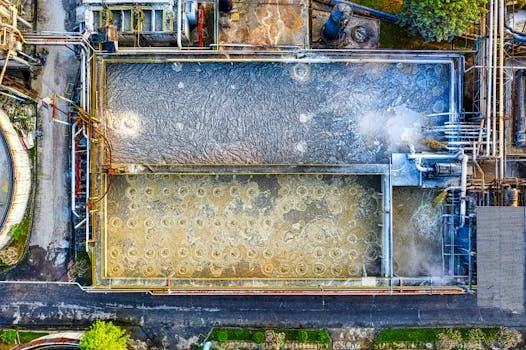
Underground package plants (WSZ Series) and Dissolved Air Flotation (DAF) units represent 70% of new industrial wastewater installations in Mandalay’s industrial zones. The WSZ series is particularly effective for domestic-strength sewage (BOD 200–300 mg/L). It operates with a flow rate of 1–80 m³/h and achieves removal efficiencies of 85–95% for BOD and 90–97% for TSS. With an energy footprint of only 0.2–0.5 kWh/m³, these systems are the standard for Mandalay’s growing hospitality sector and hospital wastewater treatment standards and equipment selection.
For industrial applications, specifically food processing and textiles, DAF systems are the primary choice for pretreatment. These units handle flow rates from 4 to 300 m³/h. Their primary function is the removal of FOG (95% efficiency) and TSS (85–92% efficiency). Chemical dosing is a critical engineering parameter here; typically, 5–10 mg/L of Polyaluminum Chloride (PAC) is required to facilitate flocculation. The footprint of a 100 m³/h DAF unit is roughly 25 m², making it significantly more space-efficient than traditional sedimentation tanks.
MBR (Membrane Bioreactor) systems represent the high-end of the Mandalay market, suitable for flow rates up to 2,000 m³/day. MBR technology combines biological treatment with membrane filtration, producing effluent with BOD <5 mg/L and TSS <1 mg/L. While the energy use is higher (0.6–1.2 kWh/m³), the output quality allows for direct reuse in industrial processes, which is increasingly important as Mandalay implements stricter groundwater extraction limits.
| Technology Type | Removal Efficiency (BOD/TSS) | Energy Use (kWh/m³) | Mandalay Use Case Match |
|---|---|---|---|
| WSZ Underground | 90% / 95% | 0.2–0.5 | Hotels, Hospitals, Small Factories |
| DAF | 60% / 90% (Pre-treatment) | 0.3–0.7 | Food Processing, Textile Dyes |
| MBR Integrated | 98% / 99% | 0.6–1.2 | Water Reuse, High-Spec Industrial |
Compliance Checklist: Meeting Mandalay’s Effluent Standards in 2025
Compliance with Myanmar’s National Environmental Quality (Emission) Guidelines requires industrial effluent to maintain a pH between 6.0 and 9.0 and a temperature below 40°C. For factories in Mandalay, the 2025 standards are strictly enforced through quarterly audits. Failure to meet these standards can result in fines ranging from $1,000 to $50,000, and persistent non-compliance leads to temporary or permanent plant shutdowns. One of the most common pitfalls is the underestimation of the monsoon impact; systems must be sized to handle a 40–60% increase in hydraulic load without losing biomass or washing out chemicals.
The permitting process in Mandalay is rigorous. It requires the submission of an Environmental Impact Assessment (EIA), detailed site layouts, and equipment technical specifications. the operator must provide evidence of training, as improper chemical dosing (such as overdosing PAC) can increase Total Dissolved Solids (TDS), leading to a different set of compliance violations. Sludge management is also a critical component; Mandalay requires that sludge be transported by licensed haulers to designated landfills, with costs averaging $50–$100 per ton. Effective sludge dewatering solutions for Mandalay’s wastewater treatment plants can reduce this volume by up to 80%, significantly lowering annual OPEX.
| Step | Requirement | Status Checklist |
|---|---|---|
| Site Survey | Topography, influent analysis, space | [ ] Complete |
| EIA Submission | Environmental Impact Assessment | [ ] Approved |
| Tech Specs | Flow rate, removal rates, power | [ ] Verified |
| Operator Training | Certification for onsite staff | [ ] Scheduled |
| Sludge Plan | Licensed hauler contract | [ ] Signed |
2025 Cost Breakdown: Sewage Treatment Equipment in Mandalay
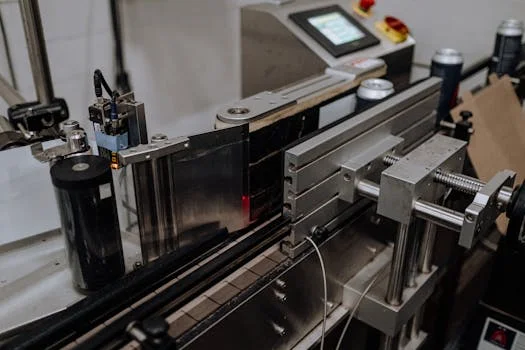
The total cost of ownership for Mandalay sewage treatment systems is split between an initial CAPEX ($15,000–$2,000,000) and annual OPEX ranging from $0.10 to $0.50 per cubic meter. For a standard 10 m³/h underground package plant (WSZ series), the CAPEX typically falls between $30,000 and $50,000, including installation. Installation costs in Mandalay generally range from 10% to 20% of the equipment price, influenced by local labor rates of $20–$50 per hour for specialized mechanical and electrical work.
OPEX is driven primarily by energy consumption and chemical costs. In Mandalay, electricity rates for industrial users make energy-efficient blowers and pumps a high-priority investment. Chemical costs for DAF systems (coagulants and flocculants) add approximately $0.05–$0.20 per cubic meter treated. Hidden costs, such as permitting fees ($5,000–$20,000 for EIA and legal work) and potential downtime, must be factored into the ROI calculation. For most industrial systems, the payback period through avoided fines and water reuse savings is between 3 and 7 years.
| System Type | CAPEX Range (USD) | OPEX (USD/m³) | Payback Period |
|---|---|---|---|
| WSZ (1–80 m³/h) | $15,000 – $150,000 | $0.15 – $0.30 | 4–6 Years |
| DAF (4–300 m³/h) | $30,000 – $500,000 | $0.20 – $0.45 | 3–5 Years |
| MBR (10–2,000 m³/day) | $200,000 – $2M | $0.35 – $0.50 | 5–7 Years |
Frequently Asked Questions
Q: How much does it cost to set up a sewage treatment plant in Mandalay?
A: CAPEX ranges from $15,000 for a compact package plant (1 m³/h) to $2,000,000 for a large-scale industrial MBR system (2,000 m³/day). OPEX averages $0.10–$0.50/m³, covering energy, chemicals, and sludge disposal. Permitting and environmental assessments can add an additional $5,000–$20,000 to the initial budget.
Q: What are the three types of sewage treatment used in Mandalay?
A: 1) Primary Treatment: Physical separation using bar screens or DAF units to remove 60–70% of TSS. 2) Secondary Treatment: Biological processes like aerobic/anaerobic tanks that reduce BOD by 85–95%. 3) Tertiary Treatment: Advanced filtration such as MBR or RO to achieve high-purity effluent (BOD <5 mg/L) suitable for industrial reuse.
Q: How much does it cost to install a domestic sewage treatment plant in Mandalay?
A: For a 10 m³/h underground package plant (WSZ series), the total CAPEX is approximately $30,000–$50,000, including local installation and civil works. Annual maintenance and operation costs typically hover around $0.15–$0.30/m³ of treated water.
Q: Can I use imported sewage treatment equipment in Mandalay?
A: Yes, provided the equipment meets Myanmar Ministry of Industry certifications. However, local technical support is vital. Imported systems without a local Mandalay or Yangon service partner often suffer from long downtimes due to a lack of spare parts. HydropureWater ensures all imported components are backed by local distribution and engineering support.
Q: What are the penalties for non-compliant effluent in Mandalay?
A: Under the Myanmar EPA 2023 guidelines, fines for discharging non-compliant wastewater range from $1,000 to $50,000. Repeat offenders face immediate plant closure. Textile and food processing plants are subject to quarterly audits to ensure COD and BOD levels remain within legal limits.