Stavanger’s industrial wastewater treatment landscape is defined by strict EU and Norwegian regulations, with effluent limits of 25 mg/L TSS, 125 mg/L COD, and 10 mg/L total phosphorus for most sectors, as mandated by EU Directive 91/271/EEC. Local facilities, such as NW2E’s Mekjarvik plant, manage significant volumes, handling 55,000 tons/year of oily sludge and diverse industrial wastewater through processes like biological treatment and activated charcoal. For industrial facilities seeking robust compliance, dissolved air flotation (DAF) systems consistently achieve 90-98% TSS removal, while advanced membrane bioreactors (MBRs) deliver near-reuse-quality effluent, often filtering down to <1 μm, suitable for demanding applications like aquaculture and food processing.
Stavanger’s Industrial Wastewater Challenges: Compliance, Costs, and Sector-Specific Needs
Stavanger’s industrial sectors face stringent wastewater compliance requirements, with the oil and gas industry dealing with hydrocarbons and heavy metals, while food processing and aquaculture contend with high BOD, COD, and phosphorus loads. The region's diverse industrial base, encompassing oil and gas extraction and processing, a thriving seafood and food processing industry, and a growing aquaculture sector, generates wastewater with distinct characteristics. Oil and gas operations typically produce effluent high in hydrocarbons, heavy metals, and often elevated salinity, posing complex treatment challenges. Food processing plants, including those handling fish and meat, discharge wastewater rich in biochemical oxygen demand (BOD), chemical oxygen demand (COD), fats, oils, and grease (FOG), along with significant nutrient loads like phosphorus and nitrogen. Aquaculture facilities, crucial to Norway’s economy, generate wastewater with high suspended solids, nitrogen, phosphorus, and potential pathogens, requiring sophisticated treatment for discharge or reuse.
The regulatory framework governing industrial wastewater treatment in Stavanger is primarily driven by the EU Urban Waste Water Directive 91/271/EEC, which sets baseline effluent quality standards across the European Economic Area. These are further reinforced by the national Norwegian Pollution Control Act (Forurensningsloven) and specific local Stavanger municipality limits. Typical discharge limits for most industrial sectors include TSS less than 25 mg/L, COD less than 125 mg/L, and total phosphorus less than 10 mg/L. Exceeding these limits carries significant penalties, as illustrated by a Stavanger seafood plant fined €200,000 in 2023 for consistent phosphorus limit violations. The subsequent implementation of DAF systems for Stavanger’s industrial wastewater at this facility reduced TSS by 95% and effectively brought phosphorus levels within compliance, thereby avoiding further penalties (HydropureWater field data, 2024).
Infrastructure constraints further emphasize the need for robust on-site industrial wastewater treatment in Stavanger. The municipal wastewater treatment capacity, while advanced, often has limited ability to handle the high volumes and specific pollutant profiles of diverse industrial discharges. This drives industrial facilities to implement their own pretreatment or full-scale treatment systems. For instance, the NW2E Mekjarvik plant, which handles port waste, is equipped with 4,500 m³ of wastewater storage tanks and processes 55,000 tons per year of oily sludge and industrial wastewater. However, even with substantial storage, the sheer throughput can create bottlenecks, underscoring the demand for efficient and compliant on-site solutions, especially for facilities generating high volumes of specialized waste such as oily wastewater treatment in Norway.
Industrial Wastewater Treatment Technologies for Stavanger: How They Work and When to Use Them
Effective industrial wastewater treatment in Stavanger relies on a suite of advanced technologies, each designed to address specific pollutant types and achieve stringent discharge limits. Understanding the mechanisms, strengths, and limitations of these technologies is crucial for selecting the right system for a given industrial application.
Dissolved Air Flotation (DAF) systems are highly effective for removing fats, oils, grease (FOG), total suspended solids (TSS), and light particulates. The process involves saturating wastewater with air under pressure, then releasing the pressure as the water enters a flotation tank. This creates microscopic bubbles (typically 20-80 μm) that attach to suspended solids and FOG, causing them to float to the surface for skimming. DAF systems achieve 90-98% removal efficiency for TSS and FOG. Key process parameters include an air-to-solids ratio typically ranging from 0.02 to 0.06, and a hydraulic loading rate of 5-10 m/h. Chemical dosing, such as 5-20 mg/L of polyaluminum chloride as a coagulant, often enhances performance by promoting flocculation. HydropureWater's DAF systems for Stavanger’s industrial wastewater are engineered for such high-efficiency separation.
Membrane Bioreactors (MBRs) combine biological treatment with membrane filtration, typically using submerged PVDF (polyvinylidene fluoride) membranes with a pore size of 0.1 μm. This integration provides near-reuse-quality effluent, effectively removing suspended solids, bacteria, and viruses. Compared to conventional activated sludge systems, MBRs offer a 60% smaller footprint, 99% pathogen removal, and produce a higher quality effluent suitable for direct discharge or even water reuse in applications like aquaculture. However, MBRs generally have higher energy consumption, ranging from 0.6-1.2 kWh/m³ compared to 0.3-0.6 kWh/m³ for conventional systems. Integrated MBR systems for aquaculture and reuse applications are particularly valuable for sensitive environments and water scarcity concerns. For more detailed insights, refer to detailed MBR system specifications and selection criteria.
Chemical Dosing Systems are fundamental for pretreatment and specialized pollutant removal. These systems introduce coagulants (e.g., ferric chloride, polyaluminum chloride) at dosages of 50-300 mg/L to destabilize suspended particles and dissolved metals, followed by flocculants (e.g., anionic polyacrylamide) at 1-10 mg/L to aggregate these particles into larger, settleable or floatable flocs. This process is critical for reducing TSS, heavy metals, and phosphorus. PLC-controlled chemical dosing for pretreatment and compliance ensures precise and efficient chemical application.
Biological Treatment processes leverage microorganisms to degrade organic pollutants (BOD/COD). Aerobic systems, requiring oxygen, are common for high BOD/COD loads, while anaerobic systems operate without oxygen and can produce biogas. A Stavanger brewery, for example, successfully reduced its COD from 2,500 mg/L to 150 mg/L using an anoxic/aerobic (A/O) biological system, demonstrating the effectiveness of these methods for high-strength organic waste (HydropureWater field data, 2023).
Sludge Dewatering is a critical post-treatment step to reduce the volume of generated sludge, thereby lowering disposal costs. Plate-and-frame filter presses typically achieve a cake dryness of 25-35%, while screw presses offer 18-25% dryness. Throughput varies significantly, from 50 kg/h for smaller units to 500 kg/h for larger industrial applications. Operational costs for sludge dewatering range from €0.50-€2.00 per ton. For more information on sludge dewatering best practices for Scandinavian conditions, further resources are available.
| Technology | Primary Contaminants Addressed | Typical Removal Efficiency | Key Mechanism | Footprint (Relative) | Energy Consumption (Relative) |
|---|---|---|---|---|---|
| Dissolved Air Flotation (DAF) | FOG, TSS, Oil | 90-98% | Micro-bubble flotation | Medium | Low-Medium (0.1-0.3 kWh/m³) |
| Membrane Bioreactor (MBR) | BOD, COD, TSS, Pathogens, N, P | >95% BOD/COD, >99% Pathogen | Biological degradation + Membrane filtration | Small | High (0.6-1.2 kWh/m³) |
| Chemical Dosing | TSS, Heavy Metals, Phosphorus | 70-90% TSS, >90% Metals/P | Coagulation & Flocculation | Small | Low (for pumps/mixers) |
| Biological Treatment (Aerobic) | BOD, COD, Ammonia | 85-95% BOD/COD | Microbial degradation | Large | Medium (0.3-0.6 kWh/m³) |
| Sludge Dewatering | Sludge Volume Reduction | 60-80% Water Removal | Mechanical separation | Medium | Low |
DAF vs. MBR vs. Chemical Dosing: Which System is Right for Your Stavanger Facility?
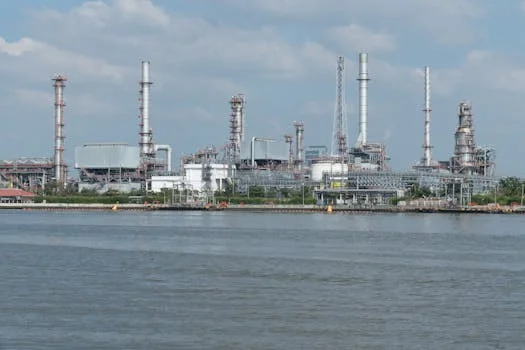
Selecting the optimal wastewater treatment system for a Stavanger facility requires a direct comparison of Dissolved Air Flotation (DAF), Membrane Bioreactors (MBRs), and chemical dosing based on effluent targets, footprint, and budget. Each technology offers distinct advantages and trade-offs, making the choice highly dependent on the specific industrial wastewater characteristics and compliance requirements.
| Criteria | Dissolved Air Flotation (DAF) | Membrane Bioreactor (MBR) | Chemical Dosing System |
|---|---|---|---|
| Primary Application | Pretreatment, FOG, TSS, Oil removal | Advanced secondary/tertiary, high-quality effluent, reuse | Pretreatment, heavy metals, phosphorus, TSS removal |
| TSS Removal Efficiency | 90-98% | Virtually 100% (<1 μm filtration) | 70-90% (with proper design) |
| Effluent Quality | Good for municipal discharge, some reuse | Excellent, near-reuse quality, pathogen-free | Improved, but typically requires further treatment |
| Footprint (Relative) | Medium | Small (60% smaller than CAS) | Small |
| Energy Use (Opex) | Low-Medium (0.10-0.30 kWh/m³) | High (0.6-1.2 kWh/m³) | Low (pumps, mixers) |
| Capex (Typical Range) | €50K - €300K | €100K - €1M | €20K - €100K |
| Opex (Typical Range) | €0.10 - €0.30/m³ | €0.40 - €0.80/m³ | €0.05 - €0.20/m³ |
| Maintenance & Complexity | Moderate (skimmer, pump, chemical feed) | High (membrane cleaning, aeration, sludge management) | Low-Moderate (pump calibration, chemical replenishment) |
| Scalability | Good for modular expansion | Excellent, modular design | Good, easily adaptable |
Use-Case Matching: For Stavanger’s diverse industrial sectors, specific applications often dictate the optimal technology. DAF systems are an excellent choice for food processing plants, particularly those handling seafood, due to their superior ability to remove high concentrations of FOG and suspended solids, which are prevalent in such effluent. For the aquaculture sector, where stringent pathogen removal and potential water reuse are critical, MBR systems are often preferred. Their ability to deliver <1 μm filtration and high pathogen removal rates makes them ideal for treating aquaculture wastewater. Chemical dosing systems are frequently used for metalworking facilities in Stavanger to effectively precipitate and remove heavy metals, or as a robust pretreatment step for facilities discharging to municipal sewers with specific permit requirements for phosphorus or TSS.
Cost Breakdown: Capital expenditure (Capex) for these systems varies significantly. A DAF system can range from €50,000 to €300,000, depending on capacity and automation. MBR systems, due to their advanced membrane technology and complexity, typically command a higher Capex of €100,000 to €1,000,000. Chemical dosing systems are generally the most affordable in terms of Capex, ranging from €20,000 to €100,000. Operational expenditure (Opex) also shows considerable differences: DAF systems typically cost €0.10-€0.30/m³ to operate, MBRs are higher at €0.40-€0.80/m³ primarily due to energy and membrane replacement, and chemical dosing systems are usually €0.05-€0.20/m³.
Compliance Alignment: MBR systems are uniquely positioned for applications requiring very high-quality effluent, such as water reuse in aquaculture or direct discharge into sensitive receiving waters, ensuring compliance with the most stringent pathogen and nutrient limits. DAF systems are commonly employed for effective pre-treatment before municipal discharge, helping facilities meet municipal sewer acceptance criteria for FOG and TSS, thereby avoiding surcharges. Chemical dosing, while often a component of DAF or MBR systems, can also serve as a standalone solution for specific compliance challenges, such as emergency phosphorus removal or heavy metal precipitation, providing a targeted and often rapid fix for specific pollutant issues.
Stavanger-Specific Compliance Checklist: Meeting EU and Norwegian Wastewater Standards
Adhering to wastewater discharge regulations in Stavanger necessitates meeting specific effluent limits set by the EU Urban Waste Water Directive 91/271/EEC and the Norwegian Pollution Control Act. Industrial facilities must proactively manage their discharge to avoid significant fines and environmental impact. The general effluent limits for industrial wastewater discharged in Stavanger are stringent: Total Suspended Solids (TSS) must be less than 25 mg/L, Chemical Oxygen Demand (COD) below 125 mg/L, Biochemical Oxygen Demand (BOD) not exceeding 25 mg/L, total phosphorus less than 10 mg/L, and total nitrogen below 15 mg/L. These limits are enforced rigorously, reflecting Norway's commitment to environmental protection.
Beyond these general parameters, specific industrial sectors in Stavanger face tailored limits. Aquaculture facilities, for instance, must ensure pathogen removal to levels below 100 CFU/100 mL, critical for preventing disease spread and protecting aquatic ecosystems. The oil and gas industry has strict limits on hydrocarbons, typically requiring concentrations below 5 mg/L in discharged water. Food processing plants must control Fats, Oils, and Grease (FOG) to less than 10 mg/L to prevent sewer blockages and environmental contamination. Compliance with these sector-specific limits often requires specialized treatment technologies.
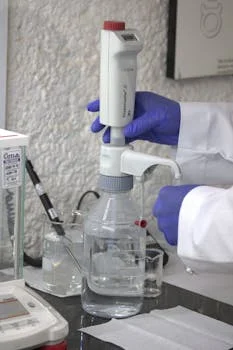
Sampling and Reporting Requirements: Regular monitoring is paramount for demonstrating compliance. Facilities are typically required to conduct weekly sampling for key parameters like TSS and COD, and monthly sampling for metals and nutrients. Sampling methods must adhere to international standards such as ISO 5667 for sampling techniques, and analytical methods like ISO 6060 for COD determination. Comprehensive documentation of all sampling results, calibration records, and operational logs must be maintained digitally for a minimum of five years, readily available for inspection by environmental authorities.
Permitting Process: Obtaining a discharge permit for new or significantly altered industrial wastewater discharges in Stavanger involves a multi-stage process. The timeline typically spans 3-6 months, depending on the project's complexity and the completeness of the application. Permit fees can range from €5,000 to €50,000, scaled by the projected discharge volume and pollutant load. new discharge permits often require public consultation, allowing local communities and stakeholders to provide input, which can impact permit conditions or timelines.
Common Compliance Pitfalls: Industrial facilities frequently encounter several issues that lead to non-compliance. Inadequate pretreatment for high FOG loads, common in food processing, can lead to clogging in DAF systems and municipal sewer networks, resulting in fines and operational disruptions. Insufficient sludge dewatering can cause violations related to sludge disposal, as regulatory bodies have strict requirements for sludge dry solids content and hazardous waste classification. A lack of redundancy for critical treatment systems, such as having only a single pump for a crucial process, can lead to complete treatment failure during equipment malfunction, resulting in immediate effluent violations. Implementing robust medical wastewater treatment or other specialized solutions requires careful planning to avoid such pitfalls.
Cost Benchmarks for Industrial Wastewater Treatment in Stavanger: Capex, Opex, and ROI
Understanding the financial implications of industrial wastewater treatment in Stavanger involves detailed capital expenditure (Capex), operational expenditure (Opex), and return on investment (ROI) benchmarks tailored to the region. These figures provide a critical framework for budgeting and comparing the economic viability of different treatment solutions.
| Cost Category | Dissolved Air Flotation (DAF) | Membrane Bioreactor (MBR) | Chemical Dosing System | Sludge Dewatering (e.g., Screw Press) |
|---|---|---|---|---|
| Capex Range | €50,000 - €300,000 | €100,000 - €1,000,000 | €20,000 - €100,000 | €30,000 - €200,000 |
| Opex (Energy) | 0.1-0.3 kWh/m³ | 0.6-1.2 kWh/m³ | Negligible (pumps/mixers) | 0.05-0.15 kWh/m³ (of sludge) |
| Opex (Chemicals) | €0.05-€0.15/m³ | €0.02-€0.05/m³ (cleaning) | €0.05-€0.20/m³ | €0.01-€0.05/m³ (polymers) |
| Opex (Labor) | €20-€50/hour (operator) | €20-€50/hour (operator) | €20-€50/hour (operator) | €20-€50/hour (operator) |
| Opex (Maintenance) | 2-4% of Capex/year | 3-5% of Capex/year | 1-2% of Capex/year | 2-5% of Capex/year |
Capex Benchmarks: The initial investment for industrial wastewater treatment equipment in Stavanger varies significantly by technology and capacity. A DAF system typically ranges from €50,000 for smaller units to €300,000 for larger, more automated systems. MBR systems, offering superior effluent quality and a compact footprint, usually require a higher capital outlay of €100,000 to €1,000,000. Chemical dosing systems are generally more economical, with Capex between €20,000 and €100,000. Sludge dewatering equipment, such as a screw press or plate-and-frame filter press, costs between €30,000 and €200,000. Factors influencing these costs include the treatment capacity (often estimated at €1,000-€5,000 per m³/day), material of construction (e.g., stainless steel for corrosive environments versus carbon steel), and the level of automation desired.
Opex Benchmarks: Operational expenses are ongoing costs that significantly impact the total cost of ownership. Energy consumption is a major component, with DAF systems using approximately 0.1-0.3 kWh/m³ and MBRs, due to their higher aeration and pumping requirements, consuming 0.6-1.2 kWh/m³. Chemical costs for DAF and chemical dosing systems can range from €0.05-€0.20/m³ depending on influent quality and chemical prices. Labor costs for operating and monitoring systems typically fall within €20-€50 per hour for skilled operators. Maintenance expenses, including spare parts and scheduled servicing, are usually estimated at 2-5% of the initial Capex per year.
ROI Calculation: Investing in on-site wastewater treatment can yield substantial returns, primarily through avoided municipal discharge fees and compliance penalties. Consider an example for a 100 m³/day DAF system for industrial wastewater treatment in Stavanger: With a Capex of €150,000 and an estimated Opex of €0.20/m³, if the facility avoids municipal discharge fees of €0.50/m³ by treating on-site, the annual savings would be (0.50 - 0.20) * 100 m³/day * 365 days/year = €10,950. This translates to a payback period of approximately 3.5 years (€150,000 / €10,950 per year). A sensitivity analysis should account for fluctuations in chemical costs, energy prices, and potential regulatory changes that could increase municipal fees or introduce carbon taxes, further enhancing the ROI of efficient systems. For example, how food processing plants in Norway compare to global benchmarks in terms of operational efficiency and cost can provide valuable context.
Financing Options: Several financing avenues are available for industrial facilities in Stavanger. Norwegian Enova grants offer significant support, often covering up to 50% of the investment for energy-efficient or innovative environmental technologies. Traditional bank loans typically come with interest rates between 5-7%. Leasing arrangements are also a viable option, particularly for MBR systems, with monthly payments ranging from €2,000 to €10,000, allowing facilities to acquire advanced technology without a large upfront capital expenditure.
Frequently Asked Questions
Industrial facility managers in Stavanger frequently inquire about specific effluent limits, system costs, technology suitability for challenging wastewaters, and the consequences of regulatory non-compliance. Addressing these common questions provides clarity and supports informed decision-making for industrial wastewater treatment in Stavanger.
What are the effluent limits for industrial wastewater in Stavanger?
General effluent limits for industrial wastewater in Stavanger, guided by EU Directive 91/271/EEC and the Norwegian Pollution Control Act, are typically: Total Suspended Solids (TSS) <25 mg/L, Chemical Oxygen Demand (COD) <125 mg/L, Biological Oxygen Demand (BOD) <25 mg/L, total phosphorus <10 mg/L, and total nitrogen <15 mg/L. Sector-specific limits apply, such as hydrocarbons <5 mg/L for oil/gas and FOG <10 mg/L for food processing.
How much does a DAF system cost for a 50 m³/day food processing plant?
For a 50 m³/day food processing plant in Stavanger, the capital expenditure (Capex) for a Dissolved Air Flotation (DAF) system typically ranges from €80,000 to €180,000. This estimate depends on factors such as automation level, material of construction (e.g., stainless steel for corrosive environments), and any required ancillary equipment like chemical dosing units or sludge pumps. Operational costs (Opex) would be approximately €0.15-€0.25/m³.
Can MBR systems handle high-salinity wastewater from aquaculture?
Yes, Membrane Bioreactor (MBR) systems can effectively handle high-salinity wastewater, including that from aquaculture, provided they are properly designed. The biological treatment component of the MBR needs to be acclimated to the high salt concentrations, and membrane materials like PVDF are generally robust against salinity. However, membrane fouling rates might be higher, requiring more frequent cleaning and potentially increasing Opex. Specialized MBR designs are available for such applications.
What are the penalties for non-compliance with Norwegian wastewater regulations?
Penalties for non-compliance with Norwegian wastewater regulations can be severe. They include substantial fines, which can range from tens of thousands to hundreds of thousands of Euros depending on the severity and duration of the violation. Repeated non-compliance can lead to operational shutdowns, revocation of discharge permits, and even criminal charges for responsible personnel. Additionally, facilities may face significant costs for environmental remediation and reputational damage.
How do I choose between DAF and chemical dosing for my metalworking facility?
Choosing between DAF and a standalone chemical dosing system for a metalworking facility depends on the primary contaminants and desired effluent quality. Chemical dosing is excellent for precipitating dissolved heavy metals and reducing phosphorus and some TSS. If your wastewater also contains significant oil and grease or very fine suspended solids, a DAF system, often augmented with chemical dosing, would be more effective for robust physical separation and achieving lower TSS and oil limits. DAF provides a more comprehensive physical-chemical treatment step, while chemical dosing can be a targeted solution for specific dissolved pollutants or as a robust pretreatment.
Related Equipment
The following HydropureWater products are engineered for the wastewater challenges discussed above:
- Integrated MBR systems for aquaculture and reuse applications — view specifications, capacity range, and technical data
Need a customized solution? Request a free quote with your specific flow rate and pollutant parameters.