Wastewater Treatment Plant Cost in British Columbia
The wastewater treatment plant cost in British Columbia spans $1.5 million for a compact MBR system serving 5,000 people to $6 billion for Metro Vancouver's Iona Island upgrade. North Shore's budget moved from $700 million to $3.86 billion after scope changes and material escalation. Treatment level, capacity, seismic site work, and the federal deadline set that range.
Levelized cost, not the bid-day price, is how British Columbia owners should judge these plants. Levelized Cost of Water (LCOW) folds energy, chemicals, and any reuse credit into one unit cost. By 2025, smart sensors and automated dosing were already a normal line item, because operator hours are expensive in this province. On Fraser Valley files we review, the sensor package pays back only when chemical spend is already high.
5 Cost Drivers That Raised Plant Budgets in BC
Capital expenditure for wastewater plants in British Columbia has pulled away from older unit rates over the last five years. Municipal engineers need those drivers in writing before a council budget vote. Earlier project briefs treated the federal Wastewater Systems Effluent Regulations (WSER) as a rule that all high-risk systems achieve secondary treatment by 2030. That 2030 date is still the milestone many BC schedules use.
According to Environment and Climate Change Canada's municipal wastewater indicator, some existing plants were granted extensions until 2020, 2030, or 2040 so the highest-risk plants would be upgraded first. The stated objective is that every facility meets the national standards by the end of 2040. ECCC's strategic assessment of the 2024 amendments says communities that missed the June 2014 window can again seek a transitional authorization aimed at 2030 or 2040. Iona Island's timeline was compressed from 2040 to 2036, which raised procurement and labor premiums.
The North Shore Wastewater Treatment Plant's $3.86 billion cost shows what a tight urban site plus seismic work does to a budget. The program's earlier public figure was $700 million. In British Columbia, seismic Zone 4 compliance is non-negotiable, often adding 15–25% to structural costs compared with non-seismic regions of Canada. Deep-foundation piling and reinforced concrete on liquefaction-prone soils in the Fraser Delta can double the substructure budget.
Stone columns or vibro-replacement follow site investigations when Delta soils will not carry a clarifier. Between 2020 and 2025, the construction cost index for industrial projects in BC rose by approximately 32%, according to BC Stats data. That jump hits stainless piping and membrane modules alike. Moving from primary to secondary or tertiary treatment increases capital costs by 40–60%.
Primary treatment only removes solids by physical means. The federal secondary bar needs biological reactors, more footprint, intensive aeration, and a sludge train. Soft costs, including environmental assessments, Indigenous consultation, and complex permitting, now routinely account for 25% to 35% of the total project budget in BC. Most plants we price on soft ground run at the upper end of that 15–25% structural adder once the piling log is in.
Metro Vancouver's Iona Island project is designed for a 2051 target population of 945,000 people, a build-it-once choice that pushes capital forward. Engineers now test modular MBR systems for space-constrained sites so later phases can follow a pay-as-you-grow model. That model suits private developers and smaller municipalities in the Interior or on the Island.
wastewater treatment capex british columbia 2026
Wastewater treatment capex in British Columbia in 2026 still has to cover a province where, in 2023, 29.1% of people on large municipal systems received only primary treatment.
Statistics Canada figures published through Environment and Climate Change Canada's municipal wastewater indicator put British Columbia's 2023 population at 5,142,009. Of that population, 87.4% was served by municipal systems at or above 100 m³/day. The split was 0.5% with no treatment, 29.1% primary, 40.9% secondary, and 16.9% tertiary. Those primary-service residents are the secondary-upgrade queue, not a finished asset base.
Volume figures from that indicator show 653.0 million m³ of municipal wastewater discharged in British Columbia in 2023. By volume the shares were 4.9% combined-sewer overflow, 0.5% no treatment, 34.4% primary, 47.6% secondary, and 12.6% tertiary. Volume still on primary treatment is why secondary concrete, blowers, and clarifiers dominate near-term capital plans. When we build a Class B estimate, owners who skip the 25% to 35% soft-cost band lose the council vote later.
A provincial screen is not the same figure as wastewater treatment capital cost canada on a national page. Read Wastewater Treatment Plant Cost in Canada 2026: Engineering Breakdown, for the cross-province method, then put BC seismic, land, and remote adders back in. WSER applies in British Columbia when a system collects an average of 100 m³ or more per day and discharges toward water frequented by fish. A plant under that flow can still face a stricter provincial permit.
Wastewater Treatment Plant Costs in BC: Real Project Data by Capacity and Technology
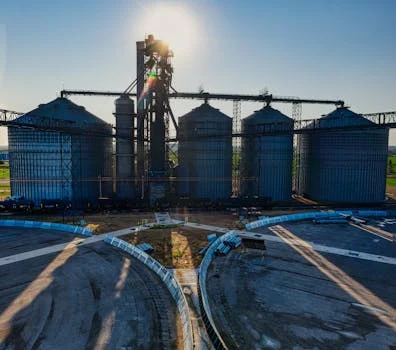
The cost of wastewater treatment plants in British Columbia depends on several factors, including capacity and technology.
Cost estimation for BC wastewater projects has to split conventional municipal plants from decentralized and industrial plants. According to the 2024 BC Municipal Wastewater Survey, conventional activated sludge (CAS) plants typically range from $3 million to $5 million per 1,000 m³/day of capacity. The band covers site preparation, headworks, biological reactors, and secondary clarifiers. Most plants we size for Interior municipalities run at the lower end of that CAS band when the outfall already exists.
Projects in Northern BC or on remote coasts often face a 30-50% surcharge for freight and scarce trades. That remote adder is separate from the process choice. Industrial plants, including food processing and pulp and paper, sit on a different curve. Their capital often falls between $1.5 million and $2.5 million per 1,000 m³/day, depending on COD loading and whether anaerobic digestion is required.
In 2025, many Lower Mainland industrial operators combined DAF with a biological stage to meet tighter Metro Vancouver sewer-use bylaws. For smaller developments or remote municipalities, HydropureWater's 2025 project data for BC indicate that a modular MBR system for space-constrained sites serving 3,000 Population Equivalent (PE) costs between $2 million and $3.5 million. The upfront cost per m³ is higher than CAS, but the plant can drop separate clarifiers and tertiary filters. Effluent that meets Class A reclaimed water standards can serve landscape irrigation and cut municipal freshwater demand.
| Capacity (PE) | Technology Type | Capital Cost (CAD) | O&M Cost (per m³) | Footprint (m²) | BC Project Example |
|---|---|---|---|---|---|
| 500 - 2,000 | Modular MBR | $1.5M - $2.5M | $0.45 - $0.65 | 150 - 400 | Fraser Valley Private Dev. |
| 5,000 - 15,000 | Conventional (CAS) | $8M - $15M | $0.30 - $0.45 | 2,000 - 5,000 | Interior BC Municipal Upgrade |
| 20,000+ | Advanced Tertiary | $40M+ | $0.55 - $0.80 | 8,000+ | Okanagan Nutrient Removal |
| Industrial (1k m³/d) | DAF + Biological | $1.8M - $3.0M | $0.70 - $1.10 | 300 - 600 | Lower Mainland Food Processing |
Retrofitting an existing plant carries a complexity premium. Upgrading a primary plant to secondary treatment in BC typically costs 20–40% more than a greenfield project of the same capacity. Crews must keep the old plant online, which is a large part of why Iona Island adopted a $6 billion phased approach. Decommissioning in BC often involves asbestos abatement and contaminated soil management, adding unforeseen millions to the final tally.
mbr system cost per population equivalent bc
An MBR system cost per population equivalent in British Columbia is best screened from the stated bands, not from a single dollar per person. HydropureWater's 2025 project data put a 3,000 PE modular plant between $2 million and $3.5 million. Divide that capital by 3,000 PE to see the cost per person before land, conveyance, and any remote adder. The table's 500 - 2,000 PE row is $1.5M - $2.5M, so a 500 PE plant costs more per person than a 2,000 PE plant inside the same row.
Operating cost on that modular row is $0.45 - $0.65 per m³, and the footprint is 150 - 400 m². Most plants we size for a flat Fraser Valley pad run at the lower end of $1.5M - $2.5M. Steep sites, long force mains, and Class A reuse pumps move the same PE toward the top of the band. Do not compare this per-person screen with a large CAS plant until both estimates include sludge handling.
industrial daf system cost lower mainland
An industrial DAF system on the Lower Mainland, paired with biology, is shown in the table at $1.8M - $3.0M for about 1k m³/d. The wider industrial band in the 2024 survey is $1.5 million to $2.5 million per 1,000 m³/day, and it moves with COD loading. Food plants usually need a high-efficiency DAF system for industrial wastewater pretreatment ahead of the biological stage. O&M on that row is $0.70 - $1.10 per m³, with a footprint of 300 - 600 m².
Sewer-use bylaws in Metro Vancouver are why the 2025 cohort picked DAF plus biology rather than biology alone. Most food plants we size on the Lower Mainland run at the lower end of $0.70 - $1.10 per m³ when the fat load is steady. A shock load of oil, or a weekend shutdown, pushes chemical and sludge cost to the top of that band. Price the DAF, the biological tank, and the sludge bin as one system, not as a skid alone.
remote community wastewater treatment premium bc
A remote community wastewater treatment premium in British Columbia is commonly a 30-50% surcharge on Northern or coastal projects. The adder pays for heavy-haul freight, scarce Red Seal trades, and a short construction season. It is not a different treatment process. Most remote plants we size in Northern BC land at the upper end of that 30-50% surcharge once a barge and a winter window are both required.
Land does the opposite of the freight adder. Northern BC land may cost only $100 to $300 per m², so the premium there is logistics, not the lot price. Subsistence and travel (LOA) outside the Lower Mainland can add 10-15% to the labor budget on the same jobs. Put the surcharge on top of the process band in the table, not instead of it.
secondary treatment upgrade cost british columbia
The level of treatment required by the BC Ministry of Environment and federal regulators significantly affects costs.
A secondary treatment upgrade cost in British Columbia is typically 20–40% above a greenfield plant of the same capacity. The premium pays for keeping primary treatment online during construction. Primary treatment, by physical screening and sedimentation, removes roughly 60% of Total Suspended Solids (TSS) and 30% of Biological Oxygen Demand (BOD). It has the lowest capital cost, and it no longer meets the federal bar for most BC plants that must hit secondary-equivalent limits.
ECCC's small-systems factsheet puts secondary-equivalent effluent at an average CBOD of 25 mg/L or less and average suspended solids of 25 mg/L or less. Total residual chlorine must average 0.02 mg/L or less, and un-ionized ammonia must stay under 1.25 mg/L as a maximum. Where chlorine is used, a grab sample after dechlorination must not exceed 0.10 mg/L. Lagoons with algae may set aside suspended-solids results above 25 mg/L during any four months from May to November.
Secondary treatment is the practical baseline. It uses aerobic bacteria to remove 90% of BOD and TSS, and it needs aeration basins, blowers, and secondary clarifiers. The North Shore's $3.86 billion budget is the regional example of moving to that level. Operating costs (OPEX) also rise by 20–30% because aeration power and the volume of biological sludge both increase.
For these projects, sludge dewatering cost benchmarks and equipment options belong in the long-term budget, not in year one only. Wet sludge hauled over mountain passes is expensive, and landfill tipping fees in BC keep rising. Tertiary treatment then adds nutrient removal where nitrogen limits are tightening on the Okanagan Basin and the Fraser River. In the Okanagan, phosphorus limits are often set as low as 0.25 mg/L to prevent eutrophication in local lakes.
Tertiary systems add 40–60% to capital costs through chemical dosing, advanced membrane or sand filtration, and disinfection such as a chlorine dioxide generator for disinfection. The same step can open industrial reuse or irrigation in water-stressed regions of the BC Interior, which is the revenue side of LCOW. Most primary-to-secondary upgrades we price in BC run at the upper end of the 20–40% complexity premium because the old plant must stay in service.
In British Columbia, the jump from secondary to tertiary treatment is often driven by local Liquid Waste Management Plans (LWMPs) that exceed federal minimums to protect local salmon habitats and drinking water sources. The cost of failure—both ecological and legal—far outweighs the capital investment in advanced filtration. — BC Environmental Engineering Field Report, 2024.
BC-Specific Cost Drivers: Land, Labor, and Local Regulations
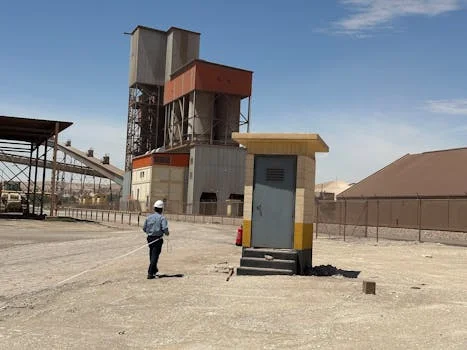
British Columbia's unique environment and regulations contribute to the high costs of wastewater treatment plants.
Beyond the mechanical equipment, land in Metro Vancouver and the Victoria Capital Regional District (CRD) ranges from $500 to $2,000 per m², whereas Northern BC land may cost only $100 to $300 per m². For developers in high-value areas, the small footprint of a modular MBR system can save millions in land acquisition alone, often deciding whether the project is feasible. BC's Professional Governance Act places high accountability on engineers, leading to more rigorous and expensive peer-review and quality assurance during the design-build process. Most coastal sites we walk carry an environmental-monitor line before the first concrete truck arrives.
Labor costs in British Columbia are among the highest in North America for specialized wastewater trades. Demand for Red Seal millwrights, electricians, and instrumentation technicians is driven by competing large-scale projects across the province. That competition leads to subsistence and travel (LOA) costs outside the Lower Mainland, which can add 10-15% to the total labor budget. Protecting fish-bearing streams and managing runoff on steep coastal slopes requires siltation control that can cost upwards of $5,000 to $10,000 per month for even mid-sized projects.
Indigenous consultation and partnership are cornerstone requirements for BC infrastructure projects, and they are part of keeping a social license. Modern budgeting must include meaningful engagement with First Nations, which may involve traditional land-use studies, archaeological monitoring, and community benefit agreements. Finally, the BC Environmental Assessment Act may trigger a full review for larger plants. That process can take 18–36 months and cost several hundred thousand dollars in specialized consulting fees before a single shovel hits the ground.
Who Should Use These Bands, and the Next Step
These bands are for municipal engineers, EPC estimators, and industrial owners pricing a plant in British Columbia. Use them to screen a Class 5 or Class 4 number before a design report. They are not a tender price. Owners pricing a plant outside British Columbia, or a drinking-water plant with no wastewater train, should look elsewhere.
Run this checklist before the number goes to council or to an appropriation committee:
- Design average flow and peak, in m³/day, plus the population equivalent.
- Effluent bar: WSER secondary limits, or a tighter liquid waste plan, including 0.25 mg/L phosphorus where the lake requires it.
- Greenfield versus an upgrade at 20–40% above the same capacity.
- Seismic Zone 4 and Fraser Delta soils: 15–25% on structure, or a doubled substructure.
- Land at $500 to $2,000 per m² in Metro Vancouver or the CRD, versus $100 to $300 per m² in Northern BC.
- Remote freight at a 30-50% surcharge, plus LOA at 10-15% outside the Lower Mainland.
- Soft costs at 25% to 35%, including assessment, consultation, and permitting.
Send the design flow, effluent limits, and site constraints with the project inquiry form so the bands can be mapped to one British Columbia site. Keep sludge, disinfection, and reuse in the same estimate. A national average without the BC seismic and remote adders will miss the appropriation.
Frequently Asked Questions
What does a 3,000 PE MBR cost in BC?
A 3,000 PE modular MBR in British Columbia is stated at $2 million to $3.5 million in the 2025 project data. Divide that capital by 3,000 PE before you compare quotes. The table row for 500 - 2,000 PE is $1.5M - $2.5M, with O&M of $0.45 - $0.65 per m³ and a footprint of 150 - 400 m². Add land and any remote surcharge only outside a prepared Lower Mainland pad.
How much extra is a secondary upgrade in BC?
Upgrading a primary plant to secondary treatment in BC typically costs 20–40% more than a greenfield project of the same capacity. The premium is continuity: the old plant stays online, and demolition can include asbestos and contaminated soil. Secondary treatment removes 90% of BOD and TSS, against roughly 60% of TSS and 30% of BOD at primary level. Operating cost then rises by 20–30% because aeration and biological sludge both grow.
Which federal effluent limits apply in British Columbia?
British Columbia plants at or above 100 m³ per day that discharge toward fish-bearing water must meet secondary-equivalent limits. ECCC's indicator treats a system as compliant when average CBOD and average suspended solids are each 25 mg/L or less. The regulations factsheet also caps average total residual chlorine at 0.02 mg/L, un-ionized ammonia under 1.25 mg/L, and a dechlorinated grab at 0.10 mg/L. Extensions ran to 2020, 2030, or 2040 by risk, and 2024 amendments allow 2030 or 2040.
Why do remote BC plants cost more?
Remote plants in Northern BC or on the coast often carry a 30-50% surcharge for freight and scarce trades. Lower Mainland plants pay in land instead: $500 to $2,000 per m² in Metro Vancouver and the CRD, against $100 to $300 per m² in the north. LOA can add 10-15% to labor outside the Lower Mainland. Environmental monitors run upwards of $5,000 to $10,000 per month on fish-bearing or steep sites.
What does Lower Mainland industrial DAF cost?
A Lower Mainland food plant with DAF plus biology is listed at $1.8M - $3.0M for about 1k m³/d. O&M on that row is $0.70 - $1.10 per m³, and the footprint is 300 - 600 m². The wider industrial band is $1.5 million to $2.5 million per 1,000 m³/day and moves with COD. Steady fat loads sit near the bottom of the O&M band, and shock oil loads sit at the top.
Related Equipment
The following HydropureWater products are engineered for the wastewater challenges discussed above, specifically designed to handle the high-standard effluent requirements common in British Columbia’s sensitive ecosystems: