In Costa Rica, sludge dewatering equipment reduces disposal costs by 70–90% and meets MINAE’s 2025 discharge limits (TSS <30 mg/L, COD <125 mg/L). For a 50 m³/h municipal plant, a belt press (CAPEX: $80,000–$120,000) achieves 20–25% cake solids, while a screw press (CAPEX: $60,000–$90,000) offers lower OPEX ($0.50–$0.80/m³) but slightly lower throughput. Local suppliers like HydropureWater provide turnkey solutions with 2-year warranties and on-site training, critical for compliance with Costa Rica’s strict environmental regulations.
Why Sludge Dewatering Matters for Costa Rican Facilities
Sludge disposal costs in Costa Rica range from $50–$150/m³ when accounting for landfill tipping fees and specialized transport, representing 30–50% of total wastewater treatment OPEX according to MINAE 2024 data. For industrial operators in San José and Heredia, the financial burden of hauling liquid sludge (typically 97-99% water) has become unsustainable. Mechanical dewatering transforms this liquid waste into a semi-solid "cake," drastically reducing the volume of material that must be transported and managed.
Regulatory pressure drives equipment upgrades in 2025. MINAE’s updated discharge limits (TSS <30 mg/L, COD <125 mg/L) require a solids capture rate exceeding 95%. Traditional gravity thickening or drying beds, which typically achieve only 60–80% solids capture, are no longer sufficient to meet these standards. Mechanical systems are now mandatory for facilities aiming to avoid heavy non-compliance fines.
A recent case study from a food processing plant in Cartago illustrates the ROI: by replacing aging drying beds with a multi-disk screw press, the facility reduced its annual sludge disposal costs from $240,000 to $30,000 (HydropureWater 2023 project data). This 87.5% reduction in volume allowed the plant to recoup its initial investment in less than 18 months.
Costa Rica’s tropical climate presents unique operational challenges. High ambient humidity and temperature variability (averaging 22–32°C) accelerate the biological degradation of sludge. If dewatering is delayed beyond 24 hours, odor profiles intensify and pathogen risks increase significantly. Engineers recommend maintaining sludge storage at temperatures below 4°C if processing cannot occur within a 24-hour window, making high-throughput mechanical dewatering essential for maintaining site hygiene and community relations.
How Sludge Dewatering Equipment Works: Mechanisms and Process Parameters
Mechanical dewatering mechanisms leverage filtration, compression, or centrifugal force to separate interstitial water from the solid particles in wastewater sludge. For engineers in Costa Rica, selecting the right mechanism depends on the specific influent characteristics, such as the presence of Fats, Oils, and Grease (FOG) in food processing or high mineral content in municipal applications.
The process generally follows three stages:
- Flocculation: Sludge is mixed with polymers to create large, stable "flocs." This is often facilitated by an automated polymer dosing system for consistent dewatering performance.
- Drainage: Free water is removed via gravity or low-pressure zones.
- Compression: Mechanical force (belts, screws, or centrifugal G-force) squeezes the remaining water out to achieve the final cake solids percentage.
Key performance parameters must be calculated based on local influent flow and concentration. To determine the required capacity, engineers should use the formula: Influent Flow (m³/h) × Sludge Concentration (%) × Operating Hours (8–12 h/day).
| Parameter | Belt Press | Screw Press | Decanter Centrifuge |
|---|---|---|---|
| Cake Solids (%) | 20–25% | 22–28% | 25–35% |
| Solids Capture Rate | 95–98% | 95–99% | 98–99.5% |
| Energy Use (kWh/m³) | 0.2–0.5 | 0.3–0.8 | 1.0–1.5 |
| Polymer Dose (kg/t DS) | 4–8 | 3–6 | 5–10 |
In tropical climates like Costa Rica, polymer optimization is critical. Standard cationic polymers can degrade if stored in temperatures exceeding 30°C, leading to "slimy" cake and poor solids capture. It is recommended to store chemicals in climate-controlled rooms and perform weekly jar tests to adjust dosing based on the varying influent quality typical of the rainy season.
Belt Press vs. Screw Press vs. Centrifuge: Costa Rica-Specific Comparison
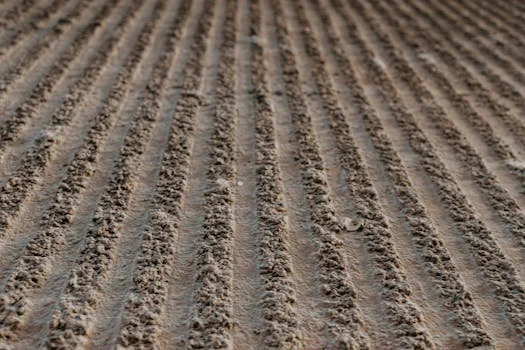
Selecting the optimal dewatering technology in Costa Rica requires balancing CAPEX, which ranges from $60,000 for screw presses to $150,000 for decanter centrifuges, against specific industrial footprint constraints. While the belt press was historically the standard for municipal plants, the screw press has gained significant market share in the food and beverage sector due to its ability to handle oily sludge without clogging.
For urban facilities in San José or Heredia where real estate is at a premium, the decanter centrifuge offers the smallest footprint (10–20 m²) but requires the highest energy input (up to 1.5 kWh/m³). Given Costa Rica’s average industrial electricity cost of $0.18/kWh, the long-term OPEX of a centrifuge must be weighed against the space savings. Conversely, the high-efficiency plate and frame filter press for batch dewatering remains the gold standard for achieving the highest possible cake solids (up to 40%) in specific industrial applications like mining or textiles.
| Criteria | Belt Press | Screw Press | Centrifuge |
|---|---|---|---|
| CAPEX (50 m³/h) | $80k–$120k | $60k–$90k | $100k–$150k |
| OPEX ($/m³) | $0.80–$1.20 | $0.50–$0.80 | $0.70–$1.00 |
| Maintenance | High (Weekly) | Low (Quarterly) | Medium (Monthly) |
| Noise Level | 70–80 dB | 65–75 dB | 80–90 dB |
| Import Duty | 13% | 13% | 13% |
Decision Framework for Costa Rican Operators:
- If high flow and low variability: Choose a Belt Press (e.g., La Uruca WWTP).
- If high FOG and automated operation is needed: Choose a Screw Press (e.g., Cargill plant in Limón).
- If space is extremely limited and solids are high: Choose a Centrifuge (e.g., Intel Costa Rica).
Cost Breakdown: Sludge Dewatering Equipment in Costa Rica (2025 Data)
A 50 m³/h sludge dewatering system in Costa Rica carries a total investment cost that includes a 13% import duty on equipment and approximately $10,000–$20,000 in civil and electrical installation costs. Many buyers overlook the "hidden" costs of logistics, such as port fees at Caldera or Moín and customs broker fees, which can add $2,000–$5,000 to the total project budget.
Operational expenses are dominated by polymer consumption and electricity. In a standard municipal setup, polymer costs range from $0.20–$0.50 per m³ of sludge, assuming a price of $3.50/kg for high-quality cationic polymers. Maintenance costs vary by equipment type: belt presses require roughly $5,000 annually for replacement belts and rollers, while screw presses are more economical, requiring approximately $3,000 for screw segment inspections and gearbox lubrication.
| Cost Component | Estimated USD (50 m³/h System) |
|---|---|
| Equipment Purchase | $60,000 – $150,000 |
| Import Duties (13%) | $7,800 – $19,500 |
| Installation & Piping | $10,000 – $20,000 |
| Commissioning & Training | $5,000 – $10,000 |
| Total CAPEX | $82,800 – $199,500 |
The ROI for these systems is typically realized within 1.5 to 3 years. For example, a municipal plant processing 50 m³/h that increases its cake solids from 10% to 25% will reduce its sludge volume by 60%. This cut in disposal costs from $100/m³ to $20/m³ results in annual savings of roughly $144,000 (HydropureWater field data, 2025). To see how regional neighbors handle these budgets, you can compare sludge dewatering equipment in Colombia: costs and compliance.
Compliance and Local Regulations for Sludge Dewatering in Costa Rica
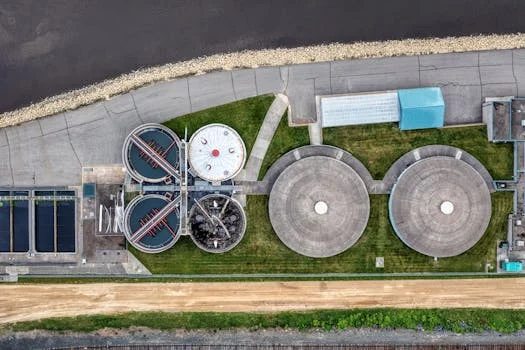
Decreto Ejecutivo 41548-MINAE mandates that sludge cake must exceed 20% solids for landfill acceptance and requires municipal and industrial facilities to maintain TSS levels below 30 mg/L. Compliance is not merely about the equipment; it involves a rigorous permitting and reporting process that starts months before installation.
The permitting process in Costa Rica involves three critical steps:
- Engineering Submission: Detailed plans including process flow diagrams (PFD), odor control measures, and equipment specifications must be submitted to MINAE for approval.
- Environmental Impact Assessment (EIA): For plants with a capacity exceeding 50 m³/h, a formal EIA is required, which can take 3–6 months to process.
- Annual Compliance Reporting: Facilities must log influent/effluent TSS, cake solids percentage (tested via the ASTM D2216 oven-dry method), and polymer usage data for annual audits.
Odor control is another strictly enforced aspect of the regulation. MINAE limits odor to <5 OU/m³ at the property line. In tropical environments, this often necessitates the use of covered conveyors and biofilters or chemical scrubbers. A textile plant in Alajuela recently avoided a $50,000 fine by upgrading from open drying beds to a fully enclosed screw press, which reduced odor complaints by 90% and ensured compliance with the 2025 standards (MINAE 2023 enforcement report).
Supplier Decision Framework: How to Choose a Sludge Dewatering Equipment Provider in Costa Rica
Procurement managers in Costa Rica prioritize suppliers that offer a minimum 2