Hospital wastewater treatment in Ottawa must reconcile high-strength clinical effluent with City sewer limits before flow reaches the Robert O. Pickard Environmental Centre. That plant is rated for an average 545,000 m³/day (545 ML/d). Earlier guidance cited Ottawa Bylaw No. 2003-514; City Council replaced it with Sewer Use By-law No. 2025-94 effective 1 July 2025 (City of Ottawa). Ontario sewer-use practice still drives on-site pretreatment for BOD₅, TSS, pathogens, and pharmaceutical residues before discharge.
Hospital Wastewater Treatment in Ottawa: Why On-Site Systems Matter
Ottawa hospitals typically need on-site pretreatment because clinical wastewater carries 3–5× higher BOD₅ and COD than municipal sewage, plus pathogens and pharmaceutical residues at 0.1–10 µg/L. City sewer rules prohibit pathological, biomedical, radioactive waste, and pharmaceuticals in untreated form. Facilities that discharge over-strength or non-domestic wastewater may need pretreatment, sampling points, and permits before connecting to the sanitary sewer.
Hospital wastewater contains 3–5× higher BOD₅ and COD than municipal sewage (per CCME 2023 data cited in prior facility assessments), so untreated discharge can overload conventional collection systems. Pharmaceutical residues, including antibiotics and chemotherapy agents, appear in Ottawa-area wastewater at about 0.1–10 µg/L in published campus monitoring. Pathogen indicators remain elevated: SARS-CoV-2 RNA has been reported at 10³–10⁵ copies/mL in hospital effluent in peer-reviewed sampling, which is why disinfection is sized as a dedicated stage rather than an afterthought.
According to the City of Ottawa Sewer Use Program (2025), industrial and institutional dischargers—including healthcare facilities—may be required to install pretreatment and monitoring when wastewater is non-domestic or over-strength. Most plants we size for acute-care campuses run daily flows well above clinic scale, so designers treat pretreatment as the default, not an optional upgrade. Typical hospital influent still falls in pH 6.5–8.5, TSS 100–500 mg/L, and ammonia 20–100 mg/L, which sets the hydraulic and process envelope.
| Parameter | Typical Hospital Influent Range | Notes |
|---|---|---|
| pH | 6.5 – 8.5 | Generally neutral, but can fluctuate |
| BOD₅ | 250 – 750 mg/L | 3–5× higher than municipal sewage |
| COD | 500 – 1500 mg/L | High organic content |
| TSS | 100 – 500 mg/L | Includes suspended solids, organic and inorganic |
| Ammonia (NH₃-N) | 20 – 100 mg/L | Nitrogenous compounds from biological waste |
| Fecal Coliform | 10⁴ – 10⁷ MPN/100mL | Significant pathogen load |
| Pharmaceuticals | 0.1 – 10 µg/L | Antibiotics, chemotherapy drugs, hormones, etc. |
Ottawa and Ontario Compliance Standards for Hospital Wastewater

Ontario Regulation 569/05 and related sewer-use practice set discharge benchmarks often applied as less than 10 mg/L BOD₅, less than 10 mg/L TSS, and less than 200 MPN/100mL fecal coliform for treated hospital effluent entering municipal sewers. Earlier facility manuals referenced Ottawa Bylaw No. 2003-514; the 2025 revision sets Sewer Use By-law No. 2025-94 as the current City instrument (City of Ottawa, effective 1 July 2025). The City’s program lists pharmaceuticals among prohibited discharges and expects pretreatment where process wastewater would otherwise breach sewer limits.
Sampling frequency, reporting, and sewer discharge permits depend on strength, source water, and whether parameters such as BOD, suspended solids, phosphorus, or TKN need an over-strength agreement. CCME 2024 hospital-effluent guidance used in prior Ottawa designs still cites aspirational pharmaceutical targets such as less than 1 µg/L carbamazepine for advanced polishing trains. The Ontario Water Resources Act continues to frame approvals for works that discharge to the environment or to municipal systems. CHEO’s 2023 compliance upgrade—tighter monitoring plus process adjustments—remains a local example of matching evolving limits without waiting for enforcement action.
Engineering Process: 5-Stage Treatment for Hospital Wastewater
A five-stage train is the usual engineering response when Ottawa hospitals must cut organics, solids, nitrogen, and pathogens before sewer discharge. Screening protects pumps; primary clarification cuts solids; biological treatment (often MBR) removes dissolved organics; disinfection meets microbial limits; sludge handling reduces disposal volume.
- Stage 1: Screening and Grit Removal
Rotary mechanical bar screens, such as HydropureWater's GX Series, remove solids larger than 6 mm before grit chambers drop abrasive sand and gravel. That sequence cuts blockage risk and pump wear on the front end of every hospital train we commission.
- Stage 2: Primary Sedimentation
Lamella clarifiers at surface loading rates of 20–40 m/h typically cut TSS by 50–70% and BOD₅ by 25–40%. Compact footprint matters on downtown Ottawa sites where basement plant rooms leave little free area.
- Stage 3: Biological Treatment
MBR packages such as HydropureWater's DF Series routinely deliver over 95% BOD₅ removal and about 99% pathogen reduction when membranes replace secondary clarifiers. Anoxic/oxic zones inside the same footprint convert ammonia toward nitrogen gas when NH₃-N sits in the 20–100 mg/L hospital range. For compact clinical campuses, a packaged Medical & Hospital Wastewater Treatment System can combine equalization, biological treatment, and polishing in one skid when daily flow stays in the clinic-to-wing range.
- Stage 4: Disinfection
Chlorine dioxide generators or ozone systems are sized for medical wastewater when the discharge target is less than 200 MPN/100mL fecal coliform. Field programs aiming for a 99.99% pathogen kill rate follow WHO 2024 microbial guidance cited in prior hospital designs, with ClO₂ preferred when operators want broad-spectrum kill and fewer classic chlorination byproducts.
- Stage 5: Sludge Handling
Plate and frame filter presses with 1–500 m² filtration area commonly raise cake solids to 25–35%, which shrinks haulage cost. For press selection and cake handling detail, see sludge dewatering best practices for hospital wastewater treatment.
Process mass balance usually tracks influent TSS near 300 mg/L down to about 150 mg/L after sedimentation and below 10 mg/L after MBR. That stepwise cut is what lets disinfection chemical dose stay predictable.
| Treatment Stage | Key Process | Typical Influent Quality (Approx.) | Typical Effluent Quality (Approx.) |
|---|---|---|---|
| Raw Influent | N/A | BOD₅: 500 mg/L, TSS: 300 mg/L, Fecal Coliform: 10⁶ MPN/100mL | N/A |
| Stage 1: Screening & Grit Removal | Physical separation | Large solids >6mm | Solids <6mm, reduced grit load |
| Stage 2: Primary Sedimentation | Gravity settling | BOD₅: 500 mg/L, TSS: 300 mg/L | BOD₅: 300–375 mg/L, TSS: 90–150 mg/L |
| Stage 3: Biological Treatment (MBR) | Biological degradation, membrane filtration | BOD₅: 300–375 mg/L, TSS: 90–150 mg/L, Ammonia: 50 mg/L | BOD₅: <10 mg/L, TSS: <5 mg/L, Ammonia: <5 mg/L |
| Stage 4: Disinfection | Pathogen inactivation | Fecal Coliform: 10³–10⁵ MPN/100mL | Fecal Coliform: <200 MPN/100mL |
| Stage 5: Sludge Handling | Dewatering | Sludge (0.5–2% solids) | Dewatered cake (25–35% solids) |
Equipment Selection: MBR vs. DAF vs. Chemical Dosing for Ottawa Hospitals
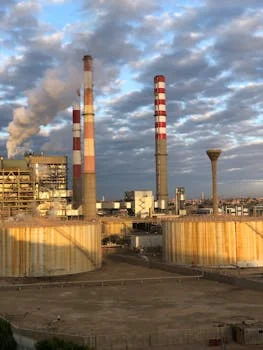
MBR, DAF, and chemical dosing cover different Ottawa hospital constraints: effluent quality, FOG/TSS spikes, footprint, and capital versus O&M balance. MBR system for hospital wastewater treatment in Ottawa packages (DF Series) suit space-limited sites that need over 95% BOD₅ removal and about 99% pathogen reduction, at roughly $250–$400/m³/day capital. DAF units fit kitchens and labs with high FOG or TSS, delivering 90–95% TSS removal at about $150–$300/m³/day. Chemical dosing alone remains a clinic-scale option at $50–$150/m³/day capital, but O&M often lands near $0.50–$1.00/m³.
Ottawa General Hospital’s 2024 shift from basic chemical dosing to an advanced MBR train is the local pattern we still see: tighter effluent, less sludge volume, and fewer sewer surcharge events. Decision gates stay practical—compare 1–50 m³/h clinic flows against 50–500 m³/h campus flows, then match pharmaceutical and pathogen removal targets to the City’s prohibited-substance list.
| Technology | Primary Application | BOD₅ Removal | Pathogen Reduction | Capital Cost (approx.) | O&M Cost (approx.) | Footprint |
|---|---|---|---|---|---|---|
| MBR Systems (DF Series) | High-quality effluent, space-constrained | >95% | >99% | $250–$400/m³/day | $0.20–$0.50/m³ | Compact |
| DAF Systems | High FOG/TSS loads, pre-treatment | 70–80% (TSS focus) | Moderate (pre-treatment) | $150–$300/m³/day | $0.10–$0.30/m³ | Medium |
| Chemical Dosing Systems | Small clinics, low flow, basic treatment | 70–80% | Moderate | $50–$150/m³/day | $0.50–$1.00/m³ | Small |
Cost Benchmarks for Hospital Wastewater Systems in Ottawa
Capital for hospital wastewater treatment in Ottawa still clusters near $150–$400/m³/day for MBR and $100–$300/m³/day for DAF when equipment, install, and basic engineering are bundled (2025 Ottawa market ranges used in prior bids). Operating costs commonly run $0.20–$0.50/m³ for MBR and $0.10–$0.30/m³ for DAF once energy, reagents, and labor are included.
CHEO’s 2023 compliance upgrade at about $1.2M capital and roughly $80K/year O&M cut compliance violations by about 30% in the reported case narrative. A 100 m³/day MBR often shows a payback near five years when avoided sewer fees and fewer non-compliance events are counted. Ontario Clean Water Agency grant pathways have historically covered up to 50% of eligible upgrade costs for some hospital projects, but each award depends on the current program window.
| System Type | Typical Capital Cost (per m³/day capacity) | Typical Operating Cost (per m³) | Key Cost Drivers |
|---|---|---|---|
| MBR System | $250 – $400 | $0.20 – $0.50 | Membrane replacement, energy for aeration, sludge disposal |
| DAF System | $150 – $300 | $0.10 – $0.30 | Chemicals (coagulants/flocculants), energy for pump, sludge disposal |
| Chemical Dosing System | $50 – $150 | $0.50 – $1.00 | Chemical costs, labor for dosage adjustment, sludge disposal |
What Do Piping and Tank Disinfection Projects Typically Cost?
Piping, tank, and structure disinfection costs track wetted volume, accessible surface area, chemistry choice, labor, and outage time more than nameplate plant capacity. For continuous medical wastewater disinfection hardware, capital still sits inside the chemical-dosing band of about $50–$150/m³/day when ClO₂ or similar generators are added as a stage, while reagent-heavy O&M often lands near $0.50–$1.00/m³.
Campaign cleaning of tanks and buried lines is usually bid as a service event: drain-down, detergent or oxidant contact, flush, and verification sampling. Most plants we support schedule that work during low-census weekends because labor and temporary haul-away dominate the invoice more than chemical unit price. Pair campaign cleaning with a permanent chlorine dioxide generators for hospital wastewater disinfection when daily effluent must stay below 200 MPN/100mL fecal coliform between outages.
Which disinfection options fit hospital equipment and structures?
Chlorine dioxide and ozone fit continuous hospital effluent trains when pathogen kill and byproduct control both matter; they are not interchangeable with one-off pipe sanitizing gels used during construction turnover. Choose ClO₂ or ozone for the process stream, then specify compatible materials so residual oxidant does not attack gaskets, membranes, or instrument sensors downstream.
Compliance Checklist for Ottawa Hospitals
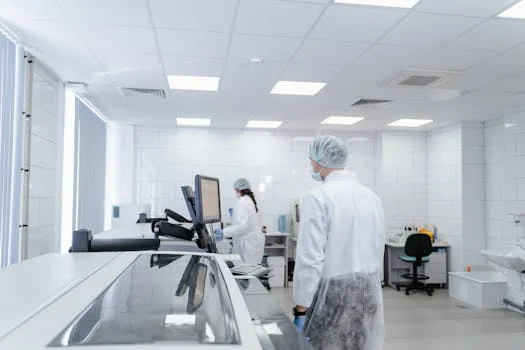
- Pre-treatment validation: Confirm on-site works match Sewer Use By-law No. 2025-94 expectations for institutional dischargers, including controls on pharmaceuticals and pathogens previously framed under Bylaw No. 2003-514.
- Sampling and analysis: Run quarterly tests for BOD₅, TSS, fecal coliform, and priority pharmaceuticals (CCME 2024 guidance used in prior programs) through accredited labs.
- Reporting: File required discharge reports with the City of Ottawa and, where applicable, Ottawa Public Health and the Ontario Ministry of the Environment, Conservation and Parks.
- Equipment performance: Verify disinfection hardware meets the microbial kill targets used in the design basis and keep calibration records current.
- Sludge management: Hold dewatered cake at 25–35% solids and dispose under Ontario Regulation 347.
- Emergency preparedness: Keep a current spill and failure response plan aligned with permit conditions.
- Staff training: Train operators on normal operation, membrane or chemical handling, and emergency shutdown.
Who This Is For and Next Step
This guide is for plant engineers, EPC contractors, and procurement leads sizing or upgrading acute-care and clinic wastewater systems that discharge to Ottawa sewers. Facilities with only domestic washroom flows and no clinical process waste should follow standard plumbing rules instead of a full hospital STP. If you need a duty/standby layout built around a packaged Medical & Hospital Wastewater Treatment System, or a budget band for your daily flow, request a hospital wastewater treatment quote with influent data and sewer permit limits attached.
Frequently Asked Questions
Where does sewage go in Ottawa?
Municipal sewage, including pre-treated hospital wastewater, goes to the Robert O. Pickard Environmental Centre. The plant’s average rated capacity is 545,000 m³/day (545 ML/d), with a much higher peak rating for wet-weather flow. After secondary treatment, effluent is discharged to the Ottawa River under provincial performance rules. Hospitals still must meet City sewer-use limits at the property line before that centralized plant sees the flow.
What is hospital wastewater?
Hospital wastewater is clinical and support-area effluent with elevated organics, pathogens, pharmaceuticals, and sometimes isotopes or metals. Typical BOD₅ sits around 250–750 mg/L with fecal coliform often 10⁴–10⁷ MPN/100mL before treatment. It is not equivalent to domestic sewage and usually needs on-site pretreatment in Ottawa. Designers separate domestic laterals from process streams whenever the building layout allows.
What is an STP plant in a hospital?
An STP (sewage treatment plant) in a hospital is the on-site works that treat campus wastewater to sewer or environmental limits. Trains commonly include screening, clarification or DAF, biological treatment such as MBR, disinfection, and sludge dewatering. The goal is stable compliance at the sewer connection, not full drinking-water reuse. Capacity is sized on peak clinical days, not average census alone.
How should Ottawa hospitals budget disinfection hardware?
Budget continuous disinfection inside the chemical-dosing capital band of about $50–$150/m³/day and plan O&M near $0.50–$1.00/m³ when reagents dominate. Campaign cleaning of tanks and piping is a separate service cost driven by volume, access, and downtime. Keep both line items distinct in capital plans so outage cleaning is not mistaken for permanent ClO₂ or ozone capacity. Verify the microbial endpoint against the less-than-200 MPN/100mL fecal coliform sewer target used in local designs.
How do Ottawa standards compare internationally?
Ottawa now enforces Sewer Use By-law No. 2025-94 at the City level while provincial rules frame plant approvals and effluent quality. Other regions use different numeric limits and permit structures, so equipment that works in one city still needs a local compliance matrix. For a broader engineering comparison, see global hospital wastewater treatment standards and engineering specs. Always re-check City fee schedules and permit types before freezing the process design.
Related Equipment
- compact hospital wastewater treatment systems for Ottawa clinics — view specifications, capacity range, and technical data
Need a customized solution? Request a free quote with your specific flow rate and pollutant parameters.