In 2025, Khobar’s industrial and municipal sectors require sewage treatment equipment that meets Saudi Arabia’s SASO 2864:2020 and MEWA wastewater discharge standards (e.g., BOD < 30 mg/L, TSS < 40 mg/L). Suppliers like Ion Exchange Arabia and Etch2o offer MBR, DAF, and lamella clarifier systems with capacities from 10–2,000 m³/day, but costs vary widely: compact MBR units start at $120,000, while large-scale DAF systems for petrochemical plants exceed $1.5M. This guide provides Khobar-specific compliance data, technical specs, and a 5-step supplier selection framework to help buyers avoid overpaying or under-specifying.
Why Khobar’s Wastewater Treatment Needs Are Unique in 2025
Khobar’s industrial zones, including Dammam 2nd Industrial City, generate approximately 45% of Saudi Arabia’s petrochemical wastewater, according to a 2024 MEWA report. This significant industrial footprint creates a unique set of challenges for sewage treatment equipment suppliers, demanding specialized solutions that handle high chemical oxygen demand (COD) and complex organic loads. the ambitious NEOM $500B megaproject is indirectly driving demand across the Eastern Province for modular, high-efficiency Sewage Treatment Plants (STPs), often requiring advanced systems like MBR with ultra-low TSS discharge targets (e.g., <1 mg/L). Compliance is non-negotiable, as SASO 2864:2020 mandates tertiary treatment for industrial effluent, with non-compliance fines starting at SAR 500,000, based on MEWA 2023 enforcement data. Khobar also faces severe water scarcity, with per capita water availability at 89 m³/year, significantly below the global average of 7,000 m³/year. This scarcity critically impacts equipment selection, favoring robust water reuse systems that can recover and treat effluent for non-potable applications. For instance, a 2024 Jubail refinery retrofit successfully reduced its water consumption by 30% through the implementation of integrated DAF and Reverse Osmosis (RO) systems, demonstrating the region's commitment to water conservation (supplier data from SERP analysis).
Key Criteria for Selecting a Sewage Treatment Equipment Supplier in Khobar
Selecting a sewage treatment equipment supplier in Khobar necessitates a structured evaluation of several key criteria beyond initial price, focusing on long-term operational efficiency and regulatory adherence. Compliance certifications are paramount; suppliers must demonstrate adherence to SASO standards (e.g., SASO 2864:2020 for treated wastewater reuse), ISO 14001 for environmental management, and specific MEWA approvals, providing required documents such as discharge permits and equipment conformity certificates for each system type. Technical expertise is evidenced by a supplier's portfolio of case studies, particularly in Khobar’s dominant sectors like petrochemicals, food processing, or municipal applications, showcasing their proven ability to handle specific influent characteristics. Customization capabilities are crucial, especially for Khobar’s coastal industrial areas where high-salinity wastewater is common, requiring systems adapted for corrosive environments or specialized membrane materials. After-sales support is a critical operational factor, encompassing local service centers, guaranteed spare parts availability, and advanced features like 24/7 remote monitoring, which top suppliers like Etch2o offer from their Khobar office. Cost transparency is essential for accurate budgeting, with suppliers providing detailed CAPEX (Capital Expenditure) and OPEX (Operational Expenditure) breakdowns; for example, while MBR systems have a higher CAPEX, they often yield 40% lower OPEX compared to conventional STPs due to reduced sludge production and superior effluent quality. Finally, sustainability considerations favor energy-efficient systems, such as lamella clarifiers, which can achieve 20% lower power consumption than traditional clarifiers, and technologies that minimize sludge generation.
| Evaluation Criterion | Key Considerations for Khobar | Impact on Project |
|---|---|---|
| Compliance & Certifications | SASO 2864:2020, ISO 14001, MEWA approvals, local permitting | Avoids SAR 500,000+ fines, ensures operational legality |
| Technical Expertise | Proven case studies in petrochemical, municipal, marine sectors | Guarantees effective treatment for specific influent challenges |
| Customization Capabilities | Adaptation for high-salinity, variable flow, specific pollutants | Optimized performance, extended equipment lifespan |
| After-Sales Support | Local service, spare parts, 24/7 remote monitoring | Minimizes downtime, ensures continuous operation |
| Cost Transparency | Detailed CAPEX/OPEX, lifecycle cost analysis | Accurate budgeting, prevents hidden costs, better ROI |
| Sustainability & Efficiency | Energy-efficient components, sludge reduction, water reuse focus | Lower OPEX, reduced environmental footprint, aligns with Vision 2030 |
Technical Specs: Comparing Sewage Treatment Equipment for Khobar’s Top 3 Use Cases
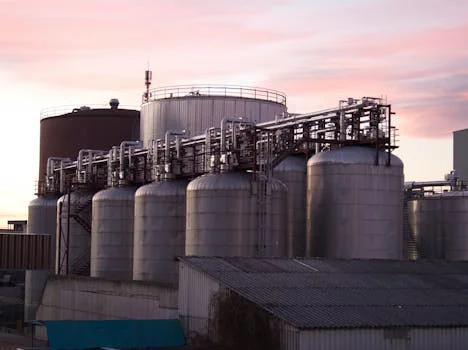
Matching sewage treatment equipment to the specific application in Khobar is critical for achieving optimal performance, compliance, and cost-efficiency. Different industrial and municipal contexts present distinct influent characteristics and effluent requirements, necessitating tailored technological solutions.
Use Case 1: Petrochemical Plants (e.g., SABIC, Aramco)
Petrochemical plants in Khobar and Jubail generate highly complex wastewater characterized by influent with high COD (typically 5,000–10,000 mg/L), significant oil and grease content (500–1,500 mg/L), and various heavy metals. For these demanding conditions, a multi-stage approach is essential. Recommended systems often integrate DAF systems for petrochemical wastewater in Khobar for primary oil and suspended solids removal, followed by MBR systems for NEOM-compliant municipal STPs (like the DF series) to achieve superior biological treatment and membrane filtration, resulting in 99% TSS removal and consistent effluent quality. The CAPEX for a 500 m³/day petrochemical wastewater treatment system ranges from $800,000 to $2.5M, with an estimated OPEX of $0.45–$0.70/m³ (2025 benchmarks).
Use Case 2: Municipal STPs (e.g., Khobar City, Dhahran)
Municipal STPs in Khobar and Dhahran typically handle influent with BOD ranging from 200–400 mg/L and TSS between 250–500 mg/L, often exhibiting variable flow rates. For these applications, especially where space is constrained, compact and efficient solutions are preferred. Recommended systems include WSZ underground package plants, which offer a discreet footprint and modular scalability, or lamella clarifiers for cost-effective municipal treatment. These systems are designed for robust performance under fluctuating loads, producing effluent that meets SASO 2864:2020 standards for discharge or reuse. The CAPEX for a 200 m³/day municipal system ranges from $300,000 to $1.2M, with an OPEX of $0.20–$0.35/m³.
Use Case 3: Marine/Desalination (e.g., King Abdulaziz Port)
Wastewater from marine operations or desalination facilities, such as those near King Abdulaziz Port, presents unique challenges, primarily due to high salinity (35,000–45,000 mg/L TDS) and organic loads from ballast water or general ship operations. For such applications, specialized treatment is required to handle the corrosive nature of saltwater and specific contaminants. Recommended systems include Sea Water Reverse Osmosis (SWRO) for desalination brine or highly saline effluent, often coupled with chlorine dioxide generators for effective disinfection before discharge or further use. The CAPEX for a 1,000 m³/day marine/desalination wastewater treatment system is typically between $1.1M and $3M, with an OPEX of $0.60–$0.90/m³.
| Use Case | Key Influent Parameters | Recommended Equipment | Typical CAPEX (2025) | Typical OPEX (2025) |
|---|---|---|---|---|
| Petrochemical Plants | High COD (5-10k mg/L), Oil/Grease (500-1.5k mg/L), Heavy Metals | DAF + MBR (DF) | $800,000–$2.5M (500 m³/day) | $0.45–$0.70/m³ |
| Municipal STPs | BOD (200-400 mg/L), TSS (250-500 mg/L), Variable Flow | WSZ Underground Package Plant or Lamella Clarifiers | $300,000–$1.2M (200 m³/day) | $0.20–$0.35/m³ |
| Marine/Desalination | High Salinity (35-45k mg/L TDS), Organic Load | SWRO + Chlorine Dioxide Generators | $1.1M–$3M (1,000 m³/day) | $0.60–$0.90/m³ |
Cost Breakdown: Sewage Treatment Equipment in Khobar (2025 Data)
Understanding the full financial implications of sewage treatment equipment in Khobar requires a transparent breakdown of both capital and operational expenditures for 2025. Capital Expenditure (CAPEX) for various equipment types shows significant variation depending on capacity and technology. DAF systems, suitable for pre-treatment in many industrial applications, typically range from $50,000 to $300,000 for capacities of 4–300 m³/h. MBR systems, offering high-quality effluent for reuse, command a higher CAPEX, from $120,000 for compact units up to $2.5M for large-scale industrial applications (10–2,000 m³/day). Lamella clarifiers, known for their compact footprint and efficiency in solids removal, are more budget-friendly, with CAPEX between $40,000 and $180,000 for 50–500 m³/h systems. For municipal or commercial applications requiring discreet installations, underground STPs (WSZ series) range from $80,000 to $500,000 for capacities of 1–80 m³/h. Operational Expenditure (OPEX) is primarily driven by energy consumption, which accounts for 30–50% of total costs, particularly for aeration and pumping. Chemical consumption (e.g., coagulants, disinfectants) contributes 20–30%, while labor for operation and maintenance typically represents 10–20%. For MBR systems, membrane replacement costs are a significant OPEX factor, usually occurring every 5–7 years. Beyond equipment and direct operational costs, hidden costs can significantly impact project budgets. Permitting fees from MEWA can range from SAR 50,000–200,000, depending on the project scale and complexity. Civil works, including excavation, foundation, and housing for equipment, often constitute 20–40% of the total CAPEX. Additionally, advanced features like remote monitoring and SCADA systems can add 5–10% to the annual OPEX. Buyers considering cost-saving options might explore the used equipment market, where systems are available at a 30–50% discount compared to new units; however, MEWA mandates rigorous re-certification and inspection to ensure compliance and operational safety (per related searches on used equipment in Saudi Arabia).
| Equipment Type | Typical CAPEX Range (2025 USD) | Capacity Range | Key OPEX Drivers |
|---|---|---|---|
| DAF Systems | $50,000–$300,000 | 4–300 m³/h | Energy (air compressor), chemicals |
| MBR Systems | $120,000–$2.5M | 10–2,000 m³/day | Energy (aeration, pumps), membrane replacement, chemicals |
| Lamella Clarifiers | $40,000–$180,000 | 50–500 m³/h | Minimal energy (pumps), sludge handling |
| Underground STPs (WSZ Series) | $80,000–$500,000 | 1–80 m³/h | Energy (aeration, pumps), chemicals, sludge handling |
Top 5 Sewage Treatment Equipment Suppliers in Khobar: Comparison Table
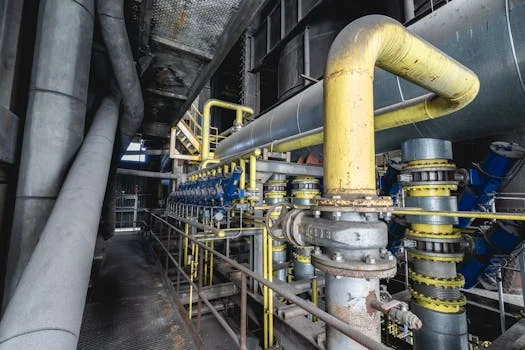
Evaluating the leading sewage treatment equipment suppliers in Khobar requires a direct comparison across critical operational and service criteria to ensure a well-informed procurement decision. The following table provides a concise overview of key players based on their certifications, technical expertise, local project experience, after-sales support infrastructure, and pricing transparency, derived from SERP research, supplier websites, and 2024 MEWA project reports. This is not a paid ranking.
| Supplier | Key Certifications | Technical Expertise & Specialization | Khobar Project Examples | After-Sales Support | Pricing Transparency |
|---|---|---|---|---|---|
| Ion Exchange Arabia | ISO 9001, ISO 14001, SASO | Integrated water & wastewater solutions, RO, STP, ETP | Large-scale industrial & municipal plants | Established local service network, spare parts | Generally transparent, project-based quotes |
| Etch2o | ISO 9001, MEWA approved | MBBR, MBR, DAF, UF, RO plants; focus on efficient solutions | Various industrial & commercial projects in Khobar | Khobar office, 24/7 remote monitoring, maintenance contracts | Detailed proposals, CAPEX/OPEX breakdowns |
| Nassguard Trading | SASO, relevant industrial certifications | Package STPs, industrial wastewater, marine solutions | Residential compounds, small industrial facilities | Local team, spare parts, basic O&M services | Competitive, often project-specific pricing |
| REDA Water | ISO certified, local compliance | Chemical treatment, filtration, desalination, wastewater | Diverse portfolio including water treatment chemicals & equipment | Strong chemical supply chain, equipment support | Modular pricing for standard units, custom for large projects |
| HydropureWater | ISO 9001, CE, MEWA-compatible designs | Advanced DAF, MBR, lamella clarifiers, custom industrial STPs | Specialized solutions for petrochemical & municipal sectors | Comprehensive technical support, remote assistance, spare parts | Detailed CAPEX/OPEX, lifecycle cost analysis |
Step-by-Step Guide: Selecting the Right Supplier for Your Khobar Project
A systematic approach to supplier selection ensures that your Khobar sewage treatment project meets technical, compliance, and budgetary requirements efficiently. The first crucial step is to meticulously define your influent parameters, including COD, BOD, TSS, pH, and crucially, salinity, especially for coastal industrial sites. Simultaneously, clearly state your required effluent quality, strictly adhering to Saudi Arabia’s regional wastewater compliance standards, such as SASO 2864:2020 for discharge or reuse. Step 2 involves shortlisting suppliers who possess demonstrable Khobar-specific case studies or extensive experience in industries similar to yours; always request references from these projects to validate their claims and performance. In Step 3, request comprehensive technical proposals from your shortlisted suppliers, which must include detailed CAPEX and OPEX breakdowns, along with explicit compliance guarantees for Saudi Arabian regulations. This transparency is vital for accurate financial planning and risk mitigation. Step 4 focuses on evaluating the after-sales support capabilities, examining factors like local presence (e.g., Etch2o’s 24/7 remote monitoring services), guaranteed spare parts lead times, and the availability of skilled technicians for routine maintenance and emergency repairs. Finally, for projects exceeding $500K in CAPEX, Step 5 recommends pilot testing the proposed system to validate its performance under your specific wastewater conditions before committing to full-scale deployment. Common mistakes in this process include ignoring the impact of high salinity prevalent in Khobar’s coastal areas, underestimating the significant costs associated with civil works, or skipping vital pilot tests that could uncover unforeseen operational challenges.
Frequently Asked Questions
What are the primary wastewater discharge standards in Khobar?
The primary wastewater discharge standards in Khobar are governed by Saudi Arabia's SASO 2864:2020 and MEWA regulations, which mandate specific limits for parameters such as Biochemical Oxygen Demand (BOD < 30 mg/L), Total Suspended Solids (TSS < 40 mg/L), pH (6-9), and often require tertiary treatment for industrial effluent.
How much does it cost to set up a sewage treatment plant in Khobar?
The cost to set up a sewage treatment plant in Khobar varies significantly based on capacity, technology, and influent characteristics, with CAPEX ranging from $80,000 for small underground package plants (1-80 m³/h) to over $2.5M for large-scale industrial MBR systems (up to 2,000 m³/day), excluding civil works and permitting fees.
What are the key differences between MBR and DAF systems for industrial wastewater treatment in Khobar?
MBR (Membrane Bioreactor) systems offer superior effluent quality suitable for reuse, higher biological treatment efficiency, and a smaller footprint, making them ideal for tertiary treatment and compliance with strict standards. DAF (Dissolved Air Flotation) systems, on the other hand, are primarily effective for removing suspended solids, oil, and grease, serving as a highly efficient primary or pre-treatment stage for industrial wastewater, particularly in petrochemical applications with high oil loads.
Is it possible to use treated sewage effluent for water reuse in Khobar?
Yes, it is possible and increasingly common to use treated sewage effluent for water reuse in Khobar, particularly for non-potable applications like industrial cooling, irrigation of non-food crops, and landscape watering, provided the effluent meets the stringent quality standards outlined in SASO 2864:2020 for various reuse categories.
What are the typical operating expenses (OPEX) for a sewage treatment plant in Khobar?
Typical operating expenses for a sewage treatment plant in Khobar are primarily driven by energy consumption (30-50%), chemical costs (20-30%), labor (10-20%), and for advanced systems like MBR, periodic membrane replacement. These costs can range from $0.20/m³ for municipal plants to $0.70/m³ or higher for complex industrial applications.
Are there specific regulations for sludge dewatering equipment in Saudi Arabia?
Yes, specific regulations for sludge dewatering equipment in Saudi Arabia are part of broader MEWA environmental guidelines, focusing on the safe handling, treatment, and disposal of sludge to prevent environmental contamination. Compliance often requires proper characterization of sludge, adherence to disposal site requirements, and sometimes mandates further processing like composting or incineration, linking closely with sludge dewatering solutions for Khobar’s industrial STPs.