What defines the best automatic dosing pump for industrial use?
The best automatic dosing pump for industrial use is the mechanism that meets required flow, pressure, and chemical compatibility at the needed accuracy. An automatic costs decision dosing framework pump assessment compares diaphragm, piston, and peristaltic options using specs, CAPEX, OPEX, and ROI. Selection depends on fluid, hydraulics, and maintenance limits—not brand claims.
A water treatment facility in Shandong Province incurred approximately $50,000 in annual chemical waste due to a 15% over-dosing of coagulants caused by inaccurate dosing hardware (HydropureWater field data, 2025). Excess aluminum sulfate fouled the downstream ultrafiltration membranes. Backwash frequency rose by 25%, and membrane life fell by two years.
In industrial plants, dosing accuracy shapes OPEX and compliance risk. Under China’s GB 8978-1996 discharge limits, small delivery swings can push pH or metals out of range. Digital diaphragm pumps with stepper drives can hold ±1% steady-state accuracy and cut the slug-dosing pattern seen in older solenoid units. After the Shandong site moved to hardware such as a Grundfos DME or an Automatic Chemical Dosing System, effluent quality stabilized and full ROI arrived within 14 months.
What is an automatic dosing system?
An automatic dosing system meters a set chemical volume into a process stream under sensor or PLC control. It typically pairs a metering pump with tanks, valves, calibration columns, and 4–20 mA or Modbus signals. The goal is repeatable dose rate as flow, concentration, or pH setpoints change.
For disinfection skids, an Chlorine Dioxide Generator for precise disinfectant dosing often embeds the same pump classes so disinfectant delivery stays aligned with demand.
Automatic dosing pump types: engineering specs and use cases
Diaphragm metering pumps suit water treatment because the seal-less head limits leaks with acids and hypochlorite. A motor or solenoid drives a reciprocating diaphragm. High-end digital units commonly cover 0.1 to 10,000 L/h and pressures up to 16 bar. Turndown can reach 1:1000 while holding about ±1% accuracy.
Piston or plunger pumps displace fluid with a precision piston. They handle pressures up to 500 bar and flows to 20,000 L/h (Milton Roy engineering specs). Direct fluid contact favors non-corrosive, high-viscosity duties such as polymers or high-pressure petrochemical injection. Packing and seals raise the maintenance load versus diaphragm designs.
Peristaltic pumps move shear-sensitive or abrasive fluids such as lime slurry or carbon suspensions. Rollers compress a tube, so wetted contact stays inside the hose. Typical flows span 0.001 to 30 L/min at pressures usually under 10 bar. Accuracy often sits between ±2% and ±5% as the tube wears, yet solids handling remains strong in sludge and some pharmaceutical lines.
| Pump Mechanism | Max Flow Rate | Max Pressure | Typical Accuracy | Ideal Fluid Type |
|---|---|---|---|---|
| Digital Diaphragm | 10,000 L/h | 16 Bar | ±1% | Acids, Alkalis, Coagulants |
| Reciprocating Piston | 20,000 L/h | 500 Bar | ±0.5% | Polymers, Oil-based fluids |
| Peristaltic (Hose) | 1,800 L/h | 10 Bar | ±2% | Slurries, Abrasives, Sludge |
Which chemical dosing pumps have the lowest operating costs?
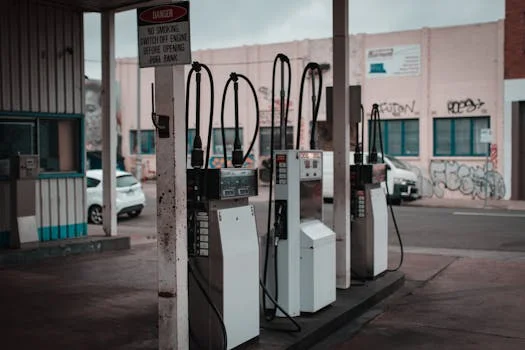
Choosing hardware for industrial service means matching hydraulics to chemistry. The 2025 market favors smart pumps with built-in flow and pressure sensing in the head, which cuts external sensors. Rank steady-state accuracy above short-cycle repetitive accuracy when long process stability matters. The matrix below states current industrial boundaries.
| Parameter | Diaphragm Pump | Piston Pump | Peristaltic Pump |
|---|---|---|---|
| Flow Range | Low to Medium (0.1–10k L/h) | High (Up to 20k L/h) | Very Low to Medium |
| Pressure Limit | Moderate (16–25 Bar) | Very High (Up to 500 Bar) | Low (Up to 10 Bar) |
| Accuracy | High (±1%) | Extreme (±0.5%) | Moderate (±2-5%) |
| Chemical Resistance | Excellent (PTFE/PVDF) | Limited by Seals | Excellent (Tube dependent) |
| Viscosity Handling | Poor (<200 mPas) | Good (<1000 mPas) | Excellent (>5000 mPas) |
| Maintenance Needs | Low (Diaphragm check) | High (Seal/Packing) | Medium (Tube replacement) |
| Est. CAPEX (USD) | $1,500 – $15,000 | $3,000 – $25,000 | $500 – $5,000 |
Diaphragm pumps cover most water-treatment chemicals, yet off-gassing fluids such as sodium hypochlorite need auto-venting heads. Piston pumps remain standard for high-pressure boiler feed. Peristaltic units fit primary sludge conditioning where grit would erode pistons or clog diaphragm valves. Lowest operating cost usually tracks chemical waste avoided, not the cheapest nameplate.
Cost benchmarks: CAPEX, OPEX, and ROI
CAPEX swings with materials and automation. A 316 stainless steel piston pump for petrochemical duty may cost 40% more than a PVDF diaphragm pump at the same flow because high-pressure alloys cost more to machine. Per 2025 market benchmarks, peristaltic pumps stay cost-effective for low-flow, low-pressure lab or pilot work and are often 30% cheaper than digital diaphragm alternatives.
Energy draw is usually modest at 0.5–2.0 kW for most industrial units. Chemical waste still dominates OPEX. Moving from ±3% to ±1% accuracy can cut about 2% chemical use. On a plant spending $500,000 per year on specialty polymers, that 2% gap equals $10,000 in avoidable waste. Diaphragms often need replacement every 2–5 years at roughly 10% of CAPEX. Peristaltic tubes may need change every 6 months at about 5% of CAPEX.
Use this ROI check: ROI (Years) = CAPEX / (Annual Chemical Savings + Annual Maintenance Reduction). One upgrade path is an $8,000 digital diaphragm pump that saves $6,000/year in chemical waste and $1,000/year in labor, giving a 1.14-year ROI. For broader skid budgeting, see the 2025 chemical dosing system specifications and selection guide.
Automatic costs decision dosing framework pump selection steps
Apply this five-step sequence so the pump survives the chemical and still hits hydraulic targets. Treat it as a practical automatic costs decision dosing framework pump screen before you freeze the datasheet.
- Define Hydraulic and Chemical Requirements: Determine the maximum and minimum flow rates (L/h), the maximum backpressure at the injection point (Bar), and the chemical’s concentration, viscosity, and vapor pressure.
- Narrow Down Pump Technology: Use the logic of "If-Then" parameters. If the fluid is highly viscous (>1000 mPas) or contains solids, select a peristaltic pump. If the pressure exceeds 20 Bar, select a piston pump. If the application requires high precision for water treatment chemicals, select a digital diaphragm pump.
- Verify Material Compatibility: Check the "Wetted Parts" (pump head, valves, diaphragms) against a chemical resistance chart. PTFE diaphragms and Ceramic valve balls are standard for most acids, but EPDM or Viton seals may be required for specific solvents.
- Assess Control and Integration: Determine if the pump needs to respond to external signals (4-20mA, pulse, or BUS protocols like Profibus/Modbus). Modern Automatic Chemical Dosing System packages allow plant SCADA integration without orphan controllers.
- Conduct a Total Cost of Ownership (TCO) Analysis: Compare the CAPEX of two brands against their predicted maintenance schedules and accuracy ratings. A cheaper pump with ±5% accuracy is often more expensive over a 5-year lifecycle than a premium pump with ±1% accuracy.
Rapid screen: pressure above 25 Bar points to a piston pump. Slurry or solids point to a peristaltic pump. Standard water-treatment chemicals point to a diaphragm pump. That order blocks common failures such as seal rupture under high pressure or valve clogging on slurry.
Which wastewater pump technologies have the lowest maintenance costs?
Lifespan tracks chemical cleanliness and valve inspection discipline. Diaphragm pumps can air-bind if the suction line is undersized or the fluid off-gasses. Run a monthly calibration with a graduated column so stroke or speed still matches the target output. Precision dosing also supports compliance themes covered in industrial wastewater treatment engineering guides for 2025.
| Symptom | Likely Cause | Diagnostic Step | Solution |
|---|---|---|---|
| Low/No Flow | Clogged Suction Strainer | Inspect inlet filter | Clean or replace strainer |
| Inaccurate Dosing | Worn Valve Balls/Seats | Perform calibration test | Replace valve cartridges |
| Pump "Hammering" | Lack of Pulsation Dampener | Check pipe vibration | Install/charge dampener |
| Leaking Head | Ruptured Diaphragm | Check weep hole for fluid | Replace diaphragm immediately |
Fit a back-pressure valve so the pump sees a steady load and check valves seat cleanly. Lubricate piston drive ends and adjust packing about every 2,000 operating hours. Log peristaltic tube hours and replace hose before rupture to avoid spills that attack the housing.
On maintenance cost alone, digital diaphragm pumps usually win for clean water-treatment chemicals because diaphragm intervals span years. Peristaltic units cost more in hose changes but protect the drive from abrasive slurry. Piston pumps carry the highest seal labor on high-pressure loops.
Frequently asked questions

What is the best dosing pump for industrial use?The right pump is application-specific. For general water treatment and chemical dosing, digital diaphragm pumps such as Grundfos DME or ProMinent Gamma/X are common because they offer ±1% accuracy and up to 1:1000 turndown. High-pressure petrochemical duty often uses Milton Roy piston pumps. Abrasive slurries often use Watson-Marlow peristaltic pumps.
Which dosing pump brand is best?Grundfos is widely used in water treatment digital dosing. Watson-Marlow leads many peristaltic duties. ProMinent and Milton Roy are frequent benchmarks for heavy industrial and high-pressure metering. Local spare-parts support should weigh as heavily as catalog specs.
What is the lifespan of a dosing pump?A well-maintained industrial dosing pump typically lasts 10 to 15 years. Wear parts turn faster: diaphragms 2–5 years, piston seals 1–2 years, and peristaltic tubes 3–12 months. Regular calibration and a suction strainer can extend overall life by up to 50%.
Which pressure pump brand is best?For high-pressure dosing up to 500 bar, Milton Roy and LEWA are frequent references. Their reciprocating designs hold accuracy under extreme hydraulic load in oil and gas or boiler-feed service.
How do I choose between diaphragm, piston, and peristaltic pumps?Use the three-V screen: Value (accuracy needed), Viscosity (how thick), and Vigor (what pressure). High accuracy with clean fluid favors diaphragm. High pressure with clean fluid favors piston. High viscosity or solids at low pressure favors peristaltic.
Who this is for / Who should look elsewhere / Next step
Who this is for: Process engineers and plant managers sizing metering pumps for coagulants, acids, polymers, or slurry in industrial water and wastewater trains. Who should look elsewhere: Teams buying only laboratory syringe pumps, or projects that need multiphase slurry pumps outside metering duty. Next step: Lock flow, pressure, viscosity, and wetted materials, then run the ROI formula against two candidate mechanisms.
If duty data are ready, HydropureWater can cross-check pump type and materials against your chemical list before the purchase order is issued.