Utah’s 2025 Wastewater Compliance Standards: What Equipment Must Achieve
Utah Admin. Code R317-1-3.2 mandates that municipal wastewater discharges maintain a monthly average Total Suspended Solids (TSS) limit of 30 mg/L and a Biochemical Oxygen Demand (BOD) of 25 mg/L. These standards serve as the baseline for any sewage treatment equipment supplier in Utah USA, but 2025 requirements are becoming increasingly stringent for specific sectors. For industrial facilities, particularly in the food processing corridor between Logan and Salt Lake City, R317-8 enforcement now focuses heavily on Fats, Oils, and Grease (FOG) removal, often requiring pre-treatment levels below 100 mg/L before municipal sewer entry. Utah’s 2025 draft rules for PFAS (per- and polyfluoroalkyl substances) target a 70 ppt limit for discharges near drinking water sources, necessitating the integration of advanced adsorption or high-pressure membrane filtration.
Environmental conditions in Utah also dictate equipment engineering. Systems must operate across seasonal temperature swings ranging from -10°F to 95°F. For aeration systems, this requires insulated blower housing and freeze-resistant diffusers to prevent oxygen transfer efficiency (OTE) drops during winter months. Additionally, Utah’s high-altitude sites, such as those in Park City or Summit County, require blowers with higher compression ratios to compensate for lower atmospheric oxygen density. For lagoon-based systems, the Utah DEQ’s Clean Water State Revolving Fund now prioritizes upgrades that achieve <10 mg/L TSS, pushing municipalities toward tertiary filtration or high-efficiency clarifiers.
| Parameter | Utah Regulatory Limit (R317-1/R317-8) | Required Equipment Capability |
|---|---|---|
| Total Suspended Solids (TSS) | 30 mg/L (Monthly Avg.) | >90% removal efficiency |
| Biochemical Oxygen Demand (BOD) | 25 mg/L (Monthly Avg.) | Secondary biological treatment (MBR/ASP) |
| Fats, Oils, and Grease (FOG) | <100 mg/L (Industrial Pre-treatment) | DAF with chemical coagulation |
| PFAS (2025 Draft) | 70 ppt (Drinking water sources) | GAC Adsorption or RO/NF membranes |
| Ammonia (NH3-N) | Site-specific (Typically 1–4 mg/L) | Nitrification-capable aeration systems |
Key Sewage Treatment Equipment Categories for Utah Projects
Dissolved Air Flotation (DAF) systems are the primary technology for Utah’s industrial sector, particularly for meat and poultry processors. DAF systems for Utah’s food processing and industrial wastewater are engineered to handle flow rates from 4 to 300 m³/h, achieving 92–97% TSS removal. By utilizing micro-bubbles (20–50 microns) to float solids to the surface, these units significantly reduce the organic load on municipal plants, preventing "surcharge" fees that can exceed $10,000 per month for large processors.
For decentralized systems, such as ski resorts, rural hospitals, and remote housing developments, Membrane Bioreactors (MBR) have become the standard for high-quality effluent. Integrated MBR systems for Utah’s decentralized and reuse projects utilize flat-sheet membranes with 0.1 μm pore sizes. These systems produce Class A reclaimed water, which is essential for Utah’s water conservation goals, allowing for onsite irrigation or cooling tower makeup. Compared to traditional cross-flow membranes, modern flat-sheet designs used in Utah projects consume 10–20× less energy while maintaining high flux rates in cold weather.
Aeration and sludge management represent the highest operational costs for Utah facilities. High-efficiency blowers, such as air-bearing or magnetic-bearing turbo blowers, are increasingly replacing older PD blowers in high-altitude sites to maintain an energy benchmark of 8–10 kW/m³ of air. Once biological treatment is complete, sludge dewatering solutions for Utah’s municipal and industrial plants are critical to combat rising landfill tipping fees, which currently range from $50 to $80 per ton in the Intermountain West. Plate and frame filter presses can achieve 20–30% cake solids, reducing waste volume by up to 80% compared to liquid hauling. due to Utah’s high water hardness (150–300 mg/L CaCO₃), chemical dosing systems for RO pretreatment and antiscalant application are a technical necessity to prevent membrane scaling.
| Equipment Category | Technical Specification (Benchmark) | Utah Use Case Application |
|---|---|---|
| DAF | 92-97% TSS Removal; 4-300 m³/h | Food processing pre-treatment (Logan/Ogden) |
| MBR (DF Series) | 0.1 μm pore size; <10 mg/L BOD | Ski resort & rural hospital water reuse |
| Turbo Blowers | 8-10 kW/m³ air; Variable Frequency | High-altitude aeration (Park City) |
| Filter Press | 20-30% Cake Solids; 1-500 m² area | Municipal sludge volume reduction |
| Chemical Dosing | PLC-controlled; Hardness mitigation | RO pretreatment for hard water areas |
Utah Sewage Treatment Equipment Suppliers: Technical Comparison Matrix
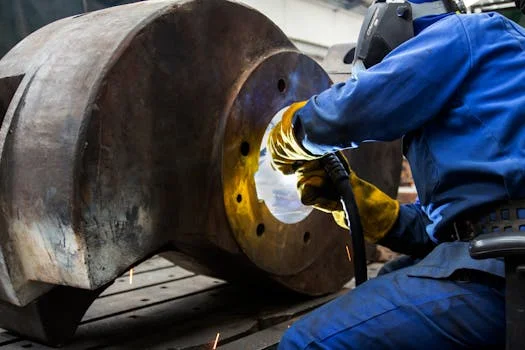
Selecting a sewage treatment equipment supplier in Utah requires a technical audit of their ability to meet Division of Environmental Quality (DEQ) permitting timelines and equipment performance certifications. The market is divided between large regional representatives who handle biological and aeration equipment, and specialized vendors focused on modular or decentralized technologies. Engineers must evaluate suppliers not just on capital cost, but on their ability to provide Utah-specific engineering submittals that comply with Admin. Code R317-1.
Regional representatives typically excel in large-scale municipal aeration and lagoon cleaning services, often providing rental fleets for dewatering. However, they may lack the modular flexibility required for rapid-deployment industrial projects. Conversely, modular system providers specialize in PFAS removal and MBR technology, offering turnkey solutions that include housing and controls, though they may have longer lead times for custom biosolids processing equipment. Decentralized specialists focus on textile filters and septic-adjacent technologies, which are ideal for residential developments but lack the robustness for high-strength industrial wastewater. Instrumentation vendors provide the necessary sensors and flowmeters but often require the buyer to manage the overall system integration.
| Supplier Category | Core Strengths | Compliance Support | Typical Lead Time | Cost Basis |
|---|---|---|---|---|
| Regional Aeration Distributors | Blowers, lagoon mixing, rentals | High (DEQ experienced) | 8–12 Weeks | Medium |
| Modular System Providers | MBR, PFAS removal, RO | Moderate (National focus) | 16–24 Weeks | High (Turnkey) |
| Decentralized Specialists | Textile filters, septic design | High (Local health dept) | 4–8 Weeks | Low |
| Instrumentation Vendors | Flowmeters, water quality sensors | Low (Component level) | 2–4 Weeks | Component-based |
Red Flag Checklist for Utah Buyers:
- No Utah DEQ-approved PFAS testing: Avoid these suppliers for any project involving drinking water source protection.
- Lack of High-Altitude Performance Data: If a blower supplier cannot provide a derating chart for elevations above 4,000 ft, oxygen transfer will fail.
- No Local Service Team: Utah’s winter conditions require rapid response; a supplier with no technicians within 200 miles is a risk for critical infrastructure.
Utah-Specific Cost Benchmarks for Sewage Treatment Equipment (2025)
Capital expenditure for sewage treatment equipment in Utah is influenced by a 10–15% premium for winterization packages required for high-altitude or northern-latitude installations. For industrial DAF systems, costs range from $50,000 for small 4 m³/h units to $300,000 for high-capacity 50 m³/h systems. Municipal MBR plants carry a significantly higher price tag, typically ranging from $1M to $5M for capacities between 50 and 500 m³/day, largely due to the sophisticated control logic and membrane costs. 2025 wastewater treatment plant costs in Utah are also impacted by remote installation fees for sites in the Uinta Basin or southern desert regions, where mobilization can add 20% to the project total.
Operating expenses (OPEX) in Utah are relatively favorable compared to coastal states. Utah’s industrial energy rates average approximately $0.08/kWh, significantly lower than the $0.12/kWh seen in California. This shifts the ROI calculation in favor of robust, slightly less energy-efficient equipment if the capital cost is lower. Labor rates for wastewater operators in Utah range from $35 to $50 per hour. When calculating ROI, engineers should use the following formula tailored for the Intermountain West: Payback Period = (Capital Cost + DEQ Permitting Fees) / (Annual O&M Savings + Avoided Surcharge Fees + Grant Funding).
| Equipment/Service | Estimated Cost (2025 Utah) | O&M Considerations |
|---|---|---|
| Industrial DAF System | $50,000 – $300,000 | Chemical polymer costs: $0.15/m³ |
| Municipal MBR Plant | $1M – $10M | Membrane replacement every 7–10 years |
| High-Efficiency Blower | $15,000 – $80,000 | Energy savings vs. PD blowers: 25% |
| Utah DEQ Permitting | $5,000 – $50,000 | Includes construction & operating permits |
| Sludge Disposal | $50 – $80 per ton | Reduced by 75% with filter press |
How to Select the Right Supplier for Your Utah Project: Decision Framework
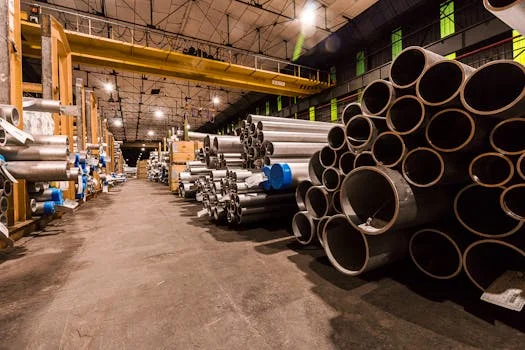
The selection of wastewater technology for Utah projects is driven by the final discharge destination, whether it be surface water, groundwater, or municipal sewer systems. Follow this step-by-step framework to ensure technical and regulatory alignment:
- Step 1: Define Project Scope: Determine if the project is municipal or industrial. Identify peak flow rates and specific discharge limits (e.g., Phosphorus limits in Utah Lake watersheds).
- Step 2: Shortlist Certified Suppliers: Ensure the equipment meets Utah Admin. Code R317-1. Request documentation of successful pilots in similar climates.
- Step 3: Request Utah Case Studies: A supplier should be able to demonstrate a functional DAF system in a Utah meat plant or an MBR system at a regional ski resort.
- Step 4: Evaluate Total Cost of Ownership (TCO): Combine the capital cost with 10-year O&M projections, factoring in Utah’s $0.08/kWh energy rate and local labor costs.
- Step 5: Verify Local Support: Confirm the availability of a Utah-based service team for emergency repairs and spare parts inventory.
- Step 6: Conduct Pilot Testing: For complex industrial streams, recommend a 30-day trial of modular units to verify TSS and FOG removal rates before full-scale purchase.
Technical Decision Tree: If TSS > 500 mg/L and FOG is present → Select DAF System. If Effluent Reuse (Irrigation) is required → Select MBR System. If Sludge Hauling costs exceed $2,000/month → Select Plate-Frame Filter Press.
Frequently Asked Questions
What is the largest wastewater treatment plant in Utah?
The Central Valley Water Reclamation Facility (CVWRF) in Salt Lake City is the largest, with a treatment capacity of approximately 57 million gallons per day (MGD), serving multiple municipalities in the Salt Lake Valley.
How much does a DAF system cost in Utah?
For 2025, expect to pay between $50,000 and $300,000 for units ranging from 4 to 50 m³/h. Prices include a 10–15% premium for cold-weather insulation and Utah-specific control panels.
What are Utah’s PFAS limits for wastewater?
While federal standards are evolving, Utah’s 2025 draft rules target 70 ppt for systems impacting drinking water. Achieving this requires specialized equipment like Utah’s 2025 hospital wastewater treatment standards and equipment which often integrate carbon adsorption or advanced membranes.
Can I rent sewage treatment equipment in Utah?
Yes, several regional distributors offer rental fleets for sludge dewatering (belt presses/centrifuges) and aeration systems, particularly for temporary lagoon bypass or emergency capacity increases.
What permits do I need for a new wastewater plant in Utah?
Under Utah Admin. Code R317-1, you must obtain a Construction Permit before breaking ground and an Operating Permit (UPDES) before discharge begins. For industrial users, a Pre-treatment Permit from the local municipality is also required. For more on dewatering specifics, see Utah’s top sludge dewatering equipment for 2025.