Why Sheffield’s Industrial Sector Needs Local Sewage Treatment Suppliers
Sheffield’s diverse industrial base, encompassing steel manufacturing, advanced engineering, and food processing, generates complex wastewater streams often characterized by high Chemical Oxygen Demand (COD) levels, frequently exceeding 5,000 mg/L, as documented by Environment Agency data from 2024. The stringent regulatory environment, particularly concerning industrial discharges, mandates compliance with strict limits for parameters such as Biochemical Oxygen Demand (BOD) and Total Suspended Solids (TSS). For industrial sites in Sheffield, this typically means effluent must meet <30 mg/L BOD and <45 mg/L TSS, aligning with UK interpretations of the Urban Waste Water Directive 91/271/EEC. Local suppliers, such as Sci-Tech Water Treatment with their stated 24/7 Sheffield support, offer critical advantages in faster response times for essential maintenance, emergency repairs, and crucial compliance audits. local expertise allows for the tailoring of equipment to Sheffield’s specific climate, considering factors like the performance of MBR membrane bioreactors in colder temperatures and the necessity for antifreeze dosing systems to ensure uninterrupted operation throughout the year.
Types of Sewage Treatment Equipment Available in Sheffield
The selection of sewage treatment equipment in Sheffield necessitates an understanding of the distinct capabilities of various technologies. Dissolved Air Flotation (DAF) systems, for instance, are highly effective at removing oils, greases, and suspended solids, achieving up to 97% TSS removal through the introduction of micro-bubbles. These systems are particularly well-suited for industries like food processing and metalworking, as exemplified by the DAF line. For applications demanding near-potable water quality effluent, MBR Membrane Bioreactors offer a compact solution, integrating activated sludge processes with advanced PVDF membrane filtration (<1 μm pore size). These systems can reduce the footprint of conventional treatment plants by up to 60%. In scenarios where space is less of a constraint and a fully automated, low-operator intervention solution is preferred, Underground Package Plants, such as the WSZ Series, provide a robust option. These plants are designed for residential or small industrial sites, handling flow rates from 1–80 m³/h and operating with a fully automated A/O biological contact oxidation process.
| Equipment Type | Primary Function | Typical TSS Removal (%) | Ideal Applications | Footprint | Key Process Parameter |
|---|---|---|---|---|---|
| Dissolved Air Flotation (DAF) | FOG, oil, suspended solids removal | 92–97% | Food processing, metalworking, oily wastewater | Moderate | Air saturation, bubble size, flocculation |
| MBR Membrane Bioreactor | Biological treatment & high-quality filtration | >99% | High-effluent quality, space-constrained sites, water reuse | Compact (approx. 60% smaller than conventional) | Mixed Liquor Suspended Solids (MLSS), membrane flux, aeration |
| Underground Package Plant (WSZ Series) | Automated biological treatment | 85–95% | Residential, small industrial, remote sites | Small to Moderate (underground installation) | Hydraulic Retention Time (HRT), Organic Loading Rate |
For further technical details on these systems, explore the high-efficiency DAF system for Sheffield industrial wastewater DAF line, the compact MBR system for Sheffield’s space-constrained sites MBR series, and the fully automated WSZ series for Sheffield’s residential and small industrial projects WSZ series.
Sheffield Sewage Treatment Equipment Suppliers: Technical Comparison Matrix
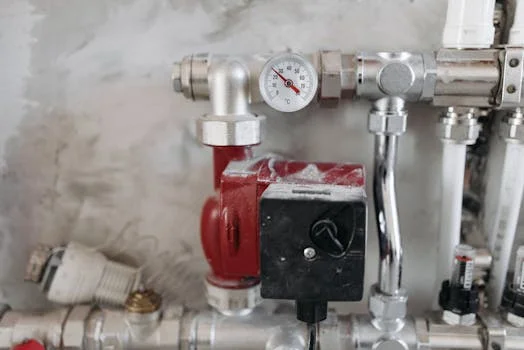
When evaluating sewage treatment equipment suppliers in Sheffield, a direct comparison of technical specifications, compliance certifications, and suitability for specific use cases is paramount. Vikas Pump, Sci-Tech Water Treatment, and Suprafilt represent key players in the Sheffield market, each offering distinct advantages. Vikas Pump is noted for its comprehensive industrial pump range, often integrated into broader treatment solutions. Sci-Tech Water Treatment positions itself as a leader in professional water treatment solutions, offering services that include risk assessment and compliance support, vital for navigating Sheffield’s regulatory landscape. Suprafilt specializes in fine bubble aeration systems, crucial for efficient biological treatment, and provides turnkey solutions for wastewater treatment sectors, with a particular emphasis on aeration systems designed for effective cold-weather performance.
| Supplier | Flow Rate Range (m³/h) | TSS Removal (%) | BOD Removal (%) | Energy Consumption (kWh/m³) | Footprint | Compliance Certifications | Best For |
|---|---|---|---|---|---|---|---|
| Vikas Pump | Varies (Pump specific) | Up to 95% (with integrated systems) | Up to 90% (with integrated systems) | 0.5–2.5 (pump dependent) | System dependent | ISO 9001 (typical) | Industrial pump integration, custom systems |
| Sci-Tech Water Treatment | Varies (Consultation based) | Up to 99% (MBR/DAF focus) | Up to 98% (MBR/DAF focus) | 0.3–2.0 (technology dependent) | Compact to large | ISO 14001, CE Marking (typical) | Comprehensive solutions, risk assessment, compliance |
| Suprafilt | Varies (Aeration system focus) | Enhances biological treatment | Enhances biological treatment | 0.1–0.5 (aeration specific) | System dependent | ISO 9001 (typical) | Biological treatment optimization, aeration systems |
When selecting a supplier, consider factors such as their demonstrated experience with similar industrial wastewater challenges in Sheffield, their approach to energy efficiency, and their ability to provide robust after-sales support and spare parts availability, particularly for critical components like membranes or aeration diffusers.
Cost Breakdown: Sewage Treatment Equipment in Sheffield (2025)
The capital expenditure (CAPEX) for sewage treatment equipment in Sheffield can range significantly, from approximately £50,000 to £200,000 for smaller industrial DAF systems capable of treating around 50 m³/h, to upwards of £500,000 to £2 million for large-scale MBR plants designed for municipal or heavy industrial applications (e.g., 500 m³/h capacity). Operational expenditure (OPEX) typically includes energy costs, which can vary from £0.05 to £0.15 per cubic meter treated, depending on the technology and operational efficiency. Chemical dosing, if required for coagulation or disinfection, adds another £0.02 to £0.08 per cubic meter. Annual maintenance costs can range from £10,000 to £50,000, influenced by system complexity and component lifespan. For a typical 200 m³/h DAF system in a food processing plant, the return on investment (ROI) can be realised within 3 to 5 years, primarily through reduced trade effluent surcharges and potential water reuse savings. Sheffield-specific cost factors include permitting fees, which can range from £5,000 to £20,000, and local labor rates for certified operators and maintenance technicians, typically between £40 and £60 per hour. Understanding these components is crucial for accurate budgeting and can be further informed by a cost comparison of primary and secondary treatment for Sheffield projects.
| Cost Component | Small Industrial (e.g., 50 m³/h DAF) | Large Municipal/Industrial (e.g., 500 m³/h MBR) | Notes |
|---|---|---|---|
| CAPEX | £50K–£200K | £500K–£2M | Includes equipment, installation, and initial commissioning |
| OPEX (Energy) | £0.05–£0.15/m³ | £0.07–£0.18/m³ | Varies with technology and load |
| OPEX (Chemicals) | £0.02–£0.08/m³ | £0.03–£0.10/m³ | If required for coagulation, pH adjustment, etc. |
| OPEX (Maintenance) | £10K–£30K/year | £30K–£70K/year | Includes routine checks, part replacements |
| Permitting Fees | £5K–£15K | £10K–£25K | Environment Agency and local authority |
| Sludge Disposal | Variable (per tonne) | Variable (per tonne) | Significant OPEX consideration, see sludge dewatering solutions for Sheffield’s industrial wastewater |
Compliance Checklist for Sheffield Sewage Treatment Projects
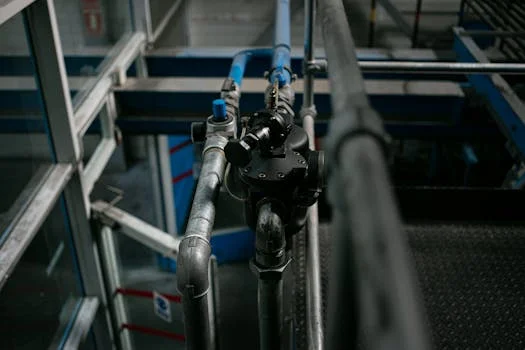
Ensuring compliance with environmental regulations is a cornerstone of any sewage treatment project in Sheffield. The Environment Agency sets stringent discharge limits, which for industrial effluent typically include targets of <25 mg/L BOD, <35 mg/L TSS, and <5 mg/L ammonia, particularly for discharges into sensitive water bodies. The UK’s adherence to the Urban Waste Water Directive 91/271/EEC mandates secondary treatment for domestic wastewater from agglomerations exceeding 2,000 Population Equivalent (PE). Industrial facilities must also secure specific trade effluent consents from the local authority, detailing acceptable discharge parameters for their unique wastewater streams. When evaluating suppliers, verify their adherence to international standards such as ISO 14001 for environmental management systems and CE marking for product conformity within the European Economic Area. For systems involving potable water contact or potential cross-contamination, WRAS approval is also a critical certification to seek. Additionally, consider the need for Sheffield-compliant disinfection systems for industrial effluent, such as those employing chlorine dioxide generators.
How to Select the Right Supplier for Your Sheffield Project
Selecting the optimal sewage treatment equipment supplier in Sheffield involves a structured decision-making process. Begin by clearly defining your project's scope: accurately determine the required flow rate (m³/h), characterize the influent wastewater (e.g., COD, BOD, TSS, FOG levels), and establish the precise effluent quality targets dictated by your Environment Agency permits or trade effluent consents. Next, shortlist suppliers who demonstrate proven experience with industrial or municipal projects in the Sheffield area, requesting case studies relevant to your sector (e.g., steel manufacturing, food processing). For challenging or high-strength wastewater streams (e.g., COD >2,000 mg/L), it is highly advisable to request or conduct pilot testing to validate equipment performance under site-specific conditions. Critically, compare the total cost of ownership (TCO) over a 10-year period, encompassing CAPEX, OPEX, maintenance, and eventual decommissioning or upgrade costs, rather than focusing solely on initial purchase price. Finally, rigorously verify the supplier's after-sales support capabilities, including the availability of 24/7 emergency response, genuine spare parts, and responsive technical assistance. Common pitfalls to avoid include underestimating the long-term costs of sludge disposal, neglecting the impact of Sheffield’s climate on equipment performance, and skipping essential pilot testing phases.
Frequently Asked Questions
How much does it cost to set up a sewage treatment plant in Sheffield? The cost for setting up a sewage treatment plant in Sheffield can range from £50,000 for a small industrial DAF system to over £2 million for a large municipal MBR plant. This includes CAPEX, installation, and permitting costs, with ongoing OPEX typically ranging from £0.10 to £0.30 per cubic meter treated.
What is the difference between STP and WWTP? An STP (Sewage Treatment Plant) specifically treats domestic sewage (wastewater from households). A WWTP (Wastewater Treatment Plant) is a broader term that encompasses the treatment of both domestic sewage and industrial wastewater, which often has more complex and variable characteristics.
Where is the largest wastewater treatment plant in Sheffield? The largest wastewater treatment plant serving Sheffield is the Blackburn Meadows WWTP, operated by Yorkshire Water. It serves approximately 400,000 Population Equivalent (PE) with a treatment capacity of around 1,200 m³/h.
How much is a sewage treatment system for a small industrial site in Sheffield? A sewage treatment system for a small industrial site in Sheffield, for example, a 50 m³/h DAF system, could cost between £80,000 and £150,000, including installation and necessary permitting.
What are the Environment Agency discharge limits for Sheffield? For industrial discharges, the Environment Agency typically requires effluent to meet limits such as BOD <25 mg/L, TSS <35 mg/L, and ammonia <5 mg/L for discharges into sensitive areas, in line with the Urban Waste Water Directive 91/271/EEC.