Why Tucson Hospitals Need Specialized Wastewater Treatment
In Tucson, hospital wastewater treatment must comply with Arizona Department of Environmental Quality (ADEQ) standards and Pima County’s Regional Wastewater Reclamation Department (RWRD) requirements. While municipal facilities like Tres Ríos WRF treat 30 million gallons per day (MGD) of general wastewater, hospitals generate high-risk effluent containing pharmaceuticals, pathogens, and heavy metals—requiring on-site pretreatment or dedicated systems. Local regulations mandate 99.9% pathogen reduction (e.g., E. coli < 200 CFU/100mL) and limits on chlorine residuals (< 0.01 mg/L for discharge). On-site systems, such as membrane bioreactors (MBRs) or chlorine dioxide generators, can cost $150K–$1.2M depending on capacity (500–5,000 GPD) and compliance needs.
Hospital wastewater contains a complex cocktail of contaminants that standard municipal treatment plants are not designed to handle. This includes pharmaceuticals like antibiotics and hormones, which can disrupt aquatic ecosystems and potentially enter the food chain. Pathogens such as E. coli and norovirus pose significant public health risks, and heavy metals like mercury, often from dental amalgams, can accumulate in the environment. According to the EPA's 2023 Hospital Wastewater Characterization Study, these medical-specific contaminants can be present at concentrations far exceeding those found in general domestic sewage. Tucson’s Tres Ríos WRF, while capable of treating 30 MGD, is primarily equipped for municipal wastewater and lacks the advanced capabilities to effectively neutralize these hazardous medical compounds. Consequently, hospitals in the area face strict regulatory oversight from ADEQ to prevent environmental contamination and protect public health. Failure to comply can result in substantial penalties, with ADEQ levying fines of up to $25,000 per day for violations. Pima County RWRD further mandates that hospitals discharging more than 25,000 GPD or operating on-site systems must submit detailed pretreatment plans, as outlined in Pima County Code §17.04.040. A stark reminder of these risks occurred in 2023 when a Tucson hospital was fined $120,000 by ADEQ for exceeding permissible chlorine residual levels in its discharge, underscoring the critical need for precise and compliant wastewater management.
Tucson’s Regulatory Framework for Hospital Wastewater: ADEQ, Pima County, and EPA Standards
Navigating the regulatory landscape for hospital wastewater treatment in Tucson involves understanding and complying with overlapping mandates from ADEQ, Pima County RWRD, and the U.S. Environmental Protection Agency (EPA). ADEQ's Aquifer Protection Permit (APP) program sets forth critical effluent quality standards for facilities discharging directly into the environment. These standards typically include limits on pH (6.5–8.5), Biochemical Oxygen Demand (BOD) of less than 30 mg/L, Total Suspended Solids (TSS) below 30 mg/L, and fecal coliform counts of less than 200 CFU/100mL, as detailed in ADEQ Rule R18-9-A302. Pima County RWRD, through its Pretreatment Program, enforces local discharge limits that are often more stringent, particularly for industrial and commercial contributors like hospitals. These local limits include a maximum chlorine residual of 0.01 mg/L, an ammonia limit of 10 mg/L, and specific thresholds for pharmaceuticals, such as carbamazepine, which must not exceed 100 ng/L, as per Pima County Code §17.04.030. For larger facilities, the EPA's 40 CFR Part 460, pertaining to the Hospital Point Source Category, applies to hospitals with over 100 beds or those discharging more than 50,000 GPD. This federal regulation mandates a minimum of 99.9% pathogen reduction, often achieved through advanced disinfection methods like UV irradiation or chlorine dioxide. Tucson hospitals operating on-site systems are required to submit annual reports to RWRD by March 1st, detailing influent and effluent testing data, maintenance logs, and chemical usage, as per the RWRD 2024 Compliance Guide. The permitting process for new or modified on-site systems can be extensive, typically taking 90–120 days and involving application fees ranging from $2,000 to $10,000, requiring comprehensive documentation including detailed engineering plans and robust sampling protocols.
| Regulatory Body | Key Standards/Requirements for Hospitals | Applicable Regulations/Codes |
|---|---|---|
| ADEQ | pH: 6.5–8.5 BOD: < 30 mg/L TSS: < 30 mg/L Fecal Coliform: < 200 CFU/100mL Aquifer Protection Permit (APP) required for direct discharge |
ADEQ Rule R18-9-A302 |
| Pima County RWRD | Chlorine Residual: < 0.01 mg/L Ammonia: < 10 mg/L Pharmaceuticals (e.g., Carbamazepine): < 100 ng/L Pretreatment plan submission (for >25K GPD or on-site systems) |
Pima County Code §17.04.030 |
| EPA | 99.9% Pathogen Reduction (e.g., via UV, ClO₂) | 40 CFR Part 460 (Hospital Point Source Category) for facilities >100 beds or >50K GPD discharge |
| Tucson Hospitals (On-site Systems) | Annual Reporting to RWRD (due March 1) Influent/Effluent Testing Data Maintenance Logs Chemical Usage Records |
RWRD 2024 Compliance Guide |
How Hospital Wastewater is Treated: Process Flow and Tucson-Specific Solutions
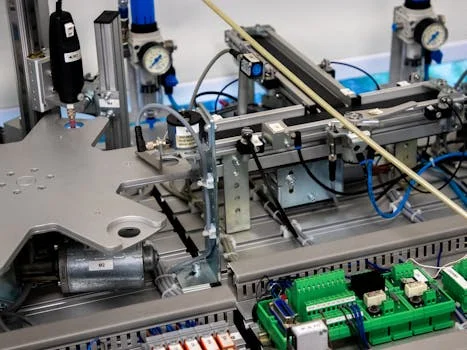
Effective hospital wastewater treatment in Tucson involves a multi-stage process designed to address the unique contaminants present. The initial stage is pretreatment, which begins with mechanical bar screens, such as those in the HydropureWater GX Series, to remove larger solids like rags and debris, preventing damage to downstream equipment. Following screening, equalization tanks are crucial for balancing flow rates and concentrations. This is particularly important for hospitals, where patient occupancy and activity levels can fluctuate significantly, impacting wastewater volume and strength. These tanks buffer these variations, ensuring a more consistent influent for subsequent treatment stages.
The core of the treatment process is biological treatment. Membrane Bioreactor (MBR) systems, like the HydropureWater DF Series, are highly effective, capable of achieving up to 95% BOD removal within a 4–6 hour hydraulic retention time. MBRs combine biological degradation with membrane filtration, producing exceptionally clear effluent. Alongside aerobic processes, Anoxic/Oxic (A/O) configurations can be integrated to reduce nitrogen levels to below the ADEQ's 10 mg/L limit, a critical step for protecting local waterways. Disinfection is the next vital step to eliminate any remaining pathogens. Chlorine dioxide (ClO₂) generators, such as HydropureWater's, are a preferred solution for hospitals due to their broad-spectrum efficacy and minimal residual formation. ClO₂ can achieve 99.999% pathogen kill rates while maintaining a residual below the stringent 0.01 mg/L limit. Alternatively, UV disinfection systems operating at 254 nm can be employed, but they necessitate very low turbidity (ideally below 5 NTU) to ensure effective germicidal action.
Finally, sludge management is an integral part of the process. Plate-and-frame filter presses, available from HydropureWater in sizes ranging from 1 m² to 500 m², are used to dewater the biological sludge to 30–40% solids content. This dewatered sludge can then be disposed of at the Tres Ríos WRF, adhering to Pima County’s biosolids management program. The overall process flow can be visualized as: influent wastewater enters the screening stage, followed by equalization, then biological treatment (often including MBR), disinfection, and finally, treated effluent discharge. This comprehensive approach ensures compliance with all local and state regulations while safeguarding public and environmental health.
| Treatment Stage | Primary Processes | Key Equipment Examples | Typical Performance Parameters |
|---|---|---|---|
| Pretreatment | Screening, Equalization | Mechanical Bar Screens (HydropureWater GX Series), Equalization Tanks | Removal of solids > 6 mm, Flow/Concentration Balancing |
| Biological Treatment | Aerobic/Anoxic Treatment, Membrane Filtration | MBR Systems (HydropureWater DF Series), A/O Processes | BOD Removal: 95% Nitrogen Reduction: < 10 mg/L Hydraulic Retention Time: 4–6 hours |
| Disinfection | Oxidation, UV Irradiation | Chlorine Dioxide Generators (HydropureWater), UV Disinfection Systems (254 nm) | Pathogen Kill Rate: 99.999% Chlorine Residual: < 0.01 mg/L Turbidity (for UV): < 5 NTU |
| Sludge Management | Dewatering | Plate-and-Frame Filter Presses (HydropureWater 1 m²–500 m² models) | Solids Content: 30–40% |
On-Site vs. Municipal Treatment: Cost Comparison for Tucson Hospitals
Deciding between on-site wastewater treatment systems and discharging to the municipal sewer in Tucson involves a critical financial analysis. Pima County RWRD's sewer fees are a significant operational expense for hospitals. Based on their 2025 rate schedule, which ranges from $4.50 to $7.20 per 1,000 gallons, a hospital discharging 50,000 GPD can expect annual sewer costs of approximately $82,000 to $131,000. This cost can escalate substantially for facilities with higher discharge volumes or those deemed to have high-strength wastewater, which may incur additional surcharges. In contrast, the capital expenditure (CAPEX) for on-site systems varies widely. For systems designed to treat between 500 and 5,000 GPD, encompassing MBR technology and chlorine dioxide disinfection, CAPEX can range from $150,000 to $1.2 million. However, opting for skid-mounted, modular systems can reduce installation costs by up to 30%.
Operational expenditures (OPEX) for on-site systems typically fall between $0.80 and $1.50 per 1,000 gallons, covering energy, chemicals, and routine maintenance. Additional labor costs for a part-time operator might add around $50,000 annually. While on-site systems require a substantial upfront investment, they offer long-term savings by eliminating municipal surcharges for high-strength waste and providing greater control over effluent quality. For hospitals discharging over 100,000 GPD, the breakeven point for an on-site system is typically between 5 to 8 years. The return on investment (ROI) can be calculated using a simplified formula: (CAPEX + Total Annual OPEX) / (Annual Municipal Fees – Annual OPEX). This framework allows Tucson hospitals to quantify the financial benefits of investing in their own treatment infrastructure, considering both initial costs and ongoing operational expenses against the predictable, and potentially increasing, costs of municipal sewer services.
| Cost Component | Municipal Discharge (50K GPD) | On-Site System (500-5,000 GPD) | Key Considerations |
|---|---|---|---|
| CAPEX | $0 (Infrastructure provided by municipality) | $150,000 – $1,200,000 | Skid-mounted systems reduce installation costs by 30%. |
| OPEX (per 1,000 gallons) | $4.50 – $7.20 (Sewer Fees) + potential surcharges | $0.80 – $1.50 (Energy, Chemicals, Maintenance) | Municipal fees can increase; on-site OPEX is more predictable. |
| Annual OPEX (Estimate for 50K GPD) | $82,000 – $131,000 | $48,000 – $96,000 (for 50K GPD flow) | Labor for operator (~$50K/year) is a separate on-site cost. |
| Compliance Trade-offs | Fewer direct compliance burdens, but subject to municipal limits and surcharges. | Requires ADEQ permitting and annual reporting, but offers greater control over effluent quality and avoids surcharges. | On-site systems can achieve higher effluent quality, potentially enabling water reuse. |
| ROI Breakeven (for >100K GPD) | N/A | 5–8 years | Dependent on discharge volume and municipal fee structure. |
Equipment Selection Guide: Matching Tucson Hospital Needs to Treatment Systems
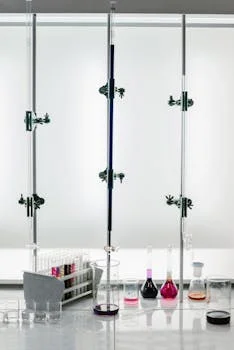
Selecting the appropriate wastewater treatment equipment for a Tucson hospital requires a careful assessment of facility size, effluent characteristics, and budget constraints. For smaller facilities, such as clinics or physician's offices with less than 100 beds and a discharge of under 50,000 GPD, compact, standalone systems are often the most cost-effective solution. The HydropureWater compact medical wastewater system, which integrates filtration and ozone disinfection, can meet ADEQ standards and typically has a CAPEX ranging from $80,000 to $200,000. For medium-sized hospitals, typically ranging from 100 to 300 beds and discharging between 50,000 and 200,000 GPD, a more robust system is necessary. MBR systems, like the HydropureWater DF Series, combined with chlorine dioxide generators (e.g., HydropureWater), offer a comprehensive solution for achieving 99.9% pathogen removal and high-quality effluent. The CAPEX for such integrated systems can range from $300,000 to $800,000.
Larger hospitals, with over 300 beds and daily discharges exceeding 200,000 GPD, often require advanced treatment trains to address a wider spectrum of contaminants, including pharmaceuticals. Integrated systems incorporating Dissolved Air Flotation (DAF) for initial solids removal (HydropureWater), followed by MBR and UV disinfection, can provide the necessary treatment levels. The CAPEX for these sophisticated systems typically falls between $800,000 and $1.2 million. When considering equipment for Tucson, specific environmental factors must be taken into account. High ambient temperatures, often exceeding 100°F, necessitate the use of corrosion-resistant materials, such as 316L stainless steel, for system longevity. given Tucson's arid climate and water scarcity, prioritizing systems with high water recovery rates, such as those combining reverse osmosis (RO) with MBR technology, can be advantageous for potential water reuse applications like irrigation or cooling tower makeup.
| Hospital Size | Typical Discharge (GPD) | Recommended Equipment | Estimated CAPEX | Key Compliance/Performance | Maintenance Needs |
|---|---|---|---|---|---|
| Small Clinics (<100 beds) | < 50,000 | Compact Systems (e.g., HydropureWater) with Ozone/Filtration | $80,000 – $200,000 | Meets ADEQ Standards, Basic Pathogen Reduction | Low to Moderate |
| Medium Hospitals (100-300 beds) | 50,000 – 200,000 | MBR Systems (e.g., HydropureWater DF Series) + ClO₂ Generators (HydropureWater) | $300,000 – $800,000 | 99.9% Pathogen Removal, High BOD/TSS Reduction | Moderate |
| Large Hospitals (>300 beds) | > 200,000 | Integrated Systems: DAF (e.g., HydropureWater) + MBR + UV | $800,000 – $1,200,000 | Advanced Contaminant Removal (incl. Pharmaceuticals), High Effluent Quality | Moderate to High |
Compliance Checklist for Tucson Hospitals: Permits, Testing, and Reporting
Achieving and maintaining compliance with wastewater treatment regulations in Tucson is a systematic process. The first critical step is permitting: submit your Aquifer Protection Permit (APP) application to ADEQ at least 90 days before commencing construction or operation of an on-site system. This application must include detailed engineering plans, comprehensive sampling protocols, and a robust emergency response plan. Regular testing is paramount for demonstrating ongoing compliance. Quarterly monitoring is required for key parameters such as BOD, TSS, pH, and fecal coliform, as per the RWRD 2024 Sampling Guide. For hospitals discharging over 100,000 GPD, monthly testing for specific pharmaceuticals may also be mandated. Annual reporting to Pima County RWRD is due by March 1st each year. These reports must include influent and effluent data, maintenance logs for all treatment equipment, and records of chemical usage. ADEQ conducts unannounced inspections approximately every 18–24 months to verify compliance; therefore, it is essential to maintain at least two years of testing and operational records on-site.
Developing and implementing emergency protocols is also a regulatory requirement. A spill response plan, which is mandatory for ADEQ permitting, should be created and all relevant staff trained on its procedures annually. This proactive approach to compliance ensures that hospitals in Tucson are not only meeting legal obligations but also safeguarding public health and the local environment. Understanding these requirements and establishing a routine for testing, reporting, and maintenance will prevent costly violations and ensure the long-term sustainability of hospital operations.
Frequently Asked Questions
How is hospital wastewater treated differently from municipal wastewater in Tucson?
Hospital wastewater contains a higher concentration of specialized contaminants, including pharmaceuticals, potent pathogens, and heavy metals, which standard municipal treatment facilities like Tucson's Tres Ríos WRF are not fully equipped to handle. Therefore, hospitals often require on-site pretreatment or advanced treatment systems to meet stringent discharge limits and prevent environmental contamination.
Where does Tucson hospital sewage go if not treated on-site?
If not treated on-site, hospital sewage in Tucson is discharged into the Pima County Regional Wastewater Reclamation Department's (RWRD) sewer system, which ultimately directs it to the Tres Ríos Water Reclamation Facility (WRF) for centralized treatment. However, pre-discharge treatment or pretreatment is often required for hospitals.
What is the largest wastewater treatment facility serving Tucson hospitals?
The Tres Ríos Water Reclamation Facility (WRF) is the largest wastewater treatment facility serving the metropolitan Tucson area, treating approximately 30 million gallons of wastewater per day. It is equipped to handle general municipal wastewater and has a permitted capacity of 50 MGD.
What are the penalties for non-compliance with ADEQ hospital wastewater standards?
Non-compliance with ADEQ hospital wastewater standards can result in significant penalties, including fines of up to $25,000 per day for violations. Additionally, ADEQ may impose corrective actions and require costly upgrades to treatment systems.
Can Tucson hospitals reuse treated wastewater for irrigation or cooling?
Yes, treated wastewater can potentially be reused for non-potable purposes like irrigation or cooling tower makeup in Tucson, especially if advanced treatment systems are employed to achieve high-quality effluent. Pima County and the City of Tucson have programs for reclaimed water, and achieving A+ reclaimed water standards, as demonstrated by facilities like Tres Ríos, is a prerequisite for such reuse.
Related Equipment
- compact hospital wastewater treatment system for Tucson clinics — view specifications, capacity range, and technical data
- MBR system for Tucson hospitals requiring near-reuse-quality effluent — view specifications, capacity range, and technical data
- chlorine dioxide disinfection for Tucson hospital wastewater — view specifications, capacity range, and technical data
Need a customized solution? Request a free quote with your specific flow rate and pollutant parameters.