Why Mindanao’s Industries Need Localized Wastewater Treatment Solutions
In Mindanao, industrial wastewater treatment costs can range significantly, from ₱5 million to over ₱50 million, depending on the flow rate (5–300 m³/h) and the chosen technology. For instance, Dissolved Air Flotation (DAF) systems typically start at ₱2.5 million, while Membrane Bioreactor (MBR) systems begin at ₱4 million. The Department of Environment and Natural Resources (DENR) has set stringent effluent standards for 2025, requiring total suspended solids (TSS) below 50 mg/L, chemical oxygen demand (COD) below 200 mg/L, and heavy metals such as nickel below 1 mg/L, particularly impacting the mining and food processing sectors. Effective, localized solutions must also contend with Mindanao’s substantial rainfall, averaging 2,000–4,000 mm per year, which, while diluting influent, significantly increases the hydraulic loading on treatment plants. Failure to comply with these standards can lead to substantial financial penalties under DENR’s Wastewater Charge System (WCS), which imposes fees of ₱10–₱50 per kg of biochemical oxygen demand (BOD) or TSS discharged, with additional surcharges for non-compliance. For example, a nickel mine in Surigao del Norte incurred ₱12 million in WCS fees in 2023 due to untreated acid mine drainage, characterized by a pH of 2.5 and nickel levels reaching 15 mg/L. Beyond financial repercussions, untreated industrial wastewater poses a severe threat to Mindanao’s vital aquatic ecosystems, including major rivers like the Agusan and Pulangi, and coastal areas such as Davao Gulf and Illana Bay, which are crucial for fisheries and tourism.
| Industry | Primary Location(s) | Typical Wastewater Concerns | Environmental Impact |
|---|---|---|---|
| Nickel Mining | Davao Oriental, Surigao del Norte | Low pH (acidic), high TSS, heavy metals (nickel, iron), suspended solids | Acid mine drainage contaminating rivers and groundwater, toxicity to aquatic life |
| Banana Plantations | Davao del Norte, Bukidnon | High organic load (COD, BOD), pesticides, fertilizers, suspended solids | Eutrophication of waterways, pesticide contamination of water sources, harm to aquatic organisms |
| Food Processing (e.g., Canneries, Dairies) | General Santos, Cagayan de Oro | High BOD, COD, fats, oils, and grease (FOG), suspended solids, high nutrient loads | Oxygen depletion in receiving waters, proliferation of pathogens, aesthetic pollution |
| Manufacturing (e.g., Textiles) | Cagayan de Oro, Davao City | Dyes, chemicals, heavy metals, high COD, extreme pH levels | Water discoloration, toxicity from chemical pollutants, disruption of aquatic ecosystems |
Wastewater Characteristics by Industry: What Mindanao’s Factories Discharge
Understanding the specific characteristics of industrial wastewater is paramount for selecting the most effective treatment technologies. In Mindanao, these characteristics vary significantly across key sectors. Nickel mining operations, for instance, typically discharge wastewater with a low pH, ranging from 2 to 4, accompanied by high concentrations of TSS (500–2,000 mg/L) and heavy metals like nickel (5–50 mg/L) and iron (100–500 mg/L), as per DENR 2024 benchmarks. Banana plantations generate wastewater with substantial organic loads, presenting COD levels from 1,000–3,000 mg/L and TSS between 300–800 mg/L, often laced with pesticides such as chlorpyrifos, which can be found at concentrations below 0.1 mg/L. Food processing facilities, particularly canneries in General Santos, are characterized by high BOD (800–2,500 mg/L), significant FOG (200–600 mg/L), and high TSS (400–1,200 mg/L). Textile factories, common in areas like Cagayan de Oro, often exhibit high COD (1,500–4,000 mg/L) and may contain persistent dyes like reactive black 5 (below 1 mg/L), with wastewater pH frequently falling outside the neutral range, often between 9 and 11. The high rainfall in Mindanao (2,000–4,000 mm/year) plays a dual role: while it dilutes the concentration of pollutants in the influent, it also substantially increases the overall volume of water requiring treatment, thereby raising the hydraulic loading on wastewater treatment systems.
| Industry | Parameter | Typical Range (mg/L, unless specified) | Notes |
|---|---|---|---|
| Nickel Mining | pH | 2–4 | Acidic, requires neutralization |
| TSS | 500–2,000 | High, due to ore processing | |
| Nickel | 5–50 | Corrosive and toxic | |
| Iron | 100–500 | Can cause discolouration and affect downstream processes | |
| Banana Plantations | COD | 1,000–3,000 | High organic load from plant matter |
| TSS | 300–800 | Fibrous material and soil particles | |
| Pesticides (e.g., Chlorpyrifos) | <0.1 | Potential for bioaccumulation | |
| Food Processing (e.g., Canneries) | BOD | 800–2,500 | High organic load from food waste |
| FOG | 200–600 | Can clog pipes and reduce treatment efficiency | |
| TSS | 400–1,200 | Food particles and processing by-products | |
| Textile Factories | COD | 1,500–4,000 | Complex organic compounds from dyes and chemicals |
| Dyes (e.g., Reactive Black 5) | <1 | Aesthetic pollution, potential toxicity | |
| pH | 9–11 | Alkaline, requires neutralization |
For high-efficiency FOG and TSS removal in Mindanao’s food processing and mining industries, DAF systems are often a robust choice.
Treatment Technologies Compared: DAF vs. MBR vs. Chemical Dosing for Mindanao’s Industries
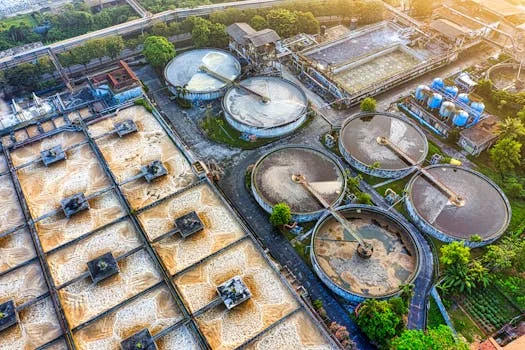
Selecting the optimal wastewater treatment technology for Mindanao’s diverse industrial landscape requires a careful evaluation of wastewater characteristics, available space, and stringent compliance needs. Dissolved Air Flotation (DAF) systems excel in removing fats, oils, grease (FOG), and suspended solids, achieving 90–95% efficiency. For flow rates between 5–300 m³/h, DAF systems can range in cost from ₱2.5 million to ₱15 million, making them a viable option for food processing and mining operations where FOG and TSS are primary concerns. Membrane Bioreactor (MBR) systems are ideal for treating high BOD/COD wastewater, offering 95–98% removal rates and enabling water reuse. MBR systems, with footprints up to 60% smaller than conventional treatment plants, can handle flows from 10 m³/day to 2,000 m³/day and typically cost between ₱4 million and ₱25 million. Chemical dosing, utilizing coagulants and flocculants, is particularly effective for precipitating heavy metals like nickel and iron, and for pH adjustment. Automated chemical dosing systems can be acquired for ₱500,000–₱3 million, though precise dosing is critical to avoid excessive sludge generation. Hybrid systems often provide the most comprehensive solutions; for mining, a combination of DAF and chemical dosing can address pH imbalances and metal removal, while for food processing aiming for water reuse, an MBR coupled with reverse osmosis (RO) offers advanced treatment. Energy consumption also varies: DAF systems require 0.5–1 kWh/m³, MBRs 1–2 kWh/m³, and chemical dosing systems a more modest 0.1–0.3 kWh/m³.
| Technology | Primary Application | Efficiency (Typical) | Cost Range (₱) | Footprint | Energy Consumption (kWh/m³) | Mindanao Use Case Example |
|---|---|---|---|---|---|---|
| DAF (Dissolved Air Flotation) | FOG, TSS, Oil Removal | 90–95% | 2.5M–15M (5–300 m³/h) | Moderate | 0.5–1 | Food processing plants (e.g., General Santos) for FOG reduction; Mining (e.g., Surigao) for TSS removal. |
| MBR (Membrane Bioreactor) | High BOD/COD, Water Reuse | 95–98% | 4M–25M (10–2000 m³/day) | Small (60% smaller than conventional) | 1–2 | Industrial parks in Cagayan de Oro aiming for water recycling; high-strength organic wastewater from food processing. |
| Chemical Dosing | pH Adjustment, Heavy Metals Precipitation | Variable (up to 99% for specific metals) | 0.5M–3M (automated systems) | Small | 0.1–0.3 | Nickel mines for pH neutralization and metal removal; electroplating facilities. |
| Hybrid (e.g., DAF + Chemical Dosing) | Complex Pollutants, Metals & FOG | High | Variable (sum of components) | Moderate to Large | Variable | Mining operations in Mindanao requiring comprehensive treatment for AMD and suspended solids. |
| Hybrid (e.g., MBR + RO) | High-Quality Effluent, Water Reuse | Very High (>99% for RO) | High | Moderate | High (RO is energy intensive) | Food processing plants seeking zero liquid discharge or high-purity recycled water. |
For initial FOG and TSS removal in food processing and mining sectors, DAF systems are a proven solution. For advanced treatment and water reuse, MBR systems offer superior performance. To manage specific challenges like heavy metal precipitation and pH adjustment, automated chemical dosing systems are essential.
DENR Compliance Checklist: How to Meet Mindanao’s 2025 Effluent Standards
Achieving and maintaining compliance with DENR’s 2025 effluent standards and the Wastewater Charge System (WCS) requires a structured approach. The DENR’s 2025 limits for Mindanao mandate TSS below 50 mg/L, BOD below 50 mg/L, COD below 200 mg/L, a pH range of 6–9, and strict controls on heavy metals, such as nickel below 1 mg/L and lead below 0.1 mg/L. The WCS imposes fees ranging from ₱10–₱50 per kg of BOD or TSS discharged; for instance, a banana plantation discharging 1,000 kg of BOD monthly could incur ₱10,000–₱50,000 in fees. Key regulatory requirements include obtaining an Environmental Compliance Certificate (ECC), a Wastewater Discharge Permit (WDP), and submitting self-monitoring reports (SMRs) quarterly to the DENR-Environmental Management Bureau (EMB). For effective monitoring, composite samples are required for BOD and COD analysis over a 24-hour period, while grab samples are used for real-time parameters like pH and heavy metals, collected hourly. Accredited laboratories in Mindanao include DENR-EMB Region 10 in Cagayan de Oro and DENR-EMB Region 11 in Davao City. Common violations observed in Mindanao include pH levels outside the acceptable range in mining operations, FOG exceedances in food processing facilities, and nickel contamination in mining wastewater. Penalties for non-compliance can range from ₱50,000 to ₱5 million, and in severe cases, may lead to plant shutdowns.
- Secure Necessary Permits: Obtain an Environmental Compliance Certificate (ECC) and a Wastewater Discharge Permit (WDP) from the DENR-EMB.
- Understand Effluent Standards: Familiarize yourself with DENR's 2025 effluent limitations for TSS (<50 mg/L), BOD (<50 mg/L), COD (<200 mg/L), pH (6-9), and specific heavy metals (e.g., Nickel <1 mg/L).
- Implement Robust Monitoring: Establish a regular sampling and analysis schedule. Use composite sampling for BOD/COD (24-hour) and grab sampling for pH/metals (hourly).
- Accurate Record Keeping: Maintain detailed records of all discharge monitoring data, treatment system performance, and chemical usage.
- Quarterly Reporting: Submit Self-Monitoring Reports (SMRs) to the DENR-EMB on a quarterly basis.
- Wastewater Charge System (WCS) Management: Accurately calculate and pay WCS fees based on discharged BOD and TSS loads.
- Regular System Maintenance: Ensure all wastewater treatment equipment is regularly inspected, maintained, and calibrated to operate at optimal efficiency.
- Staff Training: Train plant operators on wastewater treatment processes, compliance procedures, and emergency response.
- Contingency Planning: Develop plans for managing unexpected discharge events or equipment failures.
- Engage with DENR: Maintain open communication with DENR-EMB officials regarding compliance status and any proposed upgrades or changes to your treatment system.
For continuous disinfection and odor control, particularly in critical discharge points, chlorine dioxide generators can be a valuable addition to your compliance strategy.
Cost Benchmarks: How Much Does Industrial Wastewater Treatment Cost in Mindanao?
Budgeting for industrial wastewater treatment in Mindanao requires understanding both capital and operational expenditures. As of 2025, capital costs for key equipment include DAF systems ranging from ₱2.5 million to ₱15 million, MBR systems from ₱4 million to ₱25 million, automated chemical dosing systems from ₱500,000 to ₱3 million, and sludge dewatering equipment from ₱1 million to ₱5 million. Installation costs typically add 20–30% to the equipment cost, meaning a ₱10 million DAF system might require an additional ₱2 million to ₱3 million for installation. Operating costs per cubic meter vary by technology: DAF systems incur ₱0.5–₱1.5/m³, MBRs ₱1–₱3/m³, and chemical dosing systems ₱0.2–₱0.8/m³. For example, a DAF system processing 50 m³/h (400 m³/day) could have annual operating costs of approximately ₱1.25 million (400 m³/day * 365 days/year * ₱1/m³). The return on investment (ROI) can be significant; a nickel mine in Surigao del Norte realized a reduction in WCS fees from ₱12 million per year to ₱1.2 million per year after installing a DAF and chemical dosing system, achieving a payback period of approximately 2.5 years. Financial support is available through DENR’s Green Technology Program, offering low-interest loans, and the Board of Investments (BOI) Manufacturing Resurgence Program, which provides tax incentives for wastewater treatment projects. For comprehensive sludge management, exploring sludge dewatering solutions for Mindanao’s industrial wastewater treatment plants is crucial.
| Cost Component | Range (₱) | Notes |
|---|---|---|
| Capital Costs | ||
| DAF System (5–300 m³/h) | 2.5M–15M | Excludes installation and civil works |
| MBR System (10–2000 m³/day) | 4M–25M | Integrated unit, may require pre-treatment |
| Automated Chemical Dosing System | 0.5M–3M | Includes tanks, pumps, and controllers |
| Sludge Dewatering Equipment (e.g., Filter Press) | 1M–5M | Capacity dependent |
| Installation Costs | 20–30% of Equipment Cost | Includes civil works, piping, electrical |
| Annual Operating Costs (per m³) | Excludes labor and major repairs | |
| DAF System | 0.5–1.5/m³ | Includes energy, chemicals, consumables |
| MBR System | 1–3/m³ | Includes energy, membrane replacement, chemicals |
| Chemical Dosing | 0.2–0.8/m³ | Primarily chemical costs and energy for pumps |
| Example Annual Operating Cost (50 m³/h DAF) | ~1.25M | Based on 400 m³/day, 365 days/year, ₱1/m³ |
Frequently Asked Questions
Q1: What are the primary DENR effluent standards for industrial wastewater in Mindanao for 2025?
A1: The DENR's 2025 effluent standards for Mindanao include limits of TSS <50 mg/L, BOD <50 mg/L, COD <200 mg/L, pH 6–9, and specific heavy metals like nickel <1 mg/L and lead <0.1 mg/L. Compliance is monitored through regular self-monitoring reports.
Q2: How does Mindanao’s high rainfall impact industrial wastewater treatment plant design?
A2: Mindanao's high rainfall (2,000–4,000 mm/year) dilutes the influent concentration of pollutants but significantly increases the overall hydraulic loading on treatment systems. Plant design must account for this increased flow rate to maintain treatment efficiency and prevent overflow.
Q3: What is the typical cost range for a DAF system for a 100 m³/h capacity in the Philippines?
A3: For a 100 m³/h capacity DAF system in the Philippines, the capital cost typically ranges from ₱5 million to ₱10 million, depending on specific design requirements, materials, and supplier. This excludes installation and civil works.
Q4: Can MBR systems be used for water reuse in food processing plants in Mindanao?
A4: Yes, MBR systems are highly effective for water reuse in food processing plants in Mindanao. They produce high-quality effluent suitable for non-potable applications such as cooling, cleaning, and irrigation, significantly reducing freshwater consumption and discharge volumes.
Q5: What are the penalties for non-compliance with DENR’s Wastewater Charge System (WCS)?
A5: Penalties for non-compliance with DENR’s WCS can include surcharges on discharge fees (₱10–₱50 per kg of BOD/TSS), administrative fines ranging from ₱50,000 to ₱5 million, and potential suspension or revocation of operating permits, which could lead to plant shutdown.
Further Reading
Explore these in-depth articles on related wastewater treatment topics: