Industrial Wastewater Treatment in Charlotte: 2026 Compliance Snapshot
Industrial wastewater treatment in Charlotte is governed by Charlotte Water (CMUD) pretreatment limits and NCDEQ oversight. Typical sewer discharge targets are TSS below 250 mg/L, BOD below 250 mg/L, pH 6.0–9.0, and copper below 1.3 mg/L. Missed limits trigger surcharges and state civil penalties up to $25,000 per violation under N.C.G.S. § 143-215.6A.
Charlotte Water’s Industrial Pretreatment Program (IPP) sets local limits for users discharging to the municipal sewer. Significant Industrial Users (SIUs) usually face weekly flow-proportional composite sampling for conventional pollutants. Food processors, metal finishers, and textile plants drive most industrial volume. Onsite pretreatment—DAF, chemical precipitation, MBR, or compact package plants—is often cheaper than hauling at $0.85–$4.20 per gallon when daily flow exceeds about 15,000–25,000 gallons.
CMUD’s Industrial Pretreatment Program (IPP) is the primary control path for sewer discharges. Under current discharge permit practice, industrial users are grouped by flow and contaminant profile. SIUs face rigorous monitoring, including weekly flow-proportional composite samples as described in Section 4.2 of the CMUD IPP Manual. For high-solids streams, implementing primary clarifier design parameters for Charlotte’s high-TSS wastewater is often the first step before DAF or biological polishing, and it helps avoid surcharges above the 250 mg/L TSS threshold.
| Parameter | CMUD Limit (Pretreatment) | Sampling Frequency | Surcharge Threshold |
|---|---|---|---|
| Total Suspended Solids (TSS) | <250 mg/L | Weekly (Composite) | >250 mg/L |
| Biochemical Oxygen Demand (BOD) | <250 mg/L | Weekly (Composite) | >250 mg/L |
| pH Range | 6.0 – 9.0 S.U. | Continuous/Daily | Immediate Violation |
| Oil & Grease (FOG) | <100 mg/L | Grab Sample | >100 mg/L |
| Copper (Total) | <1.3 mg/L | Monthly/Quarterly | Strict Limit |
| Zinc (Total) | <2.6 mg/L | Monthly/Quarterly | Strict Limit |
New industrial-user permit reviews in Charlotte typically take 90 to 120 days. Applicants submit process flow diagrams, wastewater characterization, and pretreatment design packages. A 2024 metal-finisher case in the original local record cut copper from 3.1 mg/L to 0.9 mg/L with dedicated chemical precipitation, moving from chronic non-compliance to award-level performance. According to NCDEQ NCG500000 permit text (2025), state law allows civil penalties of not more than $25,000 per violation (N.C.G.S. § 143-215.6A); the same permit cites federal CWA civil penalties up to $37,500 per day per violation.
According to an ALL4 summary of NCDEQ rulemaking (June 2026), North Carolina’s proposed PFAS monitoring and minimization rules opened public comment on March 16, 2026, through June 15, 2026. Once effective, SIUs discharging to POTWs with local pretreatment programs are among the entities that can be notified for baseline PFOA, PFOS, and Gen X characterization. Plants we size for Charlotte food and metals sites should budget sampling and data management before treatment upgrades are forced by minimization plans.
Charlotte’s Top 3 Industries and Their Wastewater Challenges
Food processing accounts for 42% of Charlotte’s industrial discharge, with BOD often 1,500–3,000 mg/L and TSS up to 1,200 mg/L. According to the NCDEQ 2023 Industrial Wastewater Survey cited in prior local summaries, meatpacking, dairy, and beverage plants in the Charlotte MSA carry the highest surcharge risk from those organic loads. FOG commonly runs 300–800 mg/L and can clog sewers while upsetting biological treatment downstream.
The metal finishing sector, about 28% of local industrial discharge, presents a different risk profile. Electroplating and surface-finishing effluent often holds copper at 5–50 mg/L and nickel at 2–20 mg/L, usually with acidic pH of 2.0–4.0. CMUD 2024 IPP case summaries indicate pH violations account for 22% of enforcement actions in this sector. Those streams need precise choosing the right chemicals for Charlotte’s metal finishing and pH adjustment needs so metals precipitate before the sewer connection.
Textile dyeing and finishing contribute about 15% of regional industrial wastewater volume. Typical challenges include ADMI color 500–1,500, COD 800–2,500 mg/L, and elevated surfactants. Data-center growth around Charlotte adds cooling-tower blowdown with TDS often 1,000–3,000 mg/L, which can stress receiving-water salinity goals. Across sectors, FOG violations remained the most common enforcement trigger in 2024 at 34% of CMUD citations.
Industrial Wastewater Treatment Technologies for Charlotte Facilities
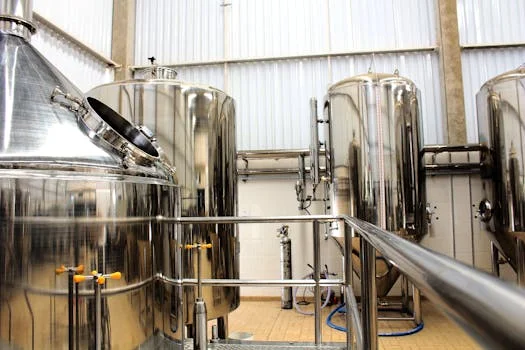
Dissolved Air Flotation (DAF) remains the workhorse for Charlotte food plants with high FOG and TSS. DAF units commonly achieve 92–97% TSS removal at 50–300 m³/h when coagulation and air saturation are tuned to the waste stream. Capital cost typically sits between $80,000 and $350,000, with OpEx about $0.12–$0.35 per gallon treated, including energy, polymer, and labor for most mid-size skids we commission.
Membrane bioreactors suit textile and some metals plants that need low turbidity and strong COD polishing. MBR trains rated near 100 m³/h often cost $1.2M–$2.1M installed and deliver filtration below 1 μm with about 99% pathogen reduction under normal biological operating conditions. OpEx of $0.40–$0.85 per gallon reflects aeration, membrane cleaning, and membrane replacement cycles every several years.
Chemical dosing remains the lowest-capital path for pH control and metal precipitation. PLC-controlled skids costing $20,000–$100,000 can cut chemical use by up to 30% versus manual batching when probes are calibrated weekly. After precipitation, plate-and-frame filter presses commonly produce 35–45% cake solids, shrinking haul-off volume. For dewatering selection detail, see sludge dewatering best practices for Charlotte’s food processing and metal finishing plants. Compact sites with limited civil work also evaluate an Underground Package Sewage Treatment Plant (WSZ Series) when domestic plus light process flows need a buried biological package rather than a full MBR building.
| Technology | Primary Application | Removal Efficiency | OpEx ($/Gallon) |
|---|---|---|---|
| DAF | Food Processing (FOG/TSS) | 92–97% TSS | $0.12 – $0.35 |
| MBR (DF Series) | Textiles/Metals (COD/Metals) | 99% Pathogens | $0.40 – $0.85 |
| Chemical Dosing | pH/Metal Precipitation | 90–95% Metals | $0.05 – $0.20 |
| Filter Press | Sludge Volume Reduction | 35–45% Solids | $0.08 – $0.25 |
Cost Breakdown: Onsite Treatment vs. Offsite Hauling in Charlotte
Industrial plants in Charlotte usually break even on onsite capital when daily discharge exceeds 15,000–25,000 gallons. Below about 10,000 gallons per day, hauling to regional facilities such as Crystal Clean in Concord stays common despite high unit cost. 2024 rate cards for hauling still cluster at $0.85–$4.20 per gallon, with metal-bearing sludge at the high end because of hazardous characterization and distance.
A 30,000-gallon-per-day food processor illustrates the gap. Hauling at a conservative $1.20 per gallon equals $36,000 per day. Onsite DAF at $0.35 per gallon for energy, chemicals, and labor equals about $10,500 per day. Annual savings exceed $200,000 before full amortization of capital. According to CMUD’s 2024 cost-benefit summaries used by local applicants, most mid-to-large onsite systems recover capital in 5–10 years when surcharge avoidance is included.
| Cost Factor | Onsite Treatment (DAF/Chemical) | Offsite Hauling (Concord/Regional) |
|---|---|---|
| Base Cost per Gallon | $0.12 – $0.85 | $0.85 – $4.20 |
| Annual Permit/Compliance | $8,500 – $28,000 | $1,500 – $5,000 |
| Capital Investment | $50,000 – $2,100,000 | $0 (Skids only) |
| Surcharges | Eliminated or Minimal | N/A (Included in hauling) |
| Primary Risk | Equipment Maintenance | Variable Hauling Rates/Liability |
Hidden compliance costs still matter. CMUD permit fees of $1,500–$5,000 per year and lab sampling of $2,000–$8,000 per year add quickly. Daily pH logs plus monthly discharge monitoring reports usually consume $5,000–$15,000 per year in staff time or third-party consulting.
Charlotte Industrial Wastewater Compliance Checklist: Step-by-Step Guide
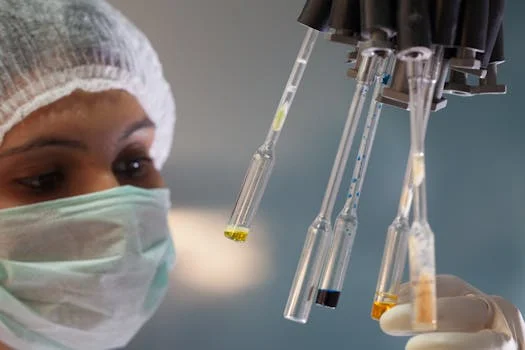
Charlotte’s IPP review window of 90–120 days means unpermitted discharge can trigger the $25,000-per-violation state penalty ceiling before equipment is even ordered. Use this sequence:
- Step 1: Determine Industrial User Category: Use Section 2.1 of the CMUD IPP Manual to classify SIU, CIU, or NSIU status before design work starts.
- Step 2: Submit Discharge Permit Application: Include process flow diagrams, full wastewater characterization (TSS, BOD, metals, FOG), and pretreatment engineering drawings.
- Step 3: Installation and Performance Testing: After design approval, install the system and complete the 30-day performance test while CMUD samples the effluent against permit limits.
- Step 4: Implement Monitoring and Reporting: Schedule weekly flow-proportional composites, keep daily pH and flow logs, and file monthly electronic reports to the IPP office.
- Step 5: Staff Training: Cover spill response, sampling technique, and slug-load prevention so municipal plants are not upset by batch dumps.
- Step 6: Audit Readiness: Keep calibration logs for pH probes and flow meters ready for annual CMUD inspections and unannounced NCDEQ audits, typically 1–2 times per year.
How to Choose the Right Wastewater Treatment System for Your Charlotte Facility
System selection for Charlotte plants follows five checks: hydraulic load, peak contaminant concentrations, CMUD local limits, footprint, and 10-year total cost of ownership. Start with laboratory characterization of TSS, BOD, pH, and metals—the “Big Four” for local sewer permits. Required removal equals current concentration minus the <250 mg/L CMUD conventional thresholds, with metal limits applied separately.
Food plants most often pair a ~50 m³/h DAF (~$220,000) with automatic chemical dosing (~$45,000) for FOG and TSS control. Metal finishers usually lead with precipitation (~$60,000) plus a plate-and-frame press (~$120,000) to reach 35–45% cake solids and cut haul volume. Textile lines needing color and COD control lean toward MBR plus advanced oxidation. Small sites under 10,000 gpd often stay on skid dosing, hauling, or a compact Underground Package Sewage Treatment Plant (WSZ Series) until flow growth justifies a larger train.
| Facility Type | Recommended Equipment Set | Primary Benefit |
|---|---|---|
| Food Processing | DAF + Chemical Dosing | 97% FOG removal; Surcharge avoidance |
| Metal Finishing | Precipitation + Filter Press | Heavy metal compliance; Low disposal volume |
| Textiles | MBR + Advanced Oxidation | Color removal; COD reduction |
| Small Industrial (<10k gpd) | Skid-Mounted Dosing or Hauling | Low capital entry; Immediate compliance |
Footprint often decides the winner. Clarifiers need yard space; DAF and MBR skids fit inside existing buildings. When evaluating ROI, count membrane replacement for MBRs and polymer use for DAF, not only CapEx. Automated controls usually cut the labor share of OpEx more than they cut chemical spend.
Which disinfection methods fit process tanks and sewer piping?
Chlorine or sodium hypochlorite recirculation, peracetic acid circuits, and controlled hot-water sanitizing are the methods Charlotte plants use most after construction, biofilm events, or equipment relocation. Method choice depends on metallurgy, elastomer compatibility, and whether spent solution can meet CMUD pH and residual limits after neutralization. Confirm contact time and residual analytically before returning the asset to production.
What do tank and piping disinfection projects typically cost?
Tank and piping disinfection costs are driven by method, surface area, and downtime—not a single citywide unit rate. Charlotte plants usually choose among chlorine/hypochlorite recirculation, peracetic acid circuits, hot-water sanitizing, or contractor CIP packages after construction or contamination events. Chemical and labor often dominate for small vessels, while large tanks and long pipe runs add scaffolding, flushing water disposal, and production downtime that can exceed the chemical invoice. Budget from a written scope that lists volume, contact time, residual target, and how rinse water will be pretreated before sewer discharge.
Who This Is For / Next Step
This guide is for Charlotte plant engineers, EHS managers, and EPC teams comparing onsite pretreatment against hauling under CMUD limits. Look elsewhere if you only need municipal drinking-water design or residential septic sizing. For a scoped equipment list and budget band matched to your lab data, request a Charlotte pretreatment quote with flow, BOD/TSS, and metal results attached.
Frequently Asked Questions
How much does it cost to treat industrial wastewater in Charlotte?
Onsite treatment typically costs $0.12–$0.85 per gallon depending on technology, with DAF usually cheaper than MBR for FOG-heavy food waste. Offsite hauling in the Charlotte–Concord area runs about $0.85–$4.20 per gallon. For a plant at 20,000 gallons per day, moving from hauling near $1.20 per gallon to onsite DAF near $0.35 per gallon can save on the order of $120,000 per year before capital recovery.
What are the three types of industrial wastewater treatment?
The three types are physical (DAF, screening, sedimentation), chemical (precipitation, pH adjustment, oxidation), and biological (MBR, activated sludge). Most Charlotte industrial users combine methods, such as chemical dosing ahead of DAF or a filter press after metal precipitation. Selection follows the dominant pollutants: FOG/TSS for food, metals/pH for finishing, and color/COD for textiles.
Is only 27% of industrial wastewater safely treated?
Global figures often cited from UN reporting put safe treatment of industrial wastewater near 27% worldwide, but Charlotte’s permitted industrial users operate under a far tighter local program. CMUD’s Industrial Pretreatment Program reported full compliance for permitted facilities in its 2024 Environmental Excellence Awards summary. Local enforcement risk is concentrated in unpermitted or “wildcat” discharges rather than permitted SIUs that sample weekly.
What is the largest wastewater treatment plant in the US?
Blue Plains Advanced Wastewater Treatment Plant in Washington, D.C., is widely cited as the largest advanced plant, at about 384 MGD capacity. In North Carolina, Charlotte’s McAlpine Creek WWTP is the largest local plant referenced here, at about 64 MGD, serving more than 800,000 residents and industrial users. Capacity figures matter when industrial slug loads can push headworks loading during storms.
How do I apply for a CMUD industrial wastewater discharge permit?
Submit a formal application to the Charlotte Water Industrial Pretreatment Program with a process flow diagram, wastewater characterization, and pretreatment engineering specifications. Review typically takes 90–120 days per CMUD IPP practice. Start sampling and design early so the 30-day performance test window aligns with production startup rather than delaying discharge authorization.
Related Equipment
- Charlotte’s top choice for food processing wastewater: DAF systems — view specifications, capacity range, and technical data
- MBR systems for Charlotte’s textile and metal finishing plants: 99% pathogen reduction — view specifications, capacity range, and technical data
- PLC-controlled chemical dosing for Charlotte’s metal finishing and pH adjustment needs — view specifications, capacity range, and technical data
- Sludge dewatering for Charlotte’s food processing and metal finishing plants: 35–45% cake solids — view specifications, capacity range, and technical data
Need a customized solution? Request a free quote with your specific flow rate and pollutant parameters.