In Dodoma, a 2025 wastewater treatment plant costs between $1.2M (500 m³/day municipal package plant) and $18M+ (10,000 m³/day industrial MBR system with tertiary treatment). Key drivers include capacity (capex scales at $2,400–$3,500/m³/day), technology choice (DAF vs. MBR adds 30–40% to costs), and local compliance (NEMC’s 2024 discharge limits for COD/TSS). This guide provides engineering specs, cost benchmarks, and an ROI calculator tailored to Dodoma’s climate, labor rates, and funding programs like the World Bank’s Resilient Water Initiative.
Why Wastewater Treatment Costs in Dodoma Are Rising in 2025
Dodoma’s population grew 4.8% annually between 2020 and 2024, directly increasing municipal wastewater volumes by an estimated 32% (World Bank data). This rapid urbanization, coupled with expanding industrial sectors such as textiles and food processing, places immense pressure on existing, often inadequate, wastewater infrastructure. The escalating demand necessitates new investments and significant upgrades to comply with stricter environmental regulations.
The National Environmental Management Council (NEMC) updated its discharge limits in 2024, tightening standards for industrial effluent. For example, the permissible Chemical Oxygen Demand (COD) was reduced to less than 150 mg/L, and Total Suspended Solids (TSS) to less than 50 mg/L, a notable decrease from the 2020 limits of 250 mg/L COD. These stricter limits compel industries to adopt more advanced and, consequently, more expensive treatment technologies. Textile and food processing sectors, dominant in Dodoma, face potential fines ranging from $50,000 to $200,000 annually for non-compliance, making investment in efficient wastewater treatment plant cost in Dodoma a financial imperative rather than just an environmental one.
Dodoma’s unique climate also influences the overall wastewater treatment plant cost in Dodoma. High evaporation rates, characteristic of the region, can be leveraged to reduce sludge handling costs by approximately 15% compared to coastal cities with higher humidity. This is primarily due to faster natural dewatering of sludge. However, the pervasive water scarcity in Dodoma simultaneously increases the need for robust pretreatment and tertiary treatment systems for industrial water reuse. Many industrial facilities are now investing in advanced systems to reclaim water, adding to initial capital expenditures but offering long-term operational savings and improved water security.
Wastewater Treatment Plant Cost Breakdown: Capex vs. Opex for Dodoma Projects
The capital expenditure (capex) for a wastewater treatment plant in Dodoma varies significantly based on capacity and technology, with projects ranging from $1.2 million for a 500 m³/day municipal package plant to over $12 million for a 10,000 m³/day industrial facility. For municipal sewage plant price in Tanzania, a 500 m³/day plant typically costs $1.2M, while a 2,000 m³/day facility can reach $4.5M, and larger 10,000 m³/day industrial systems often exceed $12M (HydropureWater field data, 2025). These figures reflect the investment in civil works, equipment procurement, installation, and commissioning.
Technology choice is a primary driver of capex. While Dissolved Air Flotation (DAF) systems serve as a baseline for primary treatment, more advanced options like Membrane Bioreactors (MBR) can increase capex by 30-40%, offering superior effluent quality and smaller footprints. Sequencing Batch Reactors (SBR) typically add about 20% to the cost compared to conventional activated sludge. Anaerobic digestion, particularly beneficial for high-BOD industrial effluent treatment in Dodoma, can increase initial capex by 40% but significantly reduces operational expenditure (opex) by up to 25% due to biogas production and lower sludge volumes.
Operational expenditure (opex) for a Dodoma wastewater treatment plant typically breaks down as follows: energy accounts for 40% of the total, chemicals 20%, labor 15%, maintenance 10%, and sludge disposal 15%. Local labor rates in Dodoma for operators average $3–$5/hour, which is substantially lower than the $15–$20/hour for expat engineers, influencing opex by 12-18% depending on staffing mix. Dodoma’s electricity costs, at $0.12/kWh (TANESCO 2024 rates), are 20% higher than in Dar es Salaam, making energy-intensive systems like MBR more expensive to run. Optimizing energy consumption is therefore critical for long-term financial viability.
| Parameter | 500 m³/day (Municipal) | 2,000 m³/day (Industrial) | 10,000 m³/day (Industrial) |
|---|---|---|---|
| Estimated Capex (USD) | $1.2M - $1.8M | $4.5M - $6.5M | $12M - $18M+ |
| Technology Multiplier (vs. Baseline) | DAF: 1.0x, SBR: 1.2x, MBR: 1.3-1.4x | DAF: 1.0x, SBR: 1.2x, MBR: 1.3-1.4x | DAF: 1.0x, SBR: 1.2x, MBR: 1.3-1.4x |
| Opex Range (per m³) | $0.25 - $0.40 | $0.28 - $0.45 | $0.22 - $0.38 |
| Key Opex Components | Energy (40%), Chemicals (20%), Labor (15%), Maintenance (10%), Sludge Disposal (15%) | ||
| Local Electricity Cost | $0.12/kWh (TANESCO 2024) | ||
| Local Labor Rate (Operator) | $3 - $5/hour | ||
Engineering Parameters That Drive Costs in Dodoma’s Climate
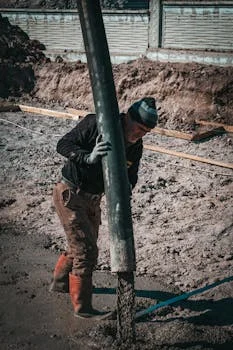
Footprint requirements significantly influence the overall wastewater treatment plant cost in Dodoma, especially in urbanized areas where land is a premium. Membrane Bioreactor (MBR) systems are highly efficient, requiring approximately 0.5 m² per m³/day of treatment capacity, which is less than half the space needed for conventional activated sludge systems (1.2 m²/m³/day). This compact design makes MBRs an attractive option for projects with limited space, despite their higher initial capex. For more on MBR systems for Tanzania’s water reuse and land constraints, read our guide on MBR Wastewater Treatment System in Tanzania.
Energy consumption is another critical engineering parameter, directly impacting opex due to Dodoma’s higher electricity costs. Dissolved Air Flotation (DAF) systems, often used for primary treatment, consume around 0.3 kWh/m³ of treated water. Sequencing Batch Reactors (SBR) typically use about 0.5 kWh/m³, while MBR systems, with their intensive aeration and membrane filtration, can consume up to 0.8 kWh/m³. The choice of technology must balance effluent quality requirements with energy efficiency, especially when considering the long-term operational costs.
Sludge production rates typically range from 0.1–0.3 kg TSS per kg BOD removed. Dodoma’s high evaporation rates offer a unique advantage in sludge management, effectively reducing disposal costs by up to 15% compared to more humid coastal regions. This natural dewatering minimizes the need for extensive mechanical dewatering in some cases, though for larger facilities, efficient sludge dewatering solutions for Dodoma’s high-evaporation climate remain essential.
Pretreatment needs are particularly stringent for industrial wastewater, especially from the textile and food processing sectors. These industries often require robust primary treatment, such as Dissolved Air Flotation (DAF) units or fine screening, to remove fats, oils, grease (FOG), and high suspended solids before biological treatment. This adds an estimated $150,000–$400,000 to the overall capex, but is crucial for meeting NEMC discharge limits and protecting downstream processes. Dodoma’s acute water scarcity means that approximately 60% of industrial plants are now pursuing treated effluent reuse. This necessitates tertiary treatment technologies like ultrafiltration (UF) or reverse osmosis (RO), increasing capex by an additional 25% but providing significant long-term savings on fresh water procurement.
| Parameter | Conventional Activated Sludge | SBR System | MBR System | DAF (Pretreatment) |
|---|---|---|---|---|
| Footprint (m²/m³/day) | 1.0 - 1.2 | 0.8 - 1.0 | 0.4 - 0.6 | 0.1 - 0.2 |
| Energy Use (kWh/m³) | 0.4 - 0.6 | 0.5 - 0.7 | 0.7 - 0.9 | 0.2 - 0.3 |
| Sludge Production (kg TSS/kg BOD removed) | 0.2 - 0.3 | 0.15 - 0.25 | 0.1 - 0.2 | 0.05 - 0.1 |
| Typical Effluent Quality (COD mg/L) | < 100 | < 80 | < 50 | N/A (Primary) |
| Dodoma Climate Impact | High evaporation reduces sludge disposal costs by ~15%; water scarcity increases demand for tertiary treatment for reuse. | |||
| Pretreatment Add-on Cost (Industrial) | Varies ($150K - $400K for DAF/Screening) | N/A (Is pretreatment itself) | ||
Compliance Checklist: Meeting Tanzania’s NEMC and World Bank Standards in Dodoma
Meeting Tanzania’s National Environmental Management Council (NEMC) 2024 discharge limits is paramount for any wastewater treatment plant in Dodoma to avoid severe penalties. The current standards mandate effluent quality of Chemical Oxygen Demand (COD) less than 150 mg/L, Total Suspended Solids (TSS) less than 50 mg/L, pH between 6 and 9, and fecal coliform counts below 1,000 CFU/100mL. These stringent limits often necessitate advanced secondary or even tertiary treatment processes, such as the use of chlorine dioxide generators for disinfection, to ensure full compliance before discharge into natural water bodies or for reuse.
For projects seeking funding from international bodies like the World Bank or the African Development Bank (AFDB), an Environmental Impact Assessment (EIA) is mandatory, especially for projects exceeding 2,000 m³/day capacity. These funding agencies typically require comprehensive environmental and social safeguards, including detailed EIAs, Environmental Management Plans (EMPs), and stakeholder engagement processes. Ignoring these requirements can lead to delays, funding withdrawal, or even project cancellation.
Dodoma-specific compliance considerations include the presence of combined sewer systems in certain older areas, such as Ng'ong'ona. In these areas, stormwater runoff is mixed with sewage, requiring either dedicated stormwater separation projects or the incorporation of equalization tanks into the WWTP design to manage fluctuating hydraulic loads and prevent system overload during rainy seasons. This specific challenge adds complexity and cost to project planning in these localities.
NEMC’s 2025 inspection protocol for wastewater treatment plants in Dodoma involves quarterly sampling for industrial facilities and monthly sampling for municipal WWTPs. Violations of discharge limits carry significant fines, ranging from $10,000 to $50,000 per incident, underscoring the necessity of continuous monitoring and robust treatment. Beyond discharge limits, several permits are legally required before operation. These include a Water Rights Permit from the Water Resources Management Authority (WRMA), an Effluent Discharge Permit from NEMC, and an Occupational Health and Safety Certificate from OSHA, ensuring the facility operates safely and responsibly.
ROI Calculator: Financial Feasibility for Dodoma Wastewater Projects
Determining the financial feasibility of a wastewater treatment plant in Dodoma requires a systematic approach, integrating local costs, regulatory incentives, and potential revenue streams. The following step-by-step ROI calculator provides a framework for municipal engineers and industrial facility managers to justify their investments to stakeholders.
- Step 1: Estimate Capex (Capital Expenditure): Input the desired treatment capacity (m³/day) and technology type (e.g., DAF, MBR, SBR) using the cost benchmarks provided in the "Wastewater Treatment Plant Cost Breakdown" table. For instance, a 2,000 m³/day MBR plant in Dodoma would have an estimated capex of $4.5M - $6.5M.
- Step 2: Calculate Opex (Operational Expenditure): Factor in Dodoma’s specific operational costs. This includes local labor rates ($3–$5/hour for operators), TANESCO electricity costs ($0.12/kWh), and typical percentages for chemicals (20%), maintenance (10%), and sludge disposal (15%). Opex for a 2,000 m³/day MBR system might range from $0.28 to $0.45 per m³.
- Step 3: Factor in Avoided Fines: Quantify the financial benefit of compliance. Industrial plants in Dodoma can avoid $50,000–$200,000 per year in NEMC fines for non-compliance, while municipal WWTPs might avoid $20,000–$80,000 annually (NEMC 2024 schedule). This is a direct saving that contributes to ROI.
- Step 4: Add Revenue from Water Reuse: In water-scarce Dodoma, treated effluent can be a valuable resource. Industrial process water can be sold or reused internally, generating savings or revenue of $0.50–$1.20/m³. For a 2,000 m³/day plant with 60% reuse, this translates to significant annual savings.
- Step 5: Apply Funding Programs & Subsidies: Integrate available financial support. The World Bank’s Resilient Water Initiative can provide up to a 20% grant for qualifying projects. African Development Bank (AFDB) loans typically offer favorable interest rates (e.g., 5%). Municipal projects may also qualify for subsidies under Tanzania’s Water Sector Development Program (WSDP), reducing the overall financial burden and improving payback periods.
Worked Example: 2,000 m³/day MBR Plant in Dodoma with 60% Water Reuse
| Financial Metric | Value | Calculation Basis |
|---|---|---|
| Estimated Capex | $5,500,000 | Mid-range for 2,000 m³/day MBR |
| Annual Opex | $255,500 | 2,000 m³/day * 365 days * $0.35/m³ (mid-range) |
| Avoided Fines (Industrial) | $125,000/year | Mid-range NEMC fine avoidance |
| Water Reuse Revenue/Savings | $365,000/year | 2,000 m³/day * 60% reuse * 365 days * $0.80/m³ (mid-range) |
| Total Annual Benefit | $490,000/year | Avoided Fines + Water Reuse Revenue |
| Net Annual Cash Flow | $234,500/year | Total Annual Benefit - Annual Opex |
| World Bank Grant (20%) | $1,100,000 | 20% of Capex |
| Adjusted Capex | $4,400,000 | Capex - Grant |
| Simple Payback Period | ~18.7 years | Adjusted Capex / Net Annual Cash Flow |
Note: This example does not include financing costs (e.g., AFDB loan interest) or depreciation, which would further refine the ROI calculation. However, it demonstrates how avoided costs and revenue generation can significantly offset the initial investment.
Frequently Asked Questions
Q: How much does it cost to set up a sewage treatment plant in Dodoma?
A: For a 500 m³/day municipal plant, capex ranges from $1.2M (conventional activated sludge) to $1.8M (MBR). Industrial plants, such as those for textile processing, typically start at $2.5M due to more extensive pretreatment needs and higher effluent quality requirements (World Bank data).
Q: What is the cheapest wastewater treatment option for Dodoma’s climate?
A: Anaerobic digestion combined with a DAF system is approximately 20% cheaper than aerobic systems for treating high-BOD wastewater, common in food processing industries. However, this option requires a larger footprint due to the nature of anaerobic processes. For municipal applications, WSZ series underground package plants can offer cost-effective solutions for smaller capacities.
Q: How do I get funding for a wastewater treatment plant in Dodoma?
A: Project developers can apply for the World Bank’s Resilient Water Initiative, which offers up to a 20% grant, or secure loans from the African Development Bank (AFDB) at competitive interest rates, typically around 5%. Municipal projects may also qualify for subsidies under Tanzania’s Water Sector Development Program (WSDP).
Q: What are the ongoing costs of a wastewater treatment plant in Dodoma?
A: Operational expenditure (opex) for a wastewater treatment plant in Dodoma typically ranges from $0.25–$0.45/m³ of treated water. Energy (40%) and chemicals (20%) are the largest components of opex. Dodoma’s high evaporation rates uniquely reduce sludge disposal costs by about 15% compared to coastal cities.
Q: Can I reuse treated wastewater in Dodoma?
A: Yes, treated wastewater reuse is encouraged in Dodoma due to water scarcity, but NEMC requires tertiary treatment (e.g., Ultrafiltration/Reverse Osmosis) for industrial reuse applications. A 2,000 m³/day MBR system with integrated RO adds approximately $1.1M to capex but can generate significant savings, estimated at $360K/year, from reduced freshwater procurement. For specialized applications like medical facilities, compact treatment system for Dodoma’s clinics and hospitals ensure high-quality discharge suitable for some reuse applications.