In the Czech Republic, sludge dewatering equipment must achieve 20–25% dry solids (DS) for land application under ČSN EN 12255-8, with belt filter presses dominating municipal WWTPs (3,000+ PE) and screw presses gaining traction for industrial sludge (e.g., food/paper). Key suppliers like Kolínské strojírny and HUBER offer turnkey systems integrating pumps, dosing, and conveyors, but costs vary by 40% for equivalent throughput. This guide compares technical specs, EU compliance, and lifecycle costs to help Czech buyers select the optimal solution.
Why Sludge Dewatering Matters for Czech WWTPs and Industrial Facilities
The Czech Republic generates approximately 300,000 tons of sewage sludge annually, according to CZSO 2023 data, necessitating efficient processing. Landfilling of untreated sludge has been banned since 2024 under the EU Landfill Directive 1999/31/EC, forcing wastewater treatment plants (WWTPs) and industrial facilities to adopt advanced dewatering solutions. Disposal costs for untreated sludge range from 1,200–1,800 CZK/ton, whereas dewatered sludge can be managed for 300–500 CZK/ton, based on 2025 Czech Waste Management Association data, illustrating significant economic incentives. the EU Water Framework Directive (WFD) 2000/60/EC requires sludge dewatering to reduce volume and weight, with Czech ČSN EN 12255-8 mandating a 20–25% dry solids (DS) content for land application. Industrial sludge, often originating from sectors like tanneries or paper mills, can contain heavy metals such as Chromium (Cr) and Zinc (Zn), requiring specialized dewatering processes to comply with ČSN 75 7101 limits before disposal or beneficial reuse.
Sludge Dewatering Equipment Types: Technical Comparison for Czech Applications
Belt filter presses remain the dominant dewatering technology in Czech municipal WWTPs serving 3,000+ population equivalents (PE), consistently achieving 20–25% dry solids (DS) content with 90–95% solids capture rates (Kolínské strojírny data). These systems typically consume 0.5–1.5 kWh per ton of dewatered sludge for operation, making them a cost-effective choice for large-volume municipal applications. In contrast, screw presses are emerging as a preferred solution for industrial sludge, particularly in the food and paper industries, where they can achieve 25–35% DS and 85–92% solids capture (HUBER Czech Republic specifications). While screw presses often entail a higher initial capital expenditure (CAPEX), their lower energy consumption (0.3–0.8 kWh/ton) and reduced maintenance requirements contribute to competitive operational costs over their lifecycle. Centrifuges are less common in the Czech Republic due to their high energy demands (2–4 kWh/ton) and elevated maintenance costs, but they are specifically utilized for specialized applications such as dewatering oily sludge from car washes, where they can achieve 30–40% DS. For municipal sludge with low initial solids content (typically less than 1% DS), pre-treatment using thickeners, such as belt or drum thickeners, is crucial, reducing the subsequent dewatering load by 30–50% (Czech Industrial Fabrics case study). HydropureWater’s plate and frame filter presses for high-solids sludge dewatering offer an alternative for specific applications requiring even higher DS content.
| Equipment Type | Typical DS Achieved | Solids Capture Rate | Energy Consumption (kWh/ton sludge) | Primary Application in Czech Republic |
|---|---|---|---|---|
| Belt Filter Press | 20–25% | 90–95% | 0.5–1.5 | Municipal WWTPs (>3,000 PE) |
| Screw Press | 25–35% | 85–92% | 0.3–0.8 | Industrial sludge (food, paper) |
| Centrifuge | 30–40% | 95–98% | 2–4 | Oily sludge (car washes), specialized industrial |
| Belt/Drum Thickener (Pre-treatment) | 5–8% (from <1%) | 90–98% | 0.1–0.3 | Low-solids municipal sludge |
Turnkey Sludge Dewatering Systems: What Czech Buyers Often Overlook
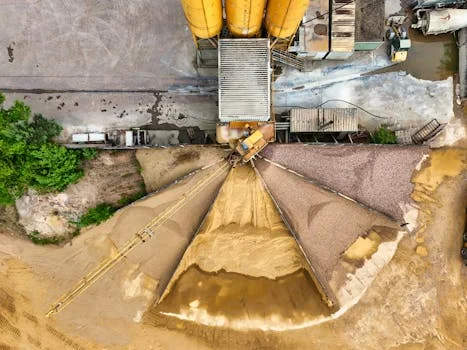
Integrating a complete sludge dewatering system involves more than just selecting the dewatering unit; several critical ancillary components and their seamless integration are frequently overlooked by Czech buyers. Sludge pumps, for instance, are vital for conveying raw sludge to the dewatering equipment; progressive cavity pumps (e.g., Netzsch) are preferred for sludge with 3–8% DS, as centrifugal pumps tend to clog at concentrations exceeding 5% DS, requiring robust regulation valves for precise flow control as recommended by Kolínské strojírny. Dosing stations are another crucial element, responsible for preparing and accurately injecting coagulants and flocculants (ee.g., FeCl₃, PAM) into the sludge to enhance dewatering efficiency; PLC-controlled chemical dosing systems for Czech WWTPs are essential to prevent chemical overuse, as typical Czech WWTPs may waste 15–20% of chemicals due to manual dosing. Once dewatered, the sludge, with 20–25% DS, requires specialized conveyors; screw conveyors are suitable for this consistency, typically with a maximum incline of 45°, while belt conveyors are prone to jamming if the DS content exceeds 22% (ASIO case study). Advanced control systems, such as HUBER’s STPD software, offer automatic press control, but their integration with existing SCADA systems necessitates Modbus or Profibus compatibility to ensure centralized monitoring and operation. Czech law (ČSN 75 7101) mandates pre-dewatering laboratory tests to determine the optimal coagulant type and dosage, a service often included in turnkey contracts by suppliers like Kolínské strojírny, ensuring compliance and operational efficiency.
EU and Czech Compliance: Sludge Dewatering Standards You Must Meet
Adherence to both European Union directives and specific Czech national standards is non-negotiable for sludge dewatering operations. The EU Water Framework Directive (WFD) 2000/60/EC necessitates sludge dewatering to significantly reduce its volume and weight, a requirement rigorously enforced in the Czech Republic through stricter national limits. Specifically, ČSN EN 12255-8 mandates a 20–25% dry solids (DS) content for municipal sludge intended for land application, ensuring environmental protection and efficient resource management. For sludge destined for agricultural use, ČSN 75 7101 sets stringent heavy metal limits, such as Chromium (Cr) below 1,000 mg/kg DS and Zinc (Zn) below 2,500 mg/kg DS, to prevent soil contamination. Beyond chemical parameters, the EU Sewage Sludge Directive 86/278/EEC establishes pathogen limits, including E. coli below 1,000 CFU/g DS for land application, which often leads Czech WWTPs to implement post-dewatering lime stabilization to meet these microbiological standards. The Czech Waste Act 229/2021 further prohibits the landfilling of sludge with greater than 5% organic content, a threshold that dewatering to 25% DS typically helps facilities achieve. Industrial sludge, particularly from sectors like tanneries, must also comply with ČSN 75 6401 for hazardous waste classification if its heavy metal concentrations exceed predefined limits, highlighting the need for robust dewatering and testing protocols. Understanding how Germany’s sludge dewatering standards compare to Czech requirements can provide additional context for best practices.
| Standard/Directive | Key Requirement | Target Metric for Compliance |
|---|---|---|
| ČSN EN 12255-8 | Dry solids content for land application | 20–25% DS |
| ČSN 75 7101 | Heavy metal limits in agricultural sludge | Cr <1,000 mg/kg DS, Zn <2,500 mg/kg DS |
| EU Sewage Sludge Directive 86/278/EEC | Pathogen limits for land application | E. coli <1,000 CFU/g DS |
| Czech Waste Act 229/2021 | Organic content for landfilling | Sludge with >5% organic content banned from landfill |
| EU WFD 2000/60/EC | Sludge volume/weight reduction | Achieved through dewatering to specified DS |
Cost Benchmarking: Sludge Dewatering Equipment in Czech Republic (2025)
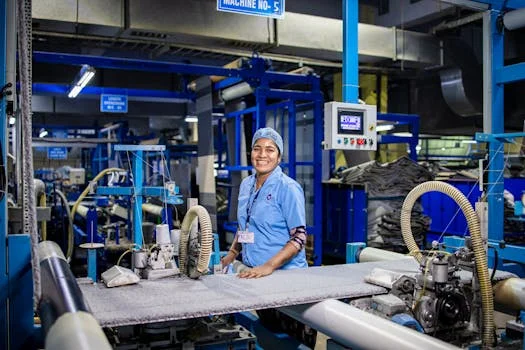
Capital expenditure (CAPEX) for sludge dewatering equipment in the Czech Republic varies significantly by technology and capacity, influencing procurement decisions. For a belt press with a capacity of 10 m³/h, the CAPEX typically ranges from 2.5–4 million CZK. A screw press of 8 m³/h capacity commands a higher initial investment of 3.2–5 million CZK, while a centrifuge system capable of 12 m³/h can cost between 4.5–7 million CZK, based on 2025 supplier quotes. Operational expenditure (OPEX) is also a critical factor; belt presses incur 0.5–1.5 kWh/ton in energy costs plus 50–100 CZK/ton for coagulant chemicals. Screw presses offer lower energy consumption at 0.3–0.8 kWh/ton, coupled with 30–70 CZK/ton for coagulants, according to HUBER Czech data. Hidden costs can substantially impact the overall project budget; dedicated chemical dosing systems add 500,000–1.2 million CZK, and advanced PLC control systems contribute 300,000–800,000 CZK to the total, as seen in Kolínské strojírny's turnkey quotes. Despite these investments, dewatering significantly reduces disposal costs by 60–70%, leading to a typical payback period of 3–5 years for municipal WWTPs, as reported by the Czech Waste Management Association in 2024. Maintenance requirements also differ; belt presses require weekly cloth washing, consuming 1–2 hours of labor, while screw presses need monthly screw inspections, with ASIO recommending an annual gearbox oil change.
| Equipment Type | Typical CAPEX (2025, CZK) | Typical OPEX (Energy + Chemicals, CZK/ton) | Key Hidden Costs |
|---|---|---|---|
| Belt Press (10 m³/h) | 2.5–4M CZK | 0.5–1.5 kWh/ton + 50–100 CZK/ton coagulant | Chemical dosing system (500K-1.2M), PLC control (300K-800K) |
| Screw Press (8 m³/h) | 3.2–5M CZK | 0.3–0.8 kWh/ton + 30–70 CZK/ton coagulant | Chemical dosing system (500K-1.2M), PLC control (300K-800K) |
| Centrifuge (12 m³/h) | 4.5–7M CZK | 2–4 kWh/ton + 70–120 CZK/ton coagulant | High maintenance, specialized spare parts |
How to Select a Sludge Dewatering Supplier in Czech Republic: Decision Framework
Selecting the optimal sludge dewatering supplier in the Czech Republic requires a structured approach to ensure technical suitability, compliance, and long-term support. Step 1: Define sludge type and throughput. Clearly categorize whether the sludge is municipal or industrial, and establish the required volumetric throughput in m³/h. Municipal sludge, often with low solids content, typically requires thickening pre-treatment before dewatering, as highlighted by Czech Industrial Fabrics data. Step 2: Request pilot tests. Engage potential suppliers, many of whom, like HUBER, offer mobile dewatering stations for on-site trials. These tests are critical for validating equipment performance with your specific sludge characteristics and optimizing chemical dosing. Step 3: Compare turnkey capabilities. Evaluate the extent of each supplier's turnkey offerings. Kolínské strojírny, for example, often includes integrated pumps, dosing systems, and conveyors, whereas other suppliers like ASIO might focus primarily on standalone dewatering units, requiring separate procurement and integration of ancillary equipment. Step 4: Verify compliance. Demand comprehensive documentation, including ČSN EN 12255-8 test reports for dewatered sludge quality and EU CE marking for all electrical components, ensuring the equipment meets essential health and safety standards. Step 5: Evaluate service and support. Assess the supplier's post-sales support, including warranty periods (typically 12–24 months from Czech suppliers) and availability of spare parts. Some providers, such as HUBER, offer advanced services like 24/7 remote monitoring for an annual fee, which can significantly reduce downtime. Insights from Japan’s screw press adoption for industrial sludge can also offer valuable lessons for Czech buyers in evaluating supplier expertise.
Frequently Asked Questions
What’s the difference between sludge thickening and dewatering?
Sludge thickening is a preliminary process that increases the dry solids (DS) content from typically 1% to 5–8%, reducing the volume for subsequent treatment. Equipment like ASIO’s AS-DEHYDRATOR is designed for this purpose. Dewatering, conversely, is a more intensive process that further increases the DS content to 20–35%, significantly reducing the sludge volume and weight for disposal or beneficial reuse, as achieved by HUBER’s belt presses.
Can I use a belt press for industrial sludge with high oil content?
No, belt presses are generally not suitable for industrial sludge with high oil or grease content, such as that from car washes. Oily sludge can quickly clog the pores of the filter belt, severely impairing dewatering efficiency and requiring frequent cleaning. For such applications, centrifuges or screw presses are more effective. Kolínské strojírny often recommends pre-treatment with Dissolved Air Flotation (DAF) for high-oil sludges before dewatering.
What’s the typical energy consumption for sludge dewatering in Czech WWTPs?
The typical energy consumption varies by technology. Belt presses generally consume 0.5–1.5 kWh per ton of dewatered sludge. Screw presses are more energy-efficient, typically operating at 0.3–0.8 kWh per ton. Centrifuges, while effective for certain sludges, have higher energy demands, ranging from 2–4 kWh per ton (HUBER Czech data).
Do Czech suppliers offer financing for sludge dewatering equipment?
Yes, some Czech suppliers, such as Kolínské strojírny, partner with financial institutions to offer leasing or other financing options for sludge dewatering equipment. Additionally, municipal projects may be eligible for EU cohesion funds, which can cover 30–50% of the capital expenditure (CAPEX) for environmental infrastructure improvements.
How often should I replace the belt on a filter press?
For municipal sludge dewatering, the filter belt on a belt press typically requires replacement every 2,000–4,000 operating hours, which translates to approximately 1–2 years of continuous operation. However, for industrial sludge, particularly from abrasive sources like tanneries, the belt may need replacement more frequently, often every 6–12 months, as demonstrated in Czech Industrial Fabrics case studies, due to increased wear and tear.
Related Equipment
- PLC-controlled chemical dosing systems for Czech WWTPs — view specifications, capacity range, and technical data
Need a customized solution? Request a free quote with your specific flow rate and pollutant parameters.