
Pakistan’s Wastewater Crisis: Why Municipal Treatment Plants Are Urgent
Pakistan treats only 1% of its municipal wastewater, with just 6 functional plants across major cities (Islamabad, Lahore, Karachi, Faisalabad). In 2025, urban projects like Lahore’s $500M Babu Sabu plant set new benchmarks for capacity (200,000 m³/day) and compliance with NEQS Class A standards (BOD <10 mg/L, TSS <10 mg/L). Rural areas remain untreated, requiring low-footprint solutions like MBR or package plants. This guide provides technical specifications, cost benchmarks ($5M–$500M+), and a decision framework for selecting equipment tailored to Pakistan’s climate, influent quality, and regulatory landscape.
The scale of untreated discharge in Pakistan has reached a critical threshold, with approximately 19.8 million m³ of raw sewage entering water bodies daily. This calculation is based on a population of 240 million with an average water consumption of 100 liters per capita, where 99% remains untreated (per 2020 Global Methane Initiative report and 2024 environmental updates). Currently, the infrastructure is concentrated in a few urban centers: Islamabad operates only one of its three designed plants; Karachi relies on two aging trickling filters that provide only basic screening; and Faisalabad’s system is limited to primary treatment. The result is a nationwide contamination of the hydraulic cycle.
The economic impact of this infrastructure gap is estimated by the World Bank at $3.5 billion annually, primarily driven by healthcare costs for waterborne diseases like cholera and hepatitis, and lost revenue from tourism and agriculture. In rural districts, the absence of centralized treatment has led to a 40% increase in heavy metal and pathogen concentrations in shallow groundwater. For municipal engineers, the urgency is no longer just environmental; it is a matter of national economic security and public health. As urbanization continues at a rate of 3.5% annually, the capacity gap will widen unless decentralized and high-efficiency urban plants are prioritized.
Pakistan’s Regulatory Compliance Roadmap: NEQS, WHO, and International Standards
The National Environmental Quality Standards (NEQS) in Pakistan serve as the primary legal benchmark for municipal effluent, though international funding often requires alignment with WHO or EU directives. For municipal projects, the distinction between Class A (discharge into surface water) and Class B (irrigation use) is critical for technology selection. While NEQS standards are historically more lenient than EU directives, the 2024 Environmental Protection Act amendments have introduced stricter enforcement and higher penalties, ranging from PKR 1 million to PKR 50 million for non-compliance.
| Parameter (mg/L) | NEQS Class A (Surface) | NEQS Class B (Irrigation) | WHO Guidelines | EU Urban Directive |
|---|---|---|---|---|
| Biochemical Oxygen Demand (BOD₅) | <10 | <30 | <15 | <25 |
| Chemical Oxygen Demand (COD) | <50 | <150 | <50 | <125 |
| Total Suspended Solids (TSS) | <10 | <30 | <10 | <35 |
| Fecal Coliform (MPN/100mL) | <1,000 | <1,000 | <1,000 | N/A |
| Total Nitrogen (TN) | <10 | N/A | <15 | <15 |
Navigating the permitting process in Pakistan requires a three-tier approval system. First, an Environmental Impact Assessment (EIA) must be submitted to the provincial EPA (e.g., Punjab EPA or SEPA). Second, a No Objection Certificate (NOC) is required from the local municipality or development authority (LDA, CDA, or KDA). Finally, a NEQS Compliance Certificate is issued following a 30-day trial run of the plant. Discrepancies between Punjab Environmental Quality Standards (PEQS) and Sindh requirements often focus on industrial-municipal blends; municipal engineers must ensure their design accounts for the higher salinity often found in Karachi’s influent compared to Lahore’s.
Urban vs. Rural Sewage Treatment: Design Requirements for Pakistan’s Diverse Needs
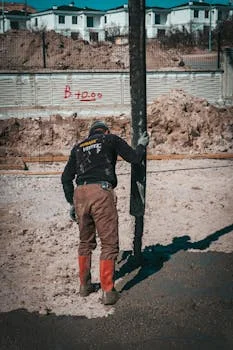
Design parameters for a municipal sewage treatment plant in Pakistan must account for extreme influent variability and a climate that ranges from 5°C in winter to 45°C in summer. Urban centers like Lahore and Karachi face high organic loads, with influent BOD often reaching 800 mg/L due to combined sewer systems that also collect industrial runoff. Conversely, rural districts require systems that can handle high turbidity from agricultural runoff and operate with minimal technical supervision.
Urban plants require high-reliability technologies like the MBR membrane bioreactor for urban sewage treatment in Pakistan to overcome space constraints. For instance, the Babu Sabu plant in Lahore utilizes MBR to achieve NEQS Class A standards within a footprint 60% smaller than conventional activated sludge (CAS) systems. In rural settings, where skilled operators are scarce, a compact underground sewage treatment system for rural Pakistan (WSZ Series) is preferable. These package plants utilize an automated A/O process that maintains a stable microbial population even during power outages, a frequent challenge in Sindh and Balochistan.
| Feature | Urban MBR System | Conventional Activated Sludge | Rural Package Plant (WSZ) |
|---|---|---|---|
| Footprint (m²/m³/day) | 0.4 – 0.6 | 1.2 – 1.5 | 0.2 – 0.3 |
| Effluent Quality | NEQS Class A+ | NEQS Class B | NEQS Class A/B |
| Energy Use (kWh/m³) | 0.8 – 1.2 | 0.4 – 0.6 | 0.3 – 0.5 |
| Operator Skill | High (SCADA/PLC) | Medium | Low (Automated) |
| Sludge Production | Low (High SRT) | High | Moderate |
Temperature sensitivity is a critical design factor. Biological efficiency in Pakistan peaks at 30°C but can drop by 40% during cold spells in northern regions. Design engineers should consult a detailed comparison of MBR and SBR technologies for Pakistani conditions to determine which biological process provides the necessary buffer for seasonal temperature fluctuations and peak morning hydraulic loads.
Technology Selection Guide: MBR, SBR, DAF, and Package Plants for Pakistani Conditions
Selecting the right technology depends on the target effluent class and the available budget. For high-density urban areas, MBR systems using PVDF membranes with a 0.1 μm pore size are the gold standard. These membranes operate at flux rates of 15–25 LMH, ensuring that even with high influent TSS (up to 1,000 mg/L), the effluent remains below 2 mg/L. This level of filtration is essential for cities looking to reuse wastewater for municipal landscaping or industrial cooling.
For intermittent flows common in smaller towns or housing societies, Sequencing Batch Reactors (SBR) offer flexibility. SBRs operate on a 4–6 hour cycle, combining aeration and settling in a single tank. While energy use is lower (0.4–0.6 kWh/m³), the footprint is larger than MBR. If the influent contains high oil, grease, or suspended solids from local markets, a high-efficiency DAF system for pre-treatment in industrial/municipal plants is necessary to protect downstream biological units. The DAF utilizes micro-bubbles (30–50 μm) to achieve over 90% TSS removal in the primary stage.
Decision Framework for Pakistani Municipalities:
- Scenario A: Limited land, NEQS Class A required, high budget → Select MBR.
- Scenario B: Ample land, NEQS Class B required, low energy budget → Select SBR or CAS.
- Scenario C: Rural district, no skilled labor, <500 m³/day flow → Select WSZ Package Plant.
- Scenario D: High influent oil/grease or industrial blend → Integrate DAF Pre-treatment.
For those evaluating membrane options, understanding how submerged MBR stacks up against CAS, DAF, and SBR for municipal wastewater provides the technical depth needed to justify the higher CAPEX of membrane systems through long-term OPEX savings in sludge handling and water reuse value.
Cost Benchmarks for Municipal Sewage Treatment Plants in Pakistan (2025)
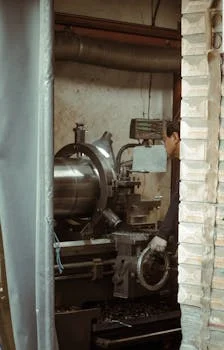
Budgeting for a municipal sewage treatment plant in Pakistan requires accounting for a 17% import duty on specialized equipment and fluctuating energy costs (currently PKR 20–25/kWh). CAPEX is largely driven by the technology choice and the scale of civil works. While large-scale plants like Babu Sabu benefit from economies of scale, decentralized package plants offer lower total project costs by eliminating the need for extensive sewer network extensions.
| Plant Type | Capacity (m³/day) | Estimated CAPEX | OPEX ($/m³) | Primary Cost Drivers |
|---|---|---|---|---|
| Urban MBR | 100,000 | $150M – $220M | $0.15 – $0.22 | Membranes, Energy, SCADA |
| Urban SBR | 10,000 | $8M – $12M | $0.10 – $0.14 | Land, Civil Works, Aeration |
| Rural Package (WSZ) | 500 | $400K – $750K | $0.30 – $0.45 | Chemicals, Transport |
| Primary Treatment | 50,000 | $20M – $35M | $0.05 – $0.08 | Sludge Disposal, Labor |
Operational costs (OPEX) in Pakistan are heavily influenced by membrane replacement cycles (typically 5–7 years for PVDF) and labor. For a 10,000 m³/day plant, a municipality should budget for 5–8 operators with salaries ranging from PKR 30,000 to 60,000 per month. Funding for these projects often comes from international lenders; for example, the Faisalabad wastewater project secured a $100M loan from the Asian Development Bank (ADB). Municipalities are increasingly looking toward Public-Private Partnership (PPP) models to offset initial costs. For a regional perspective on pricing, engineers can reference cost benchmarks for South Asian wastewater projects to ensure their tenders are competitive.
Procurement Checklist: How to Select a Sewage Treatment Plant Supplier in Pakistan
Selecting a supplier for a municipal project involves more than comparing quotes; it requires a rigorous evaluation of technical support and long-term reliability. Use the following checklist to vet potential partners during the RFP process:
- Technical Specifications: Does the proposal guarantee NEQS Class A/B compliance under local peak loads? Are footprint and energy consumption (kWh/m³) clearly defined?
- Certifications: Verify ISO 9001 for manufacturing and CE/UL certifications for electrical components. Ensure the supplier provides a NEQS compliance guarantee.
- Local Support: Does the supplier have a service team in Pakistan? Availability of spare parts (membranes, blowers, pumps) within 48 hours is vital for municipal uptime.
- Track Record: Request a list of at least three municipal installations of similar capacity. Contact references to verify actual vs. designed effluent quality.
- Warranty and Training: Require a minimum 2-year warranty on membranes and 10 years on civil structures. Ensure the contract includes 30 days of on-site training for local municipal staff.
- Site Assessment: Has the supplier conducted soil bearing capacity tests and flood risk assessments? This is crucial for underground systems in flood-prone areas like South Punjab.
- Contract Terms: Follow a 30/40/30 payment milestone (Advance/Delivery/Commissioning) and include liquidated damages for delays in achieving biological stabilization.
For more details on navigating the regional supplier landscape, consult our guide on sewage treatment equipment procurement, which outlines the steps from site assessment to final commissioning.
Frequently Asked Questions
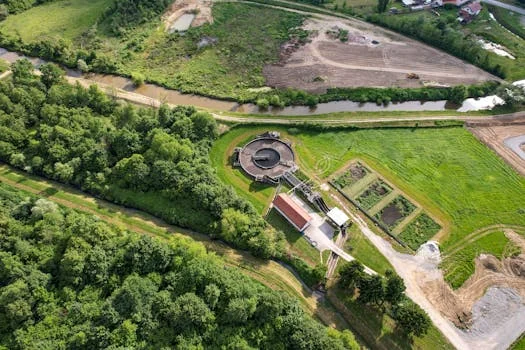
How many sewage treatment plants are there in Pakistan?As of 2025, Pakistan has 6 functional municipal sewage treatment plants: 1 in Islamabad, 1 in Lahore (Babu Sabu), 2 in Karachi (trickling filters), 1 in Faisalabad (primary treatment), and 1 in Multan (under construction). Rural areas have zero treatment infrastructure. (Source: Global Methane Initiative 2020, updated with 2025 project announcements)
How much does a municipal sewage treatment plant cost in Pakistan?Costs range from $200K for a 200 m³/day package plant to $500M+ for a 200,000 m³/day MBR plant like Lahore’s Babu Sabu. CAPEX averages $1,500–$3,000/m³/day for urban plants and $800–$1,500/m³/day for rural package systems. (HydropureWater field data, 2025)
Does Pakistan have a sewer system?Yes, but coverage is limited. Only 50% of urban households are connected to sewer networks, and rural areas have no centralized systems. Most untreated sewage is discharged into rivers, canals, or open drains. (Source: Pakistan Water Situational Analysis 2023)
What is the largest municipal sewage treatment plant in Pakistan?Lahore’s Babu Sabu plant, approved in 2024, is the largest with a capacity of 200,000 m³/day. It uses MBR technology to meet NEQS Class A standards and serves 2.5M residents. (Source: Central Development Working Party approval documents)
What are the NEQS standards for municipal sewage effluent in Pakistan?NEQS Class A standards (for discharge into surface water) require BOD <10 mg/L, COD <50 mg/L, TSS <10 mg/L, and fecal coliform <1,000 MPN/100mL. Class B standards (for irrigation) are less stringent: BOD <30 mg/L, COD <150 mg/L, TSS <30 mg/L. (Source: Pakistan Environmental Protection Agency 2024)