Wastewater Treatment Plant Cost in Rwanda 2025: Engineering Breakdown with Local Data, Compliance & ROI Calculator
In Rwanda, wastewater treatment plant costs range from $8M for small-scale sludge plants (e.g., Kigali’s $8M project) to $61M+ for large municipal systems (e.g., the $61.42M Kigali-Bugesera plant supplying 40,000 m³/day). Costs vary by capacity, technology (MBR, conventional, or low-cost DEFAST), and compliance requirements. For example, a 5,000 m³/day plant in Kigali may cost $12M–$18M, including civil works, equipment, and permitting. This guide provides a detailed cost breakdown, engineering specs, and an ROI calculator for 2025 projects.
Why Rwanda’s Wastewater Treatment Costs Are Rising in 2025
Rwanda’s commitment to achieving 100% access to clean piped water by 2024 has shifted the national focus toward sustainable wastewater management to protect existing water sources. This transition is driven by rapid urbanization, particularly in Kigali, where the population is projected to grow from 1.2 million in 2020 to over 2.5 million by 2030 (Rwanda National Institute of Statistics). This demographic shift is expected to increase domestic and industrial wastewater volumes by 80%, necessitating a massive expansion of treatment infrastructure.
In 2025, the Ministry of Infrastructure (MININFRA) has introduced more stringent discharge standards to align with the Sustainable Development Goals (SDGs). These regulations mandate lower limits for Total Suspended Solids (TSS), Biochemical Oxygen Demand (BOD), and Chemical Oxygen Demand (COD), forcing developers to move away from basic septic systems toward advanced biological and mechanical treatment. The $61.42M Kigali-Bugesera plant, which supplies 30,000 m³/day to Kigali and 10,000 m³/day to Bugesera, serves as the primary benchmark for large-scale investment in the region. This project highlights the increasing capital intensity of projects that must integrate modern technology with high-reliability power systems to meet national water security goals.
the rising cost of land in Kigali’s urban periphery and the necessity of importing specialized mechanical components—such as MBR systems for high-efficiency wastewater treatment in Rwanda—have contributed to a 15-20% increase in total project CAPEX compared to 2020 estimates. For engineers and investors, understanding these cost drivers is essential for accurate budgeting in a market characterized by high growth and tightening environmental oversight.
Wastewater Treatment Plant Cost Breakdown by Capacity in Rwanda
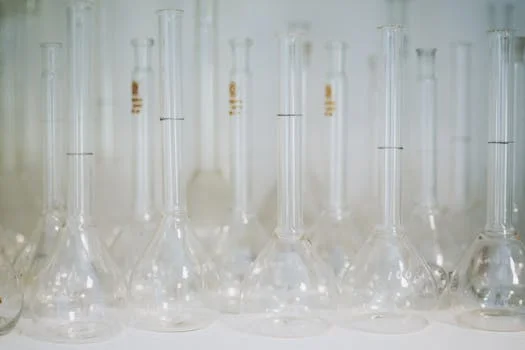
The capital expenditure (CAPEX) for wastewater treatment in Rwanda is primarily determined by the hydraulic capacity and the level of treatment required to meet discharge standards. Based on recent benchmarks, such as the $8M Kigali sludge plant and the $61.42M Kigali-Bugesera facility, costs are typically categorized into three capacity tiers. For a medium-scale 5,000 m³/day plant, the estimated cost ranges between $12M and $18M, depending on the choice of Membrane Bioreactor (MBR) or Conventional Activated Sludge (CAS) technology.
| Capacity Tier (m³/day) | Estimated CAPEX (USD) | Cost per m³/day | Primary Technology | Typical Application |
|---|---|---|---|---|
| Small (500 – 2,000) | $2.5M – $7.5M | $3,750 – $5,000 | Package MBR / DEFAST | Hotels, Hospitals, Small Estates |
| Medium (2,000 – 10,000) | $8M – $30M | $3,000 – $4,000 | MBR / CAS / SBR | Industrial Parks, Kigali Suburbs |
| Large (10,000 – 50,000) | $35M – $75M+ | $1,500 – $3,500 | CAS / Advanced Biological | Municipal (Kigali, Bugesera) |
The cost distribution within these projects is heavily weighted toward civil works and specialized equipment. In Rwanda, civil works (concrete tanks, piping, and site preparation) typically account for 40-45% of the budget due to the hilly terrain and the need for reinforced structures. Mechanical and electrical equipment, including DAF systems for industrial wastewater pretreatment in Rwanda, accounts for 30-35%. The remaining 20-25% covers land acquisition, environmental impact assessments (EIA), engineering fees, and import duties. While water treatment equipment often benefits from investment incentives, secondary components may still be subject to standard East African Community (EAC) tariffs, which must be factored into the initial procurement strategy.
Land acquisition in Kigali remains a significant variable. In areas like Nyarugenge or Gasabo, land costs can add an additional 10-15% to the project budget compared to rural sites. Consequently, many private developers are opting for underground package plants for space-constrained sites in Rwanda to minimize land footprint while maintaining high effluent quality.
Engineering Specifications for Wastewater Treatment Plants in Rwanda
Engineering design in Rwanda must account for the country's unique topography and tropical climate, which features high seasonal rainfall and consistent temperatures. These factors influence the selection of biological processes, as temperature stability aids bacterial growth, while high rainfall necessitates robust stormwater management and grit removal systems to prevent system bypass or biomass washout.
| Parameter | Conventional (CAS) | MBR System | DEFAST (Low-Cost) |
|---|---|---|---|
| Effluent Quality (BOD/TSS) | < 25 / < 30 mg/L | < 5 / < 5 mg/L | < 50 / < 50 mg/L |
| Footprint Requirement | High (100%) | Low (25-40%) | Medium (60-70%) |
| Energy Demand | 0.4 – 0.6 kWh/m³ | 0.8 – 1.2 kWh/m³ | < 0.1 kWh/m³ |
| O&M Complexity | Moderate | High | Low |
| Sludge Production | High | Low | Very Low |
For industrial applications, particularly in the food and beverage or textile sectors within Kigali’s industrial zones, pretreatment is critical. Using DAF systems for industrial wastewater pretreatment in Rwanda allows facilities to remove fats, oils, and grease (FOG) before secondary biological treatment, preventing membrane fouling and ensuring compliance with municipal sewer codes. This is similar to how DAF systems are used in similar African climates to handle high organic loads efficiently.
The process flow for a standard Rwandan municipal plant typically involves: 1. Preliminary Treatment: Automated rotary screens and grit chambers to handle high inorganic loads from runoff. 2. Primary Treatment: Sedimentation or DAF for solid-liquid separation. 3. Secondary Treatment: Membrane Bioreactors (MBR) are increasingly preferred in Kigali due to their small footprint and ability to produce water suitable for immediate reuse in irrigation or industrial cooling. 4. Tertiary Treatment: UV disinfection or chlorination to meet pathogen limits set by the Rwanda Standards Board (RSB).
Compliance and Permitting for Wastewater Treatment Plants in Rwanda
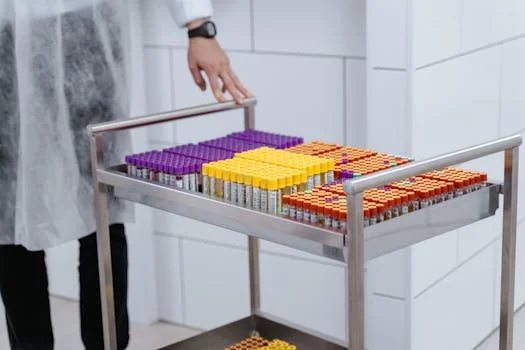
Compliance with Rwanda’s environmental regulations is managed through a multi-agency framework involving the Ministry of Infrastructure (MININFRA), the Rwanda Environment Management Authority (REMA), and the Water and Sanitation Corporation (WASAC). The primary regulatory document is the RSB (Rwanda Standards Board) standard for wastewater discharge, which sets strict limits on pollutants to protect the nation's river systems and groundwater.
Standard discharge limits for municipal effluent in Rwanda generally include:
- Biochemical Oxygen Demand (BOD5): < 30 mg/L
- Chemical Oxygen Demand (COD): < 125 mg/L
- Total Suspended Solids (TSS): < 50 mg/L
- Total Nitrogen (TN): < 15 mg/L
- Fecal Coliforms: < 400 MPN/100mL
The permitting process begins with an Environmental Impact Assessment (EIA), which must be conducted by a REMA-certified consultant. This study evaluates the plant's impact on local ecosystems and downstream communities. Following EIA approval, developers must obtain a construction permit from the Rwanda Development Board (RDB) or local district authorities. For projects connecting to the public grid or discharging into public water bodies, a discharge permit from WASAC is required. The entire permitting timeline typically spans 6 to 12 months, and failure to comply can result in heavy fines or the suspension of industrial operations. Engineers should consult MBR system cost and compliance benchmarks from another emerging market to understand how similar regulatory pressures impact project timelines and technology selection.
ROI Calculator: Financial Feasibility for Wastewater Treatment Projects in Rwanda
Financial feasibility for wastewater projects in Rwanda is increasingly tied to "Circular Economy" principles, where treated effluent and sludge are converted into revenue streams. Given the high cost of piped water in Kigali, water reuse provides a significant offset to operational expenses (OPEX). For an industrial facility or large residential complex, recycling treated water for landscaping, toilet flushing, or cooling towers can reduce fresh water consumption by up to 70%.
| Financial Metric | 5,000 m³/day MBR Plant | 5,000 m³/day CAS Plant |
|---|---|---|
| Initial CAPEX | $15,000,000 | $11,000,000 |
| Annual OPEX (Power, Chemicals, Labor) | $750,000 | $550,000 |
| Annual Savings (Water Reuse @ $0.80/m³) | $1,022,000 | $876,000 |
| Annual Revenue (Sludge/Fertilizer) | $45,000 | $60,000 |
| Net Annual Cash Flow | $317,000 | $386,000 |
| Simple Payback Period | 11.5 Years | 9.8 Years |
While the payback period for municipal plants often exceeds 10 years, private sector projects can achieve faster ROI through government incentives. The Rwanda Development Board (RDB) offers tax holidays and duty remissions for "green investments" that contribute to national sustainability goals. Additionally, the $8M Kigali sludge plant demonstrates the potential for public-private partnerships (PPPs) to de-risk large capital outlays. Investors should also consider cost benchmarks for wastewater treatment plants in another developing region to compare labor and material cost trends globally, ensuring their Rwandan project remains competitive.
Choosing the Right Wastewater Treatment Technology for Rwanda’s Needs
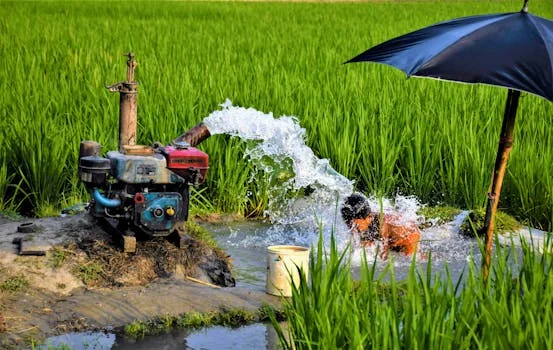
Selecting the appropriate technology requires a balance between capital availability, land constraints, and technical capacity for long-term maintenance. In Rwanda, the "best" technology is often dictated by the specific location—urban Kigali versus rural provinces—and the intended end-use of the treated water. A decision framework based on three critical questions can guide this selection: Is land available at a low cost? Is the effluent intended for reuse? Is there a consistent high-voltage power supply?
| Criteria | MBR (Membrane Bioreactor) | CAS (Conventional) | DEFAST (Decentralized) |
|---|---|---|---|
| Land Scarcity | Ideal for Kigali urban core | Requires large acreage | Flexible footprint |
| Water Reuse Goal | High (Direct reuse) | Moderate (Irrigation) | Low (Discharge only) |
| Budget Profile | High CAPEX / High OPEX | Medium CAPEX / Med OPEX | Low CAPEX / Low OPEX |
| Technical Skill | Requires expert operators | Standard training | Minimal oversight |
For high-end commercial developments, such as Kigali’s luxury hotels or the new Green City Kigali project, underground package plants for space-constrained sites in Rwanda are the preferred choice. These systems minimize odor and noise while maximizing usable surface area for parking or parks. Conversely, for rural sanitation projects or schools in the Eastern Province, the DEFAST system offers a sustainable, low-energy alternative that requires minimal mechanical intervention. For specialized facilities, such as the medical wastewater treatment systems, additional disinfection stages are mandatory to handle hazardous biological loads before discharge into municipal lines.
Frequently Asked Questions
Q: How much does it cost to set up a sewage treatment plant in Kigali?
A: Costs range from $500K for small package plants to $61M+ for large municipal systems. For example, a 5,000 m³/day plant may cost $12M–$18M, including civil works and equipment. Factors like land acquisition in prime Kigali areas and strict compliance can add 20–30% to the total budget.
Q: What are Rwanda’s wastewater discharge standards?
A: Rwanda’s Ministry of Infrastructure and RSB set limits for BOD (<30 mg/L), COD (<125 mg/L), and TSS (<50 mg/L). Industrial facilities, especially those in the food processing or chemical sectors, may face stricter limits regarding heavy metals and phosphorus. Always verify the latest standards with the Rwanda Standards Board.
Q: Can a foreign company own a wastewater treatment plant in Rwanda?
A: Yes. Rwanda’s investment code allows 100% foreign ownership in the water and sanitation sector. Many projects are structured as Build-Operate-Transfer (BOT) or through joint ventures with local firms to navigate the permitting and land use processes more efficiently.
Q: Which technology is best for low-cost wastewater treatment in Rwanda?
A: DEFAST (Decentralized Energy-Free Anaerobic Sludge Treatment) systems are ideal for rural areas and schools, offering low energy use and simple operation. For urban industrial parks, a combination of CAS and DAF is often the most cost-effective way to handle high volumes while meeting standards.
Q: How long does it take to build a wastewater treatment plant in Rwanda?
A: Small to medium plants (500–10,000 m³/day) typically take 12–24 months from design to commissioning. Large municipal systems like the Kigali-Bugesera plant can take 3–5 years. Permitting and Environmental Impact Assessments (EIA) usually require an initial 6–9 months before construction begins.