Food processing wastewater in Turkmenistan requires treatment to meet the Ministry of Environmental Protection’s 2025 discharge limits: COD < 150 mg/L, BOD < 30 mg/L, TSS < 50 mg/L, and FOG < 10 mg/L. Local plants report 30–50% higher treatment costs than Central Asian neighbors due to limited infrastructure, with DAF systems averaging $120,000–$350,000 for 50–200 m³/h capacities. MBR systems, though 20% more expensive upfront, achieve 99% pathogen removal and enable water reuse—critical for Turkmenistan’s arid regions. For a dairy plant in Mary Velayat, failing to address these parameters can lead to immediate operational suspensions under the updated 2024 Environmental Code.
Turkmenistan’s 2025 Food Processing Wastewater Regulations: What You Must Know
Turkmenistan’s Ministry of Environmental Protection enforces discharge limits for food processing effluent to prevent the contamination of limited freshwater resources and the Karakum Canal. Under the 2024 Environmental Code, direct discharge into water bodies requires COD levels below 150 mg/L and BOD concentrations under 30 mg/L. These standards represent a significant tightening of previous regulations, aimed at aligning Turkmenistan with international environmental benchmarks. Facilities that fail to meet these limits face quarterly inspections and penalties that can reach up to 5% of annual revenue or lead to 30-day mandatory shutdowns.
Compared to neighboring countries, Turkmenistan’s regulations are increasingly stringent. For example, while Kazakhstan permits COD levels up to 120 mg/L in certain industrial zones, Turkmenistan’s focus on arid-land protection necessitates lower thresholds for Fats, Oils, and Grease (FOG), capped at 10 mg/L for food processors. Enforcement mechanisms have also evolved; plants processing more than 100 m³/day are now required to install real-time monitoring equipment for pH, flow, and organic load. Common violations in the local sector include excessive FOG discharge from meat processing plants and high phosphorus loads from dairy facilities using outdated cleaning-in-place (CIP) chemicals.
| Parameter | Turkmenistan Direct Discharge (2025) | Kazakhstan Comparison | Uzbekistan Comparison |
|---|---|---|---|
| COD (mg/L) | < 150 | < 120 | < 160 |
| BOD5 (mg/L) | < 30 | < 25 | < 40 |
| TSS (mg/L) | < 50 | < 45 | < 60 |
| FOG (mg/L) | < 10 | < 15 | < 15 |
| pH | 6.5–8.5 | 6.0–9.0 | 6.5–8.5 |
Effluent Characteristics of Turkmenistan’s Food Processing Plants: Dairy, Meat, and Beverages
Effluent from Turkmenistan’s food processing sector typically exhibits high organic loading, with dairy plants reaching COD levels of 6,000 mg/L during peak production cycles. The high evaporation rates in Turkmenistan, averaging 3,000 mm/year, mean that wastewater cannot simply be lagooned without significant risk of salt accumulation and concentrated toxicity. In the dairy sector, wastewater is characterized by high fluctuations in pH (4.5 to 10) due to the use of acidic and alkaline cleaning agents, alongside significant concentrations of milk fats and proteins that demand robust pre-treatment.
Meat processing facilities in regions like Ahal Velayat face different challenges, primarily high FOG concentrations (up to 1,200 mg/L) and the presence of pathogens such as E. coli and Salmonella. Beverage and bottling plants, while generally lower in FOG, produce high volumes of wastewater with erratic COD spikes and TSS levels up to 1,000 mg/L from fruit washing and bottle cleaning. Seasonal variations further complicate treatment; for instance, grape processing in Mary Velayat during the harvest season can triple the organic load on treatment systems, requiring flexible design capacities. Climate-specific factors, such as sandstorms, necessitate that all influent screening and equalization tanks be enclosed to prevent grit accumulation that can damage downstream pumps and membranes.
| Parameter | Dairy Effluent Range | Meat Processing Range | Beverage/Bottling Range |
|---|---|---|---|
| COD (mg/L) | 2,000–6,000 | 3,000–8,000 | 1,500–4,000 |
| BOD (mg/L) | 1,200–3,500 | 1,500–4,000 | 800–2,000 |
| TSS (mg/L) | 500–1,500 | 800–2,000 | 200–1,000 |
| FOG (mg/L) | 300–800 | 500–1,200 | < 50 |
| Pathogens | Low risk | High (E. coli, Salmonella) | Trace |
Treatment Process Selection: DAF vs MBR vs Integrated Systems for Turkmenistan’s Climate
Selecting a treatment technology in Turkmenistan requires balancing high removal efficiency with resilience against extreme temperature fluctuations ranging from -20°C to +50°C. For facilities with high oil and grease content, a high-efficiency DAF system for food processing wastewater is the industry standard. The DAF utilizes micro-bubble technology (20–50 μm) to achieve 95–98% removal of FOG and TSS. This is particularly effective for meat and dairy plants where primary solids removal is the first defense against regulatory fines. However, DAF alone cannot reduce COD to the 2025 limits of 150 mg/L, necessitating a biological secondary stage.
For plants prioritizing water scarcity and reuse, an MBR system for water reuse in Turkmenistan’s arid regions offers the highest ROI. The DF Series MBR combines biological treatment with membrane filtration, achieving 99% pathogen removal and producing effluent suitable for irrigation or cooling tower make-up. While MBR systems have a 20% higher energy footprint than traditional activated sludge, their 60% smaller footprint and ability to bypass secondary clarifiers make them ideal for expanding facilities with limited land. In remote areas where temperatures fluctuate wildly, the WSZ Series integrated A/O system is preferred. These units are designed for buried installation, utilizing the earth’s natural insulation to maintain stable microbial activity during freezing winters and scorching summers.
| Feature | DAF | MBR (DF Series) | Integrated A/O (WSZ) |
|---|---|---|---|
| Primary Removal | FOG, TSS (98%) | Organic Matter, Pathogens | BOD, COD, TSS |
| Effluent Quality | Pre-treatment only | High (Reuse quality) | Discharge quality |
| Footprint | Medium | Small/Compact | Small (Buried) |
| Climate Resilience | Requires enclosure | High (Enclosed) | Excellent (Insulated) |
| Water Reuse | No | Yes (99.9% Pathogen removal) | Limited (Irrigation) |
For operations looking to optimize their sludge management, engineers should also consider alternative thickening technologies for food processing sludge to reduce hauling costs in remote Velayats.
Cost Benchmarks for Food Processing Wastewater Treatment in Turkmenistan (2025)
Capital expenditure for wastewater treatment in Turkmenistan is influenced by a 15–25% import duty on specialized industrial equipment and high logistics costs for remote velayats. A standard DAF system with a capacity of 50 m³/h typically costs between $120,000 and $180,000, including automated chemical dosing for Turkmenistan’s food processing plants. MBR systems command a premium due to membrane costs and advanced control logic, with a 50 m³/h plant ranging from $180,000 to $250,000. These figures include a reserve for membrane replacement, which typically occurs every 5 to 7 years depending on the influent quality and cleaning protocols.
Operational expenditures (OPEX) are driven by chemical consumption and power. In Turkmenistan, DAF systems cost approximately $0.80–$1.50 per m³ treated. MBR systems are slightly higher at $1.20–$2.00 per m³, though this is often offset by the value of the recovered water in arid regions where municipal water prices are rising. For smaller facilities, the WSZ Series integrated systems offer the lowest OPEX ($0.50–$1.00/m³) due to minimal operator intervention and lower power requirements. When compared to DAF system requirements in neighboring Central Asian markets, Turkmenistan’s costs remain slightly higher due to the specialized logistics required for the Balkan and Dashoguz regions.
| System Type | CAPEX (50 m³/h) | OPEX (per m³) | Installation Cost |
|---|---|---|---|
| DAF-50 | $120,000 – $180,000 | $0.80 – $1.50 | 20% of Equipment |
| MBR (DF-50) | $180,000 – $250,000 | $1.20 – $2.00 | 25% of Equipment |
| Integrated A/O (WSZ-20) | $80,000 – $120,000 | $0.50 – $1.00 | 30% of Equipment |
Compliance Checklist: 7 Steps to Meet Turkmenistan’s 2025 Standards
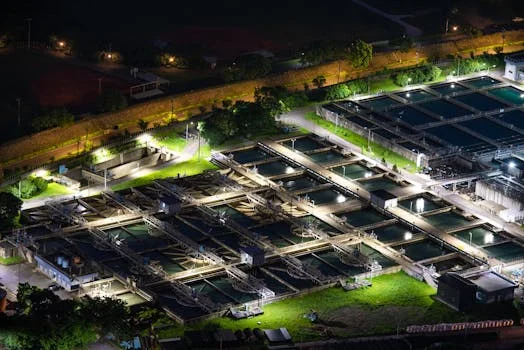
Achieving compliance with the 2025 Environmental Code requires a structured seven-step engineering and administrative workflow. Following global best practices for food processing wastewater treatment ensures that local plants avoid the common pitfalls of under-designed systems.
- Step 1: Conduct a Wastewater Audit: Test for COD, BOD, TSS, FOG, and pathogens at an approved facility like the State Environmental Monitoring Center.
- Step 2: Technology Selection: Match equipment to the audit results. High FOG requires DAF; high pathogen/reuse needs require MBR.
- Step 3: Permit Acquisition: Submit plant layouts and process flow diagrams to the Ministry of Environmental Protection. Processing typically takes 30–60 days.
- Step 4: Monitoring Integration: Install real-time COD and pH sensors for plants > 100 m³/day to comply with new digital reporting mandates.
- Step 5: Staff Training: Given the shortage of local specialized technicians, implement remote monitoring and train on-site staff for basic maintenance.
- Step 6: Inspection Readiness: Prepare for unannounced quarterly visits by maintaining a clean log of effluent discharge data.
- Step 7: Reporting: Submit monthly compliance reports. Late submissions can trigger fines regardless of effluent quality.
Case Study: DAF System for a Turkmenistan Dairy Plant (2024)
A 2024 installation of a DAF-50 system at an Ashgabat-based dairy facility successfully reduced Fats, Oils, and Grease (FOG) concentrations from 800 mg/L to under 10 mg/L within 90 days. The plant was previously facing monthly fines and odor complaints from the surrounding industrial zone. By implementing a high-efficiency DAF system for food processing wastewater, the facility not only achieved compliance but also protected its downstream biological treatment unit from grease-induced fouling.
The project faced unique Turkmenistan-specific challenges, including sandstorm-related grit in the influent. This was solved by installing an enclosed grit chamber and a specialized chemical dosing skid. The total investment of $150,000, including installation and commissioning, saw a payback period of just 18 months, primarily through the elimination of environmental fines and reduced maintenance on the plant’s sewer connections. On-site generation for certain coagulants was also established to mitigate the risk of supply chain disruptions for imported chemicals.
Frequently Asked Questions
Q: What are Turkmenistan’s discharge limits for food processing wastewater in 2025?
A: The Ministry of Environmental Protection enforces the following limits for direct discharge: COD < 150 mg/L, BOD < 30 mg/L, TSS < 50 mg/L, FOG < 10 mg/L, pH 6.5–8.5, and zero detectable pathogens. Stricter standards may apply in Ashgabat or near the Karakum Canal.
Q: How much does a DAF system cost for a 100 m³/h food processing plant in Turkmenistan?
A: A 100 m³/h DAF system generally costs between $220,000 and $350,000 in the Turkmenistan market. This includes import duties, basic installation, and automated dosing equipment. Operational costs for this scale average $1.00–$1.50 per cubic meter.
Q: Can I reuse treated food processing wastewater in Turkmenistan?
A: Yes, reuse for non-potable applications like irrigation or cooling is encouraged by the Ministry. However, this requires advanced treatment, typically via MBR or RO systems, to ensure the effluent meets WHO guidelines for pathogen levels (<1,000 fecal coliforms/100 mL).
Q: What are the common mistakes food processors make with wastewater treatment in Turkmenistan?
A: The most frequent errors include underestimating high FOG loads in meat/dairy plants, failing to enclose equipment against sandstorms, and not accounting for the extreme temperature variations that can kill off biological treatment bacteria in uninsulated outdoor tanks.
Q: How do I choose between DAF and MBR for my food processing plant?
A: Choose DAF if your primary goal is removing grease and solids at a lower initial cost. Choose MBR if you face strict COD/BOD limits, require water reuse, or have limited space. MBR is the superior choice for Turkmenistan’s arid regions where water conservation is a strategic priority.