Why Sydney Water Trade Waste Acceptance Standards Matter in 2026
Sydney Water trade waste acceptance standards cap industrial effluent before it enters the sewer: TSS 600 mg/L, grease 110–200 mg/L by WRRF type, pH 7–10 and temperature 38°C at the connection point. Dischargers need written consent, on-site pre-treatment, metered flow and routine sampling to hold a Trade Waste Agreement.
Sydney Water issued 127 enforcement notices in 2023 for trade wastewater violations, a clear signal of tighter oversight for industrial operators (Source: Sydney Water Annual Report 2023, p. 45). Earlier compliance guides often cited corporate fines near $1.1 million under the NSW POEO Act 1997. The 2024 Stronger Regulation and Penalties reforms raised the ceiling well beyond that figure.
Under section 119 of the POEO Act 1997 (NSW), a corporation convicted of a Tier 1 offence faces up to $10,000,000 for wilful harm or $4,000,000 for negligence. An individual faces up to $2,000,000 or 7 years' imprisonment for a wilful offence under the same section, according to the current Act text. Section 123 adds a penalty of up to $2,000,000 for corporations plus $240,000 for each day a water pollution offence continues. A Sydney food processor paid $85,000 in fines plus $250,000 in emergency retrofits after repeated Total Suspended Solids (TSS) breaches.
Untreated industrial wastewater accelerates sewer corrosion and blockages, and historical fish kills in the Parramatta River raised pressure for stricter acceptance limits. A practical 2026 control is the first-flush rule used on industrial sites with unroofed areas. Sydney Water's current guidance for open areas of 50 square metres or smaller requires capture of the first 500 litres of rainfall, pumped to pre-treatment at a rate not exceeding 0.3 litres per second.
Engineers comparing jurisdictions often start with Canberra’s hospital wastewater rules (similar to Sydney’s industrial standards), then check Sydney Water’s volumetric limits and discharge-meter rules. Adelaide and Christchurch share the same process logic, but Sydney’s ocean and inland WRRF catchments set different TDS and grease ceilings. Written trade-waste approval remains a condition of continuous operation across Greater Sydney.
Sydney Water Acceptance Standards: What You Can Discharge
Sydney Water acceptance standards set maximum concentrations for trade wastewater entering the municipal sewer that feeds plants such as Malabar and North Head. If raw effluent exceeds those limits, on-site pre-treatment is mandatory. Site-specific caps can be tighter where local sewer capacity or industry type warrants it. Australia-wide industrial waste water discharge requirements provide context, but Sydney Water’s published tables govern local consent.
| Parameter | Earlier guide (mg/L) | Current Sydney Water (mg/L) | Technical Notes |
|---|---|---|---|
| pH | 6.0–10.0 | 7–10 units | Earlier guidance used 6.0–10.0; Sydney Water now sets 7–10 (Sydney Water industrial acceptance standards, 2026–27). |
| TSS (Total Suspended Solids) | 350 | 600 | Earlier guidance used 350 mg/L; current acceptance standard is 600 mg/L for primary and secondary/tertiary catchments. |
| BOD (Biochemical Oxygen Demand) | 500 | Domestic equivalent 230; soluble BOD 100 in listed catchments | Earlier guidance used 500 mg/L as a single cap. Sydney Water charges against a 230 mg/L domestic equivalent and applies soluble BOD 100 mg/L in Smithfield and SPS 67 catchments. |
| COD (Chemical Oxygen Demand) | 1,000 | Not listed as a standalone acceptance standard | Keep 1,000 mg/L as an internal design proxy for organic load in chemical plants; Sydney Water meters BOD, SS and grease for charging. |
| Oil & Grease | 100 | 110 (primary) / 200 (secondary/tertiary) | Earlier guidance used 100 mg/L. Current grease limits are 110 mg/L to primary WRRFs and 200 mg/L to secondary/tertiary WRRFs. |
| Lead | 0.5 | 2 | Earlier guidance used 0.5 mg/L; current non-domestic standard is 2 mg/L. Metals plants still rely on precipitation or filtration. |
| Mercury | 0.005 | 0.03 | Earlier guidance used 0.005 mg/L; the published Sydney Water limit is now 0.03 mg/L. |
| Cadmium | 0.1 | 1 | Earlier guidance used 0.1 mg/L; current acceptance standard is 1 mg/L with chemical dosing and sludge removal. |
| Sulfides | 1.0 | 5 | Earlier guidance used 1.0 mg/L; current sulphide limit is 5 mg/L in composite and discrete samples. |
| Temperature | ≤43°C | 38°C | Earlier guidance used ≤43°C; Sydney Water now caps temperature at 38°C to protect PVC and biology. |
Sydney Water still separates contaminated groundwater from contaminated surface water. Groundwater from excavation often needs a temporary permit. Surface runoff from open yards needs a rainfall cut-off device. Sites with more than 1,000 square meters of unroofed area typically need a first-flush system, and treating 10,000 liters of first-flush water costs far less than treating a full storm volume.
Current Sydney Water guidance is more granular than older industry summaries. For open areas larger than 50 square metres, the first-flush volume is the first 10 mm of rainfall over the area, again pumped to the approved pre-treatment plant. According to Sydney Water’s fee schedule, metals, chlorinated phenolics and petroleum hydrocarbons carry no mass charge, yet the utility still sets and enforces acceptance standards for each substance. For national framing of industrial wastewater discharge rules, compare Sydney’s catchment-specific grease and TDS notes before locking equipment specs.
Sydney Water Industrial Wastewater Pre-Treatment Equipment: DAF vs. MBR vs. Lamella
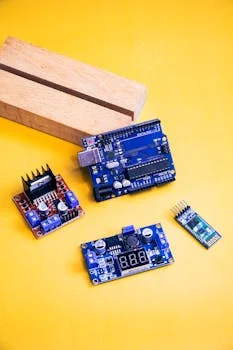
Choosing industrial wastewater treatment equipment for a Sydney consent starts with the contaminant profile, not the catalogue. Pre-treatment selection in Greater Sydney balances CAPEX, OPEX and the discharge profile. Four technologies still dominate approvals: dissolved air flotation, membrane bioreactors, lamella clarifiers and chemical dosing. Most plants we size for food and truck-wash duty run at the lower end of the DAF flow band first, then add biology only if soluble BOD stays high.
| System | Best For | Flow (m³/h) | TSS Removal | BOD Removal | Capital Cost (AUD) | Sydney Water Approval? |
|---|---|---|---|---|---|---|
| DAF | Food, Truck Washes | 4–300 | 90–95% | 60–80% | $50K–$300K | Yes (with dosing) |
| MBR (DF Series) | Chemical, Pharma | 10–2,000 | 99% | 95% | $200K–$1M+ | Yes (High-Tier) |
| Lamella Clarifier | Metals, Cement | 10–200 | 85–90% | 50–70% | $40K–$250K | Yes (with filters) |
| Chemical Dosing | pH, Heavy Metals | N/A | N/A | N/A | $10K–$50K | Mandatory Add-on |
For most Sydney food processors, DAF systems for Sydney’s food processing and truck wash industries remain the default for FOG and suspended solids. DAF alone often leaves soluble BOD untouched. High-sugar or high-alcohol streams need a biological polish. Engineers comparing options should review a detailed comparison of DAF versus lamella clarifiers and other alternatives against pollutant specific gravity and peak washdown flow.
MBR systems for Sydney’s chemical and pharmaceutical plants deliver near-reuse quality and shrink footprint in constrained precincts such as Alexandria or Silverwater. Capital is higher, yet secondary clarifiers disappear. Pair either train with chemical dosing systems for pH adjustment and heavy metal removal so final pH stays inside 7–10. Compact sites that also need domestic-strength polishing sometimes add an Underground Package Sewage Treatment Plant (WSZ Series) downstream of solids removal.
DAF System Cost for Sydney Food Processors
A food-plant DAF package in Sydney typically lands between $50K and $300K capital depending on flow, with a benchmark 50 m³/day DAF-plus-dosing build at $120,000. Add $30,000 in annual operating cost and the five-year total sits near $270,000 before trade-waste charges. Harvest seasons can lift food-plant loads by 30%, enough to breach a DAF sized only on average day flow. Sydney Water reviewers also favour proven trains with at least five years of local operating data.
MBR System for Sydney Chemical Plant Compliance
Chemical and pharmaceutical plants facing soluble organics or metals usually select MBR packages for their 99% TSS removal and 95% BOD removal. The DF-series band spans 10–2,000 m³/h, so a single train can follow growth stages. In constrained precincts such as Alexandria or Silverwater, the membrane’s small footprint often decides the layout. Pair the train with chemical dosing so final pH stays inside the 7–10 window that Sydney Water enforces at the connection point.
Sydney Water Form TW1 Approval Process Step by Step
Trade Waste Agreement timelines in Sydney usually run 6 to 12 months from audit to signed consent. Installing equipment before conditional approval is the fastest way to strand capital. According to Sydney Water’s industrial trade wastewater guidance, applications go through the Sydney Water Tap in portal, and the utility usually assesses applications within 21 days. The longer end-to-end timeline reflects audits, equipment selection, installation and trial periods rather than assessment queues.
- Conduct a Wastewater Audit: Quantify discharge with 24-hour flow monitoring and composite sampling for TSS, BOD and metals. An independent audit typically costs $3,000 to $10,000 and is a mandatory application attachment.
- Select Pre-Treatment Equipment: Choose DAF, MBR or clarifier trains that hold effluent below acceptance standards. Include an electromagnetic discharge meter as Sydney Water requires.
- Submit Trade Waste Application (Form TW1): Attach audit results, equipment specifications and a site plan showing the sewer connection. Application fees range from $500 to $2,000 by complexity and volume.
- Sydney Water Technical Review: Reviews take 4 to 12 weeks. Common rejection causes are weak TSS removal data and missing first-flush controls on unroofed yards.
- Installation and Inspection: After Conditional Approval, install to the submitted drawings. Inspectors may require a 3-month trial with weekly sampling.
- Finalize the Trade Waste Agreement: Sign the agreement covering quarterly reporting and load-based annual fees.
Peak cleaning shifts and harvest seasons still catch undersized systems. Food processors often see a 30% load rise in harvest months, enough to breach a DAF sized only on average day flow. Build peak-hour and seasonal factors into the hydraulic design before you submit Form TW1.
Obligations continue after signature, and they are metering-heavy. Sydney Water requires an approved flow measurement device that continuously displays instantaneous flow rate and cumulative kilolitres discharged, and flow meters must be calibrated in situ every year. Sampling analysis is only accepted from laboratories registered with the National Association of Testing Authorities (NATA). Miss those duties and the utility may suspend the consent or restrict the water service.
Sydney Trade Waste Agreement Fees and Penalties in 2026
Trade-waste charges in Sydney have two parts: management fees that recover administration and consent costs, and waste quality charges that track pollutant load. According to Sydney Water’s published fee schedule, these charges are set by the Independent Pricing and Regulatory Tribunal (IPART) and apply from 1 July 2026 to 30 June 2027. Industrial consents are re-assessed when discharge volume or character changes, and a re-assessment fee applies from 1 July 2026.
Waste quality charges price the gap between your discharge and the domestic equivalent, with mass rates for BOD, suspended solids and grease. Discharge hotter than 25°C attracts an additional charge of $10.790 per megalitre for each °C above 25°C under the 2026-27 schedule. Discharge below pH 7 attracts $97.472 per megalitre for each pH unit below 7.
The penalty side of an agreement is contractual as well as statutory. Sydney Water may suspend the consent if acceptance standards are exceeded, and persistent breach can end in disconnection of the trade wastewater service. Commercial sites sit on a parallel path: Sydney Water deems certain low-risk processes and issues permits rather than full industrial consents. Statutory exposure still runs through the POEO Act 1997 penalties summarised earlier.
Industrial Wastewater Treatment in Sydney: 2026 Cost Benchmarks
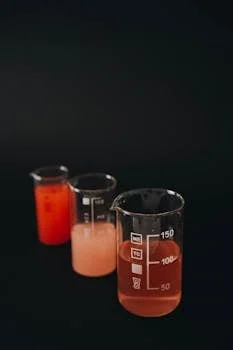
Total cost of ownership for Sydney trade-waste systems includes capital, installation, chemicals, power, sludge haulage and Sydney Water volumetric charges. Compared with how Durban’s industrial wastewater rules compare to Sydney’s, Sydney OPEX runs higher on electricity and sludge disposal. Similar Australian cost patterns appear in Industrial Wastewater Treatment in Adelaide: 2026 Engineering Guide, while New Zealand peers can benchmark against Industrial Wastewater Treatment in Christchurch: 2026 Engineering Guide.
| Industry | System Type | Flow (m³/day) | Capital Cost | Annual O&M | Total 5-Year Cost |
|---|---|---|---|---|---|
| Food Processing | DAF + Dosing | 50 | $120,000 | $30,000 | $270,000 |
| Food Processing | DAF + MBR | 200 | $450,000 | $120,000 | $1,050,000 |
At 50 m³/day, a DAF-plus-dosing train at $120,000 capital and $30,000 annual O&M lands near $270,000 over five years. At 200 m³/day, DAF plus MBR at $450,000 capital and $120,000 annual O&M reaches about $1,050,000 over five years. Those figures exclude Sydney Water mass charges, which track BOD, suspended solids and grease above domestic equivalents. Budgeting industrial wastewater disposal on CAPEX alone is the most common planning error we see in Sydney projects.
Selection Checklist, Audience Fit and Next Step
Sydney industrial dischargers should confirm seven design items before locking a vendor package: WRRF type, peak flow, first-flush needs, metering, pH and temperature, five-year O&M and local references. Use this checklist before you lock a vendor package:
- Confirm receiving WRRF type (primary vs secondary/tertiary) because grease limits differ (110 vs 200 mg/L).
- Size for peak washdown and seasonal load, not average day only.
- Include first-flush capture if unroofed process area exceeds 1,000 m².
- Specify an electromagnetic discharge meter and a NATA-registered sampling plan.
- Hold pH in the 7–10 window and temperature at or below 38°C at the sewer connection.
- Budget five-year O&M, sludge disposal and trade-waste fees, not CAPEX alone.
- Document at least five years of comparable local references for Sydney Water review.
Who this is for: food, chemical, metals and manufacturing plants connecting to Sydney Water sewers that need pre-treatment, metering and a Trade Waste Agreement. Who should look elsewhere: domestic-only sites with no trade stream, or facilities outside Sydney Water’s area of operations. For a sized equipment package and compliance review, send your audit data through our request-quote form with flow, COD/BOD and FOG results attached.
Frequently Asked Questions
What are Sydney Water trade waste acceptance standards in 2026?
Sydney Water sets suspended solids at 600 mg/L, grease at 110 mg/L to primary plants and 200 mg/L to secondary and tertiary plants, pH at 7–10, and temperature at 38°C. Mercury is limited to 0.03 mg/L and sulphide to 5 mg/L. Design to the current published tables and any site-specific consent conditions, not to older single-number guides.
Do I need a Trade Waste Agreement for industrial discharge in Sydney?
Yes. Any non-domestic trade stream to Sydney Water’s wastewater system needs formal permission, usually a Trade Waste Agreement or permit. Expect a wastewater audit, equipment evidence, Form TW1, a 4–12 week technical review, inspection and a trial period before the agreement is finalised.
What pre-treatment equipment does Sydney Water typically accept?
Proven DAF trains with chemical dosing suit most food and truck-wash loads in the 4–300 m³/h range. MBR packages fit chemical and pharmaceutical plants needing 95% BOD removal and a small footprint. Lamella clarifiers plus filters suit metals and cement solids. Sydney Water favours technologies with multi-year local operating records.
How much does industrial wastewater treatment cost in Sydney?
Benchmark capital for a 50 m³/day food DAF-plus-dosing system is about $120,000 with $30,000 annual O&M, or roughly $270,000 over five years. A 200 m³/day DAF-plus-MBR train is about $450,000 capital and $120,000 annual O&M, near $1,050,000 over five years, before mass-based Sydney Water charges.
What are the fees and penalties on a Sydney trade waste agreement?
Sydney Water charges management fees plus waste quality charges, with rates set by IPART applying from 1 July 2026 to 30 June 2027. Surcharges apply above 25°C and below pH 7. Statutory penalties for serious pollution run to $10 million for corporations under the POEO Act 1997.
What changed in NSW penalties for illegal industrial discharges?
Earlier summaries often quoted corporate exposure near $1.1 million. After the 2024 POEO reforms, Tier 1 corporate maxima reach $10 million for wilful environmental harm and $4 million for negligent Tier 1 offences. Individuals now face up to $2,000,000 or 7 years' imprisonment for a wilful Tier 1 offence. Trade-waste breaches can also trigger Sydney Water enforcement notices, retrofit orders and agreement conditions.