Sewage Treatment Equipment Supplier in Nice: 2025 Engineering Guide with Costs, Compliance & Decision Framework
Nice’s sewage treatment equipment market operates under stringent regulations, specifically EU Directive 91/271/EEC and local Côte d'Azur discharge limits, which mandate effluent quality such as <25 mg/L TSS and <125 mg/L COD for coastal discharges. While established suppliers like SUEZ and EMO offer scalable solutions, project costs vary significantly: small package plants (10–50 m³/h) typically range from €80,000 to €250,000, and industrial DAF systems (100–300 m³/h) are priced between €150,000 and €400,000. This comprehensive engineering guide provides a data-driven comparison of 5 top sewage treatment equipment suppliers in Nice, detailing their technical specifications, compliance capabilities, and project-specific cost benchmarks.
Why Nice’s Wastewater Treatment Needs Are Unique
Nice's wastewater treatment infrastructure must contend with a threefold variation in wastewater load, fluctuating from 500,000 residents to 1.5 million tourists during summer peaks (Métropole Nice Côte d'Azur 2023 report). This extreme seasonal load swing presents a significant challenge for Nice wastewater treatment suppliers, requiring equipment that can efficiently handle both low-flow periods and peak demands without compromising effluent quality. The city’s coastal location further complicates matters, subjecting all discharges to stringent coastal effluent limits mandated by EU Directive 91/271/EEC. Specifically, treated wastewater discharged into coastal waters must adhere to standards stricter than those for inland France, typically requiring <25 mg/L TSS, <125 mg/L COD, and <2 mg/L total phosphorus.
Beyond EU mandates, Nice is driven by local environmental initiatives. The city’s ambitious 2025 ‘Zéro Rejet’ initiative aims for 90% of industrial facilities to achieve zero liquid discharge (ZLD) by 2030, a target that necessitates advanced treatment technologies and water reuse strategies. This local push for ZLD places additional pressure on industrial facility managers to invest in highly efficient and robust sewage treatment equipment. Nice’s unique karstic geology, characterized by permeable limestone, limits natural groundwater infiltration. This geological feature, combined with a relatively high water table in many areas, increases the imperative for compact, high-efficiency wastewater treatment systems that minimize land footprint and prevent groundwater contamination, especially for underground sewage treatment Nice projects. Understanding how Rio’s coastal wastewater challenges compare to Nice’s can offer valuable insights into managing similar environmental pressures.
Key Equipment Types for Nice Projects: Technical Specs and Use Cases
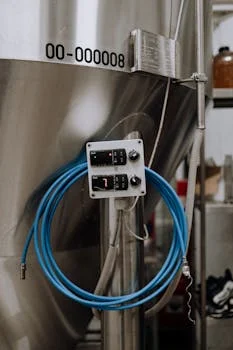
Effective sewage treatment in Nice relies on equipment tailored to specific project needs, with MBR systems offering <5 mg/L BOD effluent quality for space-constrained sites, and DAF systems achieving 92–97% TSS removal for industrial pre-treatment. Matching the right technology to a project's scale, influent characteristics, and effluent standards is critical for achieving EU Directive 91/271/EEC compliance Nice. Below is a detailed look at key equipment types:
- Membrane Bioreactor (MBR) Systems: These advanced systems integrate biological treatment with membrane filtration. HydropureWater MBR products, for instance, utilize PVDF membranes with a pore size of 0.1 μm, consistently producing effluent quality of <5 mg/L BOD and <1 mg/L TSS (HydropureWater MBR product specs). MBRs are ideal for hotels and small municipalities in Nice with significant space constraints, offering a footprint up to 60% smaller than conventional activated sludge systems. Their high effluent quality makes them suitable for projects aiming for near-reuse-quality effluent in space-constrained Nice projects, such as those employing the DF Series MBR Flat Sheet Membrane Module.
- Dissolved Air Flotation (DAF) Systems: DAF units are highly effective for removing suspended solids, oils, greases, and other low-density contaminants. Typical DAF systems generate micro-bubbles sized 30–50 μm, achieving TSS removal rates of 92–97% for influent concentrations between 50–500 mg/L (EMO benchmarks). This makes DAF systems best suited for industrial pre-treatment applications in sectors like food processing, textile manufacturing, and chemical production, ensuring compliance with strict coastal discharge limits. For Nice’s industrial pre-treatment needs, a high-efficiency DAF system, such as the Dissolved Air Flotation (DAF) System, is a robust solution. Engineers can find a detailed comparison of DAF systems vs. lamella clarifiers and other alternatives for further insights.
- Package Plants (Integrated Systems): Designed for ease of installation and operation, package plants offer a compact solution. HydropureWater's WSZ Series, for example, combines A/O biological contact oxidation, sedimentation, and disinfection in a single buried unit. These systems can handle flow rates from 1–80 m³/h and are often fully automated, requiring minimal operator intervention. They are particularly suitable for rural areas, small communities, and isolated facilities. However, Nice’s high water table, often found 1–3 meters below grade, poses a challenge for underground package plants. Without robust waterproofing and structural integrity, these installations are risky; a notable failure case involved a rural guesthouse in Cagnes-sur-Mer where hydrostatic pressure compromised an improperly sealed unit, leading to infiltration and system failure. Therefore, careful consideration for a compact underground sewage treatment plant for Nice’s high water table areas, like the WSZ Series Underground Package Sewage Treatment Plant, is paramount.
The choice between MBR vs DAF for industrial wastewater or a compact package plant depends heavily on the specific project parameters.
| Equipment Type | Key Technical Specification | Effluent Quality (Typical) | Footprint Reduction (vs. Conventional) | Primary Use Case in Nice |
|---|---|---|---|---|
| MBR System | PVDF membrane, 0.1 μm pore size | <5 mg/L BOD, <1 mg/L TSS | ~60% smaller | Hotels, small municipalities, wastewater reuse |
| DAF System | Micro-bubble size 30–50 μm | 92–97% TSS removal | N/A (pre-treatment) | Industrial pre-treatment (food, textile), coastal discharge |
| Package Plant (WSZ Series) | A/O biological, integrated unit | Meets EU 91/271/EEC secondary standards | Compact, often buried | Rural homes, small communities, remote facilities |
Top 5 Sewage Treatment Equipment Suppliers in Nice: Engineering Comparison
The Nice market for sewage treatment equipment is characterized by suppliers like SUEZ, specializing in municipal plants exceeding 500 m³/h, and EMO, known for industrial DAF systems up to 300 m³/h, each offering distinct technical advantages and cost structures. Municipal engineers and industrial facility managers evaluating sewage treatment equipment supplier in Nice must consider each vendor's specialization, capacity, and local experience.
- SUEZ: As a global leader in water management, SUEZ offers full-service solutions encompassing design, build, and operation of large-scale municipal plants, typically for capacities exceeding 500 m³/h. They are renowned for their comprehensive approach to municipal wastewater treatment, ensuring compliance with broad EU directives, including EU Directive 98/83/EC for drinking water reuse standards. For large-scale projects, SUEZ's costs are benchmarked at approximately €200–€500 per m³/h of capacity (2025 benchmark). Their extensive experience and robust infrastructure make them a go-to for major public works.
- EMO: EMO is a specialized equipment manufacturer focusing on industrial wastewater treatment, offering a range of DAF systems, screens, and thickeners. Their industrial focus caters to sectors like food processing, textile manufacturing, and chemical industries, with capacities ranging from 4 to 300 m³/h. EMO's systems typically cost €120–€300 per m³/h of capacity. A notable local project includes the installation of a 150 m³/h DAF system for the Nice port in 2024, demonstrating their capability to meet stringent coastal discharge requirements.
- Tricel: Tricel specializes in small-scale sewage treatment equipment, providing solutions for individual homes, hotels, campsites, and rural establishments, typically handling 1–50 m³/h. Their systems are CE-marked and comply with French DTU 64.1 standards for individual non-collective sanitation. Costs for Tricel systems range from €80–€150 per m³/h. While excellent for decentralized domestic and light commercial applications, their offerings are generally not suitable for complex industrial effluent treatment.
- LiDing: LiDing offers a broad portfolio of industrial and municipal equipment, including MBR, Reverse Osmosis (RO), and DAF systems, with capacities spanning 10–2,000 m³/h. Their pricing typically falls between €150–€400 per m³/h. LiDing has demonstrated its capabilities in the region, including a 2023 project involving a 200 m³/day MBR system for a Nice hospital, showcasing their expertise in high-quality effluent production for sensitive environments.
- HydropureWater: As a global supplier with a growing Nice distributor network, HydropureWater provides a range of sewage treatment equipment, including MBR, DAF, and compact package plants. Our WSZ Series package plants, for example, handle capacities from 1–80 m³/h, offering versatile solutions for various project scales. HydropureWater's systems are competitively priced at €90–€250 per m³/h. We ensure robust compliance with international standards, holding ISO 9001 and CE certifications, and adhering to all relevant EU wastewater directives. Our focus on efficient, compact designs makes us a strong contender for projects requiring high performance within limited space, meeting the demanding requirements of coastal sewage treatment equipment.
| Supplier | Specialization | Typical Capacity Range | Nice-Specific Experience/Compliance | Cost Range (€/m³/h capacity) |
|---|---|---|---|---|
| SUEZ | Large-scale Municipal, Full-service | >500 m³/h | EU Directive 98/83/EC (drinking water reuse) | €200–€500 |
| EMO | Industrial Equipment (DAF, Screens) | 4–300 m³/h | 2024 Nice port DAF project (150 m³/h) | €120–€300 |
| Tricel | Small-scale Domestic/Commercial | 1–50 m³/h | CE-marked, French DTU 64.1 | €80–€150 |
| LiDing | Industrial/Municipal (MBR, RO, DAF) | 10–2,000 m³/h | 2023 Nice hospital MBR project (200 m³/day) | €150–€400 |
| HydropureWater | MBR, DAF, Package Plants | 1–80 m³/h (WSZ Series) | ISO 9001, CE, EU wastewater directives | €90–€250 |
Cost Breakdown for Nice Projects: CAPEX, OPEX, and ROI
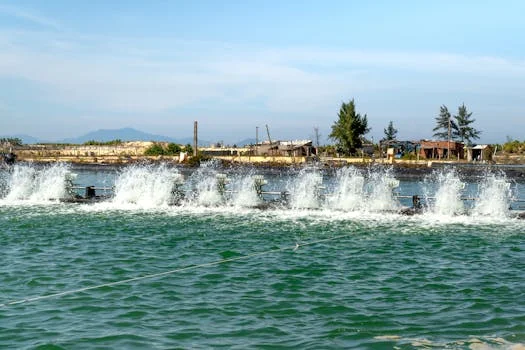
Capital Expenditure (CAPEX) for sewage treatment projects in Nice ranges from €80,000 for small package plants (10–50 m³/h) to €600,000 for MBR systems (50–200 m³/h), reflecting the diverse scales and technologies employed in the region. Understanding these cost benchmarks is crucial for municipal engineers and industrial facility managers in the Côte d'Azur. The following CAPEX ranges are based on 2025 data for Nice-scale projects:
- Small package plant (10–50 m³/h): €80,000–€250,000. Our WSZ Series package sewage treatment plant costs typically fall between €90–€180 per m³/h.
- Industrial DAF system (100–300 m³/h): €150,000–€400,000. For our DAF systems, costs are generally in the range of €120–€200 per m³/h.
- MBR system (50–200 m³/h): €200,000–€600,000. Our DF Series MBR systems typically range from €150–€300 per m³/h.
Operational Expenditure (OPEX) drivers in Nice are notably higher than the national average due to regional economic factors:
- Energy: Electricity costs in Nice typically range from €0.12–€0.18/kWh, which is higher than the national average, partly due to increased demand during the tourist season.
- Chemicals: The cost of coagulants, flocculants, and disinfectants generally averages €0.05–€0.10/m³ of treated water.
- Labor: Certified operators in Nice command wages between €40–€60/hour, reflecting the region’s higher cost of living.
A simple Return on Investment (ROI) calculator can help assess the financial viability of a project: Simple Payback Period = (CAPEX + 5-year OPEX) / (annual savings from avoided fines + water reuse revenue). For example, installing a 100 m³/h DAF system that ensures compliance could prevent substantial penalties. Nice’s 2025 penalty structure can impose fines of €500 per violation, potentially leading to annual savings of €50,000 or more from avoided fines for a facility that previously struggled with compliance. This highlights the value of investing in quality sewage treatment equipment supplier in Nice.
| Cost Category | Type/Capacity | Nice Benchmark (2025) | Notes |
|---|---|---|---|
| CAPEX (Equipment Only) | Small Package Plant (10–50 m³/h) | €80,000–€250,000 | e.g., WSZ Series: €90–€180/m³/h |
| Industrial DAF System (100–300 m³/h) | €150,000–€400,000 | e.g., DAF line: €120–€200/m³/h | |
| MBR System (50–200 m³/h) | €200,000–€600,000 | e.g., DF Series: €150–€300/m³/h | |
| OPEX (Per Unit) | Energy Cost | €0.12–€0.18/kWh | Higher than national average |
| Chemicals Cost | €0.05–€0.10/m³ | Coagulants, flocculants, disinfectants | |
| Labor Cost | €40–€60/hour | For certified operators in Nice |
Step-by-Step Decision Framework for Nice Buyers
Selecting the optimal sewage treatment equipment in Nice begins with defining the project scope, such as a hotel needing to treat 50 m³/day of wastewater with 300 mg/L BOD peak influent. This structured approach helps municipal engineers, industrial facility managers, and environmental consultants make informed procurement decisions that align with local regulations and project specificities.
- Step 1: Define Project Scope. Clearly articulate whether the project is municipal or industrial, its average and peak flow rates (e.g., 50 m³/day peak flow for a Nice hotel), and the influent wastewater quality (e.g., 300 mg/L BOD). This initial assessment dictates the fundamental requirements for any sewage treatment equipment supplier in Nice.
- Step 2: Identify Effluent Standards. Determine the precise effluent discharge limits. This includes overarching EU Directive 91/271/EEC standards, stricter local Côte d'Azur discharge limits for coastal areas, and Nice’s 2025 ‘Zéro Rejet’ 2030 targets for industrial facilities. Understanding wastewater reuse standards Nice is also critical if water recycling is a goal.
- Step 3: Assess Site Constraints. Evaluate physical limitations of the site, such as available space for above-ground units, the local water table depth (e.g., a high water table requiring robust waterproofing for underground installation, potentially adding 15% to CAPEX), and any noise restrictions for residential proximity.
- Step 4: Shortlist Suppliers Based on Technical Specs. Utilize the comparison table from the "Top 5 Sewage Treatment Equipment Suppliers in Nice" section to identify vendors whose technical capabilities (e.g., MBR vs DAF for industrial wastewater, package plant capacity) align with your project's flow, influent, and effluent requirements.
- Step 5: Request Nice-Specific References. Always ask shortlisted suppliers for case studies or operational references from Côte d'Azur projects. This provides tangible evidence of their experience with Nice’s unique challenges, such as seasonal load variations or specific coastal discharge compliance.
- Step 6: Compare Total Cost of Ownership (TCO). Go beyond initial CAPEX by calculating the 5-year or 10-year OPEX. Use the ROI calculator from the previous section to compare the total cost of ownership across different solutions, factoring in energy efficiency, chemical consumption, and labor costs specific to Nice.
- Step 7: Verify Compliance Certifications. Ensure that the chosen equipment and supplier hold all necessary certifications, including CE marking, ISO 9001, and demonstrate adherence to all applicable EU wastewater directives. This guarantees regulatory compliance and operational reliability.
Frequently Asked Questions
France operates a hybrid sewer system where 85% of Nice's urban areas are connected to public networks managed by Métropole Nice Côte d'Azur, while rural areas rely on on-site treatment. This context often leads to specific questions from those evaluating sewage treatment equipment supplier in Nice.
Q: Does France have a sewer system?
A: Yes, France has a comprehensive but hybrid sewer system. In Nice, approximately 85% of urban areas are connected to the public sewer network, which is managed by Métropole Nice Côte d'Azur. Conversely, rural areas and isolated properties frequently rely on on-site systems, such as septic tanks or compact package plants. EU Directive 91/271/EEC mandates that all agglomerations exceeding 2,000 Population Equivalent (PE) must implement secondary treatment for their wastewater by 2027.
Q: How much does it cost to set up a sewage treatment plant in Nice?
A: The cost to set up a sewage treatment plant in Nice varies significantly by scale and technology. For small package plants (10–50 m³/h), CAPEX typically ranges from €80,000 to €250,000. Industrial systems (100–300 m³/h) can cost between €150,000 and €600,000. Additionally, OPEX generally adds €0.30–€0.80 per m³ of treated water. Due to Nice’s higher cost of living and tourist season demand, local labor and energy costs can increase OPEX by 20–30% compared to the national average.
Q: Which country has the best wastewater treatment system?
A: Germany and the Netherlands are widely recognized as leaders in wastewater treatment within the EU, boasting over 96% compliance with EU treatment standards. France ranks 5th with an impressive 92% treatment rate. Nice's wastewater treatment system is considered advanced for coastal cities, with 98% of its urban wastewater treated to secondary or tertiary standards, according to 2023 data. Exploring how Germany’s top-tier wastewater systems could inspire Nice’s 2030 upgrades offers valuable perspectives.
Q: What’s the difference between STP and WWTP?
A: STP stands for Sewage Treatment Plant, which specifically processes domestic sewage, primarily from residential and commercial sources. WWTP stands for Wastewater Treatment Plant, a broader term encompassing the treatment of various wastewater types, including industrial effluent, agricultural runoff, and stormwater, in addition to domestic sewage. Nice’s large municipal facility, the ‘Station d’Épuration’ at Haliotis, is a prime example of a WWTP, capable of treating 300,000 m³/day of mixed urban wastewater.
Q: Can I reuse treated wastewater in Nice?
A: Yes, treated wastewater can be reused in Nice, but only for non-potable applications such as irrigation, toilet flushing, and certain industrial processes. EU Directive 2020/741 sets specific wastewater reuse standards, for instance, requiring <10 E. coli per 100 mL for agricultural irrigation. Nice has an ambitious goal to reuse 10% of its treated wastewater by 2025, an increase from its current 3% reuse rate, reflecting a growing commitment to sustainable water management.