Industrial Wastewater Treatment in Ethiopia: 2025 Engineering Guide with Costs, Compliance & Equipment Checklist
Ethiopia’s industrial wastewater treatment sector faces critical challenges: only 36% of Addis Ababa’s 36 WWTPs meet AAWSA effluent standards (TSS < 30 mg/L, COD < 125 mg/L), while industrial parks like Adama and Hawassa often lack centralized treatment. For 2025, engineers must prioritize systems achieving 90%+ TSS removal and 85%+ COD reduction to comply with EPA Ethiopia’s Industrial Effluent Guidelines. Key technologies include DAF systems for high-FOG waste (e.g., food processing) and MBR for space-constrained sites, with CAPEX ranging from $120,000–$450,000 per 50 m³/h module. This guide provides actionable engineering data, compliance requirements, and cost benchmarks for industrial wastewater treatment in Ethiopia. The urgency stems not only from regulatory pressure but also from the economic imperative to protect water resources and ensure sustainable industrial growth, directly impacting agricultural productivity and public health across various regions.
Ethiopia’s Industrial Wastewater Crisis: Why Treatment is Non-Negotiable in 2025
Adama Industrial Park’s 2023 water quality audit found that 78% of textile factories exceeded Chemical Oxygen Demand (COD) limits, averaging 850 mg/L against EPA Ethiopia’s 125 mg/L standard (Adama Environmental Protection Authority, 2023). This pervasive issue underscores a national environmental and regulatory crisis, making robust industrial wastewater treatment in Ethiopia a critical priority for 2025. Hawassa Industrial Park’s tannery effluents, for example, contain chromium levels 12–15 times above WHO guidelines of 0.1 mg/L, according to a 2024 UNIDO report, posing severe public health and ecological risks such as kidney damage, skin diseases, and the contamination of agricultural produce irrigated by affected water bodies. The Addis Ababa Water and Sewerage Authority (AAWSA) has set a 2025 compliance deadline, mandating that all industrial parks achieve 80% treatment coverage or face substantial fines up to 2% of their annual revenue, as stipulated by Proclamation No. 1229/2023. Beyond regulatory penalties, untreated wastewater significantly impacts the economy, reducing agricultural yields by an estimated 30% in downstream communities, a figure highlighted by World Bank 2023 data.
The industrial wastewater crisis in Ethiopia demands immediate attention, and understanding its scope is essential for developing effective treatment solutions.| Industrial Zone | Dominant Industries | Typical Wastewater Challenges | Average Influent COD (mg/L) |
|---|---|---|---|
| Adama Industrial Park | Textile, Apparel | High COD, color, salinity, suspended solids, recalcitrant dyes | 800-1,500 |
| Hawassa Industrial Park | Textile, Tannery, Apparel | High chromium, TSS, organic load, color, high TDS | 700-2,000 |
| Bole Lemi Industrial Park | Food Processing, Beverage, Light Manufacturing | High FOG, BOD, suspended solids, nutrients (N, P) | 500-1,200 |
| Kilinto Industrial Park | Pharmaceuticals, Chemicals, Cosmetics | High TDS, COD, specific organic compounds, trace micropollutants | 1,000-3,000 |
Ethiopia’s Wastewater Treatment Standards: Compliance Checklist for Industrial Parks
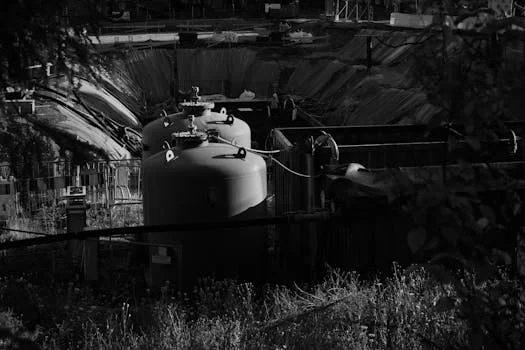
EPA Ethiopia’s Industrial Effluent Guidelines, updated in 2024, establish stringent limits for industrial discharges, including a maximum Total Suspended Solids (TSS) of 30 mg/L, Chemical Oxygen Demand (COD) of 125 mg/L, and Biological Oxygen Demand (BOD) of 25 mg/L. The pH must be maintained between 6 and 9, with heavy metal limits set at 0.1 mg/L for chromium (Cr) and 0.05 mg/L for lead (Pb). These parameters are crucial as high TSS can clog waterways and reduce light penetration, high BOD depletes dissolved oxygen vital for aquatic life, and heavy metals are toxic and bioaccumulative. For industrial operations within Addis Ababa, AAWSA imposes additional specific limits, such as oil & grease below 10 mg/L, ammonia below 15 mg/L, and color restricted to 50 Pt-Co units, particularly critical for textile wastewater treatment in Ethiopia to prevent aesthetic pollution and impact on aquatic ecosystems.
| Parameter | EPA Ethiopia Industrial Effluent Guidelines (2024) | AAWSA Addis Ababa Specific Limits (2024) |
|---|---|---|
| pH | 6.0 – 9.0 | 6.0 – 9.0 |
| Total Suspended Solids (TSS) | < 30 mg/L | < 30 mg/L |
| Chemical Oxygen Demand (COD) | < 125 mg/L | < 125 mg/L |
| Biological Oxygen Demand (BOD₅) | < 25 mg/L | < 25 mg/L |
| Oil & Grease | — | < 10 mg/L |
| Ammonia (as N) | — | < 15 mg/L |
| Chromium (Cr) | < 0.1 mg/L | < 0.1 mg/L |
| Lead (Pb) | < 0.05 mg/L | < 0.05 mg/L |
| Color | — | < 50 Pt-Co units (for textile) |
Treatment Technology Matching: How to Select the Right System for Your Industry
Selecting the right technology involves understanding wastewater characteristics and required effluent quality.Selecting the appropriate industrial wastewater treatment technology in Ethiopia hinges on a detailed understanding of the specific industry’s wastewater characteristics and the required effluent quality. For textile wastewater, which typically presents with high COD (800–1,500 mg/L), intense color, and elevated salinity, a combination of coagulation/flocculation followed by advanced biological processes like Membrane Bioreactor (MBR) or Dissolved Air Flotation (DAF) systems is often necessary to achieve over 90% COD removal. Coagulation with ferric chloride or aluminum sulfate helps remove suspended solids and some dyes, while MBR offers superior effluent quality, making it suitable for water reuse, and DAF effectively removes fine particles and color.
| Wastewater Type | Key Characteristics (Influent) | Recommended Primary Technologies | Typical Removal Efficiencies (COD/TSS) | Example Park/Application |
|---|---|---|---|---|
| Textile | High COD (800-1,500 mg/L), Color, Salinity | Coagulation/Flocculation + DAF/MBR | 90%+ COD, 95%+ TSS, significant color removal | Adama Industrial Park (textile cluster) |
| Tannery | High Chromium (5-20 mg/L), TSS (1,000-3,000 mg/L), high TDS | Chemical Precipitation (Lime) + Lamella Clarifier | 98%+ Cr, 90%+ TSS | Hawassa Industrial Park (tanneries) |
| Food Processing | High FOG (200-500 mg/L), BOD (500-1,200 mg/L), TSS | DAF + Activated Sludge/Anaerobic Digestion | 85%+ BOD, 90%+ FOG/TSS | Bole Lemi Industrial Park (beverage plants) |
| Pharmaceutical | High TDS (2,000-5,000 mg/L), COD (1,000-3,000 mg/L), specific compounds | MBR + Reverse Osmosis/Advanced Oxidation | 95%+ COD, 99%+ TDS (with RO) | Kilinto Industrial Park (pharmaceuticals) |
Related Equipment
The following HydropureWater products are engineered for the wastewater challenges discussed above:
- DAF systems for high-FOG industrial wastewater in Ethiopia — view specifications, capacity range, and technical data
- MBR systems for space-constrained industrial parks in Ethiopia — view specifications, capacity range, and technical data
- chemical dosing systems for chromium removal in Ethiopian tanneries — view specifications, capacity range, and technical data
Need a customized solution? Request a free quote with your specific flow rate and pollutant parameters.