What Does a Pittsburgh Treatment Plant Typically Cost?
Wastewater treatment plant cost in Pittsburgh ranges from $450,000 for small package systems under 150,000 GPD to more than $3 billion for large municipal programs such as Alcosan’s Clean Water Plan. Pennsylvania DEP Chapter 91 fees typically add 10–15% to project budgets. MBR trains that deliver 92–97% COD removal often change long-term operating spend and reuse options for industrial buyers.
Alcosan's $3 billion wastewater project, started to cut combined sewer overflows, is over budget and has pushed annual bill increases for residents and industrial users (CBS Pittsburgh, 2026). The capital program is now projected about 20% above its initial estimate. Average annual Alcosan bills have risen about 7% per year since 2019. Household wastewater bills moved from $381 to $612 on average, and industrial users feel the load through higher discharge volumes and strength surcharges tied to BOD, TSS, and FOG.
Aging assets add more pressure across Allegheny County. Pennsylvania American Water’s Hays Mine Treatment Plant still relies on 70-year-old filters and needs a mandatory $22 million upgrade to keep service reliable (Pennsylvania American Water, 2023). Those replacements raise both capital and operating spend for utilities and for industrial customers who share the cost base through rates and surcharges.
Regulatory fees compound the picture for new builds and expansions. According to the DEP’s 2025 fee report, Water Quality Management (WQM) permit costs under Pennsylvania DEP Chapter 91 are projected to rise 5–8% annually. Permit fees alone can add $5,000 to $50,000 before engineering and legal work. Together, municipal mega-projects, asset replacement, and rising fees make early scoping essential for plants and municipalities that cannot absorb surprise soft costs mid-design.
Pittsburgh Wastewater Treatment Plant Cost Benchmarks by Project Size
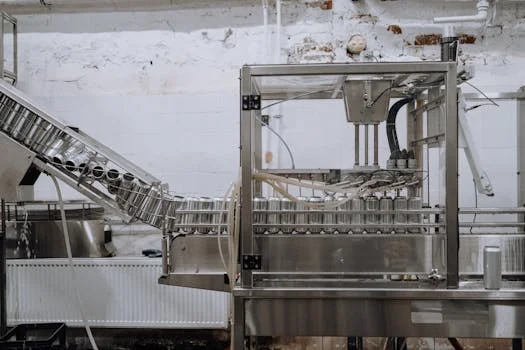
Capital bands in Pittsburgh for 2025 vary sharply by scale, from $450,000 for small package units to more than $3 billion for regional municipal work such as Alcosan’s upgrades. Most plants we size for industrial pretreatment run at the lower end of each band when influent is stable and civil works are simple. Peak factors, deep foundations, and odor control push projects toward the upper end even when average daily flow looks modest.
- Small Plants (<150,000 GPD): These systems typically serve individual industrial facilities, small communities, or remote commercial sites. Construction costs range from $450,000 to $1.5 million. For example, a 15,000–20,000 GPD packaged MBR plant for industrial wastewater pretreatment in Pittsburgh costs approximately $500,000–$800,000 for equipment and installation.
- Medium Plants (150,000–1 million GPD): Projects of this scale, often for larger industrial campuses or small to medium-sized municipalities, typically incur costs between $1.5 million and $10 million. This range includes significant expenses for permits, engineering design, and site-specific civil works.
- Large Municipal Projects (>1 million GPD): These are extensive public works, exemplified by Alcosan’s multi-billion dollar Clean Water Plan, which can exceed $3 billion. Such projects encompass collection systems, large-scale treatment facilities, and significant infrastructure upgrades across vast service areas.
What is a water treatment plant cost breakdown?
A water treatment plant cost breakdown for Pittsburgh projects usually allocates about 60% to equipment, about 20% to permits and engineering, about 15% to labor, and about 5% to contingencies (EPA 2024 benchmarks). Local soil conditions, site access, and regional labor rates can add another 10–20% above national average construction costs. The Pennsylvania DEP’s 2025 fee report for WQM permits shows regulatory charges of $5,000 to $50,000 for the permit itself, before associated engineering and legal costs. Buyers should separate equipment quotes from civil, electrical, and startup line items so contingency is not double-counted.
Hard numbers help procurement defend a budget. A 50,000 GPD industrial package plant at $1.00/GPD operating cost implies about $180,000 per year in energy, chemicals, labor, and maintenance once the plant is online. That operating line belongs in the same decision memo as the $450,000–$1.5 million capital band for systems under 150,000 GPD, not in a separate spreadsheet that never reaches the capital committee.
| Project Size Category | Typical Flow Rate (GPD) | Estimated Construction Cost (2025 Pittsburgh) | Example Application |
|---|---|---|---|
| Small Package Plant | <150,000 GPD | $450,000 – $1.5 million | Industrial facility, remote commercial site, small community |
| Medium Industrial/Municipal | 150,000 – 1 million GPD | $1.5 million – $10 million | Large industrial campus, medium-sized municipality |
| Large Municipal | >1 million GPD | $10 million – $3 billion+ | Regional wastewater authority (e.g., Alcosan) |
What does a Level 0 cost breakdown include?
A Level 0 cost breakdown is a screening-level estimate used before detailed design. It covers order-of-magnitude capital bands by flow class, major cost shares for equipment versus civil and permits, and a first-pass operating cost range such as $0.50–$2.00 per gallon per day for package plants. It does not replace Class 3 or Class 4 estimates once process selection, site geotech, and permit scope are fixed. Use Level 0 to decide whether Alcosan discharge, pretreatment only, or full on-site biological treatment belongs on the shortlist.
Engineering Parameters That Determine Your Cost: Flow Rates, Removal Efficiencies, and Footprint
Engineering parameters—target flow, required removal efficiencies, and available footprint—directly set capital and operating spend for Pittsburgh facilities. Wrong assumptions here usually show up later as permit delays or surcharge exposure. Define the design case on measured peaks, not on a single quiet-shift grab sample.
- Flow Rate (GPD/m³/h): The volume of wastewater to be treated is a primary cost driver. Small systems, typically handling 1–80 m³/h (up to ~500,000 GPD), often use modular or package plants. As flow rates increase to large systems (>1,000 m³/h), the cost per gallon per day generally decreases due to economies of scale in equipment and civil works. However, initial capital outlay for large systems remains substantial.
- Removal Efficiencies: Compliance with discharge limits dictates the required removal efficiency for pollutants like Chemical Oxygen Demand (COD), Biological Oxygen Demand (BOD), and suspended solids. Advanced integrated MBR wastewater treatment systems achieve 92–97% COD removal, significantly outperforming the 85–90% removal typical of conventional activated sludge processes (EPA 2024 data). Higher removal efficiencies often correlate with higher capital costs but lower compliance risks and potential for water reuse.
- Footprint: Land availability in urban Pittsburgh is often limited and expensive. MBR systems require approximately 60% less space than conventional activated sludge plants due to compact membrane bioreactor technology. This reduced footprint can save land cost or allow on-site treatment where space is tight.
Influent quality also drives pretreatment needs and total system spend. Industrial wastewater from food processing or metalworking often carries high fats, oils, and grease (FOG) or heavy metals. A dissolved air flotation (DAF) system may be required so the biological stage stays stable and meets sewer or NPDES limits. For variable industrial loads, PLC-controlled dosing with an automatic chemical dosing system can cut chemical waste while holding pH and coagulant dose on target. For Pittsburgh-specific process selection and surcharge models, see our guide to industrial wastewater treatment in Pittsburgh.
Field tip: when FOG spikes above design, operators often see DAF float solids jump first and MBR transmembrane pressure follow within a shift. Budget chemical and sludge handling for those events, not only for average-day COD. A plant that hits 92–97% COD removal on paper still fails economically if membrane cleaning and sludge hauling were never sized for the dirty day.
| System Type | Typical COD Removal Efficiency | Relative Footprint Requirement | Relative Capital Cost | Key Application/Benefit |
|---|---|---|---|---|
| Conventional Activated Sludge | 85–90% | High (100%) | Medium | General municipal, large flows, lower land cost |
| Membrane Bioreactor (MBR) | 92–97% | Low (40%) | High | Industrial reuse, tight discharge limits, limited space |
| Dissolved Air Flotation (DAF) | Pretreatment (FOG, TSS removal) | Medium | Medium | Industrial pretreatment, high FOG/TSS influent |
Centralized vs. Decentralized Wastewater Treatment: Cost Comparison for Pittsburgh Buyers
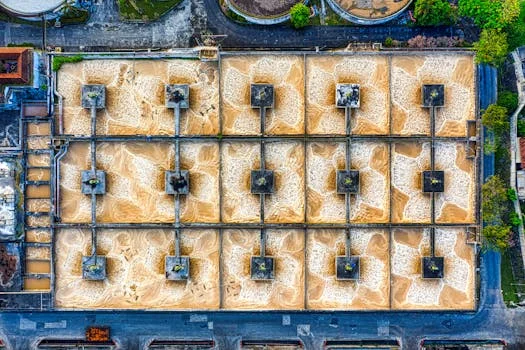
Choosing between a centralized system such as Alcosan and a decentralized on-site plant is a capital-versus-control decision for Pittsburgh industrial and commercial sites. Rising Alcosan bill increases since 2019 make the operating-cost side of that comparison more sensitive each year. Facilities that only compare today’s invoice to yesterday’s invoice miss the multi-year escalation case.
- Centralized Systems (e.g., Alcosan): These systems represent a vast, interconnected infrastructure with capital costs exceeding $3 billion for major upgrades. Industrial users pay an average annual bill of $612 (Alcosan data), which includes charges for collection, treatment, and infrastructure maintenance. While offering the convenience of off-site treatment, facilities have limited control over future bill increases, compliance standards, or upgrade timelines.
- Decentralized Systems (e.g., Package Plants): On-site package plants offer an alternative for industrial users, with upfront capital costs typically ranging from $450,000 to $1.5 million for systems under 150,000 GPD. Operating costs for decentralized systems can range from $0.50–$2.00 per gallon per day, depending on the technology and influent quality. The key advantage is full control over treatment processes, compliance, and the potential for water reuse, which can significantly reduce potable water consumption.
For industrial users facing high Alcosan discharge fees and surcharges, the ROI comparison often favors decentralized systems. With Alcosan’s average 7% annual bill increases, industrial facilities can see payback periods for an on-site system in 5–7 years. One Pittsburgh food processor installed an on-site MBR system, cut discharge volume and strength, and estimated about $120,000 per year in avoided Alcosan surcharges and fees. Buyers comparing surcharge exposure with on-site specs can start with the Pittsburgh industrial wastewater cost models before locking equipment scope.
Centralized systems still fit large municipal programs that need broad network access. Decentralized plants become compelling for industrial facilities, remote sites, or areas with aging infrastructure where control over compliance, cost stability, and reuse matter more than avoiding capital spend. Remote commercial sites without a nearby interceptor often have no real centralized option, so the $450,000–$1.5 million package band becomes the baseline rather than an alternative.
| Feature | Centralized System (e.g., Alcosan) | Decentralized System (e.g., Package Plant) |
|---|---|---|
| Capital Cost (Industrial User) | Part of regional tax/bill; no direct capital for treatment plant | $450,000 – $1.5 million (for <150,000 GPD) |
| Average Annual Bill/Operating Cost | $612/year (average residential, higher for industrial) | $0.50 – $2.00/GPD (user-controlled) |
| Control Over Operations/Compliance | Limited; reliant on municipal authority | Full control; direct management of discharge quality |
| ROI for Industrial Users | Indirect (avoiding own plant build) | 5–7 years payback (due to Alcosan bill increases) |
| Infrastructure Dependency | High reliance on existing municipal network | Self-sufficient; reduces strain on aging infrastructure |
Pittsburgh Compliance Checklist: Permits, Fees, and DEP Requirements
Pittsburgh wastewater projects must budget Pennsylvania DEP Chapter 91 WQM permit fees and NPDES permit costs early, because both affect cash flow and schedule. Missing either item is a common cause of 6–12 month delays. Soft costs during that window—idle engineering retainers, temporary haul-away, and financing carry—can add 10–15% to the installed total even when the equipment quote stays fixed.
- Chapter 91 WQM Permit Fees: The Pennsylvania DEP’s 2025 fee report indicates that Water Quality Management (WQM) permit fees range from $5,000 to $50,000, depending on the project's complexity and design flow. These permits are required for the construction, modification, or operation of wastewater treatment facilities, as well as for industrial waste collection and conveyance systems.
- NPDES Permit Costs: Industrial facilities that discharge treated wastewater directly into surface waters in Pennsylvania require a National Pollutant Discharge Elimination System (NPDES) permit. NPDES permit costs in Pennsylvania typically range from $1,000 to $10,000 annually for industrial dischargers, covering monitoring, reporting, and administrative oversight.
- Permit Timelines: Obtaining WQM and NPDES permits can be a lengthy process, often taking 6–12 months due to comprehensive review procedures and potential DEP processing backlogs. This timeline must be factored into project schedules and can add 10–15% to overall project budgets when considering extended engineering, legal, and financing costs during the approval phase.
Pittsburgh pretreatment standards for industrial users are enforced through local ordinances and Alcosan’s Industrial Waste Program. Metal finishers, chemical manufacturers, and food processors must meet limits for heavy metals, FOG, and pH before sewer discharge. Surcharges and fines follow non-compliance. Start with pre-application meetings with the DEP and Alcosan’s Industrial Waste Department. Regional DEP contact details are listed on the agency’s official website.
Selection checklist before you freeze scope:
- Confirm design flow in GPD and peak factor under real shift patterns.
- Map COD, BOD, TSS, FOG, and metals against sewer or NPDES limits.
- Decide centralized discharge versus on-site treatment with reuse goals.
- Budget WQM fees ($5,000–$50,000) and 6–12 month permit time.
- Price land and footprint; MBR can cut footprint to about 40% of conventional plants.
- Model Alcosan volumetric and strength surcharges at a 7% annual escalation case.
- Include contingency at about 5% plus Pittsburgh site adder of 10–20% where soils or access are difficult.
ROI Calculator: How to Justify Your Wastewater Treatment Investment in Pittsburgh
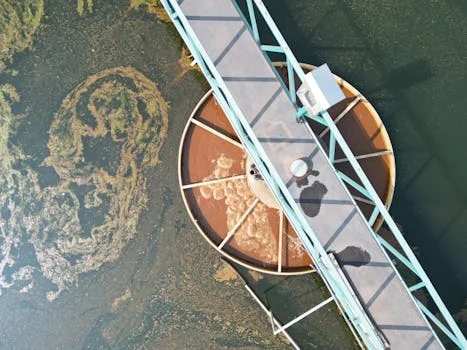
Justifying an on-site plant in Pittsburgh means quantifying Alcosan bill savings against package-plant capital and operating spend. Use the four steps below with your own meter and surcharge data. Keep units consistent: annual dollars for bills, GPD for flow, and years for payback.
- Step 1: Estimate Annual Alcosan Bill Savings. Calculate the current annual wastewater discharge costs from Alcosan, including volumetric charges, strength surcharges, and any potential penalties. For example, a large industrial facility might save $306,000 per year by treating its own wastewater (e.g., based on average Alcosan residential bill of $612/year scaled for industrial volume).
- Step 2: Subtract Operating Costs of New System. Determine the annual operating costs of the proposed on-site system. This includes energy, chemicals, maintenance, and labor. For package plants, this typically ranges from $0.50–$2.00 per gallon per day, depending on the technology and complexity.
- Step 3: Factor in Compliance and Permit Savings/Costs. Account for any annual NPDES permit costs if discharging directly, or savings from avoiding Alcosan surcharges. Also consider the cost of meeting Pennsylvania DEP Chapter 91 fees.
- Step 4: Calculate Payback Period. Divide the initial capital investment of the new system by the net annual savings (Alcosan savings - operating costs + compliance savings). For instance, an $800,000 MBR system for industrial wastewater pretreatment in Pittsburgh generating $120,000 in annual net savings would have a payback period of approximately 6.7 years.
This framework supports a capital request with transparent assumptions. A spreadsheet with your flow, COD, and surcharge rates will refine the payback beyond the worked example below. Re-run the model at 5% and 7% Alcosan escalation so finance sees a range, not a single optimistic year.
| ROI Calculation Metric | Example Data (Industrial Facility) | Your Facility Data |
|---|---|---|
| Current Annual Alcosan Bill (Discharge Fees & Surcharges) | $300,000 | |
| Estimated Annual Operating Cost of New System | $180,000 ($1.00/GPD for 50,000 GPD avg.) | |
| Annual Compliance Savings (e.g., avoiding surcharges) | $10,000 | |
| Net Annual Savings (Step 1 - Step 2 + Step 3) | $300,000 - $180,000 + $10,000 = $130,000 | |
| Initial Capital Investment for New System | $850,000 | |
| Payback Period (Years) | $850,000 / $130,000 = 6.54 years |
Who This Is For / Next Step
This guide is for Pittsburgh plant engineers, EPC teams, and procurement managers comparing Alcosan discharge spend with on-site package or MBR options under 1 million GPD. It is less useful for homeowners or for municipal collectors already locked into multi-year consent-decree construction packages. If you have flow, COD, and surcharge data ready, request a scoped equipment quote so capital and payback can be checked against your discharge limits.
Frequently Asked Questions
What drives rising Alcosan bills in Pittsburgh?
Alcosan bills are rising mainly because of the ongoing $3 billion Clean Water Plan, which is over budget and funds infrastructure upgrades required under federal mandates. Average annual increases have run about 7% since 2019 (CBS Pittsburgh, 2026). Industrial users see the effect through higher volumetric charges and strength surcharges tied to discharge volume and pollutant load.
What is the typical cost for a small industrial wastewater plant in Pittsburgh?
A small industrial wastewater treatment plant in Pittsburgh under 150,000 GPD typically costs $450,000 to $1.5 million to construct. Packaged MBR systems for about 15,000–20,000 GPD often fall in the $500,000–$800,000 range for equipment and installation, before site-specific civil works and Pennsylvania DEP permit soft costs.
How do MBR systems cut footprint and operating cost risk?
MBR systems cut footprint by requiring about 60% less space than conventional activated sludge plants, which matters on constrained Pittsburgh sites. They also produce higher-quality effluent, often 92–97% COD removal versus 85–90% for conventional processes (EPA 2024 data), which can lower surcharge exposure or support reuse when permits allow.
Which permits are required for wastewater discharge in Pennsylvania?
Pennsylvania projects typically need a Water Quality Management (WQM) permit under DEP Chapter 91 for construction and operation, with fees of $5,000 to $50,000 depending on complexity. Direct dischargers to surface water also need an NPDES permit, commonly $1,000 to $10,000 per year for industrial users, plus monitoring and reporting duties.
When should a Pittsburgh plant choose decentralized treatment?
An industrial facility in Pittsburgh should consider a decentralized system when Alcosan surcharges are high, land for conventional tanks is limited, discharge limits are tight, or water reuse is a goal. On-site package plants under 150,000 GPD often show 5–7 year payback when Alcosan bills escalate near 7% per year and strength charges are material.