Top 5 Sewage Treatment Equipment Suppliers in Hanoi 2025: Engineering Specs, Costs & Decision Framework
Hanoi’s top sewage treatment equipment suppliers in 2025 offer solutions for industrial and municipal projects, but specs and costs vary widely. For example, sludge dewatering systems from ARK Vietnam achieve 80–95% solids recovery (per their 2024 data), while DAF systems from local suppliers like Quang Vinh handle 4–300 m³/h with micro-bubble technology. This guide compares 5 Hanoi-based vendors by engineering specs, compliance with Vietnam’s QCVN 40:2011 standards, and project costs (e.g., $50K–$500K for MBR systems), plus a decision framework to match equipment to your influent characteristics and budget.
Why Hanoi’s Sewage Treatment Equipment Market Needs a Decision Framework
A textile plant in Nam Tu Liem faced fines for exceeding Vietnam’s QCVN 40:2011 COD limits (150 mg/L) after installing a generic DAF system that only removed 70% of solids, highlighting a critical gap in vendor selection. This scenario is common for Hanoi factory managers who struggle with vague supplier specifications and the complexities of local environmental regulations. Current supplier offerings often lack three crucial elements: first, no Hanoi-specific compliance guidance is typically provided, leaving businesses to navigate stringent local discharge permits independently. Second, there is a significant absence of cost transparency, particularly regarding the full lifecycle costs (CAPEX vs. OPEX) for advanced technologies like MBR systems versus more conventional DAF units. Finally, a structured tool for matching influent characteristics to appropriate equipment is missing, leading to costly mismatches and operational inefficiencies. This guide provides a data-driven comparison of 5 Hanoi DAF systems vs alternatives for industrial wastewater suppliers, including specs, costs, and a decision matrix to avoid these costly mismatches and ensure adherence to global benchmarks for industrial wastewater treatment.
Top 5 Sewage Treatment Equipment Suppliers in Hanoi: Engineering Specs Compared
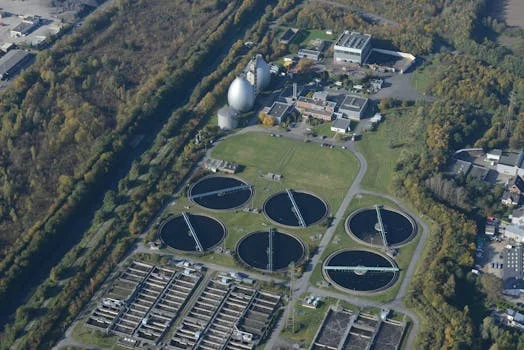
Selecting the right sewage treatment equipment in Hanoi requires a detailed comparison of engineering specifications to match project needs. Suppliers in the region offer diverse solutions, from advanced membrane bioreactors to robust sludge dewatering systems. The following table provides a structured overview of key Hanoi-based suppliers and their core product offerings, allowing for efficient shortlisting based on technical parameters and compliance capabilities.
| Supplier | Equipment Type | Capacity Range | Key Specs (e.g., TSS removal, footprint) | Compliance Certifications | Lead Time | Niche/Focus |
|---|---|---|---|---|---|---|
| ARK Vietnam | Sludge Dewatering (e.g., Screw Press) | 1–100 m³/h (sludge) | 80–95% solids recovery; compact footprint; low polymer consumption | ISO 9001, CE (for imported components) | 4–8 weeks | High-solids industrial wastewater (food processing, textiles) |
| Quang Vinh Technology JSC | DAF Systems, Industrial WWTP | 4–300 m³/h (DAF); 50–2,000 m³/day (WWTP) | Micro-bubble technology for high TSS/FOG removal (>90%); modular design | Vietnam Standard TCVN, Local Ministry of Construction permits | 6–12 weeks | Industrial wastewater treatment, particularly for FOG/TSS removal |
| Hai Thu Water Sewerage Supply | Pumps, Filter Presses, Aerators | 10–500 m³/day (Filter Press); various for pumps | Durable construction; high-pressure filtration for sludge dewatering | Local quality certifications, supplier-specific warranties | 2–6 weeks | Municipal projects, basic wastewater infrastructure, sludge dewatering |
| WEME Wastewater Treatment | Package WWTP, MBR Systems | 10–2,000 m³/day | Turnkey solutions; high effluent quality for QCVN 40:2011; remote monitoring | ISO 9001, local environmental permits (e.g., Hanoi DONRE) | 8–16 weeks | Turnkey domestic and industrial wastewater solutions, permitting assistance |
| Hanoi EcoSolutions | MBR Systems, UASB Reactors | 50–5,000 m³/day | Advanced biological treatment; low sludge production; small footprint (MBR) | Vietnamese environmental compliance standards | 10–20 weeks | Large-scale municipal and industrial projects requiring high effluent quality |
Each supplier carves out a specific niche within Hanoi’s dynamic market. ARK Vietnam, for instance, specializes in filter presses for Hanoi’s sludge dewatering needs, particularly for high-solids industrial wastewater streams found in food processing or textile industries, ensuring 80–95% solids recovery (per supplier data, 2024). Quang Vinh Technology JSC focuses on industrial wastewater treatment, offering DAF systems for Hanoi’s industrial wastewater with capacities typically ranging from 4–300 m³/h, leveraging micro-bubble technology for effective TSS and FOG removal. Hai Thu Water Sewerage Supply primarily serves municipal projects, providing essential components like pumps and filter presses for basic infrastructure. Local suppliers like WEME Wastewater Treatment offer significant Hanoi-specific advantages, including 24/7 support and faster permitting assistance for navigating Hanoi’s specific discharge permit requirements, offering turnkey solutions that integrate design, construction, and operation for both domestic and industrial applications. Hanoi EcoSolutions rounds out the top five with a focus on larger-scale projects requiring advanced biological treatment, such as MBR systems or UASB reactors, capable of handling significant volumes with high effluent quality.
Cost Benchmarks for Sewage Treatment Equipment in Hanoi (2025)
Understanding the capital expenditure (CAPEX) and operational expenditure (OPEX) for sewage treatment equipment is critical for realistic budgeting in Hanoi. While costs can fluctuate based on technology, scale, and supplier, general benchmarks provide a valuable starting point for procurement managers. The following table outlines typical cost ranges for common wastewater treatment technologies in the Hanoi market, integrating both local and global data points (HydropureWater analysis, 2025).
| Equipment Type | CAPEX Range (USD) | OPEX (USD/m³) | Energy Use (kWh/m³) | Chemical Consumption | Key Cost Drivers |
|---|---|---|---|---|---|
| DAF Systems | $30,000–$150,000 | $0.10–$0.30 | 0.05–0.20 | Coagulants, Flocculants (e.g., PAC, polymer) | Capacity, material, automation level |
| MBR Systems | $50,000–$500,000 | $0.30–$0.80 | 0.80–1.50 | Membrane cleaning chemicals, anti-scalants | Membrane type, flux, effluent quality, scale |
| Plate & Frame Filter Press | $20,000–$200,000 | $0.05–$0.25 (per m³ sludge) | 0.02–0.10 | Polymers (for conditioning) | Plate size/material, automation, capacity |
| Conventional Activated Sludge (CAS) | $40,000–$300,000 | $0.15–$0.40 | 0.30–0.70 | Nutrients, pH adjustment chemicals | Aeration system, basin volume, sludge handling |
| Package WWTP (Integrated) | $25,000–$250,000 | $0.15–$0.50 | 0.20–0.60 | Varies by integrated technologies | Capacity, effluent quality, specific components |
The cost drivers for sewage treatment equipment are multifaceted. For example, MBR systems for Hanoi’s municipal and reuse projects typically cost 2–3 times more in CAPEX than DAF systems for Hanoi’s industrial wastewater of comparable capacity, but they offer a significantly smaller footprint (up to 60% reduction) and produce higher effluent quality, often meeting Hanoi’s reuse standards (QCVN 01:2018/BYT for non-potable applications). For sludge dewatering, plate and frame filter presses represent a substantial investment, with costs varying based on automation levels and plate materials. Hidden costs are also a significant consideration; imported equipment, such as EU-certified MBR membranes, may incur additional expenses like 20% VAT and lead to extended delivery times, typically 3–6 months, compared to locally sourced components. ongoing maintenance contracts, spare parts availability, and the cost of specialized labor for operation can significantly impact long-term OPEX.
How to Match Sewage Treatment Equipment to Your Hanoi Project

Effectively matching sewage treatment equipment to specific project needs in Hanoi is crucial for operational efficiency and regulatory compliance. A decision framework based on influent characteristics, project scale, and desired effluent quality can prevent costly misinvestments. Vietnam’s QCVN 40:2011 standard mandates specific discharge limits for industrial wastewater (e.g., COD < 150 mg/L), but Hanoi’s local permits, issued by the Department of Natural Resources and Environment (DONRE), may impose even stricter limits (e.g., 100 mg/L for COD in industrial zones like Nam Tu Liem), necessitating a careful selection process. The following table provides a structured approach to equipment selection.
| Influent Type | Project Scale (m³/day) | Recommended Equipment | Compliance Fit (e.g., QCVN 40:2011) | Hanoi Supplier Examples |
|---|---|---|---|---|
| Textile wastewater (high COD, color) | 100–500 | DAF + Biological (e.g., MBR) + Color Removal | QCVN 40:2011 (COD, TSS, Color) | Quang Vinh, Hanoi EcoSolutions |
| Food processing (high FOG, BOD, TSS) | 50–1,000 | Screening + DAF + Anaerobic (UASB) + Aerobic | QCVN 40:2011 (BOD, COD, FOG) | ARK Vietnam (sludge), Quang Vinh |
| Domestic sewage (medium BOD, TSS) | 50–2,000 | Package WWTP (e.g., MBR, SBR) or Conventional Activated Sludge | QCVN 40:2011 (BOD, TSS, Nutrients) | WEME, Hanoi EcoSolutions |
| Chemical/Pharmaceutical (complex, toxic) | 50–200 | Pre-treatment (chemical coagulation) + MBR + Activated Carbon | QCVN 40:2011 (specific parameters, heavy metals) | Hanoi EcoSolutions, specialized consultants |
| Small-scale industrial (general, low flow) | 10–50 | Compact Package WWTP (e.g., WSZ Underground Integrated Sewage Treatment) | QCVN 40:2011 (basic parameters) | WEME (for WSZ underground integrated sewage treatment), Hai Thu |
Hanoi’s compliance landscape is multifaceted; while QCVN 40:2011 sets national limits (e.g., COD < 150 mg/L for industrial discharge), local permits from Hanoi’s DONRE can impose stricter limits, such as 100 mg/L for COD in specific industrial zones. For projects aiming for water reuse, MBR systems are particularly advantageous as they can achieve effluent quality compliant with QCVN 01:2018/BYT standards for non-potable reuse, such as irrigation or cooling towers. This capability is vital for mitigating Hanoi’s increasing water stress. For example, a textile factory discharging 500 m³/day with high COD and color would typically require a combined DAF and MBR system, potentially sourced from suppliers like Quang Vinh or Hanoi EcoSolutions, to meet both national and local discharge standards, as well as considering potential reuse. Conversely, a small domestic sewage project might opt for a compact WSZ underground integrated sewage treatment plant from WEME, designed for ease of installation and operation in urban settings, aligning with Cambodia’s package wastewater treatment plant requirements for 2025.
Hanoi’s Sewage Treatment Compliance: What You Need to Know in 2025
Navigating Vietnam’s environmental regulations is paramount for any sewage treatment project in Hanoi, with QCVN 40:2011/BTNMT serving as the primary national standard for industrial wastewater discharge. This regulation specifies limits for key parameters, including a Chemical Oxygen Demand (COD) of 150 mg/L for industrial discharge and 50 mg/L for municipal wastewater, Total Suspended Solids (TSS) at 100 mg/L, and a pH range of 5.5–9.0. However, compliance goes beyond national guidelines. Hanoi’s Department of Natural Resources and Environment (DONRE) often imposes additional local requirements, especially for industrial facilities. For instance, facilities in industrial zones like Cau Giay may face stricter monitoring for heavy metals such as chromium and lead due to the nature of local industries. This layered regulatory environment necessitates robust treatment solutions and comprehensive compliance strategies. Suppliers play a critical role in ensuring compliance; many, like WEME Wastewater Treatment, provide turnkey solutions that include not only equipment installation but also crucial permitting assistance and arrangements for third-party testing from accredited laboratories (e.g., VINACONTROL) to verify effluent quality. Non-compliance carries significant penalties in Vietnam, with fines reaching up to 1 billion VND (approximately $42,000 USD) for exceeding discharge limits, coupled with mandatory equipment upgrades or operational shutdowns. Therefore, integrating compliance considerations from the initial design phase is not merely a legal obligation but a strategic imperative to avoid costly disruptions and maintain operational licenses.
Frequently Asked Questions
Q: Does Vietnam have a sewage system?
A: Vietnam’s urban sewage coverage is approximately 40% (World Bank 2023 data), with Hanoi’s system undergoing continuous expansion and upgrades. Industrial facilities and many commercial or residential developments must treat their wastewater on-site to meet strict environmental discharge standards, primarily QCVN 40:2011. Suppliers like ARK Vietnam and Quang Vinh Technology JSC provide comprehensive turnkey solutions for achieving this compliance.
Q: What is the most common final waste treatment in Vietnam?
A: Sludge dewatering, typically through technologies like filter presses or screw presses, is the most common final step in wastewater treatment in Vietnam. This process significantly reduces sludge volume by 80–95% (ARK Vietnam data, 2024), making disposal more manageable and cost-effective. For industrial wastewater reuse, advanced MBR systems are increasingly popular due to their ability to produce high-quality effluent.
Q: How much does a sewage treatment plant cost in Hanoi?
A: The cost of a sewage treatment plant in Hanoi varies widely depending on its scale, required effluent quality, and technology. For MBR systems handling 10–2,000 m³/day, CAPEX typically ranges from $50,000–$500,000. DAF systems, suitable for 4–300 m³/h, generally cost $30,000–$150,000. Local Hanoi suppliers may offer CAPEX savings of 10–20% compared to imported equipment due to reduced logistics and customs costs.
Q: Which country has the best sewage treatment plant?
A: Countries like Germany and Singapore are widely recognized for their highly efficient and advanced sewage treatment plants, often achieving over 90% water recovery for reuse. While these nations set global benchmarks, Hanoi’s local suppliers offer cost-effective and robust solutions specifically tailored to meet Vietnam’s QCVN 40:2011 standards and address the unique influent characteristics found in Hanoi’s industrial and municipal wastewater streams.