Package wastewater treatment plants are pre-engineered modular systems. They combine screening, biology, clarification, disinfection, and sludge handling in one compact train. In Cambodia, buyers typically size 20–500 m³/h units for COD removal ≥90% under Ministry of Environment Standard 2023 targets. Municipal designs often hold TSS below 30 mg/L. Industrial package STP CAPEX commonly falls in the $500–$1,200/m³/day range. That is about 30–50% below many conventional civil plants of similar duty. Cambodia’s monsoon season (May–October) still needs surge capacity near 1.5× average dry-weather flow.
Why Cambodia Still Needs Compact Package Plants
Cambodia still routes most industrial and urban wastewater away from central plants, so factories, hotels, and hospitals need on-site package units. Typical duties are 1–500 m³/h with COD removal at or above 90% before discharge or sewer connection. Limited public capacity versus a population above 16 million leaves modular plants to fill the gap.
Earlier reporting cited roughly six operating public plants and about 80% of industrial effluent untreated (World Bank 2023 estimate). CamboJA later counted fourteen treatment systems nationwide, including new builds such as the $90M Kandal Province project. Package plants stay the practical path for mid-scale sites that cannot wait for city trunk sewers.
Phnom Penh’s population grew about 3.2% per year between 2020 and 2025, stressing septic tanks, wetlands, and aging drains (MetaWater case study). Ministry of Environment enforcement tightened in 2024, with reported non-compliance fines rising by 200% (CamboJA). Discharge practice for many industrial permits still tracks ASEAN-aligned COD limits near <120 mg/L. That pressure, plus the nationwide build-out of municipal plants, pushes private sites toward modular treatment that can be commissioned in months, not years.
Most plants we size for Cambodian industrial parks run toward the lower end of the published CAPEX band when influent is stable and land is scarce. Package trains typically cut deployment time by up to 40% versus conventional civil works (about 3–6 months versus 12–18 months). Compact layouts also trim land use by roughly 25–35% versus open concrete plants. Modularity matters when dry-season flows sit far below monsoon peaks.
Package Wastewater Treatment Plants: Process Flow and Key Parameters
Package wastewater treatment plants integrate pretreatment, biology, solids separation, disinfection, and sludge handling in factory-built modules. Well-matched designs can reach about 98% contaminant removal for the stated duty. A typical flow path starts with screens and grit removal, then moves to biological treatment, sedimentation or membranes, disinfection, and sludge thickening or dewatering. Pre-assembled skids shorten site mechanical work and reduce commissioning risk on greenfield plots.
Core stages include:
- Pre-treatment: Bar screens remove rags and debris; grit chambers settle sand so pumps and aerators are not abraded.
- Biological treatment: Microorganisms oxidize organics in A/O activated sludge, MBR, or SBR trains. Hydraulic retention times commonly run 4–8 hours at 25–35°C mixed-liquor conditions.
- Sedimentation: Clarifiers or membranes separate biomass from treated water before discharge or reuse.
- Disinfection: Chlorine dioxide, UV, or ozone reduce pathogens. Hospital trains often need stronger disinfection, frequently ozone, to meet tighter pathogen criteria.
- Sludge handling: Thickening and dewatering cut haul volume before landfill or further processing.
Design drivers for Cambodian projects include:
- Flow rate: About 1–80 m³/h for residential or hotel loads, and 50–500 m³/h for many industrial sites (Vikas Pump data).
- Influent COD: Industrial streams often sit at 300–2,000 mg/L; municipal influent is typically 200–500 mg/L (EPA benchmarks).
- Removal targets: Ministry of Environment Standard 2023 language used on many bids calls for COD ≥90%, BOD ≥95%, and TSS ≥92% removal.
- Footprint: Underground units such as the Underground Package Sewage Treatment Plant (WSZ Series) can reach about 0.5–2 m²/m³/day, versus roughly 2–4 m²/m³/day for many conventional layouts.
Cambodia’s 25–35°C climate speeds biological kinetics but raises oxygen demand, so aeration setpoints need field tuning. Monsoon design should hold about 1.5× average flow, or provide diversion, so clarifiers and membranes are not washed out.
Table 1: Key Technical Parameters for Package Wastewater Treatment Plants (Typical Ranges)
| Parameter | Residential/Hotel | Industrial (General) | Hospital |
|---|---|---|---|
| Flow Rate (m³/h) | 1 - 80 | 50 - 500 | 10 - 100 |
| Influent COD (mg/L) | 200 - 500 | 300 - 2,000 | 200 - 600 |
| BOD Removal (%) | ≥95 | ≥95 | ≥95 |
| COD Removal (%) | ≥90 | ≥90 | ≥90 |
| TSS Removal (%) | ≥92 | ≥92 | ≥92 |
| Footprint (m²/m³/day) | 0.5 - 2 (underground) | 1 - 3 (MBR/DAF) | 0.8 - 2 (compact) |
| Energy Use (kWh/m³) | 0.3 - 0.5 | 0.5 - 1.2 | 0.6 - 1.5 |
Choosing the Right Package Plant for Your Project
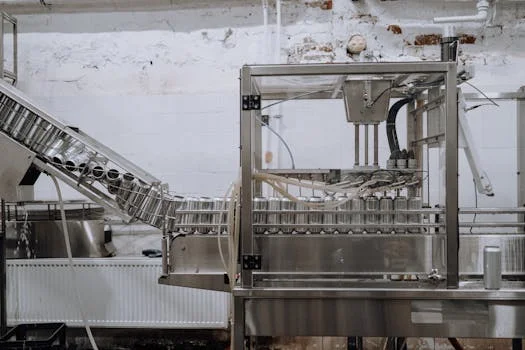
Technology choice should start from influent COD, FOG, ammonia, pathogen risk, land area, and the exact discharge permit—not from brochure capacity alone. CAPEX, OPEX, energy, and effluent quality trade off quickly once membranes or advanced disinfection enter the scope. For side-by-side process data, see the MBR vs. conventional systems for industrial projects.
Project type matrix:
- Industrial (food, textiles): High and variable COD/BOD loads favor MBR, or DAF systems for industrial pretreatment ahead of biological treatment when FOG is elevated.
- Municipal (residential, hotels): More stable flows and moderate COD suit underground A/O packages such as the WSZ series where surface land is scarce.
- Hospitals: Pathogen control and tight footprints drive compact trains with strong disinfection, often ozone on compact packages.
Selection checklist (use before issuing an RFQ):
- Measured influent COD, BOD, TSS, NH₃-N, FOG, and peak/average flow ratio.
- Permit limits for the receiving water or sewer connection point.
- Available plot area and whether underground tanks are allowed.
- Power reliability and target specific energy (kWh/m³).
- Sludge cake handling route and local disposal cost.
- Automation level versus available operators.
- Monsoon surge volume and stormwater diversion plan.
Energy is a hard constraint: MBR trains often use about 0.8–1.2 kWh/m³ for aeration and membrane scour, while A/O packages commonly sit near 0.3–0.5 kWh/m³. PLC control can cut operating labor and energy waste by roughly 20–30% versus fully manual plants, at higher first cost. If FOG is high, start with DAF, then biology, then disinfection. If land is the bottleneck, start with underground A/O. If pathogens dominate, prioritize disinfection robustness over the cheapest civil package.
Table 2: Package Plant Technology Selection Matrix
| Technology | Typical Application | Key Advantages | Key Considerations | Energy Use (kWh/m³) |
|---|---|---|---|---|
| A/O (Anaerobic/Oxic) | Municipal, Residential, Hotels | Lower OPEX, simpler operation, robust | Larger footprint than MBR, lower effluent quality than MBR | 0.3 - 0.5 |
| MBR (Membrane Bioreactor) | Industrial, Hospitals, Water Reuse | High effluent quality, compact footprint, stable operation | Higher CAPEX, higher energy for aeration/filtration, membrane fouling | 0.8 - 1.2 |
| DAF (Dissolved Air Flotation) | Industrial Pre-treatment (FOG, TSS) | Effective for FOG/TSS removal, fast separation | Requires downstream biological treatment, chemical consumption | 0.2 - 0.4 (for DAF only) |
| SBR (Sequential Batch Reactor) | Variable flow industrial, small municipal | Flexible operation, good effluent quality, compact | Batch process, requires equalization for continuous flow | 0.4 - 0.7 |
Cost Breakdown for Cambodia Package Plants
Capital cost for package wastewater trains in Cambodia typically spans about $500–$1,500 per m³/day of rated capacity, depending on technology, materials, and disinfection duty. Residential A/O packages often land near $500–$800/m³/day at 1–50 m³/h. Industrial MBR or DAF-plus-biology trains more often sit at $800–$1,200/m³/day for 50–500 m³/h. Hospital packages with stronger disinfection and automation commonly reach $1,000–$1,500/m³/day at 10–100 m³/h. Broader emerging-market benchmarks are summarized in the cost benchmarks for wastewater projects in emerging markets.
OPEX per m³ treated (typical ranges): Energy is about $0.05–$0.15 for MBR versus $0.02–$0.08 for A/O. Chemicals usually add $0.03–$0.10. Labor runs $0.02–$0.05 on automated plants versus $0.10–$0.20 on manual plants. Sludge haul often costs $0.05–$0.15. Hidden items still move the total: permits $5,000–$20,000, foundations about $100–$200/m², and a 10–20% CAPEX buffer for surge or expansion. Underground WSZ-class layouts can cut land-related cost by roughly 30% on tight urban lots.
Table 3: Estimated Cost Benchmarks for Package Plants in Cambodia (2025)
| Cost Component | Residential (1-50 m³/h) | Industrial (50-500 m³/h) | Hospital (10-100 m³/h) |
|---|---|---|---|
| CAPEX ($/m³/day) | $500 - $800 | $800 - $1,200 | $1,000 - $1,500 |
| OPEX ($/m³) | $0.07 - $0.15 | $0.10 - $0.20 | $0.12 - $0.25 |
| Energy (% of OPEX) | 30% - 40% | 40% - 50% | 45% - 55% |
| Chemicals (% of OPEX) | 15% - 25% | 20% - 30% | 25% - 35% |
| Labor (% of OPEX) | 10% - 20% | 10% - 15% | 8% - 12% |
| Sludge Disposal (% of OPEX) | 15% - 20% | 15% - 20% | 10% - 15% |
| Typical Payback Period | 4 - 6 years | 3 - 5 years | 3.5 - 5.5 years |
How Much Does a Package Plant Upgrade Cost?
Upgrade cost for an existing package sewage plant usually tracks the gap between current effluent and the new permit, not the nameplate flow alone. Retrofits that add only screens, chemical dosing, or UV often stay well below a full replacement, while membrane conversions or new equalization for monsoon peaks can approach new-build unit rates. On Cambodian industrial sites, owners commonly budget a share of the $800–$1,200/m³/day industrial band when biology or solids capture must be rebuilt, then add civil tie-ins and temporary bypass. A worked 100 m³/h industrial example cut COD from 1,500 mg/L to 120 mg/L. It used about $600,000 CAPEX and roughly $45,000/year OPEX. Payback landed near 3.5 years when avoided fines and reuse credits totaled about $120,000/year.
Before approving an upgrade, freeze three numbers: peak wet-weather flow, the hardest permit parameter (often COD, NH₃-N, or E. coli), and sludge disposal cost per wet tonne. Those three decide whether you add DAF, change to MBR, or only tighten operations. Skipping equalization is the most common field mistake we see on monsoon-exposed plots.
What Are Cambodia Wastewater Compliance Risks?
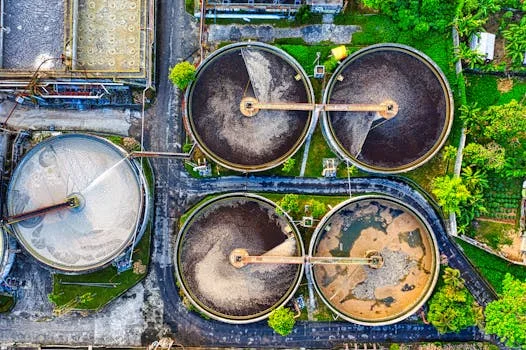
Cambodia wastewater compliance risk concentrates on discharge quality, missing permits, and weak monitoring—not on brochure features. Older bid packs still cite the Sub-Decree on Water Pollution Control (2015 framing). Ministry of Environment Standard 2023 targets set COD, BOD, TSS, nutrient, and pathogen expectations that contractors must design against. Reported fines rose by 200% in 2024 (CamboJA), so an undersized monsoon peak or an unvalidated disinfection step is a cash risk, not only a technical one. According to HBS Law’s summary of the statute, Cambodia promulgated the Law on Wastewater Treatment Facilities on 22 November 2024. The law covers development, operation, and use of treatment facilities nationwide. Oversight sits with the Ministry of Public Works and Transport.
Core references buyers still see on permits and EIAs:
- Sub-Decree on Water Pollution Control (2015 framing / related MoE instruments): overarching discharge control used in older project files.
- Ministry of Environment Standard 2023 targets: tighter COD/BOD/TSS/pathogen language in many 2024–2026 RFQs, including E. coli <1,000 CFU/100mL municipal and <100 CFU/100mL hospital.
- ASEAN-aligned practice: not always directly enforceable, but influential for export-facing factories. Regional package-plant practice is compared in Bangladesh’s package plant requirements (ASEAN comparison).
- Law on Wastewater Treatment Facilities (22 November 2024): requires adequate treatment works for new development areas and many business or production buildings. MPWT technical standards are still being elaborated (HBS Law, 2025).
Compliance sequence that holds up in audits:
- Characterize influent with wet- and dry-season samples.
- Select a package process that can meet the Table 4 limits at peak flow.
- Allow 3–6 months for MoE permitting ($5,000–$20,000 typical fee band).
- Commission with third-party effluent validation before handover.
- Submit monthly effluent reports and keep calibration records for online monitors.
Table 4: Cambodia Ministry of Environment Wastewater Discharge Limits (2023 Standard, mg/L unless specified)
| Parameter | Industrial | Municipal | Hospital |
|---|---|---|---|
| COD | <120 | <100 | <100 |
| BOD₅ | <50 | <30 | <30 |
| TSS | <50 | <30 | <30 |
| Ammonia-N | <10 | <5 | <5 |
| Oil & Grease | <5 | <5 | <5 |
| Total Phosphorus | <2 | <1 | <1 |
| E. coli (CFU/100mL) | N/A | <1,000 | <100 |
| pH | 6.0 - 9.0 | 6.0 - 9.0 | 6.0 - 9.0 |
Supplier Checklist for Cambodia Package Plants
Supplier selection should weight compliance guarantee, local spares, and monsoon hydraulic proof over the lowest ex-works price. Ask for Cambodia or similar ASEAN references with measured effluent, not only fabrication photos. Warranty norms run 1–2 years on standard packages; longer cover usually signals higher confidence in membranes, blowers, and controls. Red flags include no local technician path, vague COD/BOD guarantees, and no wet-weather design case.
Table 5: Package Plant Supplier Comparison Matrix in Cambodia (2025)
| Supplier Category | Strengths | Weaknesses | Typical Projects |
|---|---|---|---|
| HydropureWater | Custom engineering, local support network, robust MBR/DAF systems | Potentially higher CAPEX for tailored solutions | Industrial facilities (textiles, food), hospitals, large commercial |
| Vikas Pump | Competitive pricing, fast delivery, wide range of pumps and basic STPs | Limited advanced automation features, less complex solutions | Residential developments, small commercial, agricultural |
| MetaWater | Expertise in large-scale ODA-funded municipal projects, high capacity | Longer project lead times, less focus on compact package solutions | Municipal wastewater treatment plants, large public infrastructure |
| Local Contractors | Low cost, quick turnaround for basic installations, familiarity with local labor | Limited advanced compliance expertise, variable equipment quality | Rural communities, temporary sites, basic sewage treatment |
| Chinese OEMs (Direct) | Budget-friendly pricing, diverse product range | Quality variability, limited local after-sales support, language barriers | Industrial (textiles, food processing), cost-sensitive projects |
Who This Is For / Next Step
This guide is for plant engineers, EPC contractors, and procurement managers sizing on-site treatment for Cambodian factories, hotels, hospitals, and small municipal clusters. Look elsewhere if you need a multi-hundred-thousand m³/day city plant or a pure septic-tank replacement without discharge limits. If you already have influent data and a target permit, request a sized package layout through our request-quote form for Cambodia package plant sizing. You can also compare compact urban options such as the Underground Package Sewage Treatment Plant (WSZ Series) against MBR where reuse is planned.
Frequently Asked Questions
How much does a package wastewater treatment plant cost in Cambodia?
Package plant CAPEX in Cambodia typically ranges from $500–$1,500/m³/day of capacity at 2025 budget levels. Technology and disinfection duty are the main drivers. A 50 m³/h industrial unit (about 1,200 m³/day) often lands near $250,000–$400,000 before civil works. OPEX commonly sits around $0.10–$0.20/m³ for industrial duties.
Can package plants handle Cambodia’s monsoon season?
Yes, if the hydraulic design includes surge volume near 1.5–2× average dry-weather flow or a storm diversion line. A 100 m³/h average plant should be checked at 150–200 m³/h for May–October peaks. Equalization and high-level bypass protect biology and membranes during intense storms. MBR trains usually tolerate short organic and flow spikes better than lightly loaded A/O plants without buffer tanks.
What discharge limits should a Cambodia industrial package plant meet?
Many industrial RFQs still design to COD <120 mg/L, BOD₅ <50 mg/L, and TSS <50 mg/L. Ammonia-N <10 mg/L and oil and grease <5 mg/L also appear in Ministry of Environment Standard 2023 tables used here. Municipal and hospital limits are tighter on BOD, TSS, nutrients, and E. coli. Confirm the exact permit annex before freezing equipment selection.
Does Cambodia’s 2024 wastewater law change on-site plant duties?
Yes. According to HBS Law’s 2025 summary, the Law on Wastewater Treatment Facilities of 22 November 2024 applies to wastewater treatment facilities nationwide and places development oversight with the Ministry of Public Works and Transport. New development areas and many business or production buildings must provide adequate treatment works meeting technical standards. Existing water-pollution instruments remain relevant for effluent quality until replaced by newer implementing rules.
Where does Asia’s largest wastewater plant sit relative to Cambodia needs?
Asia’s largest cited reference remains Shanghai’s Bailonggang plant at about 3.4 million m³/day. That scale is not a useful analog for Cambodian factories or hotels. Larger Cambodian public projects still leave most industrial and commercial sites on 1–500 m³/h package trains. Size to local permit limits and monsoon peaks, not mega-plant headlines.
Related Equipment
- hospital wastewater treatment systems — view specifications, capacity range, and technical data
Need a customized solution? Request a free quote with your specific flow rate and pollutant parameters.