Costa Rica’s Food Processing Wastewater: Regulatory Landscape and Compliance Risks
Costa Rica’s food processing industry faces strict wastewater discharge limits under AyA and MINAE regulations, with fines up to ₡5M ($9,500) for non-compliance. Typical influent parameters include TSS 500–3,000 mg/L, COD 1,000–10,000 mg/L, and FOG 200–1,500 mg/L. Dissolved Air Flotation (DAF) systems achieve 90–98% FOG removal, while MBR systems deliver near-reuse-quality effluent (<10 mg/L TSS) for irrigation or process water. The 2025 CABEI-funded program offers US $565M in financing for compliant systems, reducing CAPEX by up to 30% for qualifying projects.
The regulatory framework for industrial discharge is primarily governed by Decree 39868-MINAE (2016), which dictates the "Regulation for the Discharge and Reuse of Wastewater." The Instituto Costarricense de Acueductos y Alcantarillados (AyA) serves as the primary technical evaluator, while the Ministerio de Ambiente y Energía (MINAE) acts as the enforcement body. Under Law 7554, the Environmental Organic Law, repeat offenders face not only escalating financial penalties but also the risk of permanent plant shutdowns. For facilities operating within 5 km of the Golfito National Wildlife Refuge, 2023 protection status updates mandate zero-discharge policies, making high-efficiency technologies like integrated MBR systems for reuse-quality effluent in Costa Rica a technical necessity rather than an operational choice.
Securing a discharge permit is a multi-stage engineering and administrative process. The timeline typically spans 6 to 12 months, beginning with a mandatory Environmental Impact Assessment (EIA). Once the EIA is approved, engineering plans must be submitted to AyA for technical review. These plans must demonstrate that the proposed treatment system can consistently meet the limits outlined in the table below. Following installation, AyA performs rigorous inspection protocols to verify that the operational system matches the approved designs.
| Parameter | AyA Discharge Limit (Direct) | AyA Reuse Limit (Irrigation) | Typical Fine (Per Violation) |
|---|---|---|---|
| Biological Oxygen Demand (BOD5) | <25 mg/L | <20 mg/L | ₡1.5M - ₡5M |
| Chemical Oxygen Demand (COD) | <125 mg/L | <50 mg/L | ₡1.5M - ₡5M |
| Total Suspended Solids (TSS) | <30 mg/L | <10 mg/L | ₡1.0M - ₡3M |
| Fats, Oils, and Grease (FOG) | <10 mg/L | Non-detectable | ₡2.0M - ₡5M |
| pH Range | 6.0 – 9.0 | 6.5 – 8.5 | ₡500k - ₡1.5M |
Engineering Parameters for Food Processing Wastewater in Costa Rica
Influent characteristics for Costa Rican food processors vary significantly by sub-sector, with Chemical Oxygen Demand (COD) ranging from 1,000 mg/L in fruit washing to over 12,000 mg/L in dairy processing. According to a 2024 University of Costa Rica (UCR) study, the average meat processing facility in the Central Valley produces wastewater with TSS levels between 1,500 and 4,000 mg/L and nitrogen concentrations reaching 300 mg/L. These high organic loads require multi-stage treatment to reach the AyA effluent limits of <25 mg/L BOD5 and <15 mg/L total nitrogen.
Dairy processing presents a unique challenge due to high concentrations of lactose and milk fats. Influent FOG levels in Costa Rican dairies typically range from 800 to 2,000 mg/L, which can quickly blind secondary treatment membranes if not properly pre-treated. For these applications, DAF systems for high-FOG food processing wastewater are utilized to remove the bulk of the lipid load before biological treatment. the high acidity of dairy waste (pH 3.5–5.0) requires robust pH neutralization systems to prevent biological process inhibition.
Seasonal variability is a critical factor in system sizing for Costa Rican plants. During the rainy season (May to November), stormwater infiltration and increased cleaning cycles can increase influent flow rates by 20% to 40%. While this flow increase often dilutes COD by 15% to 25% (per UCR 2023 data), the hydraulic surge can wash out biomass in traditional activated sludge systems. Engineering specifications must account for these peak hydraulic loads to ensure compliance year-round. For plants looking to optimize their process, comparing Brazil’s food processing wastewater treatment standards and equipment selection can provide insights into managing similar tropical climate challenges.
| Wastewater Source | COD (mg/L) | TSS (mg/L) | FOG (mg/L) | pH Range |
|---|---|---|---|---|
| Dairy Processing | 2,000 – 12,000 | 1,000 – 3,000 | 800 – 2,000 | 3.5 – 10.5 |
| Meat & Poultry | 2,500 – 8,000 | 1,500 – 4,000 | 500 – 1,500 | 6.0 – 8.5 |
| Fruit & Vegetable | 1,000 – 4,000 | 500 – 1,500 | <100 | 4.0 – 11.0 |
| Brewery/Beverage | 2,000 – 6,000 | 200 – 800 | <50 | 4.5 – 12.0 |
| AyA Limit (Direct) | <125 | <30 | <10 | 6.0 – 9.0 |
Treatment Technologies for Food Processing Wastewater: DAF, MBR, and Anaerobic Digestion Compared
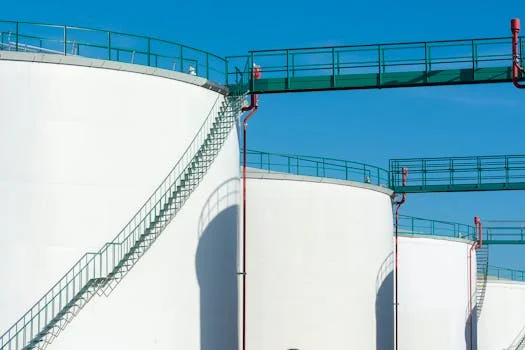
Dissolved Air Flotation (DAF) is the standard primary treatment for Costa Rican food processors dealing with high fat and protein loads, offering 90–98% removal of FOG and 60–80% removal of TSS. DAF systems operate by injecting micro-bubbles into the wastewater, which attach to flocculated particles and float them to the surface for mechanical skimming. With a relatively low energy footprint of 0.3–0.5 kWh/m³, DAF is highly effective as a pretreatment step for meat and dairy facilities. However, DAF alone cannot meet AyA’s COD limits for direct discharge, necessitating a secondary biological stage.
Membrane Bioreactor (MBR) technology integrates biological degradation with membrane filtration, producing an effluent that typically exceeds AyA standards for irrigation reuse. MBR systems achieve 99% TSS removal and over 90% COD removal. While the energy consumption is higher (0.8–1.2 kWh/m³) and the CAPEX is approximately double that of a DAF system, the small footprint and high-quality effluent make it the preferred choice for plants in space-constrained urban areas or near sensitive ecological zones like the Golfito National Wildlife Refuge. For high-FOG streams, MBR must be preceded by DAF or fine screening to prevent membrane fouling.
Anaerobic digestion, specifically Upflow Anaerobic Sludge Blanket (UASB) reactors, is increasingly used by breweries and high-load processors in Costa Rica to convert organic waste into biogas. This technology removes 70–90% of COD with very low energy requirements (0.1–0.2 kWh/m³) and produces 0.3–0.5 m³ of biogas per kg of COD removed. The main drawback in Costa Rica’s highlands is temperature sensitivity; anaerobic bacteria require 30–35°C for optimal performance, often necessitating heat exchangers or insulation. For a detailed technical breakdown of these options, engineers should review a DAF vs alternatives for food processing wastewater: performance and cost comparison.
| Feature | DAF (Primary) | MBR (Secondary) | Anaerobic (Primary/Secondary) |
|---|---|---|---|
| COD Removal | 40 – 60% | 90 – 95% | 70 – 90% |
| TSS Removal | 60 – 80% | >99% | 50 – 70% |
| Energy Use | 0.3 – 0.5 kWh/m³ | 0.8 – 1.2 kWh/m³ | 0.1 – 0.2 kWh/m³ |
| CAPEX/m³ Capacity | $50 – $150 | $200 – $400 | $150 – $300 |
| Best For | FOG/TSS Pre-treatment | Water Reuse/Strict Limits | High COD/Energy Recovery |
Cost Breakdown: CAPEX, OPEX, and ROI for Food Processing Wastewater Treatment in Costa Rica
Capital expenditure (CAPEX) for food processing wastewater treatment in Costa Rica is heavily influenced by the required effluent quality and the availability of local financing. For a standard 100 m³/day system, a DAF unit typically costs between $50 and $150 per m³ of daily capacity, whereas an MBR system ranges from $200 to $400 per m³. Installation, which includes civil works, piping, and electrical integration, generally adds 20% to 30% to the equipment cost. However, the 2025 CABEI-funded program provides a significant financial cushion, offering 30% CAPEX grants for projects located in priority zones such as San José, Jacó, and Quepos.
Operational expenditure (OPEX) is dominated by energy costs, chemical dosing (coagulants and flocculants), and sludge management. In Costa Rica, industrial electricity rates average $0.12–$0.18 per kWh, making energy-efficient aeration and pumping vital for long-term viability. MBR systems have the highest OPEX due to membrane cleaning and replacement every 5 to 8 years, costing between $1.00 and $2.50 per m³ treated. Conversely, anaerobic systems can achieve a "near-zero" net OPEX if the generated biogas is used to offset boiler fuel or electricity. Some facilities also invest in RO systems for food processing water reuse in Costa Rica to further reduce municipal water procurement costs.
The Return on Investment (ROI) for these systems is often realized through a combination of fine avoidance, reduced water tariffs, and byproduct recovery. For example, a meat processing plant installing a $120,000 DAF system can avoid annual AyA fines of $9,500 and save $20,000 in water reuse for non-process applications. With an OPEX of $36,000 per year, the payback period is approximately 3.5 years. This calculation does not include the potential 30% CAPEX grant from CABEI, which would reduce the payback period to under 2.5 years.
| Cost Category | DAF System | MBR System | Anaerobic Digester |
|---|---|---|---|
| CAPEX (100 m³/day) | $80k – $150k | $250k – $450k | $180k – $350k |
| Chemicals (Annual) | $12k – $25k | $5k – $10k | $2k – $5k |
| Energy (Annual) | $8k – $15k | $25k – $40k | $2k – $6k |
| Sludge Disposal | $50 – $150 / ton | $40 – $100 / ton | $30 – $80 / ton |
| Maintenance/Labor | $10k – $15k | $15k – $25k | $12k – $20k |
Compliance Checklist: Permits, Discharge Limits, and Inspection Protocols for Costa Rican Food Processors
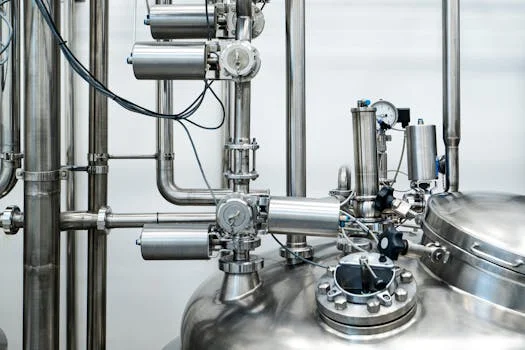
Achieving regulatory compliance in Costa Rica requires a structured approach to permit acquisition and operational maintenance. Failure to follow the prescribed steps can result in significant delays and legal exposure. The following checklist outlines the essential milestones for any food processing wastewater project:
- Step 1: Environmental Impact Assessment (EIA): Conduct a comprehensive study for all new plants or expansions exceeding 50 m³/day. This must be performed by a SETENA-registered consultant. (Timeline: 3–6 months; Cost: $5k–$20k).
- Step 2: AyA Permit Application: Submit detailed engineering plans, including mass balance calculations, influent/effluent characterization, and equipment specifications. (Timeline: 6–12 months; Cost: $1.5k–$5k).
- Step 3: MINAE Registration: Register as an industrial discharger and obtain a discharge permit (Canon de Vertidos). (Timeline: 2–4 months; Cost: $500–$2k).
- Step 4: Disinfection System Implementation: Ensure all effluent meets pathogen limits using ClO₂ generators for AyA-compliant disinfection.
- Step 5: Quarterly Self-Monitoring: Contract a certified third-party laboratory to test effluent for TSS, COD, BOD5, FOG, and pH. Results must be reported to AyA within 15 days of sampling.
- Step 6: Annual Inspection Readiness: Maintain detailed maintenance logs, sludge disposal manifests, and sensor calibration certificates for unannounced AyA/MINAE inspections.
Common pitfalls include incomplete EIAs that lack local hydrological data and failing to account for proper sludge disposal. In Costa Rica, sludge must be transported by licensed hazardous or organic waste haulers, and records must be kept for at least five years to satisfy audit requirements.
Frequently Asked Questions
What are the biggest environmental problems caused by food processing wastewater in Costa Rica?
High COD and FOG loads are the primary contributors to the degradation of major river systems like the Tárcoles River, where food processing accounts for an estimated 80% of industrial organic pollution. These discharges lead to eutrophication and oxygen depletion, which severely harm aquatic biodiversity and the country's eco-tourism reputation. A 2023 study also linked untreated discharges to anaerobic "dead zones" near the Golfito National Wildlife Refuge.
How does Costa Rica’s wastewater treatment compare to other Latin American countries?
Costa Rica is a regional leader, ranking 3rd in Latin America for wastewater treatment coverage, with a target of 65% by 2025. While it trails Chile (95%) and Uruguay (80%), it significantly outperforms Mexico (50%) and Brazil (45%). The 2025 CABEI funding initiative is specifically designed to close this gap and modernize industrial infrastructure.
What is the process of wastewater treatment in the food industry?
The standard process involves: 1) Physical screening using a rotary mechanical bar screen to remove large solids; 2) DAF for fat and grease removal; 3) Biological treatment (MBR or Anaerobic) for organic carbon removal; 4) Disinfection via Chlorine Dioxide or UV; and 5) Sludge dewatering using a filter press to reduce disposal volume.
How much does a food processing wastewater treatment plant cost in Costa Rica?
For a mid-sized facility (50–200 m³/day), CAPEX ranges from $500,000 for a DAF + Anaerobic configuration to $3,000,000 for a full MBR + RO reuse system. These costs can be offset by 30% through the 2025 CABEI grant program for qualifying industrial projects.
What are the alternatives to DAF for FOG removal in food processing?
Alternatives include: 1) Dissolved Gas Flotation (DGF), which uses nitrogen or natural gas to reduce energy but has 10–15% lower efficiency; 2) Electrocoagulation, which avoids chemical dosing but has higher electricity costs; and 3) Centrifugal separators, which are highly effective for edible oil processing but carry high maintenance requirements.