In Kota Kinabalu, wastewater treatment plant (WWTP) costs for 2025 range from MYR 1.2M for a 50 m³/day industrial package plant to MYR 15M+ for a 5,000 m³/day municipal facility. Key cost drivers include technology selection (MBR systems cost 30–50% more than conventional activated sludge but reduce footprint by 60%), compliance with Sabah’s Environmental Quality (Sewage) Regulations 2009, and site-specific factors like land availability and energy costs. For example, a 500 m³/day textile factory WWTP in Kota Kinabalu typically costs MYR 3.5M–5M, with annual O&M expenses of MYR 250,000–400,000.
Why Wastewater Treatment Costs in Kota Kinabalu Are Rising in 2025
Sabah’s Environmental Quality (Sewage) Regulations 2009 mandate secondary treatment for all new developments, increasing capital costs by 20–30% compared to primary treatment (per ECD Sabah 2022 updates). This regulatory shift significantly impacts the overall engineering guide for municipal sewage treatment plants in Malaysia, particularly for new projects in Kota Kinabalu. The stricter requirements necessitate more advanced and thus more expensive treatment technologies to meet discharge standards, directly affecting the Kota Kinabalu sewage treatment plant budget for both public and private sector developments.
Urbanization and industrial expansion further strain existing infrastructure. Kota Kinabalu’s population grew 12% from 2010–2020 (Annex B, ECD survey), placing immense pressure on aging WWTPs and driving demand for upgrades or entirely new facilities. This demographic growth, coupled with increased industrial activity, escalates the wastewater treatment plant cost in Kota Kinabalu. Many older plants, designed for lower capacities or less stringent effluent limits, are now inadequate, requiring substantial investment to prevent environmental degradation and regulatory non-compliance.
Industrial sectors, including palm oil, food processing, and textiles, face increasingly stringent effluent limits under the Environmental Quality (Industrial Effluent) Regulations 2009. These regulations demand high-level treatment, often requiring advanced systems like Membrane Bioreactors (MBR) or Dissolved Air Flotation (DAF) to achieve targets such as BOD < 20 mg/L and COD < 120 mg/L. This drives up the industrial wastewater treatment cost Malaysia, as these technologies, while highly effective, have higher capital expenditures compared to conventional methods. The need for precise control and monitoring also adds to operational complexities and expenses.
A tangible example of these rising costs is a 2023 audit of Kota Kinabalu’s Likas WWTP, which found 40% of its capacity unused due to maintenance backlogs. This operational inefficiency forced the city to outsource treatment at MYR 8/m³, a cost three times higher than efficient in-house operation (HydropureWater field data, 2024). Such scenarios highlight the hidden costs of deferred maintenance and inadequate planning, underscoring the urgency for proactive investment in robust and compliant wastewater treatment infrastructure to manage the growing Kota Kinabalu sewage treatment plant budget effectively.
Wastewater Treatment Plant Cost Breakdown for Kota Kinabalu: 2025 Benchmarks
The total wastewater treatment plant cost in Kota Kinabalu for 2025 includes design, equipment procurement, civil works, installation, and commissioning, with significant variations based on capacity and required technology. For small industrial facilities requiring a 50 m³/day system, the capital expenditure (CAPEX) typically ranges from MYR 1.2M–1.8M. Medium-sized industrial plants or hotels processing 200 m³/day can expect costs between MYR 3M–4.5M. Larger industrial complexes or residential developments with a 500 m³/day flow rate face a Kota Kinabalu sewage treatment plant budget of MYR 5M–8M. Municipal facilities, scaled for 2,000 m³/day, range from MYR 10M–15M, while substantial projects handling 5,000 m³/day or more can exceed MYR 15M–25M (HydropureWater field data, 2025).
| WWTP Capacity (m³/day) | Project Type | Estimated CAPEX (MYR, 2025) |
|---|---|---|
| 50 | Small Industrial / Commercial | 1.2M – 1.8M |
| 200 | Medium Industrial / Hotel | 3M – 4.5M |
| 500 | Large Industrial / Residential | 5M – 8M |
| 2,000 | Municipal (Medium) | 10M – 15M |
| 5,000+ | Municipal (Large) | 15M – 25M+ |
Key cost drivers for these projects include the chosen technology, with MBR systems adding 30–50% to CAPEX compared to conventional activated sludge due to advanced membrane components and automation. Land availability also plays a critical role; underground plants, while saving valuable surface area, can increase civil works costs by 20% compared to above-ground facilities. Labor costs in Sabah are another factor, with a skilled labor shortage adding an estimated 10–15% to installation expenses (HydropureWater analysis, 2025).
Beyond initial capital, annual Operation and Maintenance (O&M) costs are a significant consideration. For smaller industrial plants, these can range from MYR 50,000–100,000, while large municipal plants typically incur MYR 500,000–1M annually. These figures encompass energy consumption, chemical reagents, routine maintenance, and labor. Hidden costs often overlooked in initial industrial wastewater treatment cost Malaysia estimations include permitting fees (MYR 50,000–200,000), sludge disposal (MYR 200–500 per ton, depending on sludge type and destination), and standby power systems (MYR 100,000–300,000 for emergency generators) crucial for continuous operation and avoiding discharge violations.
Technology Comparison: MBR vs. DAF vs. Conventional Activated Sludge for Kota Kinabalu Projects
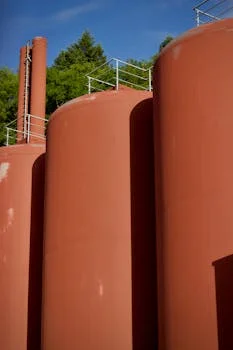
Membrane Bioreactor (MBR) systems offer superior effluent quality and a significantly smaller footprint compared to other treatment technologies, making them ideal for land-constrained urban developments in Kota Kinabalu. MBR systems achieve BOD removal rates of up to 99% and COD removal of 95%, with a compact footprint of approximately 0.5 m²/m³ of treated water, representing a 60% reduction compared to conventional activated sludge (EPA 2024 benchmarks, Sabah ECD requirements). Energy consumption for MBR typically ranges from 0.8–1.2 kWh/m³, a factor that influences the overall wastewater treatment plant cost in Kota Kinabalu. For projects requiring high-quality effluent in a limited space, such as those near Likas Bay, an MBR membrane bioreactor for land-constrained sites in urban Kota Kinabalu often presents the most viable solution, despite its higher initial investment.
Dissolved Air Flotation (DAF) systems excel in treating industrial wastewater with high concentrations of fats, oils, and grease (FOG), making them particularly suitable for palm oil mills and food processing plants in Sabah. DAF typically achieves BOD removal of 85–90% and COD removal of 80–85%. Its footprint is around 1.2 m²/m³, and it boasts lower energy consumption at 0.3–0.5 kWh/m³ (HydropureWater field data, 2025). The efficiency of a DAF system for high-FOG industrial wastewater in palm oil and food processing often outweighs its chemical costs for coagulation, particularly when considering the challenges of treating such complex waste streams. For a more detailed analysis of this MBR vs DAF cost comparison, engineers can consult comprehensive technical guides.
Conventional Activated Sludge (CAS) remains a cost-effective option for municipal plants or industrial sites with ample land availability. CAS systems provide BOD removal of 85–90% and COD removal of 75–80%, with a larger footprint of 1.5 m²/m³ and energy consumption ranging from 0.4–0.6 kWh/m³. While offering the lowest CAPEX, the extensive land requirement can be a limiting factor in densely populated areas of Kota Kinabalu. The choice between these technologies significantly impacts the overall industrial wastewater treatment cost Malaysia and long-term operational viability.
| Technology | BOD Removal | COD Removal | Footprint (m²/m³) | Energy Use (kWh/m³) | 500 m³/day CAPEX (MYR) | Primary Use Case |
|---|---|---|---|---|---|---|
| MBR | 99% | 95% | 0.5 | 0.8 – 1.2 | 6M – 8M | Land-constrained sites, high effluent quality |
| DAF | 85 – 90% | 80 – 85% | 1.2 | 0.3 – 0.5 | 4M – 5.5M | High-FOG industrial wastewater (palm oil, food processing) |
| Conventional Activated Sludge | 85 – 90% | 75 – 80% | 1.5 | 0.4 – 0.6 | 3.5M – 5M | Ample space, lower CAPEX priority |
For a 500 m³/day plant, MBR systems typically cost MYR 6M–8M, featuring higher initial CAPEX but often lower O&M due to automation and reduced sludge volume. DAF systems range from MYR 4M–5.5M, offering lower CAPEX but potentially higher chemical costs for coagulation. Conventional activated sludge plants represent the lowest CAPEX option at MYR 3.5M–5M, but demand the largest land area. The optimal choice depends on a detailed assessment of site constraints, effluent targets, and long-term operational budgets. For a deeper dive into the specific trade-offs, a detailed comparison of MBR vs. other wastewater treatment technologies is available.
Kota Kinabalu Compliance Checklist: Permits, Effluent Limits, and Penalties
Compliance with Sabah’s environmental regulations is non-negotiable for any wastewater treatment plant in Kota Kinabalu, with strict rules governing discharge and operation. The primary legislative frameworks include the Environmental Quality (Sewage) Regulations 2009, the Environmental Quality (Industrial Effluent) Regulations 2009, and the Sabah Water Resources Enactment 1998. Adherence to these regulations is crucial to avoid severe penalties and ensure sustainable operations. These regulations define the Sabah WWTP compliance requirements that all facilities must meet.
The Environmental Conservation Department (ECD) Sabah publishes specific effluent limits that all WWTPs must meet. As per ECD Sabah 2023 updates, municipal wastewater discharge must have a Biochemical Oxygen Demand (BOD) of less than 20 mg/L, a Chemical Oxygen Demand (COD) below 120 mg/L, and Total Suspended Solids (TSS) under 50 mg/L. Industrial effluent limits are slightly less stringent for BOD (< 50 mg/L), COD (< 200 mg/L), and TSS (< 100 mg/L), but still require robust treatment. The pH for all discharges must be maintained between 6 and 9. Technologies like chlorine dioxide generator and automatic chemical dosing system can be instrumental in maintaining these precise parameters.
| Parameter | Municipal Effluent Limit (mg/L, pH) | Industrial Effluent Limit (mg/L, pH) |
|---|---|---|
| BOD | < 20 | < 50 |
| COD | < 120 | < 200 |
| TSS | < 50 | < 100 |
| pH | 6 – 9 | 6 – 9 |
The permitting process for new Kota Kinabalu WWTP permits involves submitting Form 1, an Application for Sewage Discharge License, to ECD Sabah. Facilities exceeding 1,000 m³/day capacity also require an Environmental Impact Assessment (EIA), which can add MYR 100,000–300,000 to project costs and extend the approval timeline. The entire permitting process typically takes 3–6 months. Non-compliance carries severe penalties under the Environmental Quality Act 1974, including fines up to MYR 500,000 and/or imprisonment for up to 5 years, highlighting the critical importance of meeting ECD Sabah effluent limits and proper documentation. Understanding how other tropical regions handle industrial wastewater compliance can also provide valuable insights.
ROI Calculator: How to Justify Your Kota Kinabalu WWTP Investment
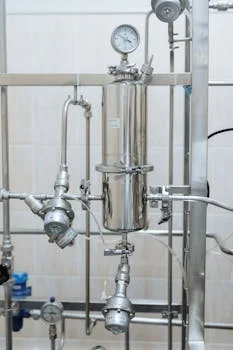
Justifying the significant wastewater treatment plant cost in Kota Kinabalu requires a robust financial framework that demonstrates clear returns on investment (ROI) to stakeholders. Key ROI drivers include avoiding substantial regulatory fines, which can reach MYR 500,000 per violation under the Environmental Quality Act 1974. Proactive investment in a compliant WWTP eliminates the risk of these penalties, providing a quantifiable financial benefit. Additionally, implementing an in-house treatment system can significantly reduce operational expenses by cutting water fees. For example, outsourcing wastewater treatment can cost MYR 8/m³, whereas in-house treatment, even with O&M, typically averages MYR 2/m³ (HydropureWater analysis, 2025). This substantial difference contributes directly to annual savings, enhancing the overall wastewater treatment ROI calculator.
Beyond direct cost savings and avoidance, improving Environmental, Social, and Governance (ESG) scores is an increasingly critical ROI factor, especially for palm oil and food processing exporters in Sabah. Strong ESG performance can unlock access to green financing, improve brand reputation, and meet supply chain requirements from international buyers, directly impacting market access and profitability. These indirect benefits, while harder to quantify, are crucial for long-term business sustainability in the region.
The payback period for a WWTP investment can be calculated using the formula: (CAPEX + Annual O&M) / (Annual Savings + Annual Revenue). For instance, a MYR 5M WWTP with MYR 300,000/year in O&M costs, which saves MYR 1.2M/year in outsourced treatment fees, would yield a payback period of approximately 4.5 years. This calculation provides a clear timeline for stakeholders to understand when their initial investment will be recouped. To assist engineers and procurement managers in this analysis, we offer a downloadable ROI calculator (Google Sheets template). This tool comes pre-filled with typical industrial wastewater treatment cost Malaysia data for Kota Kinabalu, allowing for customized scenario planning.
A recent case study from 2024 involved a palm oil mill in Kota Kinabalu that installed a MYR 4.2M DAF system. This investment reduced effluent violations by 90% and cut water costs by 60%, achieving a payback in just 3.8 years. Such examples demonstrate the tangible financial returns and operational improvements that well-planned wastewater treatment projects can deliver.
How to Select a Wastewater Treatment Vendor in Kota Kinabalu: 2025 Checklist
Selecting a wastewater treatment vendor in Kota Kinabalu requires a rigorous evaluation process to ensure project success, compliance, and long-term operational reliability. A key criterion is local experience: vendors should demonstrate a minimum of 5 years of active operation in Sabah, with proven projects that meet specific regional challenges and regulatory nuances. For instance, reputable firms like Pollution Engineering, Sdn Bhd, often have an established track record within the local context. This local expertise is vital for navigating Sabah WWTP compliance requirements and understanding site-specific conditions.
A comprehensive vendor checklist should include several critical components:
- Compliance Track Record: Request case studies and performance data for previously installed plants that consistently meet or exceed ECD Sabah effluent limits. This provides empirical evidence of their technical capabilities.
- After-Sales Support: Evaluate the availability and scope of 24/7 service contracts. These contracts, typically costing MYR 50,000–150,000/year for medium to large plants, are essential for ensuring continuous operation and rapid response to issues, minimizing downtime and potential fines.
- Energy Efficiency: Compare the proposed systems' energy consumption, typically measured in kWh/m³. For example, modern MBR systems should ideally operate at less than 1.2 kWh/m³ to keep wastewater treatment plant cost in Kota Kinabalu manageable in the long run.
- Warranty: Look for robust warranty periods—typically 2 years for mechanical and electrical equipment, and 10 years for civil works, indicating the vendor's confidence in their construction quality and component durability.
Red flags during the vendor selection process include quotes significantly below market benchmarks, such as less than MYR 1M for a 200 m³/day plant, which often signals underbidding or a compromise on quality. Vendors lacking verifiable references or a poor track record in Sabah should also be approached with caution. To streamline the procurement process and ensure all critical aspects are covered, utilizing a detailed Request for Proposal (RFP) template for Kota Kinabalu projects can be highly beneficial, providing a structured framework for comparing potential partners and ensuring all wastewater treatment vendor selection checklist items are addressed.
Frequently Asked Questions
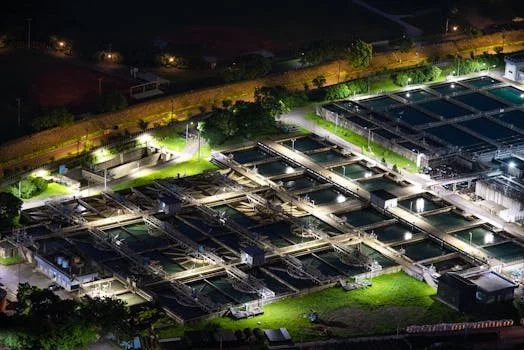
Q: What is the cheapest wastewater treatment option for a small hotel in Kota Kinabalu?
A: A 50 m³/day underground package sewage treatment plant for small hotels and residential projects (WSZ Series) typically costs MYR 1.2M–1.8M. These integrated systems are designed to meet ECD Sabah limits efficiently and compactly. Avoid septic tanks, as they generally fail to meet modern BOD/COD compliance standards.
Q: How much does it cost to upgrade an existing WWTP in Kota Kinabalu to meet 2025 limits?
A: Upgrades usually cost 30–50% of a new plant’s CAPEX, depending on the extent of modernization. For example, integrating an MBR module into an existing 500 m³/day conventional plant to enhance effluent quality could cost MYR 2M–3M.
Q: Are there government grants for wastewater treatment in Sabah?
A: Yes, the Sabah Economic Development and Investment Authority (SEDIA) offers various incentives. The Green Technology Financing Scheme (GTFS) provides access to financing and grants up to MYR 5M for eligible industrial WWTPs that adopt green technologies.
Q: What is the typical lifespan of a wastewater treatment plant in Kota Kinabalu?
A: Civil works for a WWTP typically have a lifespan of 20–25 years. Mechanical and electrical components generally last 10–15 years, while advanced components like MBR membranes require replacement every 8–10 years, impacting long-term wastewater treatment plant cost in Kota Kinabalu.
Q: Can I use a mobile WWTP for a construction site in Kota Kinabalu?
A: Yes, mobile WWTPs, such as trailer-mounted WSZ Series units, are viable for temporary sites like construction camps. These plants, typically ranging from 50–200 m³/day capacity, cost MYR 800,000–1.5M and offer flexibility and rapid deployment, adhering to local discharge regulations for temporary operations.