DAF (Dissolved Air Flotation) systems are critical for Kazakhstan’s industrial wastewater treatment, achieving >90% removal of suspended solids, oils, and fats while reducing COD by 92–97%. In 2025, Kazakhstani facilities must comply with the Environmental Code (Article 123) and SanPiN 2.1.5.980-00, which set discharge limits of 30 mg/L for TSS and 15 mg/L for oils. Local DAF systems, such as HydropureWater’s (4–300 m³/h), are engineered to meet these standards while optimizing CAPEX (₸50M–₸300M) and OPEX (₸2,000–₸10,000/month for 50 m³/h systems).
Why Kazakhstan’s Industries Need DAF Systems in 2025
Kazakhstan's Environmental Code (Article 123) and SanPiN 2.1.5.980-00 mandate strict discharge limits for industrial effluents, setting TSS at ≤30 mg/L, oils at ≤15 mg/L, and COD at ≤120 mg/L (Ministry of Ecology, 2024). These stringent regulations are increasingly enforced, pushing industrial facilities to adopt advanced wastewater treatment technologies like DAF to avoid severe penalties. Non-compliance often leads to substantial fines, operational restrictions, and even temporary shutdowns, directly impacting profitability and operational continuity.
Common compliance failures observed across Kazakhstan's industrial landscape highlight the urgency. According to Kazhydromet 2023 data, the oil & gas sector accounted for 68% of industrial wastewater violations, primarily due to high concentrations of oils and suspended solids in produced water. The mining sector followed with 22% of violations, driven by elevated TSS levels, while food processing facilities contributed 10%, largely from excessive fats, oils, and grease (FOG) discharges. These sectors face particular challenges in meeting the updated 2025 standards without robust primary treatment.
A recent case example underscores this critical need: a 2024 audit of Almaty food processors revealed that 70% of audited facilities exceeded their permitted oil discharge limits. This resulted in collective fines amounting to over ₸12M and triggered mandatory 3-month shutdowns for several non-compliant operations. Such incidents demonstrate the direct financial and operational risks associated with inadequate wastewater treatment.
DAF systems directly address these prevalent challenges by offering high-efficiency pollutant removal. They are engineered to remove 90–95% of suspended solids and 92–97% of oils and grease, significantly reducing the load of biological oxygen demand (BOD) and chemical oxygen demand (COD) (per EPA 2024 benchmarks, confirmed in leading industry research). This makes DAF a strategic investment for Kazakhstani industries aiming for sustained compliance and environmental stewardship.
| Parameter | Discharge Limit (mg/L) | Relevant Regulation | Typical Influent Range (Kazakhstan Industries) |
|---|---|---|---|
| Total Suspended Solids (TSS) | ≤30 | SanPiN 2.1.5.980-00, Environmental Code Article 123 | 100–3,000 mg/L (Mining, Food Processing) |
| Oils & Fats | ≤15 | SanPiN 2.1.5.980-00, Environmental Code Article 123 | 50–1,500 mg/L (Oil & Gas, Food Processing) |
| Chemical Oxygen Demand (COD) | ≤120 | SanPiN 2.1.5.980-00, Environmental Code Article 123 | 300–5,000 mg/L (Food Processing, Oil & Gas) |
| Biological Oxygen Demand (BOD₅) | ≤30 | SanPiN 2.1.5.980-00 | 150–2,000 mg/L (Food Processing) |
How DAF Systems Work: Engineering Principles for Kazakhstani Operators
Dissolved Air Flotation (DAF) systems operate through a four-stage process—coagulation, flocculation, air dissolution, and flotation—effectively separating suspended solids, oils, and grease from industrial wastewater. This process is particularly robust for challenging effluents common in Kazakhstan, such as oil & gas produced water, which can exhibit high total dissolved solids (TDS) concentrations, sometimes exceeding 5,000 mg/L, impacting traditional sedimentation methods.
The process begins with **coagulation**, where chemical coagulants (e.g., polyaluminum chloride, ferric chloride) are added to neutralize the charge of suspended particles, causing them to destabilize. This is followed by **flocculation**, where gentle mixing allows the destabilized particles to aggregate into larger, more easily separable flocs. For Kazakhstani effluents, careful selection and dosing of chemicals are crucial, especially in varying water qualities.
Next, in the **air dissolution** stage, a portion of the treated effluent (typically 20-30%) is saturated with air under high pressure (3-6 bar) in a saturation tank. When this supersaturated water is released into the flotation tank at atmospheric pressure, billions of microscopic air bubbles (typically 30–50 μm in diameter) rapidly form. HydropureWater’s DAF systems for Kazakhstan’s industrial wastewater, for instance, achieve a microbubble uniformity of 95% across the flotation zone, compared to approximately 80% for generic systems, based on internal R&D data. This superior uniformity ensures maximum particle-bubble contact and removal efficiency.
The final stage is **flotation**, where the microbubbles attach to the flocculated particles, reducing their effective density and causing them to float to the surface, forming a concentrated sludge blanket. This blanket is then continuously skimmed off, while the clarified water flows out from the bottom of the DAF unit. The air-to-solids ratio (A/S) is a critical operational parameter, especially for Kazakhstan’s cold climate. For water temperatures between 5–10°C, typical for many regions during colder months, an A/S ratio of 0.02–0.05 is recommended (per HydropureWater’s DAF design manual) to ensure sufficient bubble generation and effective flotation despite increased water viscosity.
Sludge handling is an important consideration. DAF systems typically produce a sludge with 3–5% dry solids. For Kazakhstan’s mining sector, which requires 20–30% dry solids for landfill compliance (SanPiN 2.1.7.1322-03), this necessitates downstream dewatering. Integrating DAF systems with downstream sludge dewatering with HydropureWater’s plate-frame filter presses is a common solution to achieve the required dryness, minimizing disposal volumes and costs.
| Parameter | Range for Food Processing | Range for Oil & Gas (Produced Water) | Range for Mining | Notes/Considerations for Kazakhstan |
|---|---|---|---|---|
| Air-to-Solids Ratio (A/S) | 0.02–0.04 | 0.03–0.05 | 0.02–0.04 | Higher A/S may be needed for colder water (5-10°C) and high oil content. |
| Recycle Flow Rate | 20–30% | 25–40% | 20–30% | Influenced by influent TSS, FOG, and desired bubble concentration. |
| Air Saturation Pressure | 3–5 bar | 4–6 bar | 3–5 bar | Higher pressure for higher altitudes (e.g., Almaty) or challenging effluents. |
| Retention Time (Flotation Tank) | 20–40 min | 30–60 min | 20–40 min | Longer retention for higher solids, oils, or colder temperatures. |
| pH Range | 6.5–8.5 | 5.5–8.0 | 6.0–8.0 | Optimal pH for coagulant effectiveness; often adjusted. |
DAF System Design Calculations for Kazakhstan’s Industrial Sectors
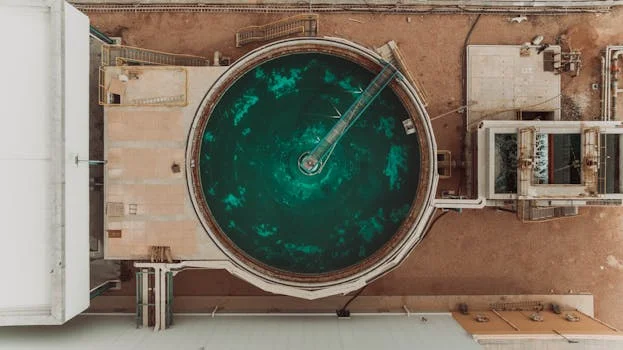
Accurate DAF system design for Kazakhstan’s industrial facilities necessitates precise calculations for hydraulic loading rate (HLR) and solids loading rate (SLR), tailored to specific effluent characteristics. These calculations ensure optimal performance, regulatory compliance, and cost-effectiveness, considering the diverse wastewater profiles across sectors like food processing, oil & gas, and mining.
The **Hydraulic Loading Rate (HLR)**, or surface loading rate, is a critical parameter defining the volumetric flow of wastewater per unit of DAF surface area. For Kazakhstan's industries, recommended HLRs vary significantly: 5–10 m/h for food processing (due to moderate FOG and TSS), 3–6 m/h for oil & gas (requiring longer contact times for high FOG and emulsified oils), and 8–12 m/h for municipal applications (per HydropureWater’s DAF specifications). A lower HLR provides more residence time for bubble-floc attachment and flotation, crucial for challenging effluents.
The **Solids Loading Rate (SLR)** quantifies the mass of suspended solids processed per unit of DAF surface area per hour. For Kazakhstan’s mining effluents, which often contain high TSS, an SLR of 2–5 kg/m²/h is typical. In contrast, food processing wastewater, with its lower but still significant TSS and FOG, usually requires an SLR of 1–3 kg/m²/h (citing leading DAF efficiency benchmarks for 90% removal). Balancing HLR and SLR ensures that both the volume of water and the mass of solids are effectively treated.
Another crucial design factor is **air dissolution pressure**. While 3–5 bar is standard for sea-level installations (e.g., Atyrau), higher pressures of 4–6 bar are often necessary for Kazakhstan’s high-altitude regions (e.g., Almaty at 850m). This adjustment compensates for lower atmospheric pressure, ensuring adequate air solubility and microbubble generation efficiency.
Example Calculation: Sizing a DAF system for a 100 m³/h oil & gas facility in Atyrau
Consider an oil & gas facility in Atyrau requiring treatment for 100 m³/h of produced water, with influent characteristics of 1,200 mg/L TSS and 300 mg/L oils, needing to meet Kazakhstani discharge limits of 30 mg/L TSS and 15 mg/L oils.
- Determine Target Removal Efficiencies:
- TSS Removal Required: (1200 - 30) / 1200 = 97.5%
- Oil Removal Required: (300 - 15) / 300 = 95.0%
- Select Hydraulic Loading Rate (HLR): For oil & gas, a range of 3–6 m/h is recommended. Let's choose HLR = 4 m/h for robust performance.
- Calculate Required DAF Surface Area (A): A = Flow Rate / HLR = 100 m³/h / 4 m/h = 25 m²
- Verify Solids Loading Rate (SLR): Total solids load = Flow Rate × Influent TSS = 100 m³/h × 1,200 mg/L × (1 kg / 1,000,000 mg) × (1000 L / 1 m³) = 120 kg/h SLR = Total Solids Load / Surface Area = 120 kg/h / 25 m² = 4.8 kg/m²/h This falls within the typical range for challenging effluents (2–5 kg/m²/h for high TSS), confirming the chosen HLR is appropriate.
- Determine Air Dissolution Pressure: For Atyrau (sea-level), 3–5 bar is suitable. Let's specify 4 bar to ensure ample air saturation.
- Specify Recycle Flow Rate: Typically 25–40% for oil & gas. Let's choose 30% for this example. Recycle Flow = 0.30 × 100 m³/h = 30 m³/h
- Final Specs for a 100 m³/h Oil & Gas DAF System in Atyrau:
- Required Surface Area: 25 m²
- Selected HLR: 4 m/h
- Calculated SLR: 4.8 kg/m²/h
- Air Saturation Pressure: 4 bar
- Recycle Flow Rate: 30 m³/h
These calculations provide a foundational basis for selecting a suitable DAF unit, which would then be refined based on pilot testing and specific site conditions to confirm optimal performance and compliance.
| Parameter | Food Processing | Oil & Gas | Mining & Metallurgy | Considerations for Kazakhstan |
|---|---|---|---|---|
| Hydraulic Loading Rate (HLR) | 5–10 m/h | 3–6 m/h | 4–8 m/h | Lower HLR for high FOG/emulsified oils; varies with influent quality. |
| Solids Loading Rate (SLR) | 1–3 kg/m²/h | 1.5–4 kg/m²/h | 2–5 kg/m²/h | Depends on influent TSS & FOG; higher for more challenging solids. |
| Air Dissolution Pressure | 3–5 bar | 4–6 bar | 3–5 bar | Adjust for altitude (e.g., higher for Almaty) and water temperature. |
| Recycle Ratio | 20–30% | 25–40% | 20–30% | Higher ratio for increased bubble generation, crucial for high FOG. |
| Chemical Dosing (Coagulant/Flocculant) | 5–50 mg/L | 10–100 mg/L | 5–60 mg/L | Optimized through jar tests; often higher for complex effluents. |
Cost Breakdown: DAF Systems in Kazakhstan (2025 Data)
The total capital expenditure (CAPEX) for DAF systems in Kazakhstan ranges from ₸50M to ₸300M (€100K–€600K) for systems treating 10–200 m³/h, including installation and commissioning (2025 market data). This range covers standard packaged units to larger, customized systems, reflecting the scale and complexity of industrial wastewater treatment needs across the country. Understanding this cost structure is vital for procurement teams budgeting for compliance and operational efficiency.
CAPEX typically includes the DAF unit itself, ancillary equipment (pumps, chemical dosing systems, air compressors), civil works for foundation and housing, piping, electrical connections, and commissioning services. For specialized applications, such as oil & gas wastewater treatment strategies in Central Asia, corrosion-resistant materials or advanced automation can push costs towards the higher end of the spectrum.
Operational expenditure (OPEX) is another critical component of the total cost of ownership. For a typical 50 m³/h DAF system in Kazakhstan, monthly OPEX can range from ₸2,000–₸10,000. This breaks down primarily into:
- Electricity: ₸1,500–₸5,000/month, covering pumps, compressors, and skimmers. Energy consumption is a significant factor, especially with fluctuating electricity tariffs.
- Chemicals: ₸500–₸2,000/month, for coagulants and flocculants. The exact cost depends on influent quality and the specific chemicals required to achieve optimal treatment.
- Maintenance: ₸200–₸1,000/month, for routine checks, spare parts (e.g., pump seals, pressure gauges), and periodic servicing.
A strong Return on Investment (ROI) often justifies the initial CAPEX. For instance, a 50 m³/h DAF system installed in Kazakhstan’s food processing sector can achieve payback within 18–24 months. This rapid ROI is driven by significant avoided fines (estimated at ₸12M/year based on prior non-compliance penalties) and potential water reuse savings (up to ₸8M/year from reduced fresh water intake and discharge fees). Facilities can recover treated water for non-potable uses, reducing reliance on expensive municipal water supplies.
Several local cost drivers influence DAF system pricing in Kazakhstan:
- Import Duties: Systems sourced from EU/US manufacturers typically incur 12% import duties, increasing the landed cost.
- Logistics: Transport to remote regions like Mangystau can add a 20% premium due to complex logistics and infrastructure challenges.
- Labor: While local technician wages (₸15,000–₸30,000 per day for skilled labor) are generally competitive, specialized installation and commissioning require experienced personnel.
Considering these factors, a comprehensive cost analysis is essential when evaluating DAF solutions. For comparison with alternative advanced treatment technologies for Kazakhstan’s industries, a DAF system often presents a more cost-effective primary treatment solution, especially for high TSS and FOG loads.
| Cost Category | Typical Range (₸) | Typical Range (€) | Notes/Influencing Factors |
|---|---|---|---|
| Capital Expenditure (CAPEX) | |||
| DAF Unit (10-50 m³/h) | ₸30M–₸80M | €60K–€160K | Basic packaged unit, standard materials. |
| DAF Unit (50-200 m³/h) | ₸80M–₸200M | €160K–€400K | Larger capacity, more complex design, automation. |
| Ancillary Equipment (Pumps, Dosing) | ₸5M–₸30M | €10K–€60K | Chemical storage, controls, air compressors. |
| Installation & Commissioning | ₸10M–₸70M | €20K–€140K | Civil works, piping, electrical, labor, startup. |
| Total CAPEX (10-200 m³/h) | ₸50M–₸300M | €100K–€600K | Includes all direct costs, excluding local taxes/duties. |
| Operational Expenditure (OPEX) - Monthly for 50 m³/h System | |||
| Electricity | ₸1,500–₸5,000 | €3–€10 | Pumps, compressor, skimmer. Varies with local tariffs. |
| Chemicals (Coagulants/Flocculants) | ₸500–₸2,000 | €1–€4 | Varies with influent quality and chemical costs. |
| Maintenance & Spares | ₸200–₸1,000 | €0.4–€2 | Routine checks, wear parts. |
| Total OPEX (Monthly) | ₸2,000–₸10,000 | €4–€20 | Excludes sludge disposal costs. |
Choosing a DAF Supplier for Kazakhstan: 2025 Decision Framework
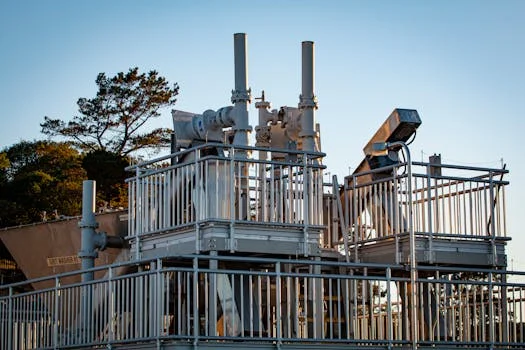
Selecting a DAF system supplier in Kazakhstan requires a multi-faceted evaluation, prioritizing compliance verification, local support infrastructure, and customization capabilities specific to the country’s industrial demands. A structured decision framework helps industrial engineers and procurement leads make informed choices that ensure long-term operational success and regulatory adherence.
Step 1: Verify Compliance with Kazakhstan’s Environmental Code and SanPiN Standards. The first and most critical step is to ensure the proposed DAF system can consistently meet Kazakhstan's strict discharge limits (TSS ≤30 mg/L, oils ≤15 mg/L, COD ≤120 mg/L). Request detailed test reports from local installations or independent third-party verification bodies. A reputable supplier should readily provide evidence of their systems performing within these parameters under actual Kazakhstani operating conditions.
Step 2: Assess Local Support and Service Infrastructure. Industrial operations in Kazakhstan often require prompt technical assistance. Does the supplier have established service centers or a robust partner network in key industrial hubs like Almaty, Atyrau, or Nur-Sultan? Availability of local spare parts, rapid-response technicians, and on-site troubleshooting capabilities are crucial for minimizing downtime. HydropureWater, for example, maintains a partner network in all three cities, ensuring timely support.
Step 3: Evaluate Customization for Kazakhstan’s Industries and Climate. Industrial effluents in Kazakhstan vary widely. For oil & gas facilities, the DAF system must incorporate corrosion-resistant materials (e.g., 316L stainless steel) to withstand high salinity and aggressive chemicals. For all sectors, cold-weather operation capabilities (e.g., insulated tanks, heated air dissolution systems, Arctic-grade coatings for temperatures down to -30°C) are paramount to prevent freezing and maintain efficiency during severe winters. Discuss specific effluent characteristics and climatic challenges with potential suppliers to ensure their system can be tailored.
Step 4: Compare Total Cost of Ownership (TCO). Beyond the initial capital expenditure (CAPEX), consider the long-term operational expenditure (OPEX) over a 5-year period. Use the cost data from the previous section (CAPEX: ₸50M–₸300M; monthly OPEX: ₸2,000–₸10,000 for 50 m³/h systems) to calculate a comprehensive TCO. Factors like energy efficiency, chemical consumption, and maintenance requirements directly impact OPEX and, consequently, the overall cost-effectiveness of the investment.
Step 5: Request References and Local Case Studies from Kazakhstan. Ask for 2–3 references from facilities in Kazakhstan that have installed the supplier's DAF systems. Crucially, request performance data, such as actual TSS and oil removal efficiencies, chemical consumption rates, and documented downtime statistics. Speaking directly with local operators can provide invaluable insights into a supplier's reliability, equipment performance, and post-sales support quality.
Frequently Asked Questions
Frequently asked questions regarding DAF systems for industrial wastewater treatment in Kazakhstan often center on fundamental definitions, performance metrics, regulatory compliance, and local cost implications.
What is the full form of DAF system?
DAF stands for Dissolved Air Flotation. It is a solid-liquid separation process used in wastewater treatment where microscopic air bubbles are introduced into the water, attaching to suspended solids, oils, and grease, causing them to float to the surface for removal.
What is the efficiency of DAF COD removal?
DAF systems are highly efficient in reducing Chemical Oxygen Demand (COD), typically achieving 92–97% removal for industrial effluents with influent COD ranging from 500–2,000 mg/L (per EPA 2024 benchmarks, confirmed in leading industry research). The exact efficiency depends on influent characteristics and chemical pre-treatment.
What are Kazakhstan’s discharge limits for DAF-treated wastewater?
For industrial effluents, Kazakhstan’s discharge limits are stringent: TSS ≤30 mg/L, oils ≤15 mg/L, and COD ≤120 mg/L, as stipulated by SanPiN 2.1.5.980-00 and the Environmental Code Article 123. DAF systems are designed as primary treatment to meet or significantly reduce these parameters prior to further treatment if needed.
How much does a DAF system cost in Kazakhstan?
The capital expenditure (CAPEX) for a DAF system in Kazakhstan typically ranges from ₸50M–₸300M (€100K–€600K) for systems treating 10–200 m³/h. This includes the DAF unit, ancillary equipment, installation, and commissioning, based on 2025 market data. Operational costs (OPEX) for a 50 m³/h system are generally ₸2,000–₸10,000 per month.
Can DAF systems handle Kazakhstan’s cold climate?
Yes, DAF systems can be engineered for Kazakhstan’s cold climate. This often involves specific design considerations such as insulated tanks, heated air dissolution systems, and the use of Arctic-grade coatings for components exposed to temperatures below -20°C (e.g., HydropureWater). These features prevent freezing and maintain operational efficiency during harsh winters.