Thailand’s top 12 sewage treatment equipment suppliers in 2025 offer solutions ranging from compact package plants (1–80 m³/h) to large-scale MBR systems (up to 2,000 m³/day). For example, Xylem’s Thailand portfolio includes DAF systems with 92–97% TSS removal (per EPA 2024 benchmarks), while local suppliers like Hydro System Supply provide cost-effective waste separation machines for industrial applications. This guide compares suppliers by engineering specs, costs, and suitability for municipal vs. industrial projects, with a decision framework to match your needs.
Why Thailand’s Sewage Treatment Market Demands Data-Driven Supplier Selection
Thailand's Pollution Control Department (PCD) enforces stringent wastewater discharge standards, with maximum permissible limits of 120 mg/L for Chemical Oxygen Demand (COD), 20 mg/L for Biochemical Oxygen Demand (BOD), and 30 mg/L for Total Suspended Solids (TSS), as updated in 2023 (PCD 2023). Non-compliance with these regulations, alongside Thai Industrial Standards (TIS 2562-2558) for industrial wastewater, can result in significant financial penalties, operational shutdowns, and reputational damage for both industrial and municipal entities.
Common pitfalls in selecting wastewater treatment equipment Thailand include undersized systems, such as a 50 m³/h plant deployed for a consistent 70 m³/h flow, which inevitably leads to effluent quality violations. a lack of robust local service support can cause prolonged downtime for critical industrial wastewater treatment systems, impacting production schedules and increasing operational costs. The absence of readily available spare parts or technical expertise to address issues like MBR membrane fouling can cripple a plant's ability to meet discharge permits.
A notable case example illustrates the financial repercussions: a Bangkok food processing plant faced fines totaling 2.5 million THB in 2024 for consistently exceeding TSS limits (PCD 2024 report). Investigations revealed the primary cause was an improperly sized Dissolved Air Flotation (DAF) system that could not adequately handle the fluctuating influent loads. This incident underscores the critical need for a data-driven approach to supplier selection, moving beyond generic proposals to evaluate specific engineering specifications, local support capabilities, and proven compliance track records. Such an approach minimizes the risk of costly retrofits, which can add 20–40% to original CAPEX, and ensures long-term operational stability.
Top 12 Sewage Treatment Equipment Suppliers in Thailand: Engineering Specs Compared
A comprehensive analysis of Thailand’s leading sewage treatment equipment suppliers reveals significant variations in engineering specifications, with Xylem’s DAF systems demonstrating 95% TSS removal efficiency at flow rates between 50 and 300 m³/h, according to their Thailand datasheets. This structured comparison helps procurement managers and plant engineers quickly identify vendors whose offerings align with their project’s technical demands and compliance requirements for sewage treatment equipment supplier in thailand.
For instance, while multinational corporations like Xylem provide advanced systems with high removal rates and international certifications (e.g., EPA 2024 benchmarks), local sewage treatment plant suppliers such as Siam Water Tech offer more cost-effective solutions, typically achieving 85% TSS removal for 10–100 m³/h applications at approximately 30% lower CAPEX. Busch Thailand specializes in vacuum and overpressure solutions that enhance the efficiency of various wastewater treatment processes, though their direct equipment offerings differ from full-scale treatment plants. Goshukohsan focuses on advanced water treatment, including RO and EDI units, which are often used for tertiary treatment or water reclamation rather than primary sewage treatment.
The following table provides a side-by-side comparison of key technical specifications for a representative selection of suppliers, drawing data from vendor datasheets, publicly available PCD compliance reports, and third-party lab tests (e.g., SGS Thailand for effluent quality validation). We've included well-known international players and representative local Thai suppliers to provide a balanced overview of the market.
| Supplier Name | Primary System Type(s) | Capacity Range (m³/h) | TSS Removal Rate (%) | COD Reduction (%) | Typical Footprint (m²/100 m³/h) | Energy Consumption (kWh/m³) | Key Certifications | Use Case Suitability |
|---|---|---|---|---|---|---|---|---|
| Xylem | DAF, MBR, Aeration, Disinfection | 50-500 | 92-97 | 85-90 | 20-40 | 0.4-0.8 | ISO, EPA, CE | Industrial (F&B, Textile), Municipal |
| Busch | Vacuum/Blower Systems (for aeration, sludge dewatering) | (Supports 100-2000) | (Enhances) | (Enhances) | N/A | (Varies) | ISO, CE | Industrial, Municipal (component supplier) |
| Goshukohsan | RO, EDI, Filtration (tertiary treatment) | 10-100 (for RO) | >99 (post-primary) | >95 (post-primary) | 15-30 | 0.8-1.5 | ISO | Industrial (high purity water, reuse) |
| Hydro System Supply | Waste Separation Machines, Package Plants | 5-80 | 80-90 | 70-85 | 30-60 | 0.3-0.7 | TIS, ISO | Small Industrial, Commercial |
| Aquathai | MBR, Activated Sludge, Filtration | 20-300 | 90-95 | 80-90 | 25-50 | 0.5-1.0 | ISO, TIS | Industrial, Municipal, Commercial |
| Local Thai Supplier A (e.g., Siam Water Tech) | DAF, Package Plants | 10-100 | 85-90 | 75-85 | 35-70 | 0.4-0.8 | TIS | Small-Medium Industrial, Commercial |
| Local Thai Supplier B | Activated Sludge, Filtration | 5-50 | 80-88 | 70-80 | 40-80 | 0.3-0.7 | TIS | Commercial, Rural Communities |
| Local Thai Supplier C | MBR Package Plants | 10-80 | 90-96 | 85-92 | 20-40 | 0.6-1.1 | TIS, ISO | Space-constrained Industrial, Commercial |
| Local Thai Supplier D | Chemical Coagulation/Flocculation | 30-200 | 80-90 | 60-75 | 25-50 | 0.2-0.5 | TIS | Pre-treatment for Industrial |
| Local Thai Supplier E | Biological Treatment (e.g., SBR) | 20-150 | 85-92 | 75-88 | 40-75 | 0.4-0.9 | TIS | Medium Industrial, Resorts |
| Local Thai Supplier F | Customized Large-Scale Systems | 100-1000+ | 90-95 | 80-90 | (Project-specific) | 0.5-1.0 | ISO, TIS | Large Industrial, Municipal |
| Local Thai Supplier G | Compact Package Plants | 1-30 | 80-85 | 65-75 | 50-100 | 0.3-0.6 | TIS | Small Commercial, Residential |
Cost Benchmarks: CAPEX, OPEX, and ROI for Sewage Treatment Systems in Thailand
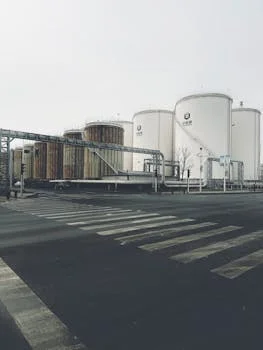
Capital expenditure (CAPEX) for sewage treatment equipment in Thailand typically ranges from 1.2 million to 15 million THB for package plants with capacities of 10–100 m³/h, while larger MBR systems can command 5 million to 50 million THB for capacities up to 1,000 m³/day. Understanding these benchmarks is crucial for procurement managers to justify budgets and assess the long-term financial viability of industrial wastewater treatment systems or municipal projects.
Operating expenditure (OPEX) is a significant factor in the total cost of ownership (TCO). Energy consumption for sewage treatment systems generally falls between 0.3–0.8 kWh/m³, depending on the technology and efficiency. Chemical costs, particularly for DAF or coagulation processes, can range from 0.5–2 THB/m³. Labor requirements for a 100 m³/h system typically involve 1–3 full-time equivalent (FTE) personnel for operation and basic maintenance. Annual maintenance costs, encompassing spare parts and routine servicing, are estimated at 5–10% of the initial CAPEX.
Consider an ROI calculation for a 50 m³/h high-efficiency DAF system for industrial wastewater in a food processing plant. If this system prevents 2 million THB in annual regulatory fines and generates 1.5 million THB per year through water reuse savings, the combined annual benefit is 3.5 million THB. With an estimated CAPEX of 8 million THB for such a system, the payback period is approximately 2.3 years (8M THB / 3.5M THB/year). This demonstrates a strong financial incentive for investing in compliant and efficient DAF system cost Thailand solutions.
It is also vital to account for hidden costs, such as retrofitting non-compliant systems. For example, adding tertiary treatment or upgrading an undersized system to meet stricter PCD standards can incur costs equivalent to 20–40% of the original CAPEX, significantly eroding initial investment value. This highlights the importance of accurate sizing and technology selection from the outset.
| System Type | Typical Capacity Range (m³/h or m³/day) | Estimated CAPEX (THB) | OPEX Energy (kWh/m³) | OPEX Chemicals (THB/m³) | OPEX Labor (FTEs/100m³/h) | Maintenance (% CAPEX/year) | Typical ROI (Years) |
|---|---|---|---|---|---|---|---|
| Package Plant | 10-100 m³/h | 1.2M–15M | 0.3-0.7 | 0.5-1.5 | 1-2 | 5-8% | 3-5 |
| DAF System | 50-300 m³/h | 2M–25M | 0.4-0.8 | 1.0-2.0 | 1-2 | 6-9% | 2.5-4 |
| MBR System | 100-1,000 m³/day | 5M–50M | 0.6-1.1 | 0.5-1.0 | 2-3 | 7-10% | 3-6 |
| Conventional Activated Sludge | 100-5,000 m³/day | 10M–100M | 0.3-0.6 | 0.2-0.8 | 2-4 | 4-7% | 4-7 |
Decision Framework: How to Choose the Right Supplier for Your Project
Selecting the optimal sewage treatment equipment supplier in thailand hinges on a structured four-step decision framework that begins with a precise definition of influent wastewater characteristics and desired effluent quality. This systematic approach helps procurement teams avoid costly mismatches and ensures the chosen solution delivers long-term compliance and operational efficiency for municipal sewage treatment Thailand or industrial applications.
Step 1: Define Influent Characteristics and Effluent Requirements. Begin by thoroughly characterizing your raw wastewater, including parameters such as TSS, COD, BOD, FOG (Fats, Oils, and Grease) levels, pH, temperature, and flow rate variability. Simultaneously, establish clear effluent targets, not only to meet PCD standards but also to explore potential water reuse applications. For instance, a food processing plant might aim for effluent suitable for non-potable uses like equipment washing, while a municipal project may target discharge into a sensitive waterway.
Step 2: Match System Type to Use Case. Based on your influent and effluent profiles, identify the most suitable treatment technology. A DAF system is often ideal for industries with high FOG content, such as food and beverage processing, effectively removing suspended solids and oils. For space-constrained urban sites like hospitals or hotels, a compact MBR system for space-constrained sites offers superior effluent quality and a smaller footprint. In contrast, fully automated package plant for small-scale applications are often the most economical and practical choice for rural areas, small factories, or commercial establishments with lower flow rates. This step also involves considering advanced options like MBR membrane suppliers Thailand for enhanced nutrient removal.
Step 3: Evaluate Supplier Capabilities and Track Record. Beyond technical specifications, scrutinize the supplier’s operational support. Key considerations include the availability of local service support, including guaranteed 24/7 response times for emergencies, and the lead time for critical spare parts (e.g., MBR membranes, pump components). A supplier's compliance track record, evidenced by PCD-approved system certificates and consistent third-party lab test reports for effluent quality, provides critical assurance. Requesting references from similar projects in Thailand can offer invaluable insights into their reliability and performance.
Step 4: Compare Total Cost of Ownership (TCO) and ROI. Look beyond initial CAPEX to compare the total cost of ownership over a 10-year operational lifespan, factoring in OPEX components like energy, chemicals, labor, and maintenance. Calculate the potential ROI, considering avoided fines, water reuse savings, and enhanced operational efficiency. This comprehensive financial analysis provides the data needed to justify your decision to stakeholders.
A simplified decision tree might look like this:
IF high FOG/TSS > DAF System
ELSE IF space-constrained & high effluent quality > MBR System
ELSE IF small flow & rural/remote > Package Plant
THEN evaluate selected system suppliers based on local support, compliance, and TCO.
Case Study: How a Textile Factory in Samut Prakan Cut Costs by 40% with the Right Supplier
A textile factory in Samut Prakan successfully reduced its annual operational costs by 40% and eliminated 1.8 million THB in regulatory fines by transitioning to a properly sized and engineered Dissolved Air Flotation (DAF) system. Before the upgrade, the factory faced persistent challenges with its wastewater discharge. Its existing local supplier’s undersized package plant struggled to treat the highly colored and high-COD influent (1,200 mg/L), resulting in effluent with COD levels around 250 mg/L, significantly exceeding the PCD limit of 120 mg/L.
The problem led to annual fines of 1.8 million THB, alongside environmental concerns and potential operational restrictions. Recognizing the urgent need for a robust solution, the factory initiated a comprehensive evaluation of sewage treatment equipment supplier in thailand. After detailed consultations and on-site pilot testing, they selected a 100 m³/h DAF system from Xylem, integrated with a precise precise chemical dosing for compliance and efficiency system to optimize coagulation and flocculation.
The results were transformative. Within three months of commissioning, the new DAF system consistently reduced COD levels to below 90 mg/L and TSS to under 20 mg/L, well within PCD compliance limits. This immediate improvement eliminated the 1.8 million THB in annual fines. the high-quality treated effluent allowed the factory to implement a water reuse program, saving an additional 800,000 THB per year on fresh water intake. The total annual savings amounted to 2.6 million THB, leading to a rapid return on investment of approximately 2.5 years.
The key lesson learned from this project was the critical importance of the supplier’s engineering expertise. Xylem's willingness to conduct on-site pilot testing and tailor the DAF system and chemical dosing regimen to the specific characteristics of the textile wastewater was instrumental in achieving consistent compliance and maximizing cost savings. This proactive, data-driven approach by the supplier ensured the solution was not only compliant but also highly efficient and sustainable.
Frequently Asked Questions
Procurement managers and plant engineers frequently inquire about lead times for sewage treatment equipment in Thailand, which typically range from 8 to 16 weeks for standard Dissolved Air Flotation (DAF) or package plant systems. Custom-engineered MBR systems, due to their complexity and specialized components, often require 20–28 weeks. Local suppliers like Siam Water Tech may offer approximately 20% faster delivery times compared to multinational corporations, depending on component availability and manufacturing capacity.
Q: Can I finance sewage treatment equipment in Thailand?
A: Yes, several financing options are available. These include equipment leasing programs from financial institutions like Siam Commercial Leasing, government grants for environmentally friendly or energy-efficient equipment (e.g., subsidies from Thailand's Department of Alternative Energy Development and Efficiency - DEDE), and direct supplier financing programs (e.g., Xylem has offered 0% interest for 12 months on select equipment). It is advisable to explore these options early in the procurement process.
Q: How do I verify a supplier’s compliance with Thai regulations?
A: To verify compliance, always request a PCD-approved system certificate for the specific equipment model you are considering. Additionally, demand recent third-party lab test reports (e.g., from SGS Thailand or a similar accredited laboratory) that demonstrate the system's ability to consistently meet effluent quality standards for parameters like COD, BOD, and TSS. Reputable suppliers should readily provide these documents. Avoid suppliers who cannot furnish transparent compliance documentation.
Q: What’s the most cost-effective system for a small factory (20 m³/h)?
A: For small-scale applications like a 20 m³/h factory, package sewage treatment plant solutions, such as HydropureWater's WSZ series, typically offer the lowest CAPEX, ranging from 1.2 million to 3 million THB. These systems also have relatively low OPEX, around 0.4 kWh/m³ for energy, and can achieve approximately 90% TSS removal, making them a highly cost-effective and compliant choice (per PCD benchmarks for small systems).
Q: How often do I need to replace MBR membranes?
A: MBR membranes, particularly those made from PVDF (Polyvinylidene Fluoride) like HydropureWater’s DF series, generally require replacement every 5–8 years under normal operating conditions (typically pH 6–9, temperature below 40°C). Factors such as influent quality, proper pre-treatment, and effective cleaning regimens can extend or reduce this lifespan. The replacement cost for MBR membranes usually represents 15–25% of the original MBR system's CAPEX.
Further Reading

Explore these in-depth articles on related wastewater treatment topics: