Jeddah’s Industrial Wastewater Regulations: 2025 Compliance Checklist
Jeddah’s industrial wastewater treatment landscape in 2025 demands compliance with Saudi Arabia’s SASO 2793:2020 and MEWA’s Industrial Effluent Standards, which mandate COD < 150 mg/L, BOD < 30 mg/L, and TSS < 50 mg/L for most sectors. With CAPEX ranging from SAR 5M–50M for 100–1,000 m³/day systems, factories must choose between dissolved air flotation (DAF), membrane bioreactors (MBR), or chemical dosing based on influent characteristics. This guide provides engineering specs, cost benchmarks, and a supplier checklist for Jeddah’s key industries.
The Ministry of Environment, Water and Agriculture (MEWA) has intensified its enforcement of industrial discharge limits, particularly for facilities operating within Jeddah’s 1st, 2nd, and 3rd Industrial Cities. Compliance is no longer voluntary; under the 2024 enforcement framework, non-compliant facilities face fines ranging from SAR 50,000 to SAR 500,000, with the potential for mandatory facility shutdowns (MEWA 2024 enforcement data). new industrial zones are increasingly required to align with NEOM’s Zero Liquid Discharge (ZLD) protocols, necessitating advanced recovery systems such as evaporation ponds and brine concentrators.
| Parameter | Sewer Discharge (MEWA) | Marine Outfall (SASO) | Oil & Gas Limit | Food & Beverage Limit |
|---|---|---|---|---|
| COD (mg/L) | < 500 | < 150 | < 150 | < 200 |
| BOD (mg/L) | < 300 | < 30 | < 25 | < 30 |
| TSS (mg/L) | < 350 | < 50 | < 30 | < 50 |
| Oil & Grease (mg/L) | < 100 | < 15 | < 10 | < 20 |
| Ammonia (as N) | < 10 | < 1.0 | < 5.0 | < 10 |
| pH Range | 6.0 – 9.0 | 6.5 – 8.5 | 6.5 – 8.5 | 6.0 – 9.0 |
Monitoring frequency is strictly regulated under SASO 2815:2021, requiring quarterly reporting for standard parameters and monthly sampling for heavy metals in chemical and textile sectors. For facilities looking to benchmark against regional neighbors, Ahmadi’s industrial wastewater treatment standards and engineering specs provide a useful comparison of Gulf-wide regulatory trends.
Industrial Wastewater Characteristics in Jeddah: Influent Data by Sector
Influent wastewater profiles in Jeddah vary significantly by industry, with chemical manufacturing and oil refineries producing the most complex waste streams. According to Saudi Aramco 2023 effluent data, refineries in the Western Province typically manage COD levels between 1,200 and 3,500 mg/L, with oil and grease concentrations peaking at 600 mg/L. These high hydrocarbon loads require multi-stage treatment, starting with robust primary separation to prevent fouling of downstream biological units.
In the food processing sector, which includes Jeddah’s dairy and beverage plants, the challenge shifts toward organic loading and Fats, Oils, and Grease (FOG). Jeddah Chamber of Commerce 2024 reports indicate BOD levels as high as 2,500 mg/L in dairy processing. Meanwhile, textile dyeing operations in Jeddah’s industrial zones face unique challenges with color removal and pH stability, often dealing with influent pH levels as high as 12 and COD reaching 4,000 mg/L (per SASO textile effluent guidelines).
| Industry Sector | Avg. COD (mg/L) | Avg. TSS (mg/L) | Key Contaminant | Sludge Yield (kg TSS/kg BOD) |
|---|---|---|---|---|
| Oil & Gas Refineries | 1,200 – 3,500 | 300 – 800 | Hydrocarbons/Phenols | 0.35 – 0.50 |
| Food Processing | 1,500 – 5,000 | 400 – 1,200 | FOG / Nitrogen | 0.40 – 0.60 |
| Textile Dyeing | 1,500 – 4,000 | 200 – 500 | Color / Surfactants | 0.30 – 0.45 |
| Chemical Mfg | 2,000 – 8,000 | 500 – 1,500 | Heavy Metals (Cr, Ni, Zn) | 0.60 – 0.80 |
Effective sludge management is critical in Jeddah due to high disposal costs. Typical sludge production rates range from 0.3 to 0.8 kg of Total Suspended Solids (TSS) per kg of BOD removed. Facilities must account for these yields when sizing dewatering equipment and calculating operational expenditure for waste transport and landfilling.
Treatment Technology Comparison: DAF vs MBR vs Chemical Dosing for Jeddah’s Industries
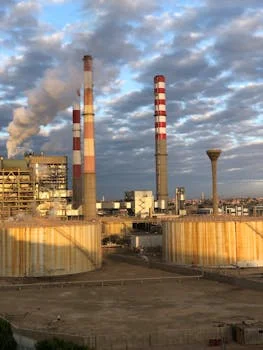
Selecting the appropriate treatment technology in Jeddah depends on the balance between effluent quality requirements, available footprint, and the specific nature of the influent contaminants. For high-FOG industries like food processing and oil refineries, a dissolved air flotation system for high-efficiency FOG and TSS removal is often the most cost-effective primary treatment. DAF systems achieve TSS removal rates of 90–98% and FOG removal of 95–99%, with a relatively short hydraulic retention time (HRT) of 20 to 60 minutes.
For facilities requiring high-quality effluent for landscape irrigation or process reuse, Membrane Bioreactors (MBR) offer superior performance. An integrated MBR system for near-reuse-quality effluent in space-constrained sites can achieve COD removal efficiencies of 95–99% and BOD removal up to 99.9%. While the CAPEX for MBR is higher—ranging from SAR 5M to SAR 25M for medium-scale plants—the footprint is 50–70% smaller than conventional activated sludge systems, making it ideal for urban industrial zones in Jeddah.
| Technology | COD Removal | TSS Removal | Footprint | Best Use Case |
|---|---|---|---|---|
| DAF | 60 – 80% | 90 – 98% | Medium | Food Processing / Oil & Gas |
| MBR (Integrated) | 95 – 99% | > 99% | Small | Water Reuse / Urban Sites |
| Chemical Dosing | 50 – 70% | 80 – 95% | Variable | Textiles / Pre-treatment |
Chemical dosing remains a staple for textile dyeing and chemical manufacturing where pH adjustment and coagulation are mandatory. Utilizing a PLC-controlled chemical dosing for precise coagulation and pH adjustment ensures that coagulants like Polyaluminum Chloride (PAC) and flocculants (PAM) are used efficiently, minimizing the 30–50% increase in sludge volume typically associated with manual dosing. For more on regional benchmarks, see Turkey’s DAF system requirements and cost benchmarks.
Engineering Specs for Jeddah’s Industrial Wastewater Treatment Systems
Engineering design parameters for Jeddah’s industrial plants must account for high ambient temperatures, which accelerate biological activity but can also impact membrane integrity and oxygen transfer rates. For biological systems, the Sludge Retention Time (SRT) typically ranges from 15 to 30 days for MBR systems, compared to 5 to 10 days for conventional activated sludge. This longer SRT allows for more stable operation and better nitrification, which is essential for meeting MEWA’s ammonia limits.
Membrane flux rates are a critical design spec for MBR applications. In Jeddah, PVDF flat-sheet membranes generally operate at 15–25 LMH (liters per square meter per hour), while hollow-fiber configurations may reach 20–30 LMH. High-rate DAF systems are designed with loading rates of 5–15 m³/m²/h, though specialized high-rate units can handle up to 20 m³/m²/h for specific refinery applications.
| Parameter | Unit | MBR Specification | DAF Specification |
|---|---|---|---|
| Hydraulic Retention Time (HRT) | Hours | 4 – 10 | 0.3 – 1.0 |
| Sludge Retention Time (SRT) | Days | 15 – 30 | N/A |
| Membrane Flux Rate | LMH | 15 – 25 | N/A |
| Surface Loading Rate | m³/m²/h | N/A | 5 – 15 |
| Energy Consumption | kWh/m³ | 0.5 – 1.5 | 0.2 – 0.5 |
| Chemical Consumption (PAC) | mg/L | Optional | 50 – 200 |
Energy efficiency is a growing priority under the Saudi Energy Efficiency Center (SEEC) 2024 guidelines. MBR systems in the region typically consume between 0.5 and 1.5 kWh per cubic meter of treated water, depending on the aeration requirements and permeate pump efficiency. DAF systems are considerably less energy-intensive, averaging 0.2 to 0.5 kWh/m³, but they do not provide the same level of dissolved organic removal as biological processes.
Cost Breakdown: Industrial Wastewater Treatment Plants in Jeddah (2025 Data)
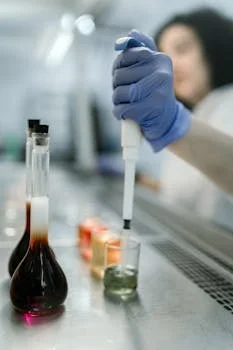
Capital expenditure (CAPEX) for industrial wastewater treatment plants in Jeddah’s 1st and 2nd Industrial Cities currently ranges from SAR 5 million to SAR 50 million for systems processing 100 to 1,000 cubic meters per day. These costs are influenced by the complexity of the influent and the required level of automation. For example, the recently announced $267 million deal for the Jeddah Industrial City WWTP serves as a high-end benchmark for large-scale, multi-user infrastructure, but individual factory systems are typically scaled to the SAR 5M–15M range for standard compliance.
Operational expenditure (OPEX) is dominated by energy and chemical costs. According to MEWA 2024 cost studies, energy accounts for 30–50% of OPEX in MBR plants, while chemicals represent 20–30% in DAF and chemical precipitation systems. For MBR users, membrane replacement is a significant long-term cost, with high-quality membranes costing SAR 500–1,500 per square meter, typically requiring replacement every 5 to 8 years (HydropureWater field data, 2025).
| Cost Component | MBR Plant (SAR) | DAF Plant (SAR) | Chemical Plant (SAR) |
|---|---|---|---|
| CAPEX (per 500 m³/day) | 8M – 18M | 3M – 7M | 1.5M – 4M |
| Energy Cost (SAR/m³) | 0.80 – 1.50 | 0.30 – 0.60 | 0.20 – 0.40 |
| Chemical Cost (SAR/m³) | 0.10 – 0.30 | 0.50 – 1.20 | 1.00 – 2.50 |
| Maintenance (Annual % CAPEX) | 2 – 4% | 3 – 5% | 4 – 6% |
The Return on Investment (ROI) for wastewater treatment in Jeddah is increasingly driven by water reuse. With desalinated water costs rising, facilities that recycle treated effluent for cooling towers or irrigation can see an ROI within 3 to 7 years. Additionally, the Saudi Green Initiative 2024 offers a 30% CAPEX subsidy for water reuse systems, significantly shortening the payback period for sustainability-focused projects. For comparison with other regional markets, see Basra’s industrial effluent compliance and treatment technology comparison.
Supplier Checklist: Evaluating Industrial Wastewater Treatment Vendors in Jeddah
Procurement teams in Jeddah must move beyond initial price tags to evaluate the total cost of ownership and technical reliability. A critical technical criterion is the vendor’s ability to guarantee removal efficiencies for sector-specific contaminants like emulsified oils or heavy metals. Suppliers should provide detailed mass balance calculations and energy consumption profiles backed by local pilot data. the ability to integrate with existing SCADA systems is essential for 2025-era industrial automation.
Compliance certification is non-negotiable. Any vendor operating in the Jeddah market must demonstrate SASO 2793:2020 certification and MEWA approval. For new developments in the expansion zones, compatibility with Zero Liquid Discharge (ZLD) requirements is a significant advantage. Local support is the final pillar of the evaluation; facility managers should prioritize vendors with a service response time of less than 4 hours for critical failures and a robust spare parts inventory located within the Kingdom.
| Evaluation Category | Critical Requirement | Benchmark / Standard |
|---|---|---|
| Technical Performance | Guaranteed COD/TSS removal | > 95% for MBR / > 90% for DAF |
| Regulatory Compliance | SASO & MEWA Certification | SASO 2793:2020 / SASO 2815:2021 |
| Local Support | Jeddah-based technicians | < 4-hour emergency response |
| Cost Transparency | Itemized OPEX breakdown | Energy, Chemical, and Sludge costs |
| Sustainability | Water Reuse Potential | Suitability for cooling/irrigation |
When requesting proposals, demand at least three references from similar industrial applications within Saudi Arabia. Case studies should include measured influent vs. effluent data and actual chemical consumption rates. This data-driven approach ensures that the selected system can handle Jeddah’s specific environmental conditions and stringent discharge mandates.
Frequently Asked Questions
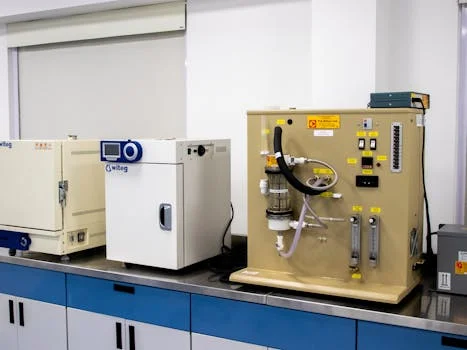
What are the current MEWA discharge limits for industrial zones in Jeddah?
As of 2025, most industrial facilities must meet COD < 150 mg/L, BOD < 30 mg/L, and TSS < 50 mg/L for marine discharge. Discharge to public sewers allows for higher limits (COD < 500 mg/L), but often incurs higher volumetric fees.
How does high ambient temperature in Jeddah affect MBR systems?
High temperatures increase biological reaction rates but reduce oxygen solubility. Engineering specs must include oversized aeration systems and heat-tolerant membrane materials to maintain flux rates during summer peaks.
Are there subsidies for installing wastewater reuse systems in Saudi Arabia?
Yes, under the Saudi Green Initiative and local industrial development funds, facilities can apply for up to a 30% CAPEX subsidy for systems that achieve high rates of water recovery and reuse.
What is the typical lifespan of MBR membranes in Jeddah?
With proper pre-treatment and automated cleaning (CIP), high-quality PVDF membranes typically last 5 to 8 years before requiring replacement due to irreversible fouling or structural wear.
Is Zero Liquid Discharge (ZLD) mandatory for all factories in Jeddah?
Currently, ZLD is primarily required for new industrial developments and specific high-pollution sectors. However, many facilities are adopting ZLD voluntarily to hedge against rising water costs and future regulatory shifts.