Why Milwaukee Hospitals Need Specialized Wastewater Treatment
The Milwaukee Metropolitan Sewerage District (MMSD) deep tunnel system, despite its 521-million-gallon capacity, still experiences 8 to 12 combined sewer overflow (CSO) events annually, placing increased pressure on healthcare facilities to treat high-pathogen effluent at the source. During these CSO events, untreated or partially treated sewage can bypass the Jones Island or South Shore reclamation facilities, meaning hospital-derived pathogens and pharmaceuticals may enter Lake Michigan directly. Consequently, the Wisconsin Department of Natural Resources (DNR) has intensified its oversight of point-source discharges from medical facilities.
Wisconsin DNR’s 2025 effluent limits for hospitals require fecal coliform levels to remain below 200 CFU/100mL and chlorine residual to stay under 1 mg/L. emerging standards under NR 140 and NR 210 are beginning to address pharmaceutical residuals, with targeted limits as low as 0.1 mg/L for specific compounds. This regulatory environment is mirrored by MMSD’s pretreatment requirements, which mandate that hospitals reduce Biological Oxygen Demand (BOD) to less than 250 mg/L before discharging into the municipal sewer system. MMSD’s 2024 research facility findings confirmed that standard municipal treatment is often insufficient for the high-concentration antimicrobial and pharmaceutical loads found in hospital-specific streams.
The financial and operational risks of non-compliance are substantial. In 2023, a 300-bed hospital in the Milwaukee metro area was fined $85,000 for consistently exceeding chlorine residual limits and failing to meet pH stabilization requirements. Beyond the immediate fine, the facility faced mandatory daily sampling costs and a public-facing compliance audit that damaged its community reputation. Investing in a compact hospital wastewater treatment system with ozone disinfection or similar advanced technology is no longer an optional upgrade but a core requirement for risk mitigation in Milwaukee’s tightening regulatory climate.
Milwaukee’s Regulatory Landscape: Wisconsin DNR, MMSD, and EPA Standards
Wisconsin DNR NR 140 and NR 210 establish the primary groundwater and effluent standards that Milwaukee hospitals must navigate, specifically targeting pathogens, nutrients, and toxic substances. These state-level rules are often more stringent than federal baselines, particularly regarding the disinfection of wastewater that could impact the Great Lakes basin. Hospitals must balance the need for high-level disinfection with the strict 1 mg/L limit on residual chlorine, a task that often requires advanced dechlorination or alternative disinfectants like chlorine dioxide.
MMSD local ordinances provide the immediate enforcement framework for hospital discharges. Under 2025 guidelines, hospitals are classified as significant industrial users (SIUs) if they meet certain volume thresholds or discharge specific pollutants of concern. MMSD requires quarterly reporting for BOD, Total Suspended Solids (TSS), and pH levels. Data from MMSD’s 2024 research facility indicates that hospitals failing to meet the 250 mg/L BOD pretreatment threshold face escalating surcharges that can exceed $0.40 per cubic meter of wastewater.
Federal EPA guidelines, specifically 40 CFR Part 439 (Pharmaceutical Manufacturing Effluent Guidelines), also apply to hospital pharmacies and laboratories. These rules prohibit the discharge of certain hazardous drugs and require hospitals to implement best management practices (BMPs) for pharmaceutical waste. The intersection of these three regulatory bodies creates a complex compliance matrix for Milwaukee facilities.
| Parameter | Regulatory Body | 2025 Limit/Standard | Monitoring Frequency |
|---|---|---|---|
| Fecal Coliform | Wisconsin DNR | <200 CFU/100mL | Monthly |
| Chlorine Residual | Wisconsin DNR | <1.0 mg/L | Daily (if used) |
| BOD (Pretreatment) | MMSD | <250 mg/L | Quarterly |
| TSS (Pretreatment) | MMSD | <250 mg/L | Quarterly |
| Pharmaceuticals | EPA / NR 140 | <0.1 mg/L (Target) | Annual / As Permitted |
| pH | MMSD | 5.0 – 11.0 Standard Units | Continuous/Daily |
Engineering Specs for Hospital Wastewater Treatment in Milwaukee
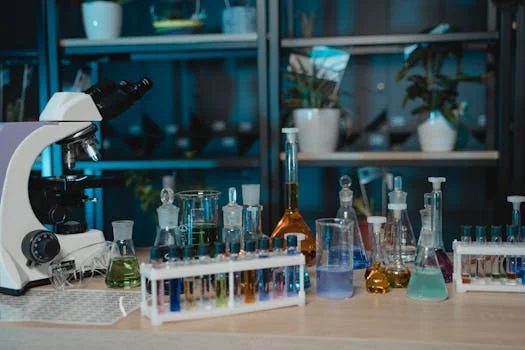
Hospital wastewater in the Milwaukee area typically exhibits biological oxygen demand (BOD) levels between 200 and 600 mg/L and total suspended solids (TSS) ranging from 300 to 800 mg/L, according to 2024 MMSD research facility data. These levels are significantly higher than standard domestic sewage, primarily due to high volumes of organic waste from cafeterias, laundry services, and patient care areas. the presence of multi-drug resistant organisms (MDROs) necessitates a log-4 (99.99%) reduction in pathogen concentrations before discharge.
To meet Wisconsin DNR NR 140 targets, engineering teams must focus on high-efficiency disinfection and pharmaceutical degradation. While traditional chlorine gas or bleach was once standard, the resulting disinfection byproducts (DBPs) and high residual levels often violate Milwaukee’s strict <1 mg/L chlorine limit. An on-site chlorine dioxide generator for hospital effluent disinfection offers a superior alternative, as chlorine dioxide (ClO₂) achieves a 4-log reduction at concentrations as low as 1.5 mg/L without forming the same level of harmful trihalomethanes (THMs) associated with chlorine bleach.
Pretreatment is essential to prevent MMSD surcharges. A DAF system for hospital wastewater pretreatment can remove up to 95% of TSS and significant portions of insoluble BOD, ensuring the hospital stays well below the 250 mg/L municipal limit. For facilities with even tighter effluent requirements or those considering water reuse, an MBR system for hospital wastewater with 99% pathogen removal provides the highest quality effluent, often reaching BOD levels of <10 mg/L.
| Engineering Parameter | Typical Influent (Milwaukee) | Required Effluent (DNR/MMSD) | Recommended Technology |
|---|---|---|---|
| BOD5 | 200–600 mg/L | <10 mg/L (Direct) / <250 mg/L (Sewer) | MBR or DAF |
| TSS | 300–800 mg/L | <10 mg/L | MBR or DAF |
| Fecal Coliform | 10^3–10^5 CFU/100mL | <200 CFU/100mL | ClO₂ or Ozone |
| Ammonia-N | 25–50 mg/L | <1.0 mg/L (Seasonal) | Nitrifying MBR |
| Chlorine Residual | N/A | <1.0 mg/L | Dechlorination or ClO₂ |
Equipment Comparison: MBR, DAF, and Chlorine Dioxide Systems for Milwaukee Hospitals
Selecting the appropriate equipment depends on the hospital’s specific discharge permit and space constraints. Membrane Bioreactor (MBR) systems are increasingly favored in urban Milwaukee settings where real estate is at a premium. By combining biological treatment with ultrafiltration membranes, MBRs eliminate the need for secondary clarifiers, reducing the system footprint by up to 60%. While the capital expenditure (CAPEX) is higher—ranging from $250,000 to $450,000 for a 200 m³/day system—the effluent quality is sufficient for non-potable reuse applications, such as cooling tower make-up or landscape irrigation.
Dissolved Air Flotation (DAF) systems serve as a robust pretreatment option, particularly for hospitals with large commercial kitchens or laundry facilities that contribute high fats, oils, and grease (FOG) and TSS. A DAF system typically costs between $80,000 and $200,000. It is highly effective at reducing the organic load before the wastewater reaches the municipal sewer, thereby avoiding the heavy surcharges MMSD imposes on high-strength waste. However, DAF alone does not provide the pathogen inactivation required for direct discharge, necessitating a secondary disinfection step.
Chlorine dioxide generators are the most cost-effective solution for targeted disinfection. Unlike UV systems, which can be fouled by the high turbidity often found in hospital effluent, ClO₂ remains effective in murky water and provides a stable residual that prevents biofilm regrowth in discharge pipes. MMSD’s 2024 research suggests that ClO₂ generators can achieve 92%+ pathogen reduction with lower operational costs ($0.05–$0.10/m³) compared to ozone or high-intensity UV. For a detailed comparison, facility managers can look at Pittsburgh’s hospital wastewater treatment requirements and equipment options to see how similar Midwestern climate challenges are addressed with these technologies.
| Feature | MBR System | DAF System | ClO₂ Generator |
|---|---|---|---|
| Primary Function | Biological & Filtration | Pretreatment (TSS/FOG) | Disinfection |
| Pathogen Removal | 99.9% (Log 3) | 20–40% | 99.99% (Log 4) |
| Footprint | Very Compact | Moderate | Minimal |
| CAPEX (300-bed) | $250K – $450K | $80K – $200K | $40K – $90K |
| OPEX | Moderate ($0.20/m³) | Low ($0.10/m³) | Very Low ($0.05/m³) |
Cost Breakdown and ROI for Hospital Wastewater Systems in Milwaukee
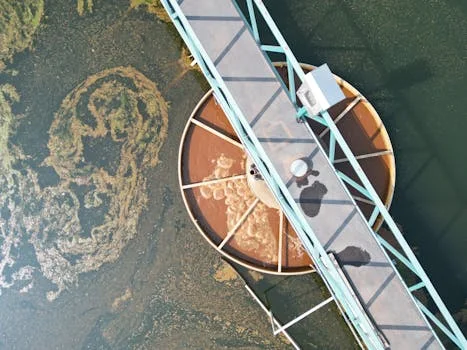
The total cost of ownership for a hospital wastewater system in Milwaukee is influenced by CAPEX, chemical consumables, energy consumption, and the avoidance of municipal penalties. A typical 300-bed facility requiring a combination of DAF pretreatment and chlorine dioxide disinfection can expect an initial investment of approximately $120,000 to $290,000. Facilities opting for full MBR integration to meet direct discharge standards or for water reuse may see costs up to $450,000. When evaluating these costs, it is useful to consider how Virginia’s hospital wastewater regulations compare to Milwaukee’s, as the ROI structures are often similar regarding fine avoidance.
Operational expenses (OPEX) in Milwaukee are driven by local utility rates and chemical costs. MBR systems carry higher energy costs due to membrane scouring air requirements, averaging $0.20–$0.50 per cubic meter. In contrast, a DAF and ClO₂ setup is more energy-efficient, with OPEX ranging from $0.10–$0.30 per cubic meter. However, the ROI for MBR is often realized through the elimination of MMSD surcharges and the potential for water reuse, which can save $0.50–$1.00 per cubic meter compared to purchasing municipal water.
A 2024 case study from an MMSD-partnered research facility highlighted a Milwaukee hospital that saved $180,000 annually by transitioning from traditional chlorine-based disinfection to an automated chlorine dioxide system. The savings were generated by a 40% reduction in chemical volume, the elimination of dechlorination chemicals, and the total avoidance of BOD surcharges through optimized pretreatment. Additionally, the risk of a single $50,000+ DNR violation can often justify the CAPEX of an upgrade within a single fiscal year.
| Cost Category | Estimated Annual Cost (Standard) | Estimated Annual Cost (Optimized) | Annual Savings Potential |
|---|---|---|---|
| MMSD Surcharges | $110,000 | $15,000 | $95,000 |
| Chemical Consumables | $45,000 | $22,000 | $23,000 |
| Labor & Maintenance | $30,000 | $20,000 | $10,000 |
| Fine Mitigation (Avg) | $50,000 | $0 | $50,000 |
| Total | $235,000 | $57,000 | $178,000 |
Compliance Checklist for Milwaukee Hospitals in 2025
To ensure continuous compliance with Wisconsin DNR and MMSD regulations, Milwaukee healthcare facilities should implement the following checklist:
- Monthly Sampling: Conduct laboratory analysis for fecal coliform (limit <200 CFU/100mL) and Phosphorus (NR 217 compliance).
- Daily Monitoring: Record chlorine residual levels (limit <1.0 mg/L) and effluent pH (range 5.0–11.0).
- Quarterly Reporting: Submit BOD and TSS data to MMSD to verify pretreatment effectiveness and calculate surcharges.
- Pharmaceutical Audit: Perform an annual screen for the 12 priority drugs identified in 40 CFR Part 439 and NR 140.
- Equipment Calibration: Calibrate flow meters and pH probes monthly; perform membrane integrity tests for MBR systems weekly.
- Maintenance Logs: Document DAF skimmer maintenance and ClO₂ generator precursor refills to satisfy DNR inspectors during unannounced audits.
- Reuse Evaluation: For facilities using RO, consult the guide on when to use RO systems for hospital wastewater reuse to ensure compliance with reclaimed water standards.
Frequently Asked Questions
How does Milwaukee’s Deep Tunnel impact my hospital’s discharge permit?
MMSD’s deep tunnel system is designed to prevent CSOs, but when it nears capacity during heavy rain, the district may enforce stricter temporary discharge limits on large institutions. Hospitals must have the ability to buffer or treat their wastewater to higher standards during these events to prevent contributing to environmental degradation during overflows.
Is chlorine dioxide safer than traditional chlorine for hospital staff?
Yes, modern chlorine dioxide generators produce the disinfectant on-site and in-situ, eliminating the need to store large quantities of hazardous chlorine gas or high-concentration bleach. ClO₂ is also less corrosive to hospital plumbing systems at the required dosages, reducing long-term infrastructure maintenance costs (HydropureWater field data, 2025).
Can MBR systems remove pharmaceutical residues effectively?
MBR systems provide superior pharmaceutical removal compared to conventional systems because the high sludge age (SRT) allows for the development of specialized bacteria that can degrade complex organic compounds. When paired with an advanced oxidation process (AOP) or ClO₂, MBRs can achieve the <0.1 mg/L targets suggested by 2025 DNR guidelines.
What are the typical surcharges for exceeding MMSD BOD limits?
MMSD surcharges are calculated based on the poundage of pollutants exceeding the 250 mg/L threshold. In 2025, these surcharges typically range from $0.15 to $0.40 per cubic meter. For a large hospital, these fees can quickly exceed $100,000 annually, making the ROI for a DAF pretreatment system very attractive.