An automatic dosing pump manufacturer supplies pre-engineered, PLC-controlled metering skids accurate to ±0.5-1 % and turndown ratios 1000:1, with wetted parts in PP, PVDF or 316 SS for chemical compatibility. CAPEX ranges $1,300 – 5,200 per pump skid; energy-efficient solenoid or mechanically actuated diaphragm models cut annual power use to 8-18 W·h per m³ dosed.
What separates an automatic dosing pump from a standard metering pump?
Automatic dosing systems utilize integrated stroke control and 4-20 mA feedback loops to achieve steady-state accuracy levels that manual metering pumps cannot maintain under varying line pressures.
Automatic dosing systems differ from standard metering pumps in their ability to dynamically adjust to changes in process conditions. While a standard metering pump relies on a manual micrometer dial to adjust displacement, an automatic unit incorporates a variable frequency drive (VFD) or a stepper motor controlled by an external signal. This allows the system to respond dynamically to changes in process flow or pH levels without operator intervention.
The primary technical differentiator is the control resolution. When evaluating an automatic dosing pump manufacturer, engineers must distinguish between simple stroke-frequency control and true stroke-length modulation. Solenoid-driven pumps offer the highest turndown ratios, often reaching 1000:1, making them ideal for low-volume applications where precision is paramount. In contrast, motor-driven diaphragm pumps provide superior mechanical longevity for high-volume industrial flows but typically operate at a 100:1 turndown ratio.
Accuracy also varies significantly across pump architectures. Solenoid models generally maintain ±1 % steady-state accuracy. High-end motor-driven hydraulic diaphragm pumps, often used in heavy industrial wastewater treatment, can achieve ±0.5 % accuracy. Peristaltic dosing units, while excellent for abrasive slurries or gaseous fluids like sodium hypochlorite, usually offer a lower accuracy of ±2 % due to the progressive wear of the flexible tubing. These specifications are critical when writing procurement documents for a skid-mounted automatic chemical dosing system with integrated dosing pumps, as over-dosing leads to chemical waste while under-dosing risks regulatory non-compliance.
Flow-rate & pressure envelope: which manufacturer specs meet your process?
Standardized flow-rate envelopes for automatic dosing pumps range from 0.74 L/h for micro-solenoid units to over 4,000 L/h for heavy-duty motor-driven hydraulic diaphragm models.
Selecting the correct manufacturer requires aligning the pump’s Net Positive Suction Head required (NPSHr) with the site’s hydraulic conditions. Most hydraulic diaphragm pumps require an NPSHr of ≤ 3 m to prevent cavitation, particularly when handling high-viscosity polymers or concentrated acids.
For high-pressure applications, such as boiler feed water treatment or reverse osmosis pre-treatment, motor-driven hydraulic pumps are the industry standard, capable of operating against back-pressures up to 400 bar. Solenoid pumps are typically limited to 25 bar, which is sufficient for most municipal wastewater disinfection and pH adjustment loops. Water-powered venturi systems offer a unique alternative for remote sites lacking electrical infrastructure, utilizing line pressure (0.3-8 bar) to drive injection at ratios between 0.2 % and 5 %.
| Pump Technology | Flow Range (L/h) | Max Pressure (bar) | Turndown Ratio | Best Use Case |
|---|---|---|---|---|
| Solenoid Diaphragm | 0.74 - 80 | 25 | 1000:1 | Cooling towers, small WWTP |
| Motor-Driven Hydraulic | 20 - 4,000 | 400 | 100:1 | Heavy industrial, high pressure |
| Peristaltic (Hose) | 0.01 - 200 | 8 | 20:1 | Abrasive slurries, off-gassing |
| Water-Powered Venturi | 5 - 2,500 | 8 | Fixed Ratio | Irrigation, remote disinfection |
Wetted-material selection matrix for corrosive chemicals

Selecting the correct wetted-material for an automatic dosing pump head prevents chemical-induced stress cracking and ensures compliance with NSF-61 or FDA standards for potable and industrial water applications.
The "wetted end" includes the pump head, diaphragm, valves, and O-rings. Polypropylene (PP) is the cost-effective standard for sodium hypochlorite (NaOCl) at concentrations ≤ 12 %, but it fails rapidly when exposed to concentrated sulfuric acid.
For aggressive mineral acids like 96 % H₂SO₄ or nitric acid, Polyvinylidene Fluoride (PVDF) is mandatory. PVDF offers superior UV resistance and mechanical strength compared to PP. When dealing with high-pressure solvents or high-temperature fluids, 316 Stainless Steel is preferred, though it must be avoided for high-chloride solutions to prevent pitting corrosion. Diaphragm selection is equally critical; PTFE-laminated elastomers are the industry standard for chemical universality, while Hypalon is specifically utilized for ozone-enriched water due to its oxidation resistance.
| Chemical | Concentration | Head Material | Diaphragm | Seat/Ball |
|---|---|---|---|---|
| Sodium Hypochlorite | 12.5 % | PP / PVC | PTFE / EPDM | Ceramic |
| Sulfuric Acid | 96 % | PVDF | PTFE | Ceramic |
| Sodium Hydroxide | 50 % | PP / 316 SS | EPDM | 316 SS / Ceramic |
| Ferric Chloride | 40 % | PVDF / PVC | PTFE | Ceramic |
| Polymers (Flocculants) | Emulsion | PP / 316 SS | PTFE | 316 SS / SS |
CAPEX vs OPEX: real 2025 cost data by pump type
The 2025 CAPEX for a fully integrated solenoid dosing pump skid ranges between $1,300 and $2,800, while high-pressure motor-driven units require a budget of $2,900 to $5,200 per unit.
Operational expenses (OPEX) also include energy consumption and wear parts. Solenoid pumps are highly efficient for low-flow tasks, consuming approximately 0.01 kWh per m³ dosed at 10 bar. Motor-driven units are more energy-intensive, averaging 0.05 kWh per m³, but offer lower maintenance costs per liter moved. Understanding how AI further reduces chemical overfeed after you install automatic dosing pumps can lead to an additional 15-20 % reduction in annual OPEX by optimizing the dosing curve based on real-time sensor data.
| Cost Category (2025 USD) | Solenoid Dosing | Motor-Driven Diaphragm | Peristaltic Dosing |
|---|---|---|---|
| Average CAPEX (Skid) | $1,300 - $2,800 | $2,900 - $5,200 | $1,800 - $3,500 |
| Annual Maint. Parts | $120 (Diaphragm/Valves) | $180 (Oil/Diaphragm) | $350 (Tubing/Rollers) |
| Energy Use (W·h/m³) | 8 - 12 | 15 - 18 | 12 - 15 |
| Expected Service Life | 5 - 7 Years | 10 - 15 Years | 3 - 5 Years |
PLC integration checklist: field-bus protocols & calibration routines
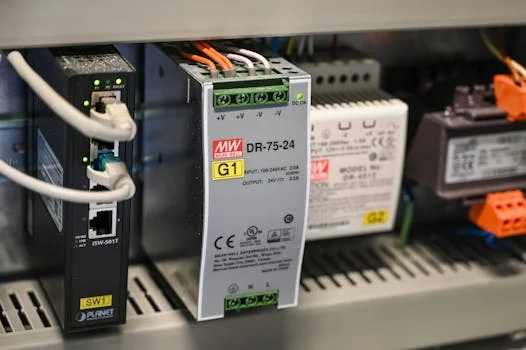
Successful PLC integration of a dosing skid requires a verified field-bus protocol compatibility check to ensure the pump’s internal CPU communicates with the plant SCADA system.
Verification of baud rate, parity, and stop bits is essential during the Submittal Approval stage to avoid field wiring delays. This connectivity is crucial for integrating dosing pump skids into plant-wide PLC automation frameworks.
Calibration is the most overlooked aspect of PLC integration. A 5-point calibration curve should be established against a physical graduated cylinder (calibration column) rather than relying on factory theoretical values. The PLC should be programmed to trigger a "Calibration Due" alarm every 3 months or after any major maintenance event. Repeatability, measured by the Coefficient of Variation (CV), should remain ≤ 0.5 % across the entire operating range. Remote monitoring should include three critical alarms: diaphragm rupture (via leak detection sensors), low chemical level (via tank float switches), and loss of prime (via flow verification sensors).
- Modbus TCP/RTU: Best for long-distance daisy-chaining of multiple pump skids.
- Profinet: Preferred for high-speed deterministic control in large municipal plants.
- Analog 4-20 mA: Reliable fallback for simple proportional dosing based on flowmeters.
- Digital Inputs: Essential for remote Start/Stop and Tank Low-Level interlocks.
Troubleshooting automatic dosing pumps: 5 expensive failures and how to prevent them
Unplanned downtime caused by a loss of prime in automatic dosing pumps costs industrial facilities an average of $600 per hour in process delays and chemical waste.
Diaphragm rupture is the most catastrophic failure mode, often resulting from chemical incompatibility or fatigue. A single rupture event in a sulfuric acid line can cause $1,200 in cleanup costs and equipment damage. Utilizing a double-diaphragm system with an integrated pressure sensor between the layers provides a fail-safe mechanism that shuts down the pump before the chemical escapes the head assembly. Regular replacement every 8,000 operating hours is the industry-standard preventative measure.
| Failure Mode | Root Cause | Prevention Strategy | Estimated Failure Cost |
|---|---|---|---|
| Loss of Prime | Suction air / Vapor lock | Degassing valves / Flooded suction | $600 / hr |
| Diaphragm Rupture | Fatigue / Over-pressure | Double-diaphragm / PTFE backup | $1,200 + Cleanup |
| Vapor Lock | Off-gassing (NaOCl) | Auto-degassing pump heads | $400 / event |
| Calibration Drift | Valve wear / Scale | 3-month
Get a Free Quote — Tell Us About Your Project
Contact Us
|