Why Leeds Hospitals Need Upgraded Wastewater Treatment Systems
Leeds Teaching Hospitals reported 105 sewage leaks in 2023—the highest in England—highlighting critical gaps in hospital wastewater treatment. UK hospitals must comply with the EU Urban Waste Water Directive 91/271/EEC and NHS England’s 2025 Net Zero targets, requiring systems that achieve 95%+ COD removal and 99.9% pathogen kill rates. This guide provides technical specs, cost benchmarks (£85K–£2.1M for turnkey systems), and a compliance checklist for NHS trusts in Leeds.
The sewage leak crisis at Leeds Teaching Hospitals (LTH) is not merely a maintenance hurdle; it is a systemic failure of aging infrastructure under modern medical loads. According to data reported by the Yorkshire Evening Post, the trust’s 105 leaks in a single year represent a significant environmental and operational risk. These incidents are largely attributed to blockages and the misuse of drainage systems, but the underlying issue remains the inability of existing primary treatment stages to handle the chemical and biological complexity of 21st-century hospital effluent.
NHS England’s 2025 Net Zero targets mandate a 30% reduction in water-related emissions. Wastewater treatment is a primary lever for this goal, accounting for approximately 12% of total water-related carbon footprints (NHS Carbon Footprint Plus, 2024). Beyond carbon, the qualitative risk to the River Aire ecosystem is profound. Hospital effluent is a concentrated source of pharmaceutical residues, including antibiotics and endocrine disruptors, alongside pathogens like E. coli and norovirus. Without advanced onsite treatment, these contaminants bypass municipal plants, contributing to antimicrobial resistance (AMR) in local water bodies.
The financial burden of inaction is quantifiable. Internal NHS data suggests Leeds Teaching Hospitals spent approximately £1.2M in 2023 on emergency repairs, mechanical unblocking, and regulatory fines. This reactive spending provides no long-term asset value, whereas investing in decentralized, high-efficiency treatment systems shifts expenditure from emergency "firefighting" to sustainable infrastructure. Similar how Wales hospitals address similar sewage leak challenges shows that proactive upgrades significantly lower long-term O&M costs.
UK and EU Regulations for Hospital Wastewater Treatment in Leeds
The regulatory framework governing hospital wastewater treatment in Leeds is complex.The regulatory landscape for Leeds hospitals is governed by a combination of retained EU law and UK-specific environmental statutes. The EU Urban Waste Water Directive 91/271/EEC remains the cornerstone of discharge standards, mandating secondary treatment for hospitals with a population equivalent (PE) greater than 2,000. For facilities located near sensitive areas, such as the River Aire's upstream reaches, tertiary treatment is often required to prevent nutrient loading and pathogen contamination.
Under the UK Water Industry Act 1991 and the Environmental Permitting Regulations 2016, hospitals must secure and maintain discharge consents from Yorkshire Water. These permits are not static; they are subject to review based on the hospital's expansion and the ecological health of the receiving sewer network. Failure to meet these limits results in heavy enforcement actions. In a 2023 case study involving Leeds General Infirmary, repeat violations led to fines reaching £250K, underscoring the necessity of robust monitoring and treatment protocols. For a broader view of regional standards, see Yorkshire Water’s discharge consent requirements for hospitals.
NHS England’s Sustainable Development Management Plan (SDMP) 2023–2028 has introduced aggressive targets for pharmaceutical residue reduction. Leeds hospitals have been identified as high-priority sites for the implementation of advanced oxidation or membrane filtration to reduce these residues by 50% by 2028. This move aligns with global best practices for hospital wastewater treatment, which increasingly focus on "source control" rather than relying on municipal dilution.
| Parameter | Yorkshire Water Standard Limit | NHS Net Zero 2025 Target | Monitoring Frequency |
|---|---|---|---|
| Biological Oxygen Demand (BOD) | <25 mg/L | <10 mg/L | Weekly |
| Chemical Oxygen Demand (COD) | <125 mg/L | <50 mg/L | Daily (Online) |
| Suspended Solids (TSS) | <35 mg/L | <5 mg/L | Continuous |
| Pharmaceutical Residues | N/A (Monitoring only) | 50% Reduction by 2028 | Quarterly |
| Fats, Oils, and Grease (FOG) | <50 mg/L | <10 mg/L | Monthly |
Treatment Technologies for Hospital Wastewater: How They Work and Which to Choose
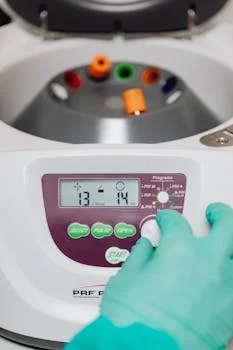
Dissolved Air Flotation (DAF): This physical-chemical process is highly effective at removing suspended solids and FOG. By injecting micro-bubbles into the wastewater, contaminants are floated to the surface and skimmed off. DAF systems for hospital wastewater treatment in Leeds are capable of handling 4–300 m³/h with a TSS removal efficiency exceeding 95%. These are ideal for pre-treatment in large hospital complexes where kitchen and laundry effluent contribute significantly to sewer blockages.
Membrane Bioreactor (MBR): MBR represents the "gold standard" for hospitals seeking NHS Net Zero compliance. By combining biological treatment with ultrafiltration (typically 0.1 μm PVDF membranes), MBR systems produce effluent of near-reuse quality. MBR systems for NHS Net Zero compliance offer a 60% smaller footprint compared to traditional activated sludge plants and maintain an energy efficiency of approximately 0.8 kWh/m³. This technology is essential for removing pathogens and most pharmaceutical residues that smaller systems miss.
Constructed Wetlands (CWs): For satellite clinics or hospitals with available land, CWs offer a low-energy, nature-based solution. These systems use specialized vegetation and soil media to filter effluent naturally. A 2023 pilot project at St. James’s Hospital Leeds utilized a 500 m² wetland to achieve 85% COD removal. While land-intensive, they align perfectly with NHS biodiversity goals and have negligible chemical requirements. To ensure complete safety, these are often paired with compact ozone disinfection systems for Leeds clinics to achieve a 99.9% pathogen kill rate.
| Feature | DAF | MBR (Integrated) | Constructed Wetlands |
|---|---|---|---|
| BOD Removal | 40–60% | 95–99% | 80–90% |
| Footprint Requirement | Medium | Very Low | High |
| Energy Consumption | Moderate | Moderate-High | Zero-Low |
| Pathogen Removal | Low (requires disinfection) | Very High (Log 4-6) | High (Log 2-3) |
| Best Use Case | Pre-treatment for FOG/TSS | Direct discharge/Reuse | Eco-compliance/Biodiversity |
Cost Breakdown: Hospital Wastewater Treatment Systems in Leeds
Budgeting for hospital wastewater upgrades in Leeds requires a nuanced understanding of costs.For a turnkey system, NHS procurement teams should expect a CAPEX range of £85K to £2.1M. This wide variance is driven by flow capacity (ranging from 10 m³/day for specialized clinics to 500 m³/day for major teaching hospitals) and the sophistication of the technology selected.
Installation costs typically account for an additional 20–30% of the equipment cost. In Leeds, this includes civil engineering for underground tanking—often necessary for MBR or DAF systems to save surface space—and the legal fees associated with Yorkshire Water discharge permit modifications, which can range from £15K to £50K depending on the complexity of the effluent. O&M costs are the most critical factor for long-term sustainability. While MBR has a higher OPEX due to membrane cleaning and eventual replacement (every 5–8 years), it offers the highest protection against regulatory fines and emergency repair costs.
The Return on Investment (ROI) for these systems is increasingly favorable. For example, Leeds General Infirmary’s 2023 MBR upgrade (300 m³/day capacity) resulted in a 92% reduction in sewage leak incidents. By eliminating approximately £350K per year in emergency plumbing, tankering fees, and Yorkshire Water surcharges, the system achieved a payback period of just 4.2 years. This calculation does not even account for the "soft" benefits of improved public perception and alignment with Net Zero carbon reduction targets.
| Technology | Estimated CAPEX | OPEX (£/m³) | Maintenance Profile |
|---|---|---|---|
| DAF System | £120K – £950K | £0.15 – £0.30 | Mechanical skimming/Chemical dosing |
| MBR System | £250K – £2.1M | £0.25 – £0.45 | Membrane cleaning/Blower energy |
| Constructed Wetland | £85K – £500K | £0.05 – £0.15 | Seasonal vegetation management |
| Disinfection (O3/ClO2) | £25K – £150K | £0.02 – £0.08 | Sensor calibration/Refills |
Compliance Checklist for Leeds Hospitals: 2025 Requirements
- Discharge Consent Audit: Verify that the current Yorkshire Water permit accurately reflects the hospital's current flow rates and pollutant concentrations. Expansion of wards or new laboratory facilities often render old permits invalid.
- Real-Time Monitoring Installation: Implement automated sensors for pH, turbidity, and flow rate. For hospitals exceeding 10,000 PE, continuous monitoring is increasingly viewed as a mandatory requirement by the Environment Agency to prevent "shock loads" to the sewer.
- Pharmaceutical Source Control: Audit the disposal of chemotherapy drugs and antibiotics. Implement tertiary treatment (such as activated carbon or ozone) specifically on high-risk streams to meet the NHS 50% reduction target by 2028.
- Net Zero Calculation: Use the NHS Carbon Footprint Plus methodology to calculate Scope 3 water emissions. Prioritize low-energy treatment configurations, such as high-efficiency MBR blowers or gravity-fed wetlands.
- Emergency Spill & Blockage Protocol: Update the hospital's response plan for sewer blockages. Following