Understanding Kisumu’s Industrial Wastewater Regulations
Industrial wastewater treatment in Kisumu requires compliance with KIWASCO and NEMA standards, targeting BOD <30 mg/L, COD <100 mg/L, and TSS <30 mg/L. Factories can meet these standards using compact, automated systems like MBR or DAF units, particularly given the KISAT plant's limited capacity of 11,000 m³/day and increasing industrial loads. The National Environment Management Authority (NEMA) enforces strict effluent discharge parameters under the Environmental Management and Co-ordination Act (EMCA) 1999 for facilities releasing waste into the environment or municipal sewers. For Kisumu’s manufacturing sector, this means a mandatory requirement for on-site pre-treatment before any liquid waste enters the public infrastructure managed by the Kisumu Water and Sanitation Company (KIWASCO).
The regulatory framework distinguishes between direct discharge into water bodies, like Lake Victoria, and discharge into the municipal sewer. For sewer connections, KIWASCO enforces specific pre-treatment thresholds to prevent the inhibition of biological processes at the city's treatment works. These parameters include a pH range of 6.0–9.0, a maximum temperature of 40°C, and oil and grease concentrations below 10 mg/L. Failure to meet these limits poses significant financial and operational risks, including heavy fines, service disconnection, or total operational shutdowns. Engineering teams should consult a complete guide to Kenya’s industrial effluent limits and compliance pathways to ensure their facility design aligns with both national and county-level enforcement protocols.
NEMA also requires regular effluent monitoring and the submission of annual environmental audits. In Kisumu, where the industrial zone is closely integrated with the urban and lakeside ecosystem, scrutiny on Total Dissolved Solids (TDS) and heavy metals is particularly high. Compliance is not merely a legal hurdle but a technical necessity to ensure the longevity of municipal pipes, which are susceptible to corrosion from acidic industrial runoff or blockages from solidified fats and oils.
Challenges for Industries in Kisumu’s Current System
The KISAT conventional wastewater treatment plant, established in 1958 and rehabilitated in 2016, has a design capacity of 11,000 m³/day, which is increasingly inadequate for Kisumu’s rapid industrial expansion. As Kenya's third-largest city, Kisumu faces a significant gap between the hydraulic load generated by its population and the pollutant load contributed by industries. Many factories in the food processing, textile, and brewing sectors generate high-strength organic effluents that exceed the design specifications of the KISAT facility. When industrial dischargers send untreated waste with COD levels exceeding 2,000 mg/L, it reduces the Hydraulic Retention Time (HRT) at the municipal plant, leading to untreated bypasses into the Winam Gulf.
Food and beverage industries in Kisumu often struggle with high concentrations of Fats, Oils, and Grease (FOG), which do not break down easily in conventional trickling filters or stabilization ponds used by municipal utilities. Without on-site pre-treatment, these pollutants coat the internal surfaces of sewer lines, leading to recurring maintenance costs and environmental hazards. The volatility of industrial flow, characterized by "shock loads" during cleaning cycles or production shifts, can kill the microbial biomass at KISAT, resulting in total system failure for the city. This technical mismatch drives the adoption of industrial wastewater treatment solutions by modern factories seeking to decouple their operational stability from municipal infrastructure limitations.
Logistical constraints also affect compliance, as many older factories in the Kisumu industrial area have limited physical space for large, open-air lagoons. The high water table near Lake Victoria complicates the construction of deep concrete tanks, making traditional civil-heavy treatment plants cost-prohibitive and technically difficult to implement.
Effective Technologies for Industrial Wastewater in Kisumu
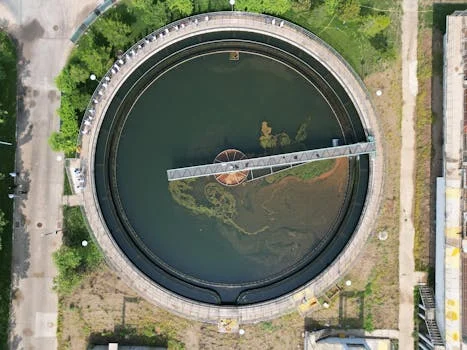
The selection of the right technology for industrial wastewater treatment in Kisumu depends on the specific pollutant profile of the manufacturing process. For industries dealing with high suspended solids and emulsified oils, such as dairies or slaughterhouses, Dissolved Air Flotation (DAF) is the primary choice. A high-efficiency DAF system works by injecting micro-bubbles into the wastewater, which attach to solid particles and float them to the surface for mechanical skimming, removing up to 95% of FOG and 90% of TSS.
For facilities requiring high-purity effluent for potential reuse, Membrane Bioreactor (MBR) technology is superior. An compact MBR system combines biological treatment with ultrafiltration membranes, producing an effluent with BOD <5 mg/L and TSS <1 mg/L. In Kisumu’s context, the ability to recycle 70-80% of treated wastewater provides a compelling return on investment.
Pre-treatment also requires robust mechanical screening to protect sensitive pumps and membranes. Rotary mechanical screens are essential for removing large debris from the waste stream. In complex waste streams, automated chemical dosing systems manage pH neutralization and coagulation-flocculation, ensuring heavy metals are precipitated and removed before biological treatment.
| Technology Type | Target Pollutants | Removal Efficiency | Primary Industry Application |
|---|---|---|---|
| Dissolved Air Flotation (DAF) | FOG, TSS, Insoluble COD | 90–95% FOG; 85% TSS | Food processing, Slaughterhouses, Edible oils |
| Membrane Bioreactor (MBR) | BOD, COD, Bacteria, TSS | >98% BOD; >99% TSS | Textiles, Pharmaceuticals, High-strength organics |
| Anaerobic/Oxic (A/O) System | Nitrogen, Phosphorus, BOD | 85–90% BOD | General manufacturing, Municipal pre-treatment |
| Rotary Mechanical Screens | Large solids, Rags, Debris | N/A (Physical separation) | All industrial primary treatment stages |
Comparing Compact Treatment Systems for Kenyan Factories
Factory managers in Kisumu must often choose between modular package plants and traditional civil engineering projects. Compact systems offer a significant advantage for urban factories where land value is high. The WSZ Series package plants, for instance, are designed for underground installation and utilize the A/O biological process to achieve high BOD reduction. When evaluating modular vs. traditional systems, the modular approach typically reduces installation time by 60% and land requirements by 50%.
Automation is another critical factor. Modern buried wastewater treatment systems are equipped with Programmable Logic Controllers (PLC) that manage aeration cycles and chemical dosing, reducing the need for highly skilled on-site operators. A DAF system is ideal for high-fat effluents, while an MBR system is preferred for high-organic loads requiring superior effluent clarity.
| Feature | DAF System | MBR System | WSZ Package Plant |
|---|---|---|---|
| Footprint | Medium (Skid-mounted) | Very Small (Integrated) | Medium (Can be buried) |
| Effluent Quality | Pre-treatment Grade | Reuse Grade (<1 μm) | Discharge Grade |
| Automation Level | High (PLC Controlled) | Very High (Fully Auto) | Medium to High |
| Maintenance | Weekly Skimming/Cleaning | Semi-annual Membrane Clean | Monthly Pump/Blower Check |
| BOD Reduction | 40–60% | 95–99% | 85–92% |
Implementation and Compliance Roadmap
Achieving compliance in Kisumu begins with accurate data collection through a comprehensive effluent characterization over a minimum 7-day production period. This data forms the basis for technology selection, ensuring the system is sized correctly for peak hydraulic loads and maximum COD concentrations. Once the technology is selected, the facility must submit its treatment plans to KIWASCO and NEMA for pre-treatment approval and a discharge permit.
Installation of pre-fabricated, skid-mounted systems is the most efficient pathway for local factories, requiring minimal on-site civil work and avoiding production downtime. Integrating PLC automation for wastewater treatment ensures the system adapts to fluctuating influent quality without manual intervention. Regular testing of treated effluent is required to maintain the discharge license and avoid penalties.
Frequently Asked Questions
What are the industrial effluent standards in Kisumu?
Under NEMA and KIWASCO regulations, industrial effluent must meet BOD ≤30 mg/L, COD ≤100 mg/L, TSS ≤30 mg/L, and pH 6–9 for discharge.
Can factories discharge directly to the KISAT plant?
No, factories must perform on-site pre-treatment to remove fats, oils, and excessive organic loads before KIWASCO allows connection to the municipal sewer network.
What is the cost of a small industrial wastewater system in Kenya?
A small-scale industrial system typically ranges from $15,000 to $50,000 USD, depending on the complexity of the waste and the technology required.
Which industries need DAF systems in Kisumu?
Industries with high FOG loads, such as slaughterhouses and food processing plants, require DAF systems for effective pre-treatment.
Are package treatment plants suitable for urban factories?
Yes, WSZ and MBR package plants are ideal for urban settings due to their compact size, underground installation capability, and automation.