Wastewater Discharge Standards Kenya Plants Must Meet
Discharge standards Kenya sets for industrial and municipal effluent are defined in the Environmental Management and Co-ordination (Water Quality) Regulations enforced by NEMA and county governments. Limits cover public sewer and environmental routes. The 2006 Regulations, with later amendments including a 2024 revision, set caps such as 1,1-dichloroethylene at 0.2 mg/l and total phosphorus at 2 mg/l for licensed discharge.
These numeric limits protect sewer networks, receiving waters, and public health. Public sewer caps protect municipal plants; environmental discharge caps are typically tighter for the same parameter list. Plants that miss license numbers risk fines, shutdowns, and license loss.
What Are Water Discharge Standards?
Water discharge standards are legal concentration and quality limits that treated effluent must meet before release to a sewer or to the environment. In Kenya they appear in the Water Quality Regulations administered by NEMA, with county governments sharing field oversight. Typical controlled parameters include BOD5 at 20°C, COD, TSS, pH, ammonia as NH4-N, total phosphorus, and selected chlorinated organics. The numeric limit that applies depends on whether the plant discharges to a public sewer or directly to a water body.
That margin covers diurnal peaks and sampling variability without redesigning the plant later.
Standards for Effluent Discharge into Public Sewers
The Environmental Management and Co-ordination (Water Quality) Regulations set maximum concentrations for effluent sent to public sewers. These caps reduce shock loads on municipal works and limit corrosion or blockage of sewer assets. For many industries, meeting sewer limits is the first compliance gate before any environmental discharge option is considered.
| Parameter | Limit (mg/l) |
|---|---|
| 1,1-dichloroethylene | 0.2 |
| 1,2-dichloroethane | 0.04 |
| Total Phosphorus | 2 |
| Ammonia (as NH4-N) | 100 |
| pH | 6.0 - 9.0 |
| Suspended Solids (TSS) | 50 |
| Biochemical Oxygen Demand (BOD5 at 20°C) | 30 |
| Chemical Oxygen Demand (COD) | 100 |
These values are a baseline. Some sectors face tighter site-specific conditions in the Effluent Discharge License. Environmental discharge often uses the same pollutant list with stricter numbers; 1,1-dichloroethylene remains 0.2 mg/l and total phosphorus 2 mg/l in the figures cited above for the sewer case. Exceeding either set can trigger penalties and forced plant downtime.
What Are Effluent Discharge Standards?
Effluent discharge standards are the enforceable pollutant limits written into Kenya’s Water Quality Regulations and into each facility’s NEMA license. They define acceptable BOD5, COD, TSS, nutrients, pH, and listed toxic organics at the compliance sampling point. Unlike informal plant targets, these standards are what inspectors sample against during scheduled and unannounced checks.
When buyers search frameworks such as CPCB or municipal codes elsewhere, the Kenya equivalent is NEMA’s Water Quality Regulations plus county enforcement. For sulfide and related EMCA numeric detail, see emca compliance requirements kenya. That page separates sulfide limits from the broader BOD/COD table used here.
Treatment Options for Industrial Wastewater
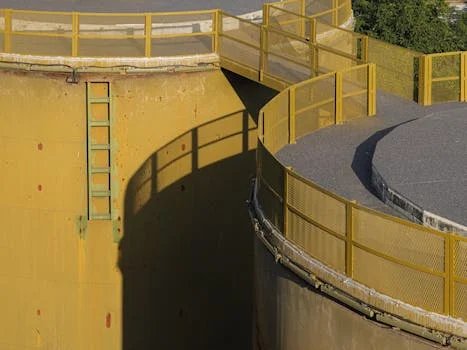
Industrial plants in Kenya usually combine physical-chemical, biological, and sometimes advanced oxidation steps to hit licensed effluent quality. Process selection follows the contaminant profile: solids and metals favor coagulation and clarification; biodegradable organics favor activated sludge or anaerobic digestion; recalcitrant organics may need AOPs. Capital cost, energy use, sludge volume, and operator skill all change with that choice.
| Treatment Category | Description | Advantages | Disadvantages | Typical Applications |
|---|---|---|---|---|
| Physical-Chemical Treatment | Utilizes physical and chemical processes such as sedimentation, filtration, coagulation, flocculation, and pH adjustment to remove suspended solids, heavy metals, and other non-biodegradable pollutants. | Effective for removing suspended solids and certain dissolved pollutants; relatively simple to operate; adaptable to a wide range of contaminants. | May not effectively remove dissolved organic pollutants; can generate chemical sludge requiring disposal; higher operational costs for chemical consumables. | Pre-treatment for biological systems; removal of heavy metals; clarification of turbid water. |
| Biological Treatment | Employs microorganisms to break down organic pollutants into simpler, less harmful substances. Common methods include activated sludge, trickling filters, and anaerobic digestion. | Highly effective for removing dissolved organic matter; cost-effective for large volumes of biodegradable wastewater; produces less sludge compared to some physical-chemical methods. | Sensitive to shock loads and toxic substances; requires specific operating conditions (temperature, pH, dissolved oxygen); can be space-intensive. | Treatment of domestic sewage and organic industrial wastewater (e.g., food processing, pulp and paper). |
| Advanced Oxidation Processes (AOPs) | Involves the generation of highly reactive species, such as hydroxyl radicals, to degrade recalcitrant organic pollutants. Examples include ozonation, UV irradiation with hydrogen peroxide, and Fenton's reagent. | Effective for removing persistent organic pollutants (POPs) and non-biodegradable compounds; can achieve high levels of effluent purity. | High energy consumption; complex operation and maintenance; can be expensive; potential for byproduct formation. | Treatment of highly contaminated industrial wastewater, pharmaceutical waste, and pesticide residues. |
For compact urban or mixed domestic–industrial flows, an Underground Package Sewage Treatment Plant can combine preliminary and secondary stages in one footprint. Food and beverage plants we audit in East Africa often run biological trains at the lower end of design loading first, then add polishing only if COD or nutrients still miss the sewer limit.
Compliance Requirements and Enforcement Mechanisms
Kenya compliance rests on licensing, monitoring, and enforcement. Industrial facilities must hold a NEMA Effluent Discharge License that states limits and reporting intervals. Operators submit effluent quality data on the schedule in that license. NEMA inspects sites, samples wastewater, and reviews reports; county teams may run parallel checks.
Non-compliance can bring fines, suspension of operations, or criminal prosecution in severe cases. Reputation and financing risk follow quickly after repeated violations. For cost and equipment framing used on industrial projects, see Compliance and Costs for Industrial Wastewater Treatment. For Kenya-specific EMCA and NEMA numeric context beyond this table, the sulfide and EMCA limit guide covers related pollutant rules.
Selection Checklist for Kenya Effluent Projects
Plant engineers and EPC teams should confirm the following before locking process design or procurement:
- Discharge route: public sewer versus direct environmental release.
- License draft limits for BOD5 at 20°C, COD, TSS, pH, NH4-N, and phosphorus.
- Peak-hour flow and organic load, not only average daily flow.
- Sludge handling path and disposal permits at the county level.
- Online or lab sampling points that match NEMA reporting points.
- Spare capacity of 10–20% below each numeric limit for diurnal peaks.
- Operator training and chemical supply lead times for the chosen process.
Main cost drivers are peak hydraulic capacity, chemical dose for solids and metals, aeration energy for BOD/COD removal, and sludge transport. Compact package plants reduce civil works but still need reliable power and sludge outlets.
Who This Is For / Next Step
This article is for plant engineers, EPC contractors, and procurement managers sizing or upgrading treatment to meet Kenya sewer or environmental limits. Buyers seeking only drinking-water purification or non-Kenya CPCB rules should use country-specific guides instead. To match process units to your COD, TSS, and license limits, request a technical quote with flow and lab data attached.
Frequently Asked Questions
What happens if a plant fails Kenya wastewater discharge standards?
Non-compliance can trigger fines, temporary or permanent shutdown orders from NEMA, and in severe cases criminal prosecution of responsible persons. Daily charges may apply while a violation continues. Beyond legal risk, repeated failures damage reputation and can block financing or offtake contracts. Environmental harm to receiving waters remains a separate liability under the Water Quality Regulations.
How often does NEMA inspect wastewater treatment plants?
Inspection frequency depends on facility size, wastewater hazard, and compliance history. NEMA runs scheduled and unannounced inspections; county environmental departments may inspect as well. Industrial sites usually follow the monitoring and reporting intervals written into the Effluent Discharge License. Higher-risk or previously non-compliant plants receive closer oversight than low-risk sites with clean records.
What drives the cost of wastewater treatment in Kenya?
Cost depends on wastewater volume and strength, required effluent quality, technology choice, and plant scale. Small physical-chemical packages may cost a few million Kenyan Shillings; large multi-stage biological systems can reach tens or hundreds of millions. Operating spend covers energy, chemicals, labor, maintenance, and sludge disposal. Site-specific quotes need measured flow, COD, TSS, and the discharge route.
Do public sewer limits differ from environmental discharge limits?
Yes. Public sewer limits protect municipal treatment works and sewer assets, while environmental discharge limits protect natural water bodies and are often stricter for the same parameter list. Kenya’s Water Quality Regulations cover both routes, and the Effluent Discharge License states which set applies. Design to the tighter applicable limit if the discharge route may change.
Which treatment train is typical for biodegradable industrial effluent?
Biodegradable streams from food processing or similar industries usually use biological treatment such as activated sludge, trickling filters, or anaerobic digestion after basic solids removal. Physical-chemical steps handle metals and non-biodegradable solids as pre-treatment. AOPs are reserved for persistent organics when biological polishing cannot meet COD or toxic organic limits at the licensed sampling point.
Related Equipment
- Underground Package Sewage Treatment Plant — view specifications, capacity range, and technical data
Need a customized solution? Request a free quote with your specific flow rate and pollutant parameters.