Choose the treatment route from the effluent objective
Choose DAF alone only when the required effluent objective can be met by removing suspended solids, oil, grease, colloids and chemically flocculated pollutants. For dissolved or biodegradable load that remains after flotation, specify biological treatment or another downstream step. In Mauritania, first confirm the sewer-discharge or reuse destination and applicable authority requirements, then obtain representative wastewater data for COD, TSS, oil and grease, pH, turbidity and TDS. This separates primary flotation from a complete DAF system engineering specification and prevents the equipment package from being selected before the discharge obligation is known.
Ask the prospective supplier, site environmental adviser or laboratory for a wastewater characterisation programme covering the operating period and any batch-production or discharge campaign. The analysis should record average, peak and design flow rates, alongside representative COD, TSS, oil and grease, pH, turbidity and TDS results. The reuse destination and water-quality objective must also be documented.
No Mauritanian discharge limits or governing authority were identified in the material reviewed for this guide. Therefore, do not convert a general DAF case result into a compliance claim. The buyer needs confirmation from the relevant Mauritanian authority, receiving sewer or reuse stakeholder, including the applicable permit, sampling requirements and receiving-water or reuse criteria.
Match DAF, biological treatment and combined treatment to the influent
Matching the measured pollutant load and flow variation to the final effluent target determines the correct treatment route. DAF is the front-end option where suspended solids, oil and grease, colloids or flocculated solids dominate the removal duty. Biological treatment becomes necessary when the objective requires removal of biodegradable dissolved pollution that flotation does not resolve. A combined route is appropriate when both duties remain, subject to the downstream process being confirmed by wastewater analysis.
| Discharge route or influent problem | Governing rule or process option | What data settles it |
|---|---|---|
| Sewer discharge with suspended solids, oil, grease, colloids or flocculable material as the main targets | Evaluate DAF as primary treatment, subject to the confirmed sewer and authority requirements | TSS, oil and grease, turbidity, particle characteristics, average and peak flow, plus the applicable discharge criteria |
| Biodegradable dissolved pollution remains after physical or chemical separation | Define biological treatment or another downstream process rather than assuming DAF alone is sufficient | Representative COD, biodegradability assessment, pH, nutrients, toxicity and required final COD |
| Reuse requiring a quality more stringent than the preliminary treatment objective | Route the selected DAF stage to the required biological, polishing or reuse treatment | Reuse destination, water-quality specification, operating temperature and fouling assessment |
| Highly variable flow or batch discharges | Include equalisation and confirm whether the downstream route can absorb the resulting load | Flow hydrograph, production schedule, equalisation volume, peak pollutant load and shock-discharge records |
One tannery installation provides a useful scope example, not a universal performance guarantee. Its effluents were segregated and fine-screened, sulphide-bearing liquors were treated separately by aeration, and the combined wastewater was mixed in an aerated balancing tank. Aluminium sulphate and polymer were then added for coagulation and flocculation before DAF, automatic sludge scraping, sludge holding and belt-press dewatering.
The modelling study used COD, pH, turbidity and TDS measured at an equalisation-tank outlet during an 8-hour monitoring period to model TDS and pH behaviour. Its static and dynamic models behaved differently under shock loads, and time lags affected prediction. That distinction supports explicit operating and acceptance provisions for variable industrial effluent.
Use the best DAF unit selection framework to compare equipment proposals, but require the shortlisted industrial DAF flotation system to be selected against the characterised wastewater rather than a generic industrial load.
Build a plant scope that protects DAF performance
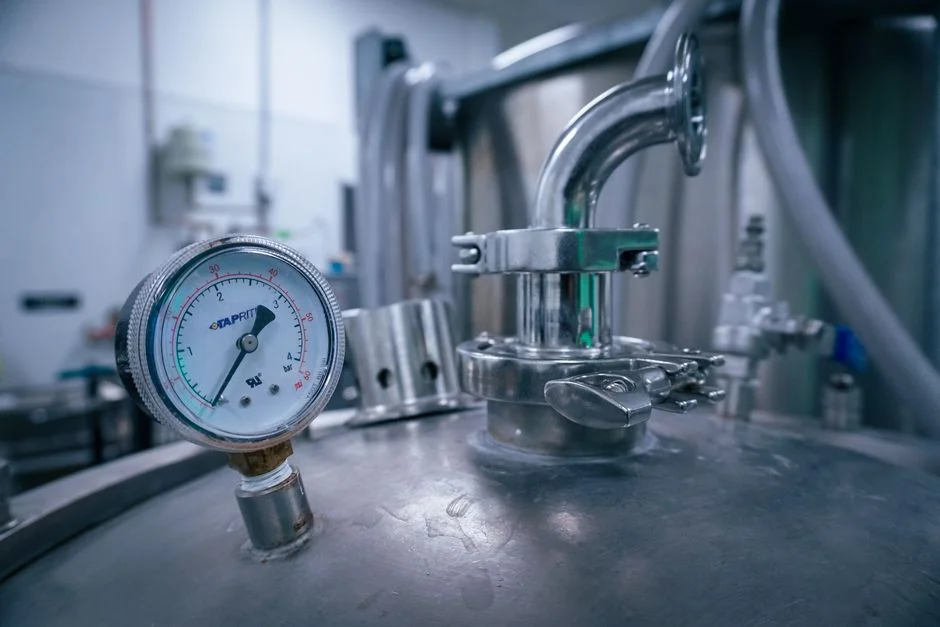
Protecting DAF performance requires including upstream flow and solids control in the same technical scope as flotation. Screening removes coarse material before it reaches pumps and pipework, while equalisation smooths flow and load before the treatment unit. In the tannery case, fine screening, segregation and an aerated balancing tank were integral to the treatment sequence rather than optional accessories.
Specify effective mixing and aeration in equalisation where required. The tannery case associates this stage with flow homogenisation, pH control, prevention of anaerobic conditions and prevention of suspended-solids settlement. The exact tank duty must follow the measured flow, load and pH data; ask for the design basis and operating controls.
Break the process scope into separately priced items: screening; flow measurement; equalisation and mixing; pH adjustment; coagulant and polymer preparation and dosing; recycle pumping and saturation equipment; flotation; automatic sludge scraping; sludge pumping; thickening or holding; and industrial DAF system pricing should identify where each item is included.
Request a PLC-controlled chemical dosing system specification covering duty, control signal, calibration method, chemical storage assumptions and alarm response. Where sludge dewatering is required, include the sludge characteristics, belt-press or alternative dewatering duty, filtrate return and final sludge-disposal route. The tannery sequence included sludge holding and high-pressure belt-press dewatering, but that arrangement should not be copied without assessing the selected plant’s sludge.
Turn the selected route into a comparable quotation
Defining the treatment route, influent basis, supply boundaries and acceptance tests before comparing prices ensures comparable quotations. Every bidder should state what is assumed, what is included and which party remains responsible for site inputs and interfaces.
| Quote line item | Technical scope to specify | Red flags to check before signing |
|---|---|---|
| Design basis and process guarantee | Design flow, pollutant loads, treated effluent parameters, operating hours and treatment duty | Guarantee stated without an influent envelope or without defining peak and batch conditions |
| Equipment and plant layout | Dimensions, materials, available footprint, access, foundations, drainage and utility connections | Foundation, building work or civil works left unpriced without a stated exclusion |
| Chemicals and utilities | Chemical consumption, storage, preparation, dosing equipment, power, air and water requirements | Consumption claimed without the wastewater characterisation and operating schedule |
| Controls and instrumentation | Control scope, alarms, interlocks, emergency shutdown, instrument calibration and data logging | Manual operation substituted for the specified control function, or calibration excluded |
| Sludge handling | Scraping, pumping, holding, thickening, dewatering, filtrate return and disposal interfaces | Sludge described as removed from the flotation tank but omitted from the disposal scope |
| Delivery and site services | Supply, freight, customs responsibility, installation, wet commissioning, training and local support | Equipment delivery presented as a turnkey installation without installation labour and commissioning support |
| Performance and acceptance | Representative influent, effluent parameters, sampling method, test frequency, threshold and remedies | Generic COD or TSS promise lacking a sampling protocol or chemical-dosing responsibility |
Require the supplier to identify who provides the wastewater analysis, flow data, utilities, foundations, installation labour, commissioning support and operator training. Do not accept a COD or TSS guarantee without a defined influent basis, sampling protocol and responsibility for upstream batch discharges or chemical-dosing performance. Because no comparable project quotation was available, request an itemised price rather than accepting a single turnkey total without scope definitions.
Verify delivery, commissioning and operating acceptance
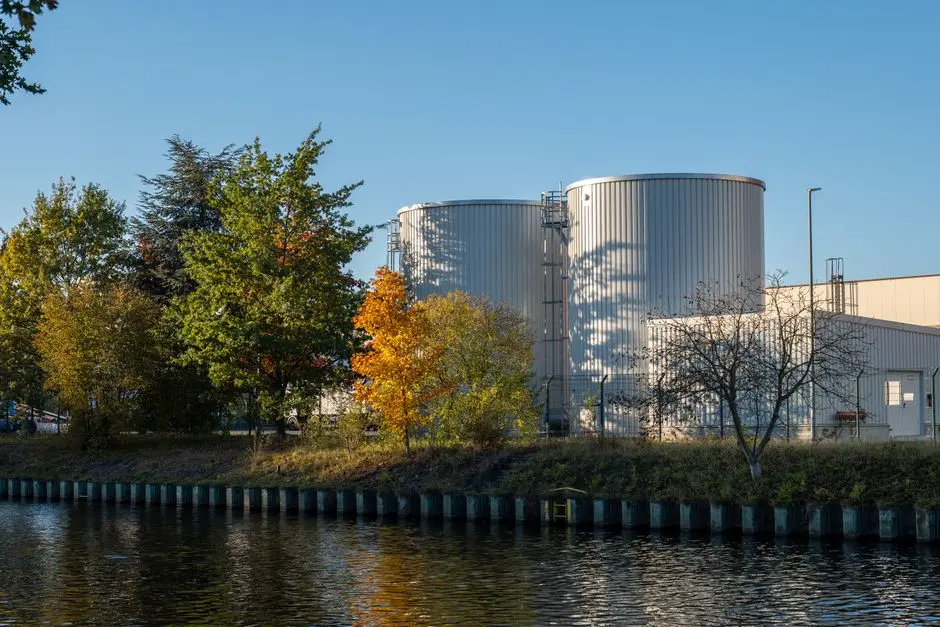
Acceptance should be a sequence of documented tests rather than a single handover event. Define factory acceptance testing, delivery inspection, installation checks, wet commissioning and site acceptance testing separately, with the responsible party, preconditions, records and acceptance threshold stated for each stage.
Specify training, initial spare parts, maintenance access, instrumentation calibration, control narratives and the operating staff required. The control scope should cover chemical dosing, equalisation, air saturation, flotation, sludge scraping, alarms and emergency shutdown. These functions can then be tested against the agreed operating procedures rather than treated as general commissioning tasks.
Define how shock loads and changing wastewater composition will be monitored. The modelling study found different static and dynamic model behaviour under shock loads, with past data influencing dynamic prediction. Consequently, the acceptance protocol should state how influent variability is recorded, which operating adjustments are permitted and when additional sampling is required.
Use the PLC-control guide for an industrial wastewater plant to define control narratives and alarm responsibilities, but retain the site-specific influent data, treatment objective and acceptance thresholds in the contract schedule.
Further Reading
Frequently Asked Questions
Does the project need DAF alone or a complete effluent treatment plant?
Choose DAF alone only if measured wastewater characteristics and the confirmed discharge or reuse objective show that primary flotation can meet the required effluent quality. Specify biological treatment or another downstream route where biodegradable dissolved pollution remains. Request representative COD, TSS, oil and grease, pH, turbidity and TDS results, flow variation and the applicable receiving or reuse criteria before deciding the package scope.
What wastewater data is required to size the DAF system?
Request average, peak and design flow rates; representative COD, TSS, oil and grease, pH, turbidity and TDS; and information about production batches and shock discharges. Include sludge-generation characteristics, chemical demand and the available footprint. Ask each bidder to show how its design flow and treatment duty follow from those inputs rather than accepting a selected flow without a documented basis.
How should COD and TSS performance guarantees be contracted and tested?
Attach each guarantee to a defined influent envelope, representative operating period, sampling method, test frequency and acceptance threshold. Name the party responsible for chemical dosing and upstream batch controls. Require results from both influent and effluent sampling so that system removal performance can be distinguished from wastewater variability.
What should the buyer request when comparing price, delivery and supplier selection?
Request an itemised quotation that separates the DAF equipment, pretreatment, equalisation, controls, sludge handling, civil works, utilities, freight, installation, commissioning and training. For supplier selection, ask for evidence from comparable industrial wastewater applications and a clear acceptance protocol. Confirm who provides local commissioning support and whether equipment delivery excludes site installation; use the best DAF unit selection framework to structure that comparison and the DAF engineering specifications to define the technical schedule.