Choose the discharge and reuse route before selecting equipment
For hotel and resort wastewater treatment in Turkey, first establish whether the project can discharge to an authorised sewer, must treat wastewater on site, or will reuse treated water. A buried A/O package treatment plant combines anoxic and aerobic biological contact oxidation, sedimentation and disinfection in one unit, while an MBR system combines activated sludge with submerged membrane filtration. A Turkish resort study tested a medium-scale MBR for carbonaceous and nitrogenous treatment before irrigation reuse. Final selection requires site flow, wastewater analysis, reuse or discharge requirements, available space and approvals.
The treatment objective determines the equipment selection sequence. For a sewer-connection project, obtain the receiving authority’s connection and pretreatment requirements before specifying equipment. For on-site discharge, request the applicable effluent specification from the responsible authority. For reuse, define the intended application—irrigation or another use—and obtain the corresponding reuse requirements before comparing process options.
A Turkish case provides direct reuse evidence: Water Science & Technology reports that a medium-scale membrane bioreactor was tested at a large tourist resort on Turkey’s south-western coast, with the treated wastewater subsequently used for irrigation. The system was designed to remove carbonaceous and nitrogenous substances, and performance was monitored through regular chemical and microbiological analyses.
Reclaimed water can also be treated for non-potable use. Acapulco Resort in Turkey describes a multi-stage biological treatment system that makes wastewater safely reusable for supplying irrigation to its gardens. This demonstrates the reuse application; it does not establish a universal Turkish effluent standard. For each project, request the receiving authority’s written route, the proposed reuse application and the required effluent or reuse specification from the MBR membrane bioreactor system supplier.
Define the hotel wastewater and design flow
Sizing should begin with measured and documented hotel wastewater flows, not an assumed domestic-sewage profile. The Turkish resort study analysed wastewater from kitchens, laundry and guest rooms and derived water-use values based on guest numbers. Its collection of water-use information at different hotel locations provides a useful approach for separating demand sources before calculating treatment capacity.
Request average daily flow and peak flow with their operating periods, occupancy basis and seasonal assumptions. Identify kitchen, laundry, guest-room, pool and other operational contributions separately. Obtain influent sampling results covering carbonaceous and nitrogenous substances rather than assuming their concentrations. Also state whether flow-reequalisation or separate treatment is required for concentrated or variable streams.
The comparison of hotel A/O and MBR treatment routes provides a framework for separating these inputs from the technology choice.
| Discharge route or influent problem | Governing rule or process option | What data settles it |
|---|---|---|
| Connection to an authorised sewer | Define the receiving authority’s connection and pretreatment requirements before selecting an on-site treatment package. | Written confirmation of the sewer route, connection conditions and required documentation. |
| On-site discharge without reuse | Compare a buried A/O package treatment plant and MBR against the applicable on-site effluent specification. | Authority-issued effluent requirements, receiving-water information and sampling locations. |
| Wastewater irrigation reuse | Select the treatment architecture only after the intended reuse and its water-quality requirements are defined. | Reuse application, irrigation demand schedule, application controls and project-specific reuse specification. |
| Variable hotel occupancy and operating flow | Size hydraulic and biological capacity from documented average and peak conditions rather than guest-room assumptions alone. | Occupancy records, water-meter data, seasonal demand and average and peak wastewater flows. |
| Kitchen, laundry and room wastewater | Characterise each stream because composition and flow variation can affect treatment requirements. | Representative influent analyses for carbonaceous and nitrogenous substances, supported by stream-specific flow records. |
Compare buried A/O package treatment with MBR
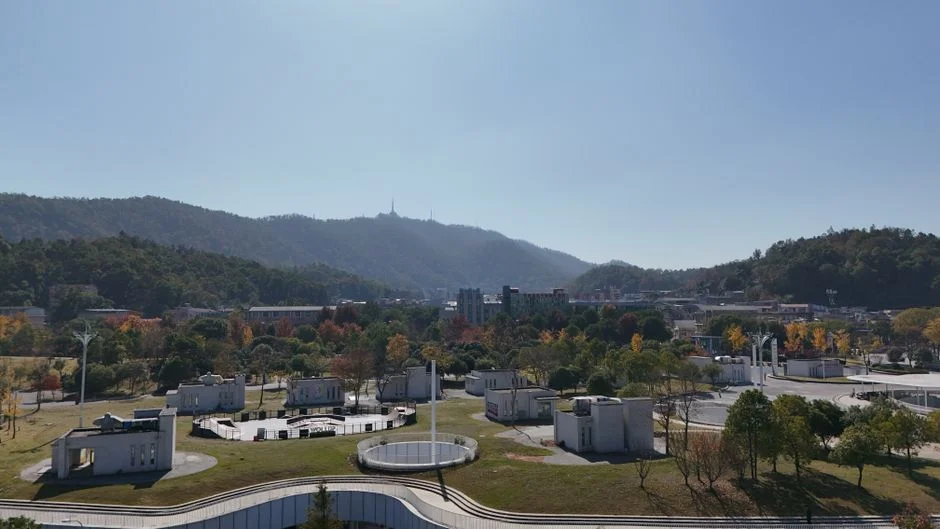
Choose MBR when the specified reuse route or site constraints justify membrane separation; choose the A/O package route when its treatment objective, capacity and buried configuration satisfy the project basis. Neither option should be selected from the product name alone: the comparison must use the same flow, influent, effluent, reuse and site constraints.
A buried A/O package treatment plant combines anoxic and aerobic biological contact oxidation, sedimentation and disinfection in one unit. For a project with a defined treatment objective, suitable hydraulic capacity and an available buried footprint, that integrated configuration can form the basis of the quotation. The supplier should state the process stages, treatment objectives, civil interfaces and any excluded site works.
An MBR membrane bioreactor system combines activated sludge with submerged membrane filtration. It should be considered when the specified reuse application or site constraints require the separation capability associated with membrane treatment. The Turkish resort evidence supports MBR as a tested route for carbonaceous and nitrogenous treatment with irrigation reuse, but it does not prove that MBR is required for every Turkish hotel project.
Compare footprint and installation depth, treatment objectives, reuse quality, hydraulic response, utilities demand, automation, operating staffing and maintenance requirements. Require each candidate quotation to state exclusions, assumptions and performance criteria against the same project inputs. If a reuse claim remains untested or the receiving route is undefined, hold final selection until that uncertainty is closed.
Build the site-input and quotation checklist
A comparable quotation requires every bidder to use the same project inputs and identify which party remains responsible for supplying missing information. The owner should provide occupancy and operating assumptions; the laboratory should provide wastewater analyses; the civil contractor should provide excavation, soil and groundwater information; the authority should confirm the discharge or reuse route; and the treatment supplier should define its process, equipment and commercial scope.
Use the greywater reuse equipment comparison as a secondary reference when separating reuse treatment from general wastewater treatment, but keep the hotel’s actual source streams and project specification controlling.
| Quote line item | Technical scope to specify | Red flags to check before signing |
|---|---|---|
| Design basis and hydraulic sizing | Average and peak daily flows, occupancy basis, seasonal demand, contributing streams and the resulting hydraulic calculation. | No flow basis, capacity quoted only from guest rooms, or peak demand excluded without justification. |
| Influent characterisation | Representative analyses covering carbonaceous and nitrogenous substances, sampling points and laboratory identification. | Domestic-sewage values assumed without site data, or analytical scope does not cover relevant streams. |
| Discharge and reuse performance | Identified receiving route, required effluent or reuse specification, sampling points and proposed treatment objectives. | Receiving authority or reuse application is unnamed, or compliance is claimed without a defined basis. |
| Equipment and process schedule | Process description, treatment stages, equipment schedule, design basis, utilities demand and control philosophy. | Only a product name is supplied, with no process basis, duty allocation or performance commitment. |
| Installation and civil interface | Available footprint, soil conditions, groundwater level, installation depth, excavation, tank or base construction, pipework and access requirements. | Ground conditions remain unverified, or excavation, civil works, lifting, controls cabling and connections are excluded without clarification. |
| Commissioning and handover | Scope for startup, testing, operator training, remote-control demonstration, site acceptance and document handover. | “Commissioning” does not define whether training, testing, site acceptance or documentation are included. |
| Commercial and maintenance scope | Warranty terms, recommended spares, maintenance obligations, consumables, technical support and ownership of routine tasks. | Price excludes installation, freight, civil works, commissioning, training or consumables without an explicit schedule of exclusions. |
Define acceptance before equipment delivery
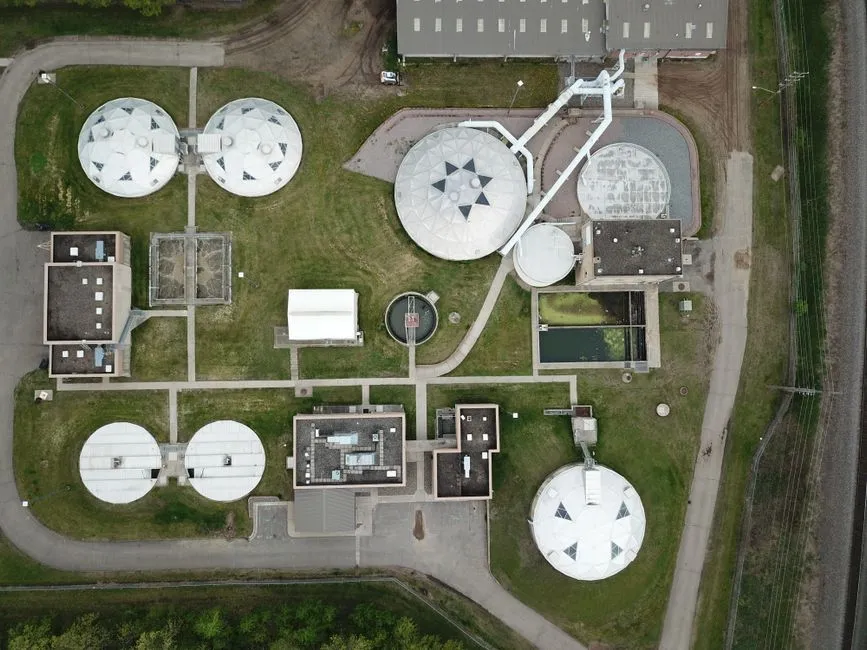
Define the acceptance route before contract signature. The agreement should identify the applicable discharge or reuse route, sampling points, test methods, test duration, acceptance values and responsible laboratory. Because the available evidence does not establish current Turkish discharge limits, permit authorities, standard acceptance tests or required documentation for this project, obtain those items from the responsible authority and specify them contractually.
Separate equipment delivery from installation, performance verification and handover. Confirm whether commissioning includes startup, operator training, remote-control demonstrations, site acceptance and documentation. Do not assume these activities are included merely because they appear in a general equipment description.
Reject or resolve any proposal that relies on an undefined flow basis, has no influent analysis, leaves the receiving route unresolved, omits acceptance criteria, hides installation-boundary exclusions or treats reuse suitability as an assumption. Require those matters to be closed before equipment manufacture or shipment where they affect the equipment design.
The A/O, MBR and compact-unit treatment decision guide offers a useful comparison pattern, but project-specific Turkish requirements must still be established and written into the acceptance schedule.
Frequently Asked Questions
Should a Turkish hotel choose a buried A/O package plant or an MBR system?
Choose the buried A/O package treatment plant when its documented treatment objective and capacity meet the project basis and the available footprint supports the buried configuration. Consider MBR when the defined reuse route or site constraints justify membrane separation. Request the same project inputs from both suppliers and require each proposal to state its treatment objectives, performance basis, installation boundary and exclusions. Turkish resort evidence demonstrates MBR use for irrigation reuse, but it does not establish MBR as the universal choice.
What flow and wastewater data must be included in a treatment quotation?
Include average and peak wastewater flow, the occupancy and seasonal basis, water-use or meter records, contributions from kitchens, laundries, rooms, pools and other operations, and representative analyses covering carbonaceous and nitrogenous substances. Obtain the average and peak flow from the owner or operator, the analyses from a laboratory, and the discharge or reuse route from the relevant authority. Also include the intended reuse application and required effluent or reuse specification.
Which tests and performance criteria should be included in the acceptance schedule?
Specify the applicable discharge or reuse route, sampling points, test methods, test duration, acceptance values and responsible laboratory before signing. Do not accept an unspecified statement such as “meets regulatory requirements” because the project evidence does not identify the governing Turkish permit, authority, test or numerical limit. Require the permit or written authority basis and convert it into measurable acceptance criteria.
Which installation, commissioning, training and warranty items should the supplier price separately?
Ask for separate prices or explicit exclusions for delivery, excavation and civil works, installation, pipework and electrical connections, utilities, startup, performance testing, operator training, remote-control demonstration, site acceptance, documentation, warranty, spares and consumables. Use the hotel treatment RFQ preparation guide to structure the enquiry, then require each bidder to complete the same scope schedule so omissions are visible.