Alberta installations of package wastewater treatment plants must meet CSA B66 structural tank rules and NSF/ANSI 40 Class I performance for residential-scale units. Rural, industrial, and remote sites still need AOWMA or municipal approvals. Capital costs typically run from $85,000 for a 10 m³/day MBBR unit to $450,000+ for a 100 m³/day turnkey plant. Payback for remote camps replacing septic systems is often framed at 5–10 years when pump-outs, fines, and haul costs are counted.
Why Alberta Remote and Industrial Sites Need Package Wastewater Treatment Plants
Package wastewater treatment plants treat camp, subdivision, and industrial sewage to numeric BOD and TSS limits where Alberta municipal sewers do not reach. They replace septic fields that fail in clay soils and −40°C winters. Most plants we size for oilfield camps run at the lower hydraulic end until occupancy peaks, then hold effluent with biofilm or membrane polishing.
Alberta onsite rules and municipal variances increasingly push operators away from septic-only layouts. A remote oil sands camp recently incurred a $120,000 fine for exceeding Alberta’s 25 mg/L TSS limit, with effluent samples registering >45 mg/L TSS from a failing septic field. Pump-out costs of $300–$500 per 3,000 L tank add up fast when leach fields pond or freeze. Packaged plants address those risks with continuous biological treatment, heated enclosures, and diesel-generator-compatible controls suited to limited operator access.
Alberta Certification Requirements for Packaged Plants
Alberta packaged plant approvals start with structural tank certification, then add performance proof and site permits. Earlier project specs often cited CAN/CSA-B66. The current National Standard of Canada is CSA B66:21 (CSA Group, October 2021). It covers design, materials, and manufacturing for prefabricated septic tanks, sewage holding tanks, and effluent chambers in steel, concrete, FRP, thermosets, and thermoplastics. NSF/ANSI 40 Class I sets residential performance: 30-day average CBOD5 ≤ 25 mg/L, TSS ≤ 30 mg/L, and pH 6.0–9.0. Rated capacities fall between 400 and 1,500 GPD (1,514–5,678 LPD, about 5.7 m³/day). Earlier guidance often wrote BOD5 < 25 mg/L and fecal coliform < 200 CFU/100 mL as the Class I benchmark. Industrial permits in Alberta frequently demand tighter limits than that residential baseline.
Rural and unserviced sites typically follow AOWMA design, installation, and maintenance expectations. Projects inside Calgary, Edmonton, or other municipal boundaries need local health or utility approvals and may face extra monitoring bylaws. Installing a packaged plant on First Nations land adds federal coordination under the 2021 First Nations Water and Wastewater Action Plan, alongside provincial certifications. Alberta also expects annual third-party inspections for packaged sewage treatment plants under provincial maintenance bulletins, so service contracts should be priced into the operating budget from day one.
| Certification Standard | Scope & Requirements | Alberta Relevance |
|---|---|---|
| CAN/CSA-B66 | Structural & material requirements for prefabricated septic tanks and sewage holding tanks. Covers fiberglass, concrete, and plastic tanks. Specifies pressure ratings, corrosion resistance, and freeze-thaw durability. | Mandatory for all packaged plants. Ensures tanks withstand Alberta's extreme temperatures and soil conditions. |
| NSF/ANSI Standard 40 Class 1 | Performance benchmarks for residential wastewater treatment systems (up to 1,500 GPD / 5.7 m³/day). Effluent limits: BOD5 < 25 mg/L, TSS < 30 mg/L, pH 6.0-9.0, fecal coliform < 200 CFU/100 mL. | Required for residential-scale packaged plants. Often used as a baseline for larger systems, with industrial permits typically requiring even stricter limits. |
| AOWMA Approvals | Provincial guidelines for onsite wastewater systems in rural and unserviced areas. Covers design, installation, and maintenance standards. | Applicable for remote camps, rural subdivisions, and industrial sites outside municipal services. Integrates with CAN/CSA-B66 and NSF/ANSI 40. |
| Municipal Bylaws | Local regulations for wastewater discharge within city/town limits. May impose additional effluent quality standards or specific permitting processes. | Relevant for projects within Calgary, Edmonton, or other urban centers. Can dictate specific monitoring or reporting protocols. |
| First Nations Water and Wastewater Action Plan (2021) | Federal framework for water and wastewater infrastructure on First Nations reserves. Includes funding, capacity building, and regulatory oversight. | Essential for any packaged plant project on First Nations land in Alberta, requiring coordination with Indigenous Services Canada. |
According to Standards Council of Canada notices on CSA B66:21, the 2021 edition remains the active National Standard designation for prefabricated tank design and materials, with a 2026 reaffirmation process underway. Buyers should request B66:21 markings and third-party structural certificates, not only older CAN/CSA-B66 language on datasheets.
What Is a Package Treatment Plant in Alberta?
A package treatment plant in Alberta is a pre-engineered modular unit that combines primary solids capture, biological treatment, and disinfection in one transportable footprint for sites without municipal sewer. Typical Alberta deployments serve remote workforce camps, rural subdivisions, and industrial pads that need year-round treatment under freeze risk. The plant must still clear CSA B66 tank integrity checks and the applicable performance standard before AOWMA or municipal sign-off.
Compared with a septic tank and leach field alone, the package plant actively aerates and clarifies so effluent can meet numeric BOD and TSS limits even when clay soils limit infiltration. For high-efficiency discharge targets, many Alberta buyers pair or compare biofilm units with MBR systems for Alberta’s high-efficiency effluent requirements. Where seasonal occupancy swings, operators usually keep a trash or equalization tank upstream so the biology does not see raw slug loads every shift change.
MBBR vs. Conventional Systems: Performance, Costs, and Alberta-Specific Trade-offs
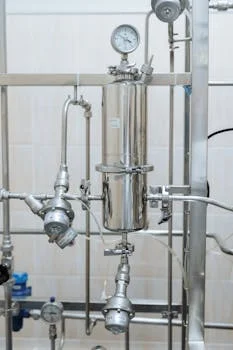
Selecting between MBBR and conventional activated sludge for Alberta packaged plants turns on cold-weather stability, sludge mass, and pad area. MBBR uses plastic carrier media at typically 300–500 m²/m³ specific surface area inside the aeration tank so biofilm can keep working when water temperature drops. Advanced MBBR packages with dissolved oxygen (DO) control can cut aeration energy 30–40% versus continuous full-throttle aeration by matching oxygen delivery to load.
Conventional activated sludge relies on suspended flocs that need closer operator attention and produce more sludge—about 0.6–0.8 kg TSS/kg BOD removed versus MBBR’s 0.3–0.5 kg. In Alberta winters, biofilm resilience supports treatment toward −20°C process conditions, while many conventional suspended-growth trains struggle below about 5°C water temperature without extra heat or cover. MBBR footprints are often up to 50% smaller than conventional basins, which matters on leased pads. At industrial power near $0.12/kWh, DO-optimized MBBR savings on a 50 m³/day plant can land around $2,500–$8,000 per year. Compact underground options such as the Underground Package Sewage Treatment Plant (WSZ Series) fit remote camps that need freeze protection without a large building envelope.
| Feature | MBBR System | Conventional Activated Sludge |
|---|---|---|
| Process Type | Biofilm growth on carrier media | Suspended bacterial flocs |
| BOD Removal | 90-95% (typically <10 mg/L effluent) | 85-90% (typically 15-25 mg/L effluent) |
| TSS Removal | 90-95% (typically <10 mg/L effluent) | 85-90% (typically 15-25 mg/L effluent) |
| Sludge Production | 0.3-0.5 kg TSS/kg BOD removed (lower) | 0.6-0.8 kg TSS/kg BOD removed (higher) |
| Cold-Weather Performance | Excellent (biofilm resilience down to -20°C) | Poor (biological upsets below 5°C) |
| Footprint Requirement | Compact (up to 50% less space) | Larger (requires more land for aeration basins) |
| Energy Consumption | Lower (30-40% savings with DO control) | Higher (continuous aeration demand) |
| Operational Complexity | Moderate (less operator intervention) | Higher (more sludge management, process control) |
| Resistance to Shock Loads | High (robust biofilm) | Moderate (susceptible to upsets) |
What Does a Package Treatment Plant Cost to Upgrade?
Upgrading from septic or an aging package train in Alberta usually starts at $85,000–$120,000 for a 10 m³/day fiberglass MBBR. A 100 m³/day concrete turnkey train with automation and nutrient removal often runs $250,000–$450,000+. Those figures are equipment-only ranges before remote logistics. Installation commonly adds $20,000–$50,000, rising when cranes, insulated piping, and heated enclosures are required on oil sands or mountain sites.
Operating costs typically sit at $0.80–$1.50 per cubic meter treated, covering aeration power, pumps, disinfection chemicals, and routine checks. A remote camp leaving septic pump-outs and fine exposure behind can see about a 5-year payback; a subdivision avoiding municipal connection fees may see closer to 8 years. Hidden line items still bite budgets: permitting delays $5,000–$15,000, soil testing $2,000–$4,000, and leach-field redesigns $10,000–$30,000 when disposal infrastructure fails Alberta requirements. Chemical polishing and pH trim often need a reliable dosing skid; specify a PLC-controlled chemical dosing for Alberta’s variable influent loads when ammonia, phosphorus, or disinfection residuals must stay inside permit windows.
| Cost Category | Description | Typical Range (Alberta, 2025) |
|---|---|---|
| Capital Cost (System Only) | Base cost of packaged treatment unit (MBBR, activated sludge, MBR) | $85,000 – $120,000 (10 m³/day MBBR, fiberglass) $250,000 – $450,000+ (100 m³/day turnkey, concrete) |
| Installation Cost | Site preparation, excavation, crane rental, piping, electrical, commissioning | $20,000 – $50,000 (Higher for remote sites, complex terrain) |
| Permitting & Engineering | Regulatory applications, engineering design, environmental impact assessments | $5,000 – $25,000 (Varies by complexity and location, e.g., AOWMA vs. municipal) |
| Operating Costs (Annual) | Energy, chemicals (disinfection, pH adjustment), routine consumables | $0.80 – $1.50/m³ treated water (e.g., $15,000 – $30,000 for 50 m³/day plant) |
| Maintenance & Inspections (Annual) | Third-party inspections, preventative maintenance, minor repairs | $1,500 – $3,000 (Excluding major component replacement) |
| Sludge Handling/Disposal (Annual) | Hauling and disposal of accumulated sludge | $5,000 – $15,000 (Depends on volume, haul distance, and disposal site fees) |
| Hidden Costs (Potential) | Unexpected soil conditions, regulatory delays, leach field redesigns, specialized access | $2,000 – $30,000+ |
When comparing upgrade bids, normalize cost per m³/day of firm capacity at winter design temperature, not summer nameplate alone. Add five-year sludge haul and inspection totals beside the equipment quote so the cheap capital option does not win on paper and lose in operations.
Supplier Qualification Checklist: 10 Questions to Ask Before Procuring a Plant in Alberta
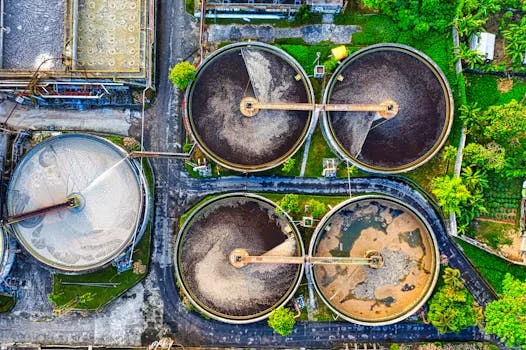
Choosing a supplier for an Alberta packaged plant needs the same rigor as selecting the process train. Use these ten questions before you issue a purchase order:
- Certification Documentation: Can the supplier provide proof of CAN/CSA-B66 / CSA B66:21 structural certification and NSF/ANSI Standard 40 Class I performance compliance for their proposed system? Request specific test reports and certification numbers.
- Local Service Network: Does the supplier maintain an Alberta-based team of technicians for emergency repairs, routine maintenance, and commissioning? A local presence, like Water Dr.’s Calgary team, is crucial for timely support in remote locations.
- Cold-Weather Performance Data: What specific data or design features demonstrate the plant’s reliable operation at −40°C? Look for insulated tanks, heated pump chambers, and proven cold-climate biological resilience.
- Warranty Terms: What are the structural and performance warranty terms? A minimum 10-year structural warranty and a 2-year performance warranty are standard expectations for Alberta sewage treatment plant suppliers.
- Turnkey vs. Modular Capabilities: Does the supplier offer full turnkey solutions, including engineering, permitting support, installation, and commissioning, which are critical for complex remote projects? Or do they provide modular units that integrate into existing infrastructure?
- Energy Efficiency Guarantees: Can the supplier quantify the energy consumption of their system, particularly with features like dissolved oxygen (DO) control (e.g., iQ.MBBR™) to mitigate Alberta’s high industrial electricity rates?
- Maintenance Contracts & Monitoring: What annual inspection packages ($1,500–$3,000/year) and remote monitoring services (e.g., 24/7 SCADA access) do they offer to ensure ongoing performance and proactive issue detection?
- Alberta-Based References: Can the supplier provide references or case studies from similar installations in Alberta, specifically for remote camps, rural subdivisions, or industrial facilities?
- Permitting Support Expertise: What is their experience with navigating AOWMA or municipal approvals in Alberta? Suppliers like Tanks-A-Lot, with their BC/Alberta track record, often have established relationships and understanding of local regulatory nuances.
- Sludge Disposal Partnerships: Does the supplier have established partnerships with Alberta-licensed waste haulers (e.g., GFL Environmental) to ensure compliant and cost-effective sludge disposal?
Cold-climate selection checklist before you freeze the design:
- Confirm CSA B66:21 tank marking and NSF/ANSI 40 Class I (or tighter permit) certificates match the exact model shipped.
- Size aeration and enclosure heat for −40°C ambient and the lowest expected mixed-liquor temperature, not average winter.
- Verify sludge storage days between haul windows for your road ban calendar.
- Require Alberta technician response times in writing for the camp GPS coordinates.
- Budget annual third-party inspection and SCADA alarming as fixed OPEX, not optional extras.
- Check disposal field or discharge route against AOWMA or municipal bylaws before pad construction.
- Compare lifecycle cost at $0.12/kWh and your actual haul distance, not brochure kWh/m³ alone.
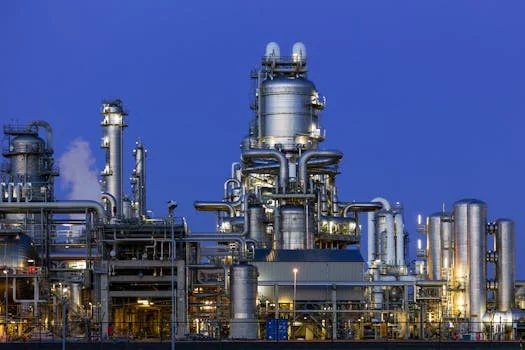
For freeze-prone pads that need a buried footprint, the same Underground Package Sewage Treatment Plant (WSZ Series) used on remote Alberta sites keeps hydraulic trains below grade while leaving controls accessible for winter service.
Who This Is For / Who Should Look Elsewhere / Next Step
This guide is for plant engineers, EPC contractors, and procurement managers sizing packaged treatment for Alberta camps, rural subdivisions, and industrial pads outside municipal sewer. Look elsewhere if a firm municipal connection with reserved capacity is already available. Also look elsewhere if flow needs a custom civil plant rather than a transportable package. When you have flow (m³/day), winter design temperature, and target effluent limits, request a packaged plant quote with those three inputs so sizing and certification can be checked against Alberta permit paths.
Frequently Asked Questions
How many wastewater treatment plants are there in Alberta?
Alberta has over 500 municipal wastewater treatment plants (per Alberta Environment 2023 data) and approximately 1,200 packaged plants serving remote sites, subdivisions, and industrial facilities across the province. Counts shift as camps open and close, so confirm current municipal inventories with the regulator when you need an exact regional total for planning.
What is a wastewater package plant?
A wastewater package plant is a pre-engineered, modular system that integrates primary treatment (for example a trash tank), biological treatment (MBBR or activated sludge), and disinfection into one compact unit. These systems serve sites without municipal sewer and treat wastewater to the discharge standard written in the permit. Alberta units still need CSA B66 structural compliance and the performance certificate required for the duty.
Where does Edmonton sewage go?
Edmonton’s wastewater is primarily treated at the Gold Bar Wastewater Treatment Plant (150 MLD capacity) and the Alberta Capital Region Wastewater Commission (ACRWC) Plant (200 MLD capacity). The Pine Creek Wastewater Treatment Plant also serves the city’s expanding southern growth areas with advanced treatment. Packaged plants remain relevant only outside those collection catchments or for temporary construction flows.
How many wastewater treatment plants are there in Calgary?
Calgary operates three major municipal wastewater treatment plants: Bonnybrook, Fish Creek, and Pine Creek. The region also has approximately 300 packaged plants serving rural subdivisions and outlying industrial areas (per City of Calgary 2024 data). Buyers near city edges should confirm whether annexation or regional sewer extensions will obsolete a package plant within the asset life.
Can I install a packaged plant on First Nations land in Alberta?
Yes, a packaged plant can be installed on First Nations land in Alberta when CSA B66 and NSF/ANSI 40 requirements are met. Federal approvals under the First Nations Water and Wastewater Action Plan are also required. Coordinate early with Indigenous Services Canada and the community utility authority so funding, training, and discharge rules align before equipment is ordered.