Start with the effluent decision, not the product name
For an industrial effluent treatment plant in Krakow, the practical choice is usually between DAF, MBR and UF, but no single route can be selected from the keyword alone. DAF is primarily a physical pretreatment for suspended solids, oil, grease and flotation-sensitive material; MBR combines biological treatment with membrane separation; UF provides fine solids and bacteria separation without the biological stage. The final decision depends on wastewater composition, discharge or reuse route, available footprint and treatment objective. Krakow Kujawy demonstrates the importance of the city’s municipal wastewater context, while academic research supports membrane polishing for reuse applications. Obtain site data, verify the applicable permit route and issue a scope-specific RFQ.
Classify the proposed plant before selecting equipment. It may be industrial effluent pretreatment ahead of municipal conveyance, a biological treatment stage, tertiary polishing, or a water-reuse treatment train. These are different duties with different acceptance criteria. For comparison, see DAF, MBR or package treatment routes for industrial effluent.
Krakow Kujawy is described by UtilityRadar as a major wastewater treatment plant serving over 355,000 people in Krakow and operating under the EU Urban Waste Water Treatment Directive for the Vistula River basin. That establishes municipal context only; it does not establish the permit, treatment capacity or numerical discharge limits available to an industrial discharger. Confirm the connection and acceptance conditions for the specific site.
For reuse, distinguish advanced polishing from biological treatment. University of Twente research assessed nanofiltration for polishing wastewater-treatment-plant effluent to a quality suitable for agricultural or direct or indirect potable use. That supports investigating membrane polishing where such reuse is intended, but it does not replace a project-specific reuse specification or Krakow permit verification.
Match the treatment route to the wastewater
The chosen treatment route must align with measured contaminants and the required final function. Suspended solids, oil and grease or other floatable material point toward DAF; biodegradable organics requiring biological treatment point toward MBR; bacteria, colloids and fine solids separation after upstream treatment point toward UF. Request the data that confirms each decision rather than accepting a route name as proof of suitability.
| Discharge route or influent problem | Governing rule or process option | What data settles it |
|---|---|---|
| Suspended solids, oil, grease, FOG or other material that can be floated | Evaluate a DAF system for industrial wastewater pretreatment. Confirm that the waste is suitable for flotation rather than dissolved or finely emulsified. | Representative oil and grease concentrations, suspended-solids profile, particle-size distribution, temperature, pH and any emulsion-breaking or chemical requirement. |
| Biodegradable organic load requiring biological treatment and membrane separation | Evaluate an integrated MBR wastewater treatment system. Separate the biological design duty from the required membrane separation. | COD, BOD, nutrients, temperature, biomass characteristics, flow profile, fouling indicators and the required filtration performance. |
| Bacteria, colloid and suspended-solid separation after upstream treatment | Evaluate UF as ultrafiltration wastewater polishing. Do not assume it replaces biological treatment. | Turbidity, suspended solids, flow, upstream process, required permeate quality, downstream reuse specification and concentrate-handling route. |
| On-site process water or another specified reuse application | Define the receiving application and its water-quality specification, then determine whether MBR, UF or another polishing step is required. | Intended use, client or process specification, sampling protocol, recovery requirement and consequences of exceeding the specification. |
| Possible micropollutant removal from treatment-plant effluent | Consider research findings only as a screening step. Wageningen University and Research identifies constructed wetlands as a research route, but the available material does not establish suitability for an industrial Krakow project. | Contaminant-specific analysis, site feasibility, hydraulic loading, treated-water use, residual-handling requirements and independent performance evidence. |
Check Krakow site, permit and reuse constraints
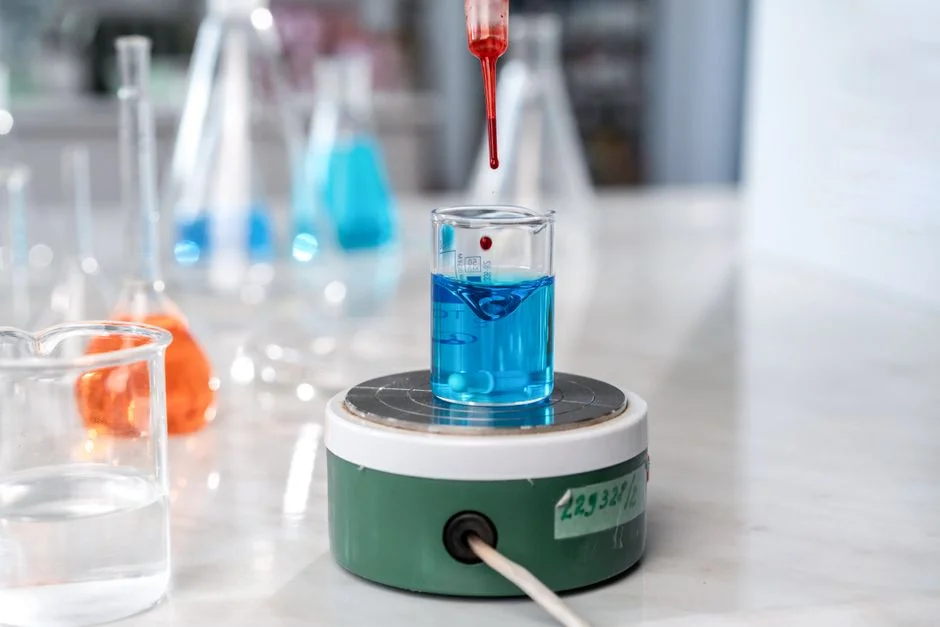
The discharge route dictates the pretreatment requirements and the necessary acceptance tests for the supplier contract. Industrial flow may enter the municipal network, leave through an authorized route, or be treated for on-site reuse.
Verify the receiving water, applicable permit and municipal connection conditions with the relevant authority for the site. The available information does not identify the site’s permitting authority or numerical discharge limits, so request the applicable permit and connection documentation rather than extrapolating from Krakow Kujawy’s municipal context.
Record site constraints before comparing equipment layouts. The buyer needs available footprint, utilities, installation access, noise constraints, sludge or concentrate handling, treatment capacity, redundancy and automation requirements. For a reuse project, state whether the intended product is process water, irrigation, boiler feed or another application, and obtain the recipient’s water-quality specification. MBR versus UF for industrial wastewater reuse provides a useful separation of those two duties, but the local requirement still governs.
Build an RFQ scope that can be compared
A comparable quotation must expose the bidder’s design basis and performance obligations. Require the supplier to identify the design flow, treatment objective, process route, duty cycle, utilities, controls and performance guarantee. The same data must be used consistently; otherwise the quotations may describe different plants.
Request the sizing parameters, preliminary and final effluent targets, reject or bypass limits, test methods and contingency assumptions. For DAF, MBR and UF, the industrial effluent treatment and DAF selection approach can be adapted by asking each bidder to show which measured influent characteristics drove its process choice.
| Quote line item | Technical scope to specify | Red flags to check before signing |
|---|---|---|
| Design basis and route | Average and peak influent flow; wastewater analysis; discharge or reuse destination; selected process sequence; duty cycle; available footprint and utilities. | Headline capacity without a wastewater basis, an unexplained route change, or assumptions that shift site costs or treatment obligations to the buyer. |
| Process performance | Preliminary and final effluent targets; rejection or bypass conditions; test methods; sampling points; contingency assumptions and identified fouling or upset risks. | Untested guarantees, unspecified test methods, guarantees tied only to nominal values, or no defined response when the influent departs from the design basis. |
| Equipment and utilities | Equipment scope, duty allocation, controls, automation, utilities required, installed access, noise criteria and available power or water connections. | Excluded pumps, aeration, membranes, controls or pretreatment without identifying them, and utility demands that conflict with verified site capacity. |
| Residuals | Sludge, float, reject or concentrate characteristics; collection method; storage; removal frequency; final disposal route and associated operating requirements. | Residual handling omitted from scope, or a disposal route assumed without confirmation by the waste contractor or authority. |
| Commissioning and handover | Testing plan, acceptance criteria, operator training, documentation, recommended spares, preventive maintenance, warranty support and named technical contacts. | No measurable acceptance test, incomplete O&M information, no responsibility for defects, or handover depends on results outside the supplier’s control. |
Treat unexplained exclusions, untested guarantees and missing wastewater data as pre-signature issues. A supplier may appropriately qualify its performance, but the qualification should identify the required influent condition and its effect. That preserves comparability and prevents the buyer from signing a process whose capacity applies only to a narrow test condition.
Related Equipment
- DAF system for industrial wastewater pretreatment — specifications, capacity range, and technical data
Frequently Asked Questions
How should DAF, MBR and UF be compared for an industrial effluent plant in Krakow?
Compare each route against the contaminant class and final duty. Use DAF when floatable material, oil and grease, or suspended solids drive pretreatment; use MBR when biological treatment and membrane separation are both required; use UF when the duty is fine solids, bacteria and colloid separation after upstream treatment. The wastewater analysis, discharge route and reuse specification determine which comparison applies.
What wastewater flow and quality data are needed to size the treatment route?
Request average and peak flow with the diurnal profile, plus COD, BOD, suspended solids, turbidity, oil and grease, pH, heavy metals, nutrients and temperature as applicable. For MBR, also request biomass characteristics and fouling indicators. For DAF, request particle-size and emulsion information; for UF, request upstream process and concentrate-handling details. Use representative samples rather than a single untested laboratory result.
Which discharge and reuse requirements must be verified before selecting equipment?
Confirm whether the flow enters the municipal network, uses an authorized discharge route, or supplies on-site reuse. Obtain the site’s applicable permit and connection conditions from the relevant authority; the Krakow municipal context does not supply project-specific limits. For reuse, obtain the recipient’s water-quality specification, including the intended use, sampling method and required response to non-compliant water.
What should a supplier include in a wastewater treatment plant quotation and acceptance test?
Require the quotation to state the design flow, wastewater design basis, process route, utilities, controls, preliminary and final targets, reject limits, test methods, residual handling, commissioning, training, documentation, spares, maintenance and warranty. Make the acceptance test reference those same targets, sampling points and methods. A separate cost or pricing check should request a complete bill of quantities with the exclusions identified; without site data and a settled scope, a credible budget cannot be established from generic route names alone.