Choose the treatment route from the site's constraints
Connecting to a sewer, installing a buried WSZ A/O package plant, or using an MBR system are the primary options for a sewage treatment project in Lithuania. WSZ suits a compact, largely automated biological treatment route; MBR becomes more relevant when membrane-based solids separation or reuse justifies the added equipment scope. The decision should follow verified flow data, effluent objectives, footprint, sewer availability and sludge-handling needs. Current Lithuanian discharge limits, approvals and municipal connection requirements must be confirmed locally rather than inferred from general wastewater guidance.
Begin the selection by obtaining:
- The average wastewater flow and peak-hour flow, with the period and data source used for each.
- Influent BOD, COD, TSS, fats, oils and grease, pH and temperature.
- The required discharge route, applicable limits and intended reuse, if any.
- Available footprint, burial depth, soil conditions and equipment-access routes.
- Power supply, operator availability and maintenance capability.
- Residual-sludge volume, characteristics and proposed handling method.
Do not select equipment from a general description of Lithuanian wastewater infrastructure. A sewer connection assessment requires confirmation from the receiving utility on connection availability, capacity, charges, pre-treatment requirements and approval process. The Lithuanian industrial wastewater equipment selection guide provides a broader equipment-selection context, while the comparison of MBR and UF for Lithuanian wastewater reuse is relevant when reuse is part of the project objective.
Treat circularity as a recovery assessment, not an automatic plant specification. Academic work cited in the project evidence notes that wastewater and sewage sludge can be resources for recovering materials and energy, while also warning that implementation in a relatively small country requires additional research and monitoring. Ask the bidder whether recovery is technically justified and, if proposed, request the supporting mass balance, energy balance and regulatory route.
Compare sewer, WSZ and MBR options
Choosing the route that satisfies the discharge obligation with the least unresolved technical scope is essential for project success. The comparison below identifies the information needed to decide between sewer infrastructure, a packaged biological plant and membrane-based treatment.
| Discharge route or influent problem | Governing rule or process option | What data settles it |
|---|---|---|
| Public sewer is available and can receive the wastewater | Sewer connection; treatment responsibility transfers to the receiving network only as confirmed by the utility | Written utility confirmation, connection capacity, applicable pre-treatment requirements, connection cost and approval lead time |
| No adequate sewer connection and biological treatment is sufficient | Buried WSZ A/O package route | Average and peak flow, influent characteristics, required effluent quality, footprint, burial conditions, power and maintenance access |
| Membrane-based separation or a defined reuse specification is required | MBR membrane bioreactor route | Reuse target, solids separation requirement, membrane operating constraints, site envelope, pretreatment needs and utilities demand |
| Highly variable or contaminated influent | Appropriate pretreatment before the selected biological train | COD, BOD, TSS, fats, oils and grease, pH, temperature and documentation of industrial discharge characteristics |
The WSZ route can be installed below grade or mounted on a trailer. Confirm actual local control mode, routine visits, sludge removal and maintenance obligations rather than treating the package description as a complete O&M plan.
For WSZ, compare the WSZ package sewage treatment plant against the receiving sewer’s requirements. For MBR, evaluate the MBR wastewater treatment system only against defined effluent and reuse requirements. Compare the complete process scope—including pretreatment, biological treatment, solids separation, disinfection, controls and residuals—rather than comparing the main units in isolation.
Build a treatment train around the wastewater and sludge
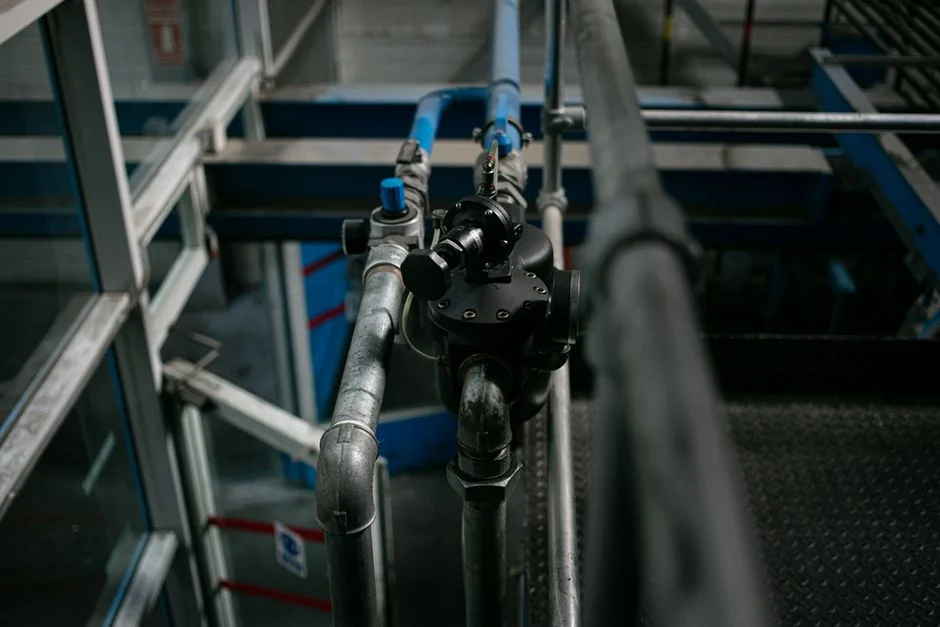
A main treatment unit cannot be sized responsibly until the influent, pretreatment requirements and residual-handling route are defined. Request COD, BOD, TSS, fats, oils and grease, pH and temperature, then ask each bidder to show how those inputs affect biological loading, retention, pretreatment and solids handling.
Include headworks protection where rags, plastics or fibrous debris are present. The GX rotary mechanical bar screen is intended for municipal and industrial wastewater headworks; its inclusion should follow an inspection of the influent and a solids-management assessment.
Define the sludge pathway separately from the liquid-treatment train. Where residuals are generated, request the estimated production basis, storage, conditioning, transport and final destination. The available plate and frame filter press range is 1–500 m² filtration area, but the appropriate equipment must be selected from sludge characteristics and required dewatering performance rather than from filtration area alone.
Recovery remains an optional engineering workstream. Lithuanian sludge characteristics and thermal-use perspectives were examined in the cited academic work, while another study investigated sewage-sludge biochar preparation. These studies support further investigation, but they do not establish a universal equipment requirement or guarantee a viable recovery route for a particular site.
Turn the selection into a quotation-ready scope
A comparable quotation must define the same design basis, site boundaries, approval responsibilities and acceptance obligations for every bidder. Require the supplier to state the design flow, process route, incoming wastewater basis, expected effluent quality and treatment objectives before asking for a price.
| Quote line item | Technical scope to specify | Red flags to check before signing |
|---|---|---|
| Design basis and process route | Average and peak flow, influent characteristics, discharge route, treatment objectives and agreed design assumptions | Flow described only as an average; no wastewater analysis; “standard” unit offered without a defined application basis |
| Equipment and site works | Duty-specific schedule, drawings, process description, utilities demand, controls narrative, civil works interfaces and installation sequence | Pretreatment, disinfection, sludge handling or membrane functions omitted from the price and scope boundary |
| Approvals and compliance | Named responsible party for the permit or discharge route, required sampling, compliance verification and interface with the sewer utility | Supplier states that the buyer is responsible for everything without identifying the authority, document or approval step |
| Recovery claims | Documented mass and energy balance, feedstock basis, operating assumptions, by-product destination and performance guarantees | Energy recovery described using modeled potential without a mass balance or a corresponding plant guarantee |
| Commissioning and handover | Startup support, training, test plan, as-built documents, spares, warranty boundaries, escalation route and defects process | Commissioning ends at equipment delivery; obligations for utilities, sampling, permits or operator competence are left undefined |
Ask bidders to state who supplies site data, who confirms the applicable Lithuanian permit or discharge route, and who performs sampling and compliance verification. Where chemical dosing is required, define the duty and controls rather than leaving it as an unspecified allowance. The automatic chemical dosing system should be specified against the treatment objectives, chemical inventory, storage arrangement and operating controls.
For energy-recovery or sludge-recovery proposals, require a documented mass and energy balance. The cited plasma-assisted gasification research describes a modeled thermal efficiency approaching 85%, but that is an engineering claim about the modeled configuration—not a guaranteed sewage treatment plant efficiency or acceptance criterion.
Set acceptance and handover criteria
Objective acceptance criteria should be agreed before delivery or commissioning. Specify test influent conditions, sampling points, analytical methods, frequency and acceptance thresholds in the purchase specification, using the applicable Lithuanian permit or confirmed sewer requirements once verified.
Include functional tests for controls, alarms, automatic backwash or membrane-related functions, access arrangements and routine maintenance tasks. For MBR equipment, ask how membrane condition, cleaning, replacement and downtime are documented; for WSZ equipment, verify the sequence for routine inspection, sludge removal and alarm response.
Define startup support, operator training, as-built documentation, spare parts, warranty boundaries and a clear escalation process. State who owns each deliverable and what evidence closes it. An energy-recovery claim should be accepted only against an agreed test or documented performance calculation—not on the basis of modeled efficiency alone.
Related Equipment
- evaluate the MBR wastewater treatment system — specifications, capacity range, and technical data
Further Reading
Frequently Asked Questions
Should we choose WSZ or MBR for a Lithuanian site?
Choose WSZ when a compact biological package treatment route satisfies the confirmed effluent and discharge requirements and the site can support installation and maintenance. Evaluate MBR when the required solids separation, reuse specification or operating objectives justify membrane equipment. Decide only after comparing peak flow, wastewater analysis, effluent criteria, footprint and utilities with the same design basis.
What information is needed to obtain a technically usable sewage treatment quotation?
Provide average and peak flow; COD, BOD, TSS, fats, oils and grease, pH and temperature; the discharge route and reuse objective; footprint and installation constraints; power and operator availability; and sludge characteristics. Also request the supplier’s design assumptions, drawings, process description, duty-specific equipment schedule, utilities demand, controls narrative and commissioning scope so omissions can be compared consistently.
How should acceptance testing, approvals and operator training be allocated?
Allocate each obligation by name in the purchase specification. The permit-confirming party should identify the applicable Lithuanian requirement and discharge route; the testing party should define sampling points, analytical methods, frequency and thresholds; and the supplier should perform functional tests. Require startup support and operator training as distinct handover deliverables, with records and acceptance signatures.
What should the buyer check about cost, delivery and long-term maintenance?
Request a line-item quotation that separates equipment, civil works, installation, approvals, utilities, commissioning, training, spares, warranty support and residual disposal. No supported site-specific price is available, so obtain a quotation rather than use an assumed price. Also require the delivery schedule, commissioning prerequisites, spare-parts list, response times, maintenance access and escalation process before award.