Frame the Town-Scale Decision
Town sewage treatment projects require a choice between a buried A/O package plant and an MBR system, but capacity alone is insufficient for selection. The available commercial evidence describes a packaged plant designed for towns and villages with 400 to 5,000 population equivalents (PE), while other supplied packaged lines cover 30–300 PE, so application scale and design basis must be checked. NPDES permits establish discharge limits and conditions for municipal wastewater treatment facilities discharging to waters of the United States. Compare design flow, effluent requirements, site constraints and sludge handling before requesting prices.
The population-equivalent figure is a screening reference, not a substitute for a hydraulic and loading design. ASIO states that its AS–VARIOcomp D package plant is designed for towns and villages with 400 to 5,000 PE; the smaller 30–300 PE examples cannot be assumed to match the same duty without further evidence. If the collection system includes substantial infiltration and inflow, peak wet-weather flow may govern even when average residential flow is manageable.
Before selecting either route, ask the project engineer for current and projected average and peak wastewater flow, the population-equivalent basis, sewer ownership, infiltration and inflow conditions, and the required effluent destination. Confirm whether the route is discharge to waters of the United States, reuse, or another receiving system. The EPA states that NPDES permits establish discharge limits and conditions for relevant municipal discharges, while the permit or receiving-system document must define the obligations that apply to the actual project.
Use the project data to establish the route before comparing equipment quotations. A further comparison of sewer, A/O and MBR routes can help structure that screening, but supplier selection still requires site-specific flow, loading and permit information.
Compare the Treatment Routes
Bidders must test the same project inputs against site, process and operating constraints rather than comparing nominal capacities from different design bases. A buried A/O package plant and an MBR can both be evaluated for municipal wastewater treatment, but their installation, maintenance and solids-handling implications differ.
| Discharge route or influent problem | Governing rule or process option | What data settles it |
|---|---|---|
| Installation space and depth | Compare the buried configuration with the physical arrangement, installation depth and access required for the MBR. | Available footprint, underground services, excavation access and construction constraints from site drawings. |
| Soil and groundwater | Assess whether a buried A/O package installation is practical and define any required ground or groundwater controls. | Geotechnical report, groundwater levels, soil conditions and excavation or dewatering requirements. |
| Wet-weather flow variation | Confirm that each route has sufficient hydraulic and biological capacity for the confirmed peak and influent loading. | Current and projected average and peak flow, infiltration and inflow data, and the selected design basis. |
| Routine maintenance and lifting | Define access for a buried A/O unit, including aeration, sedimentation and sludge removal; separately define membrane inspection and replacement access for MBR. | Maintenance access drawings, lifting plan, spare-parts list and named responsibility for each maintenance task. |
| Sludge and power requirements | Compare the full solids-handling and utility requirements of both routes rather than treating them as ancillary items. | Sludge quantity, dewatering method, disposal or beneficial-use destination, power supply and operator involvement. |
The buried A/O package sewage treatment plant uses anoxic and aerobic biological contact oxidation followed by sedimentation and disinfection within a buried package arrangement. For comparison, the integrated MBR wastewater treatment system should be assessed with its membrane-related inspection, cleaning and replacement requirements stated in the quotation.
Capacity examples should not determine the route by themselves. The buyer must confirm design flow, peak demand, influent loading and required effluent quality against a common project basis. Installation depth, soil and groundwater conditions, maintenance access, power demand, operator involvement and sludge handling must be compared on the same terms for both options.
Match the Plant to Influent and Effluent Conditions
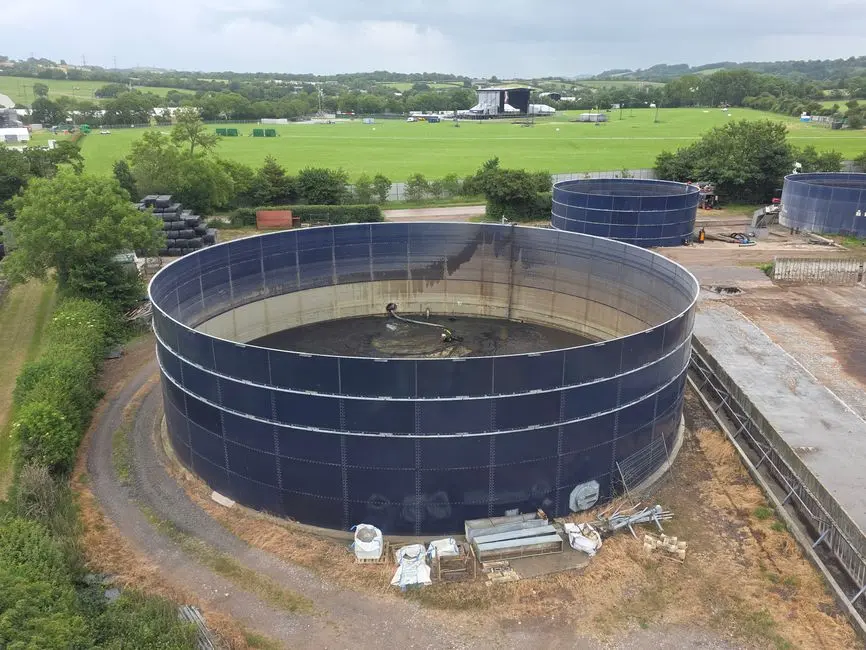
Residential population equivalents are insufficient to establish biological loading or treatment adequacy. Obtain measured wastewater characteristics before finalizing the treatment train, including BOD, COD, suspended solids, fats, oils and grease, pH and temperature. Identify any industrial, commercial or hauled-waste contributions that could change pretreatment or biological loading requirements.
| Discharge route or influent problem | Governing rule or process option | What data settles it |
|---|---|---|
| Rags, plastics and fibrous debris | Evaluate the GX Series rotary mechanical bar screen as headworks protection before biological treatment. | Wastewater characterization, debris observations and a headworks solids-loading basis. |
| High suspended-solids or grease loading | Determine whether pretreatment, equalization or another upstream process is needed before the selected biological route. | Influent BOD, COD, suspended solids, fats, oils and grease results and documented loading assumptions. |
| Required disinfection or solids separation | Confirm which unit processes are included in the biological, clarification and disinfection scope. | Required effluent parameters, receiving route and applicable discharge or reuse criteria. |
| Potential reuse application | Do not infer suitability from the wording of a general sewage-plant requirement. | Written reuse criteria, intended end use, receiving-system requirements and the applicable permit or approval. |
The GX Series rotary mechanical bar screen is designed for municipal and industrial wastewater headworks and removes suspended solids, rags, plastics and fibrous debris before biological treatment. Its inclusion in the quotation should depend on the confirmed screening duty, available headworks space and the selected route.
Match the complete treatment train to the receiving requirement rather than describing the output only as “treated sewage.” If additional clarification or filtration is contemplated, require the supplier to define its purpose, performance basis and interfaces. The available ultrafiltration water-treatment system should not be treated as part of the core treatment route without a defined treatment objective and effluent specification.
Turn the Selected Route into an RFQ
Make the RFQ measurable by attaching the design basis, site information, scope boundaries and acceptance tests to the request for price. A quotation that lists only a package capacity does not establish whether headworks, civil works, controls, solids handling or commissioning are included.
| Quote line item | Technical scope to specify | Red flags to check before signing |
|---|---|---|
| Design basis and process guarantee | State average and peak flow, design population equivalent, influent limits, required effluent parameters, test duration and sampling method. | Capacity is stated without a design flow; performance is guaranteed on an unconfirmed influent; temporary influent deviations are used to excuse failure. |
| Headworks and biological treatment | Price screening, biological treatment, clarification and disinfection as separate line items, including the selected process route. | “Complete plant” wording omits screens, clarification, disinfection, controls or ancillary piping. |
| Civil works and buried installation | Define excavation, structural works, installation, backfill, restoration, groundwater controls and interfaces with the collection system. | Site works are excluded without a stated allowance, provisional sum or responsibility matrix. |
| Controls, power and utilities | Identify local or remote controls, alarm and event functions, power supply requirements, backup-power obligations and utility connections. | Power availability is assumed; controls, wiring, programming or backup power are not allocated to either party. |
| Sludge handling | State sludge production basis, removal, dewatering, storage, transport and final disposal or beneficial-use route. | The supplier generates sludge but leaves storage, transport and disposal without an owner or cost allocation. |
| Commissioning and acceptance | Price start-up with actual wastewater, performance testing, sampling, training, operating manuals, records, spares and warranty boundaries. | Acceptance relies on clean-water operation rather than confirmed wastewater; site acceptance testing or training is excluded. |
| Named subcontractors | Identify any third-party supplier for membranes, screens, controls, blowers, pumps or other major equipment. | Equivalent substitutions or interface changes are permitted without buyer approval or revised performance evidence. |
Include design flow, current and projected peak flow, influent and effluent data, site drawings, soil and groundwater reports, power supply, installation access and sludge-disposal requirements. State whether each supplier must price process design, civil works, screens, biological treatment, clarification, disinfection, controls, commissioning, training and operating manuals as separate items.
Define performance acceptance tests against the confirmed influent basis and required effluent parameters. The test procedure should identify sampling methods, test duration, witnessing responsibilities, retesting conditions and treatment of temporary power interruptions or influent deviations. The structure wastewater plant base bid and alternates provides a useful procurement pattern for separating a base scope from identified alternatives.
Before signature, require factory acceptance testing where applicable, site acceptance testing, commissioning records, training materials, spare parts, warranty boundaries and the names of all major subcontractors. Keep unresolved site conditions and exclusions visible in the commercial schedule.
Plan Commissioning and Long-Term Operation
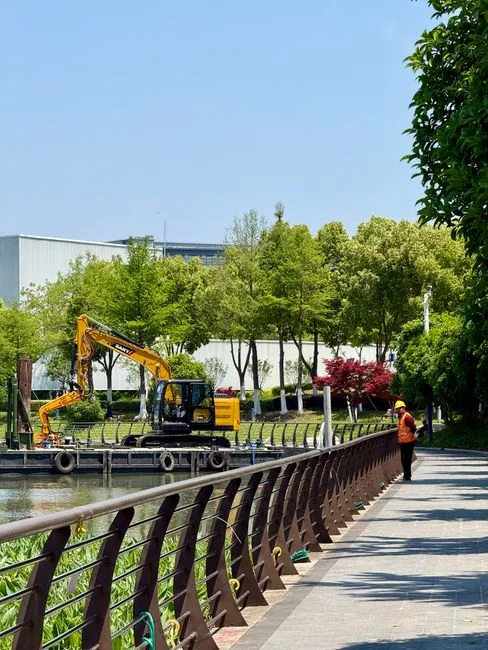
Acceptance must demonstrate that the installed system treats the project wastewater under the confirmed operating sequence. A generic capacity statement does not establish performance. Require start-up records, operating parameters, sampling results, operator training and agreed responsibilities for correcting deficiencies.
For an MBR system, obtain written membrane-cleaning methods, inspection-access arrangements, replacement provisions and a defined response to abnormal flux or differential pressure. These requirements must connect to the supplier’s performance guarantee and warranty rather than remain general operating guidance.
For a buried A/O package plant, obtain access arrangements for inspection, lifting, aeration, sedimentation and sludge removal. The buyer should also define who enters the buried unit, how lifting equipment is provided, how confined-space or safe-access controls are managed, and which tasks require the supplier’s specialist personnel.
Assign responsibility for routine monitoring, operator training, local or remote controls, spare-parts holdings and maintenance records. If the flow basis resembles the comparisons in the guide to sizing an MBR sewage treatment plant, use it only as supporting context; the town project still requires its own flow, influent, effluent and site data.
Frequently Asked Questions
How should a town sewage treatment plant be sized, and who must provide the site data?
Size the plant from the project’s design flow, average and peak flow, population-equivalent basis, influent loading and required effluent performance. The project engineer or owner should provide current and projected flow records, wastewater characterization, sewer and infiltration conditions, site drawings, soil and groundwater reports, and the discharge or reuse route. Commercial PE ranges are screening references only.
How can effluent acceptance criteria be defined without confusing them with capacity?
State the required effluent parameters separately from the hydraulic and loading design basis. Capacity answers how much wastewater and pollutant load the plant is designed to treat; effluent criteria define the quality required at the point of discharge or reuse. Obtain the applicable permit or receiving-system requirements and define sampling methods, test duration, witnessing and deviation provisions in the acceptance schedule.
What should an RFQ include for delivered scope, civil interfaces and commissioning?
Request separate prices for process design, equipment, civil interfaces, installation, headworks, clarification, disinfection, controls, sludge handling, start-up, performance testing, training, manuals, spares and warranty. The RFQ should attach the flow basis, influent and effluent data, site information and utility details, then identify which party remains responsible for every excluded or provisional item.
How should A/O and MBR suppliers be compared before selection?
Give every bidder the same flow, loading, effluent, site, access, power and sludge-handling information, and require each quotation to map its compliance to those inputs. Check A/O installation and maintenance access alongside MBR membrane-cleaning and replacement provisions. Compare guarantees, included scope, commissioning evidence, exclusions and warranty boundaries rather than ranking offers by headline capacity or purchase price alone.