Start with the wastewater and receiving route
A hospital sewage treatment plant in Gabon should be selected by the receiving route, measured wastewater characteristics, available footprint and required effluent performance—not by nominal capacity alone. A 2023–2024 multi-site study found bacterial loads in hospital effluent reaching 1.68 × 10⁸ CFU/mL, highlighting the need for dedicated biological treatment and final disinfection. An underground A/O package plant may suit lower-footprint installations, while an MBR may be justified by membrane-separation or reuse requirements. The next step is to obtain flow and laboratory data, confirm the Gabonese discharge basis, and issue a stage-by-stage RFQ with measurable acceptance criteria.
Discharge routes determine the treatment and disinfection obligations for the facility. In Gabon, hospital effluent may reach surface waters or groundwater after limited filtration, according to the BMC Microbiology study. That study collected 98 samples during 2023–2024: 52 hospital wastewater samples and 46 environmental water samples, comprising 40 from watercourses and six from rivers. Hospital samples were taken from sewer sumps before discharge. The reported bacterial load reached 1.68 × 10⁸ CFU/mL, while 113 isolates, representing 71.52% of the study isolates, were confirmed as members of the Enterobacteriaceae family.
These findings support dedicated treatment and controlled discharge, but they do not size a hospital sewage treatment plant in Gabon. The study was observational and did not establish a discharge limit, direct human or animal transmission, or the required performance of a particular treatment train.
Issue the design request to the hospital engineering team with this minimum data set:
- Average and peak wastewater flows, including diurnal variation and separate flows from maternity, surgery, dialysis, laboratories and other departments.
- Laboratory results for BOD, COD, suspended solids, pH, antibiotics and resistant bacteria, with sampling points and dates.
- Available footprint, soil and groundwater conditions, access for maintenance, electrical supply and backup-power requirements.
- Description of the receiving water or sewer, intended disposal route and proposed reuse, if any.
- Applicable Gabonese approval requirements, effluent limits and the responsible permitting authority.
Confirm the regulatory route with the responsible authority before issuing the final RFQ. The available material does not identify a Gabonese discharge limit or oversight authority, so the buyer must obtain the applicable approval requirements in writing rather than infer them from another jurisdiction. The hospital wastewater treatment and disinfection systems in Laos and hospital wastewater treatment route comparison can provide context, but their project requirements do not establish the Gabonese permit basis.
Choose the treatment route from site conditions
Treatment route selection depends on receiving requirements, peak flow, wastewater analysis and maintenance constraints. The equipment may differ, but the procurement decision hinges on whether the project requires a biological treatment train, membrane separation, reuse-quality filtration or a smaller installation serving a limited part of the facility.
The underground WSZ A/O package sewage treatment plant is a candidate where an integrated biological route and lower surface footprint are priorities. An MBR membrane bioreactor for hospital wastewater becomes more relevant when the confirmed treatment basis requires membrane separation or where the additional maintenance, controls and sludge-management demands can be met.
For a smaller clinic or isolated hospital department, the medical wastewater treatment system combines multi-stage filtration with ozone disinfection and is described for clinics and small medical facilities in a footprint as small as 0.5 m². That footprint is a supplier specification, not evidence that the unit is adequate for a whole hospital. Its applicability must be demonstrated against the measured flow, effluent composition, receiving route and operating resources.
| Discharge route or influent problem | Governing rule or process option | What data settles it |
|---|---|---|
| Hospital effluent discharged toward a receiving environment | Provide dedicated biological treatment, solids separation and route-appropriate final disinfection. | Measured flow, BOD, COD, suspended solids, microbiological results, receiving-water description and written permit basis. |
| Constrained surface area and an underground installation is feasible | Consider the WSZ A/O route, subject to soil, groundwater, access and installation conditions. | Footprint survey, excavation constraints, soil and groundwater data, access routes and available power. |
| Membrane separation or a confirmed reuse-quality filtration requirement | Compare the MBR route with alternatives, including its added operating and maintenance burden. | Approved reuse specification, membrane fouling risks, operator competence, maintenance access and spare-parts arrangements. |
| A small clinic or a separately served hospital department | Assess the compact medical wastewater route as a partial treatment solution. | Department-level peak flow, sampled wastewater characteristics, intended reuse or discharge route and the required performance schedule. |
Reject a selection based only on nominal treatment capacity. Each bidder should show how its proposed route handles the measured peak flow and wastewater characteristics, what power is required, how sludge is removed and stored, and how maintenance access is maintained. Undefined wastewater analysis, an unresolved discharge basis and an absent sludge route are selection risks—not minor omissions to be settled after award.
Build the complete treatment train
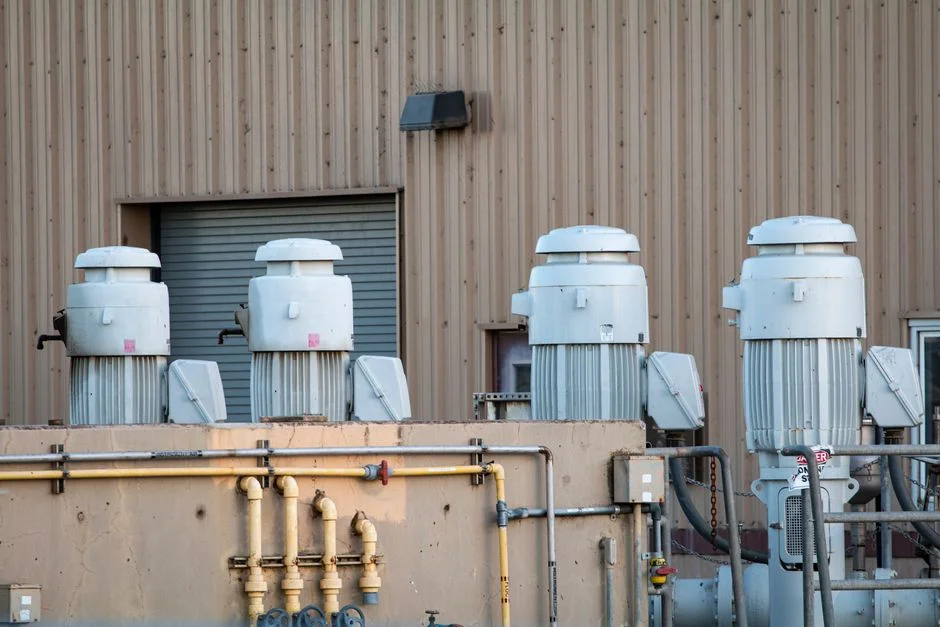
Specify the complete train from collection to final effluent and residual sludge handling; treating only the liquid stream leaves downstream equipment, operators and receiving environments exposed.
- Characterise and balance the influent. Identify sampling points, analyze each material department stream where relevant, and define how flow and pollutant loads are represented in the design calculations.
- Screen before pumping and biological treatment where needed. Mechanical screening removes rags, plastics and fibrous debris that can obstruct pumps or damage downstream equipment. The rotary mechanical bar screen can be evaluated as a pretreatment item, subject to debris characteristics and the confirmed treatment route.
- Provide biological treatment and solids separation. The process must address organic load and suspended solids under the measured influent conditions. The selected A/O or MBR design should identify its process calculations, biological capacity, solids handling and required operating controls.
- Add validated final disinfection. The chlorine dioxide generator is offered in manual and automated configurations from 50 g/h to 20,000 g/h. Require the bidder to justify the selected capacity and control arrangement against measured flow, contact conditions, downstream requirements and the approved disinfection basis.
- Capture and dispose of sludge. Include wasting, storage, dewatering and the final disposal route. The plate and frame filter press can be included in the solids-handling comparison, but the RFQ must also define residual-sludge transport and disposal responsibility.
For separate hospital departments, require the supplier to explain how sampling and flow balancing will represent maternity, surgery, dialysis, laboratory and other streams. A blended average can conceal a sharp discharge from a smaller department, while a combined sampling campaign may obscure which stream creates the peak load. The proposal should state sampling locations, monitoring frequency and how the design peak is derived.
Make the RFQ comparable and acceptance-ready
Make quotations comparable by requiring every bidder to expose its design basis, scope boundary, exclusions and acceptance obligations. Each RFQ should state design flow, treatment stages, process calculations, duty and standby arrangements, equipment materials, controls, utilities, civil interfaces, commissioning, training, spares, warranty and maintenance support.
Request separate prices for the treatment train, civil works, installation, electrical works, commissioning, operator training, initial spares, warranty, sludge handling and maintenance support. This structure allows the hospital to identify exclusions rather than comparing headline package prices built around different boundaries.
| Quote line item | Technical scope to specify | Red flags to check before signing |
|---|---|---|
| Design basis and process calculations | Design flow; measured BOD, COD, suspended solids, pH and microbiological characteristics; treatment stages; receiving route; duty/standby arrangement. | Unspecified flow, absent wastewater analysis, generic treatment claims or calculations based only on nominal capacity. |
| Treatment equipment and controls | Equipment schedule, materials, screening, biological treatment, solids separation, disinfection, controls, alarms and utility requirements. | Unallocated equipment, omitted accessories, undefined control philosophy or failure-response arrangements. |
| Civil works, installation and utilities | Excavation or foundations, pipework, access, drainage, electrical supply, backup power, installation interfaces and commissioning prerequisites. | Unpriced site works, exclusions for power or access, or assumptions about soil and groundwater not supported by site data. |
| Sludge management | Sludge capture, storage, dewatering, containment, transport and final disposal route, including the plate and frame filter press options. | Sludge disposal excluded, no storage allowance or no clear owner for transport and final disposal. |
| Commissioning and acceptance | Defined influent and effluent samples, stable operation, disinfection checks, documented operator training, test records and agreed acceptance procedure. | Commissioning omitted, acceptance based only on visual inspection or no method and sample point defined for performance tests. |
| Warranty and support | Spare-parts list, maintenance plan, response arrangements, operator competence requirements and warranty scope. | No local service evidence, critical spares omitted or warranty dependent on unapproved exclusions. |
The supplier’s plate and frame filter presses are available with filtration areas from 1 m² to 500 m² and manual, hydraulic or fully automatic PLC-controlled operation. Ask each bidder to state why its selected configuration and area follow from the calculated sludge quantity, moisture behavior, operating cycle and disposal route; the equipment range alone does not determine the requirement.
Before signature, require a response to any unresolved flow, analytical, permitting, sludge or commissioning gap. Do not accept “compliant with local standards” without identifying the standard, authority, wastewater basis and test method. Acceptance should be tied to the confirmed discharge requirement, sampling points, stable operation, disinfection performance and documented training.
Frequently Asked Questions
How much should a hospital sewage treatment plant in Gabon cost?
There is no supportable price in the available project evidence, and a meaningful quotation requires the design flow, wastewater analysis, treatment route, footprint, civil works, power, sludge handling and commissioning scope. Request a priced bill of quantities with those items separated, plus stated exclusions and the warranty. Compare bids on the same scope rather than accepting an unexplained package price.
Should the hospital procure an A/O package plant or an MBR?
Choose A/O when the confirmed wastewater load, footprint and receiving route support a conventional biological route and the site can provide reliable operation and maintenance. Consider an MBR when the confirmed treatment basis requires membrane separation or compact biological treatment and the hospital can support its added controls, fouling control, maintenance and spare-parts needs. Require each bidder to demonstrate its choice against the measured flow and analysis.
What influent information is needed before sizing the plant?
Request average and peak flows by department, BOD, COD, suspended solids, pH, antibiotic-residue and microbiological results, plus sampling dates and locations. Include power, available footprint, soil and groundwater conditions, receiving-water description, intended discharge or reuse route and sludge-disposal method. The 2023–2024 Gabon study establishes a contamination concern, but it does not provide the site-specific inputs needed to size equipment.
Which items should be included in the hospital wastewater RFQ?
Include screening, biological treatment, solids separation, final disinfection, controls, sludge capture and dewatering, civil interfaces, installation, utilities, commissioning, training, spares, warranty and maintenance support. Require the supplier to identify the discharge basis and acceptance tests. Treat any omission of commissioning, sludge disposal or the defined wastewater design basis as an item requiring resolution before signature.